 Get In Touch
 English
  中文简体
中文简体 عربى
عربى Tiếng Việt
Content
- 1 Defining the Balancing Act: Modulus vs. Toughness
- 2 Impact Resilience: Analyzing the Aramid Contribution
- 3 Structural Integrity: Shear and Delamination Resistance
- 4 Jiangyin Dongli New Materials: Excellence in Composite Manufacturing
- 5 Frequently Asked Questions (FAQ)
- 5.1 1. What is the primary advantage of using a carbon aramid fabric hybrid over pure carbon fiber?
- 5.2 2. How do engineers determine the Optimal carbon to aramid ratio for hybrid composites?
- 5.3 3. What is meant by Balancing modulus and impact resistance in carbon aramid fabric?
- 5.4 4. Why is the Interlaminar shear strength of carbon aramid fabric laminates so important?
- 5.5 5. What tests are used for Impact toughness analysis of carbon aramid hybrid fabric?
The carbon aramid fabric represents a synergistic approach to composite engineering, blending the high specific stiffness of carbon fiber with the outstanding energy absorption capacity of aramid fiber. For critical applications—ranging from aerospace fairings to racing shells—determining the precise mixing ratio of these two fibers is a highly technical undertaking. The goal is to maximize the composite's overall mechanical profile by strategically trading off super-high stiffness for improved resistance to catastrophic failure.
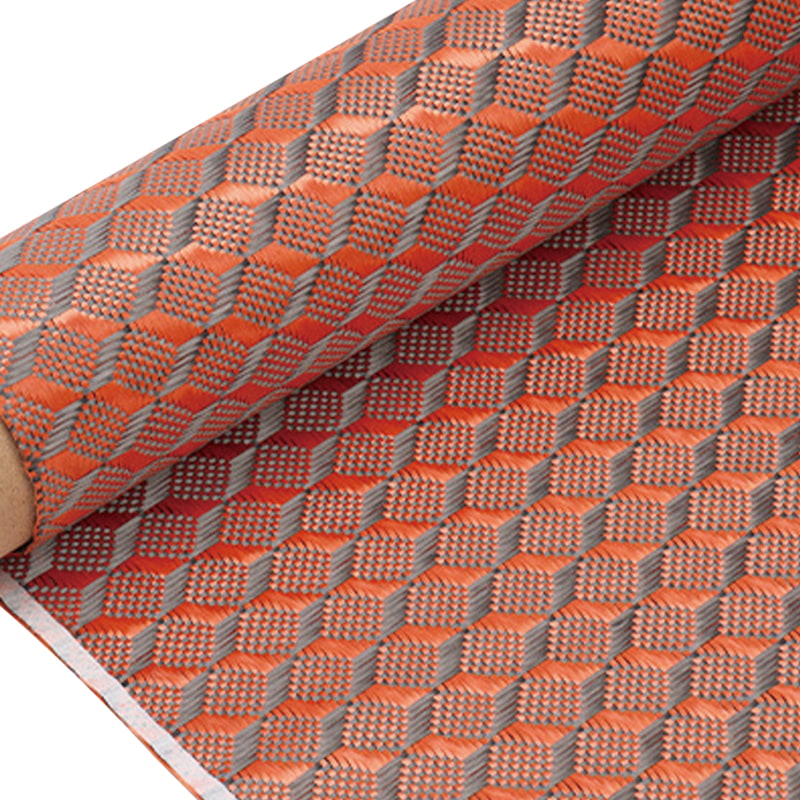
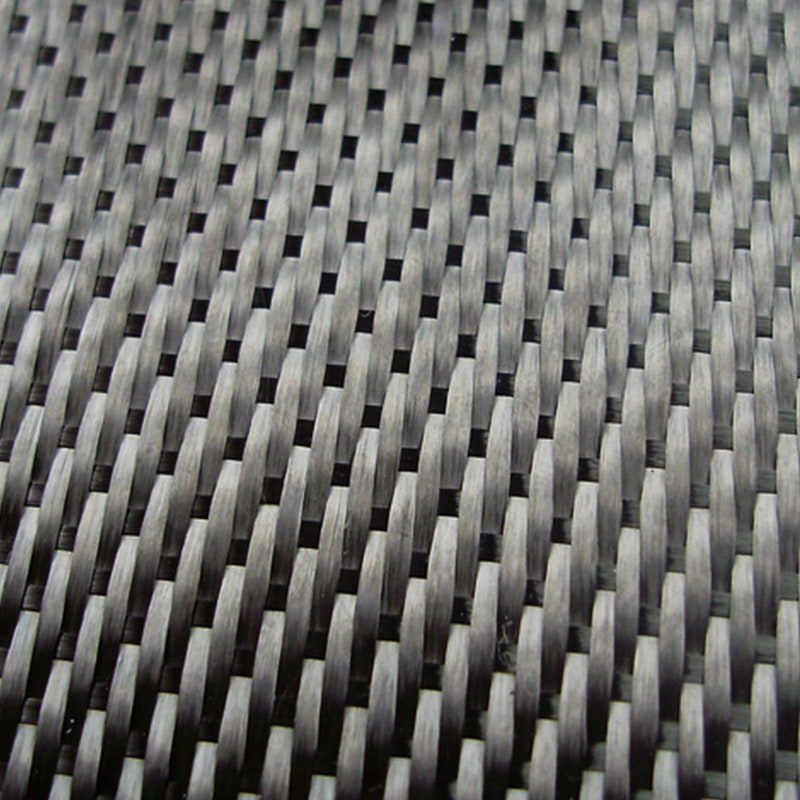
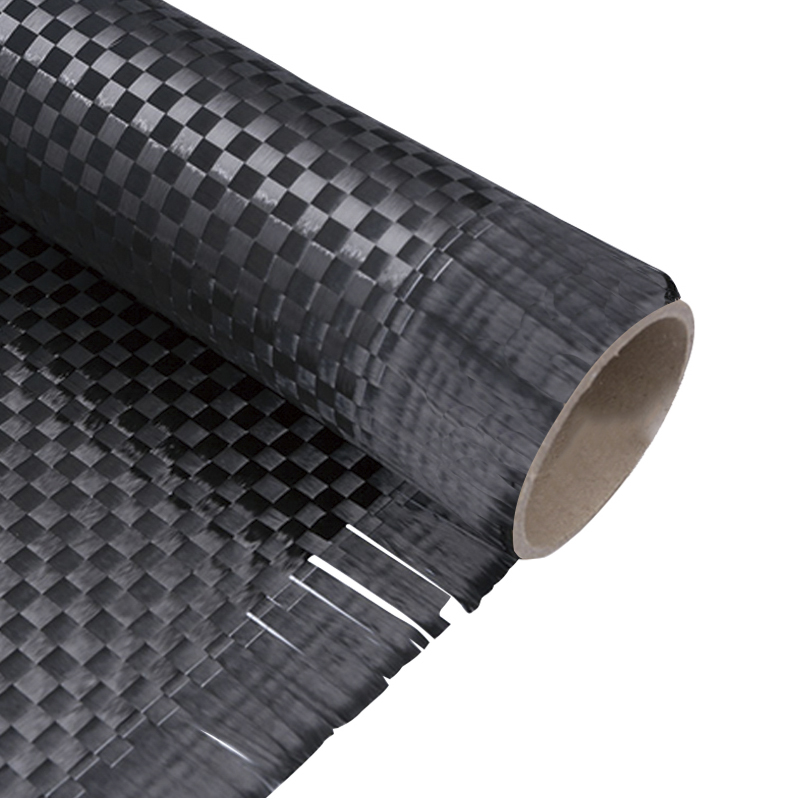
Red/Black Aramid Carbon Mixed Carbon Fiber Woven Fabric
Defining the Balancing Act: Modulus vs. Toughness
Engineers must calculate the precise fiber volume fraction to achieve the desired balance between the two primary mechanical properties.
Calculating the Optimal carbon to aramid ratio for hybrid composites
- Carbon's Role: Carbon fiber provides the majority of the tensile strength and modulus (stiffness). Higher carbon content leads to lighter, stiffer structures, but with reduced damage tolerance.
- Aramid's Role: Aramid (Kevlar or Twaron) is a failure limiter. Its high elongation and excellent vibration dampening capacity absorb and dissipate impact energy, effectively arresting crack propagation. Determining the Optimal carbon to aramid ratio for hybrid composites depends entirely on the application's required safety factor against localized impacts.
Balancing modulus and impact resistance in carbon aramid fabric Designs
There is an inverse relationship between stiffness and toughness in hybrid composites. Pure carbon structures offer high modulus but poor impact resistance; pure aramid offers excellent impact resistance but low modulus. Successful design involves Balancing modulus and impact resistance in carbon aramid fabric by adding enough aramid content (typically 25% to 50% by volume) to enhance post-impact residual strength without overly compromising the overall stiffness required for structural integrity.
Hybrid Ratio Effect on Key Mechanical Properties Table
| Carbon:Aramid Ratio (Approx. Volume %) | Tensile Modulus (Stiffness) | Impact Toughness/Damage Tolerance |
|---|---|---|
| 75:25 (Carbon Rich) | High | Moderate (Prone to brittle failure) |
| 50:50 (Balanced) | Medium-High | High (Excellent for localized impact protection) |
Impact Resilience: Analyzing the Aramid Contribution
The true value of the aramid component is quantified through rigorous impact testing.
Impact toughness analysis of carbon aramid hybrid fabric
- Energy Absorption: Aramid fibers primarily contribute to the material's impact performance by exhibiting large amounts of inelastic deformation (fibrillation) before complete rupture. This highly localized failure mechanism dissipates a significant amount of kinetic energy, which is confirmed during the Impact toughness analysis of carbon aramid hybrid fabric through Charpy or Izod tests.
- Failure Mode: In pure carbon composites, impact often results in sharp fracture and fiber pullout. In carbon aramid fabric, the aramid fibers bridge the crack, preventing catastrophic delamination and allowing the composite to retain a higher percentage of its original strength after impact damage.
The Role of Interfacial Shear Strength and Failure Mechanisms</HED
The interface between the fiber and the resin matrix is critical. A high interfacial shear strength is needed to ensure that stress is efficiently transferred between the carbon, the aramid, and the resin, preventing premature bond failure that would otherwise undermine the material's total impact absorption capacity.
Structural Integrity: Shear and Delamination Resistance
Beyond in-plane strength, the laminate's resistance to out-of-plane forces is paramount for reliability.
Assessing the Interlaminar shear strength of carbon aramid fabric laminates
- ILSS: Interlaminar Shear Strength (ILSS) is a key metric for evaluating the bonding quality between layers. Low ILSS indicates a weak matrix or poor fiber wetting, leading to early delamination. When assessing the Interlaminar shear strength of carbon aramid fabric laminates, the difference in surface chemistry between carbon and aramid fibers must be compensated for during the prepreg manufacturing process to ensure strong matrix adhesion across all fiber types.
Application Focus: Designing carbon aramid fabric for high-performance automotive parts</HED
In the automotive sector, carbon aramid fabric is increasingly used in components like bulkheads, crash structures, and chassis tubs. Designing carbon aramid fabric for high-performance automotive parts specifically targets damage tolerance. The aramid layer is often positioned on the outer surface to absorb road debris impact, protecting the underlying, high-modulus carbon layers essential for stiffness.
Jiangyin Dongli New Materials: Excellence in Composite Manufacturing
Jiangyin Dongli New Materials Technology Co., Ltd. specializes in the comprehensive development and manufacturing of high-performance fiber composite materials, focusing on sectors like aerospace engineering and automotive manufacturing. Our 32,000-square-meter complex incorporates precision-controlled production environments, including 100,000-grade purification zones, ensuring the highest quality in every carbon aramid fabric we produce. As a one-stop factory with full process control, we integrate R&D, weaving, and various composite manufacturing processes (Autoclave, RTM, etc.). We provide mature material innovation and engineering expertise to help customers achieve the precise Optimal carbon to aramid ratio for hybrid composites required for their application, whether the priority is high stiffness or superior impact damage tolerance. We adhere to rigorous quality standards to guarantee the Interlaminar shear strength of carbon aramid fabric laminates meets global industry demands.
Frequently Asked Questions (FAQ)
1. What is the primary advantage of using a carbon aramid fabric hybrid over pure carbon fiber?
The primary advantage is impact damage tolerance. The aramid fibers absorb kinetic energy through localized deformation, preventing catastrophic failure and crack propagation that are common in brittle, pure carbon structures.
2. How do engineers determine the Optimal carbon to aramid ratio for hybrid composites?
The ratio is determined by the specific application requirements. If stiffness is the top priority, a carbon-rich ratio (e.g., 75:25) is used. If impact protection is critical, a more balanced ratio (e.g., 50:50) is chosen to maximize energy absorption.
3. What is meant by Balancing modulus and impact resistance in carbon aramid fabric?
It refers to the trade-off in composite design: increasing the carbon content boosts the elastic modulus (stiffness), but decreases impact resistance. Engineers must find the blend that satisfies minimum structural stiffness requirements while maximizing resistance to unexpected physical damage.
4. Why is the Interlaminar shear strength of carbon aramid fabric laminates so important?
Interlaminar shear strength (ILSS) is crucial because it measures the bond quality between the fabric layers. Low ILSS means the layers can easily separate (delaminate) under out-of-plane forces, leading to structural failure even if the fibers themselves are strong.
5. What tests are used for Impact toughness analysis of carbon aramid hybrid fabric?
Impact toughness is typically analyzed using standardized tests like Charpy or Izod impact testing, which measure the total energy absorbed by the material until failure, providing a quantitative measure of the material's damage tolerance.
 +86-13961668677
 No. 61, Xingyuan Road, Jiefang Village, Gushan Town, Jiangyin City, Jiangsu Province, China.