High-Performance Fiber Composite Materials Manufacturer
As a High-Performance Fiber Composite Materials Manufacturers, we match product configuration to the application, operating limits, interfaces and acceptance criteria defined for each project.
Jiangyin Dongli New Materials Technology Co., Ltd. is a China-based manufacturer and supplier of high-performance fiber composite materials. Since 2018, we have operated a 32,000-square-meter factory in Jiangyin, Jiangsu Province, with climate-controlled workshops and 100,000-grade purification zones to ensure material consistency. Our product range covers carbon fiber woven fabrics, prepregs, epoxy fiberglass sheets, composite pipe fittings, panels, and special-shaped parts, serving aerospace, automotive, sports equipment, and industrial applications.
We are not just a fabric weaver or a parts molder; we are a one-stop factory with full process control, from fiber weaving and prepreg coating to autoclave, RTM, RMCP, PCM, WCM, and spray molding. This vertical integration lets us manage quality at every step and offer tailored solutions for demanding engineering projects.
Our Product Range and Application Fit
Each product family in our catalog addresses specific structural, thermal, or electrical requirements. Below is a quick reference to help you match your application with the right material or component.
| Product Category |
Typical Applications |
Key Features |
| Carbon Fiber Woven Cloth |
Aerospace skins, automotive body panels, sporting goods, industrial reinforcement |
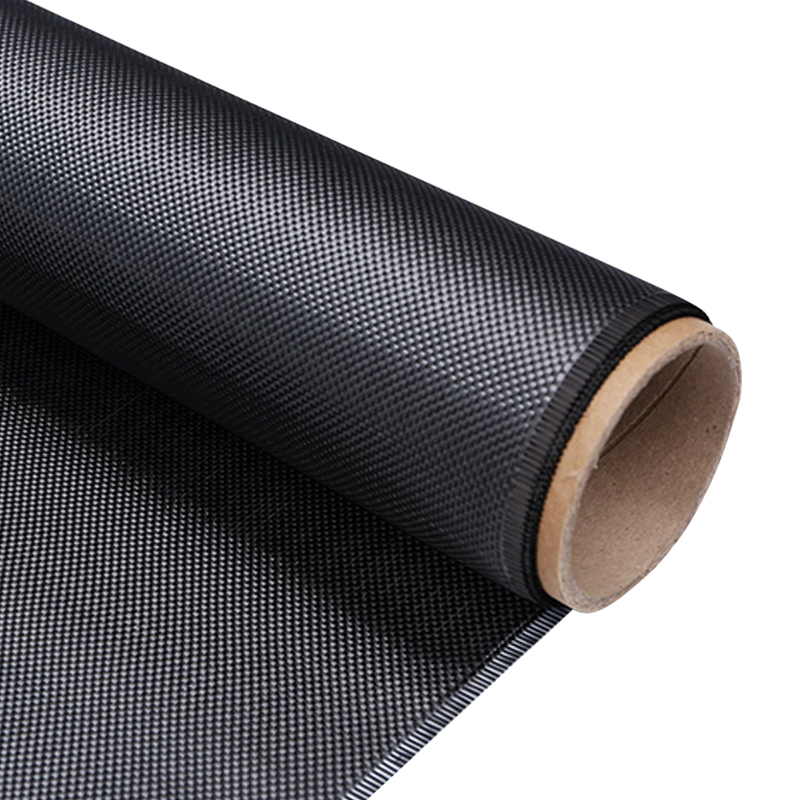
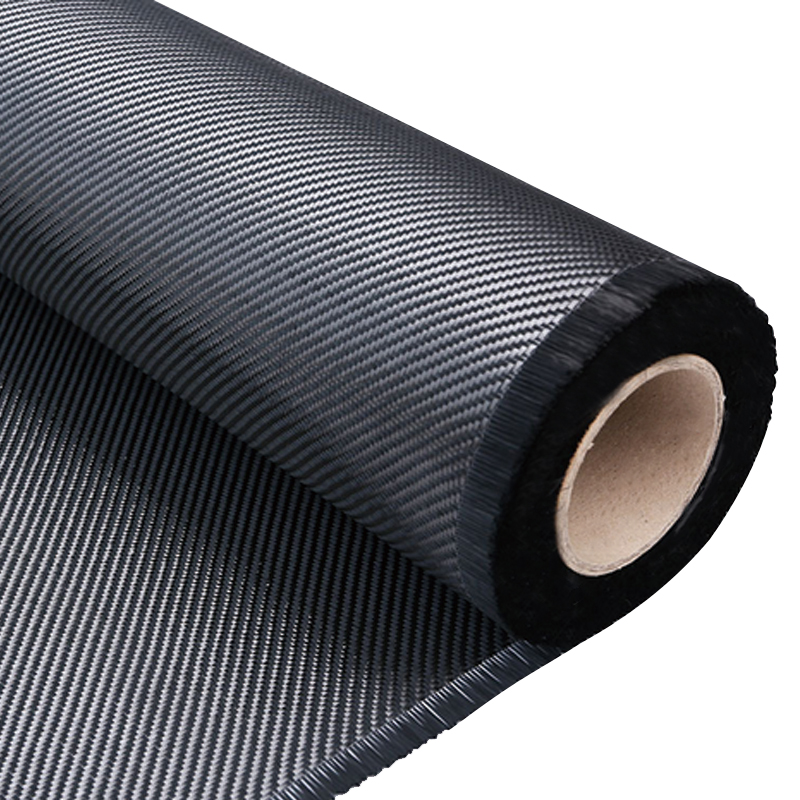
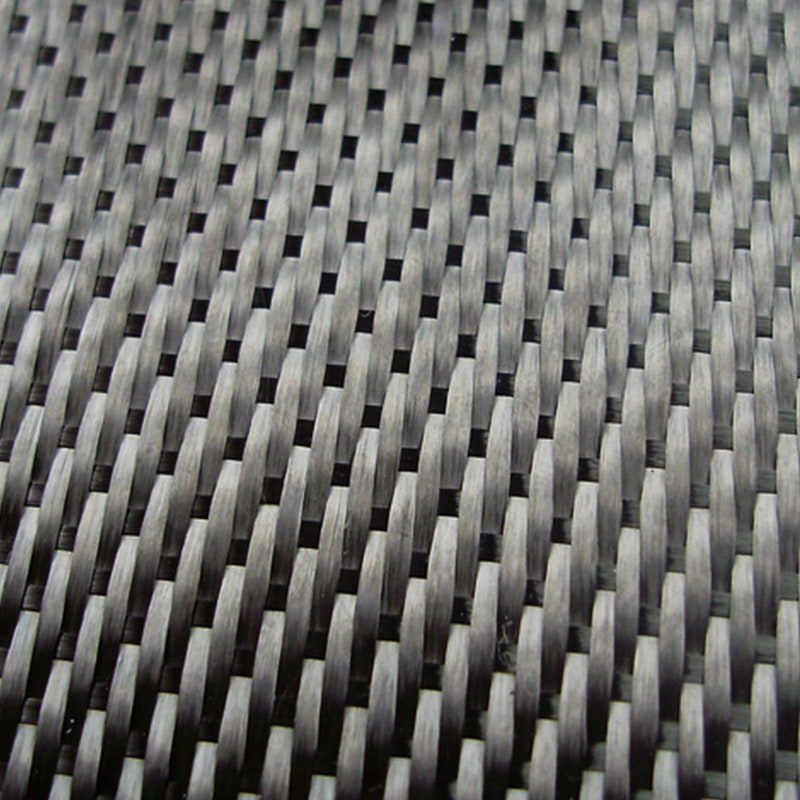
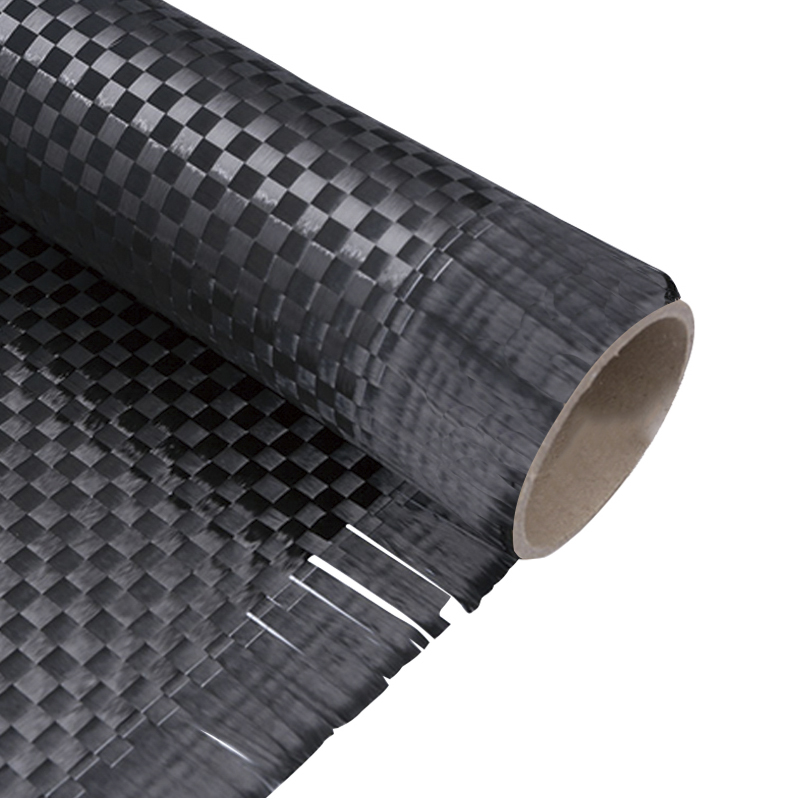
High strength-to-weight ratio, corrosion resistance, various weaves (plain, twill, satin) |
| Prepreg |
Structural components requiring controlled resin content, aerospace and automotive parts |
Epoxy and cyanate ester systems, consistent fiber volume, tailored tack and drape |
| Epoxy Fiberglass Sheet |
Electrical insulation, PCB jigs, lithium battery insulation, switchgear components |
UL94 V0 flame retardant, excellent dielectric strength, machinable |
| Composite Carbon Fiber Pipe Fittings |
Lightweight tubing for aerospace, automotive, and industrial fluid handling |
High specific stiffness, corrosion resistance, custom diameters |
| Carbon Fiber Composite Panels |
Enclosures, housings, structural panels for electronics, medical, and transport |
Rigid, lightweight, customizable thickness and surface finish |
| Special-shaped Parts |
Aerospace brackets, automotive trim, sports equipment, ODM consumer products |
Complex geometries, autoclave and RTM molding, surface finish options |
| Other Material Fiber Woven Cloth |
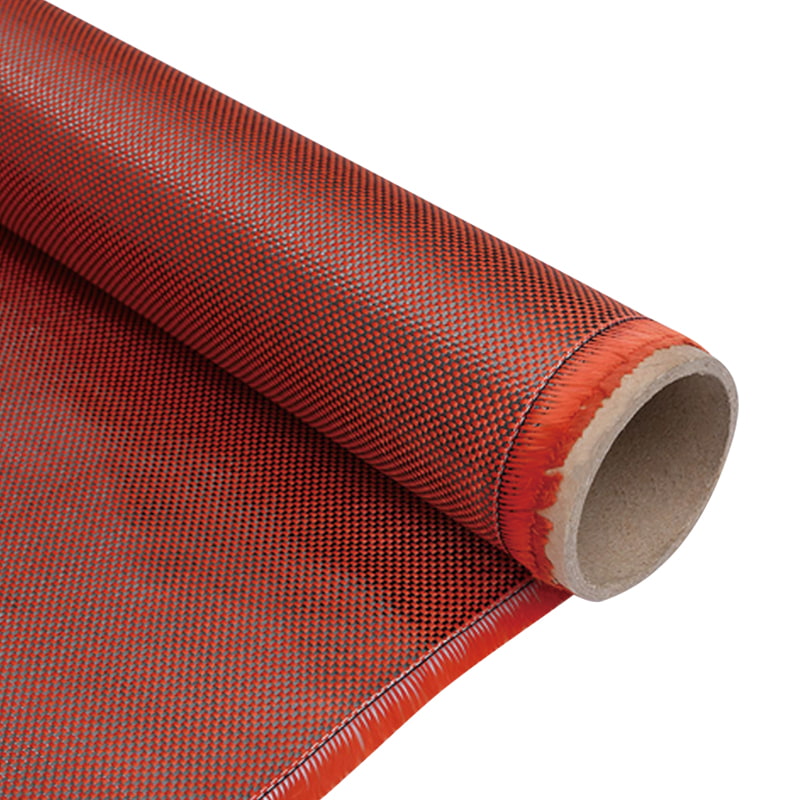
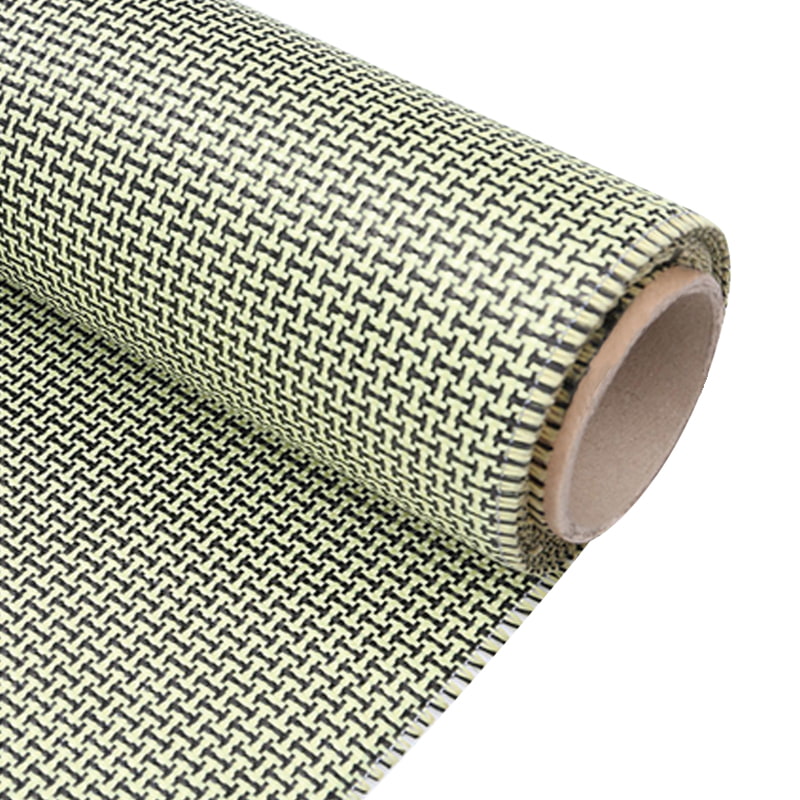
Aramid, hybrid, and specialty fabrics for ballistic, thermal, and aesthetic uses |
Impact resistance, high-temperature stability, custom blends |
Material and Process Selection
Choosing the right composite starts with understanding the load case, environment, and production volume. Our engineering team works with you to define fiber type (carbon, aramid, glass, or hybrid), weave architecture, resin system, and molding process.
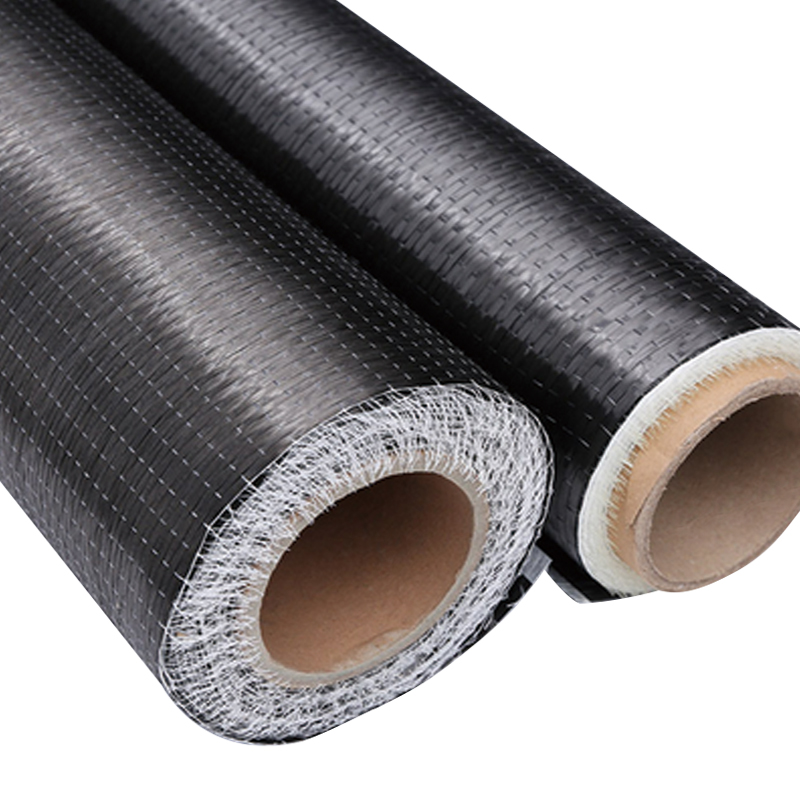
- Carbon fiber woven cloth is available in 1K, 3K, 12K tow sizes and plain, twill, satin, or unidirectional (UD) weaves. We also offer aramid-carbon mixed fabrics for enhanced impact resistance.
- Prepregs are produced with epoxy or cyanate ester resins, offering controlled resin content for consistent laminate properties. We supply rolls with specified areal weight and tack.
- Epoxy fiberglass sheets are manufactured in standard 1240×1040 mm sizes and custom dimensions, with UL94 V0 rating for electrical insulation.
- Composite parts are molded using autoclave, RTM, RMCP, PCM, WCM, or spray-up, depending on complexity, mechanical requirements, and batch size.
Engineering and Customization
We understand that off-the-shelf materials rarely fit every project. Our factory supports custom weaving patterns, resin formulations, and part geometries. For special-shaped parts, we can work from your drawings or samples to develop tooling and production processes.
Our in-house capabilities include 315T and 800T hot presses, autoclave tanks, and precision cutting equipment. We also operate a 10KN mechanical testing machine to verify laminate properties, ensuring that the delivered material meets your specified mechanical and thermal performance.
Quality Assurance and Compliance
We are committed to consistent quality. Our factory is ISO 9001:2015 certified, and our epoxy fiberglass sheets carry UL94 V0 flame retardant classification. For each batch, we can provide material test reports, dimensional inspection data, and certificates of conformance.
In-process controls include tension monitoring during weaving, resin content checks in prepreg, and dimensional verification of molded parts. This ensures that your components meet tight tolerances and perform reliably in service.
Information We Use to Configure Your Solution
To prepare an accurate quotation and technical proposal, we need the following details from your side:
- Application and operating environment – load conditions, temperature range, chemical exposure, and electrical requirements.
- Material specification – fiber type, weave pattern, areal weight, resin system, and any required certifications (e.g., UL, RoHS).
- Dimensions and tolerances – for sheets, panels, or parts, including thickness, width, length, and critical tolerances.
- Production volume – prototype, low-volume, or mass production, as this affects tooling and process selection.
- Surface finish and aesthetics – whether you need a glossy clear coat, matte finish, or specific color.
- Packaging and delivery – export requirements, palletization, and destination port.
Frequently Asked Questions
What is the minimum order quantity for carbon fiber fabric?
Our MOQ depends on the product type and stock availability. For standard carbon fiber woven fabrics, we can accommodate small trial orders. For custom weaves or prepregs, we typically require a larger quantity to justify setup. Contact us with your target volume, and we will provide a specific MOQ.
Can you produce parts from our drawings or samples?
Yes, we offer ODM services for special-shaped parts. Send us your 2D/3D drawings or physical samples, and our engineers will assess manufacturability, suggest material and process options, and develop tooling if needed.
What is the typical lead time for custom composite parts?
For normal production volumes, our delivery time is within 20 days after confirmation. Prototype and tooling development may add time, which we will clarify in your quotation.
Do you provide material test reports or certifications?
Yes, we can provide material test reports, including tensile strength, modulus, and resin content, as well as certificates like ISO 9001 and UL94 V0 for relevant products. Specify your documentation requirements when requesting a quote.
Can you match specific weave patterns or colors?
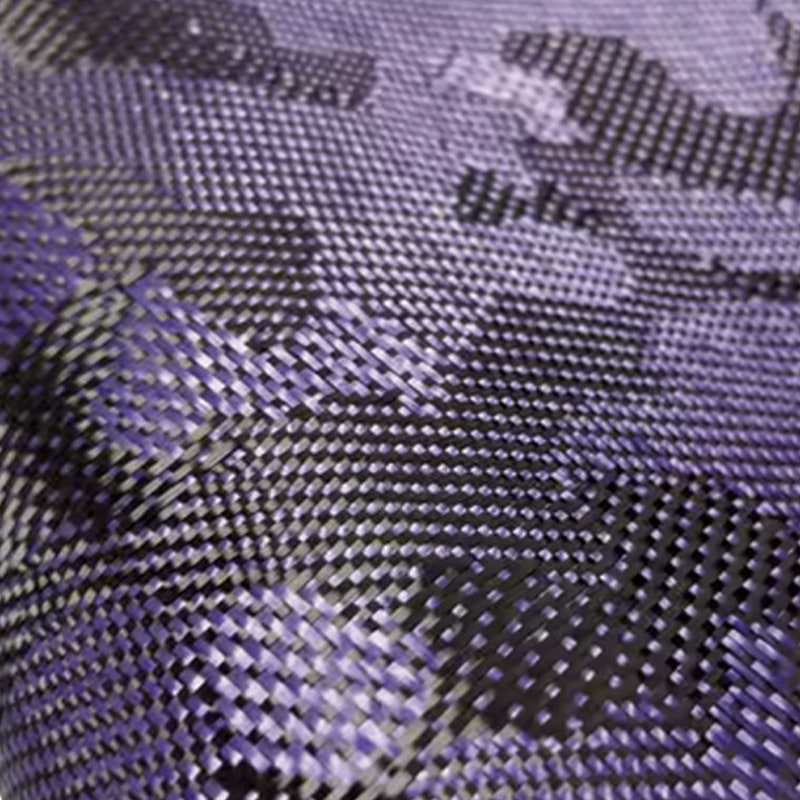
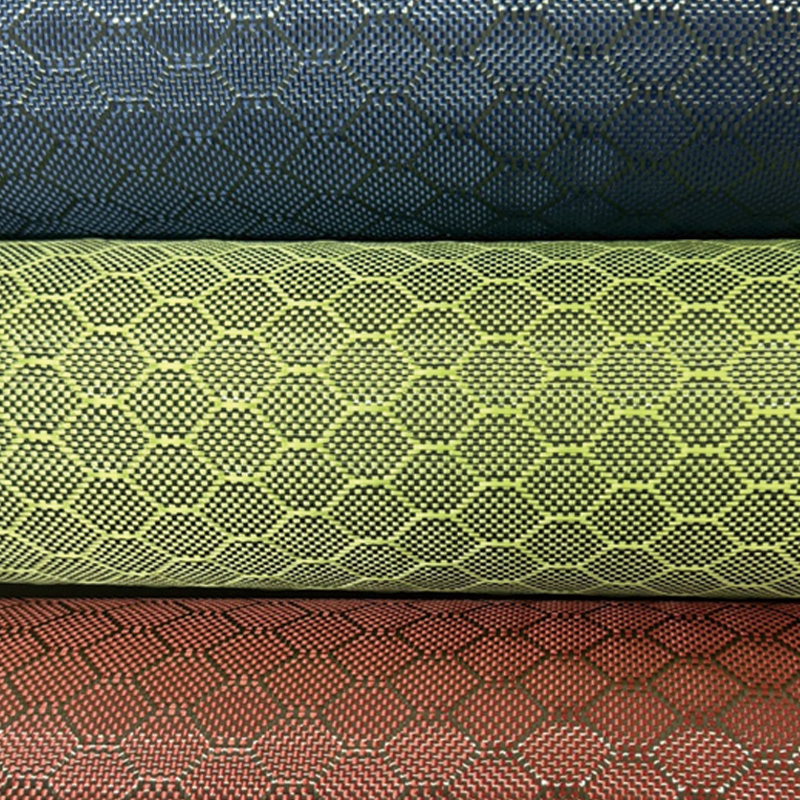
We can customize weave patterns, such as plain, twill, satin, or hybrid designs, and offer a range of aesthetic options, including colored aramid fibers or custom surface textures. Share your reference sample or specification, and we will evaluate feasibility.
 中文简体
中文简体 عربى
عربى Tiếng Việt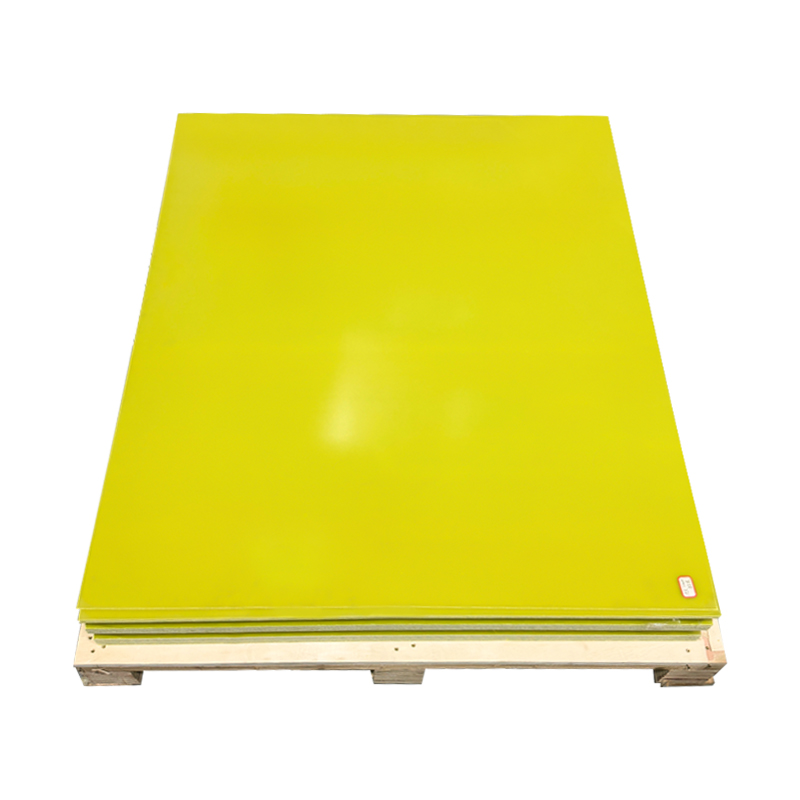
 Get In Touch
 English

 +86-13961668677
 No. 61, Xingyuan Road, Jiefang Village, Gushan Town, Jiangyin City, Jiangsu Province, China.