Pure Carbon Woven Fabric Manufacturer and Supplier
As a Pure Carbon Woven Fabric Suppliers, we match product configuration to the application, operating limits, interfaces and acceptance criteria defined for each project.
Jiangyin Dongli New Materials Technology Co., Ltd. is a China-based Pure Carbon Woven Fabric manufacturer and supplier, operating a 32,000-square-meter factory with climate-controlled workshops and 100,000-grade purification zones. We produce high-performance carbon fiber fabrics through our in-house weaving and prepreg lines, serving aerospace, automotive, rail, and sports equipment projects that demand consistent reinforcement and predictable laminate quality.
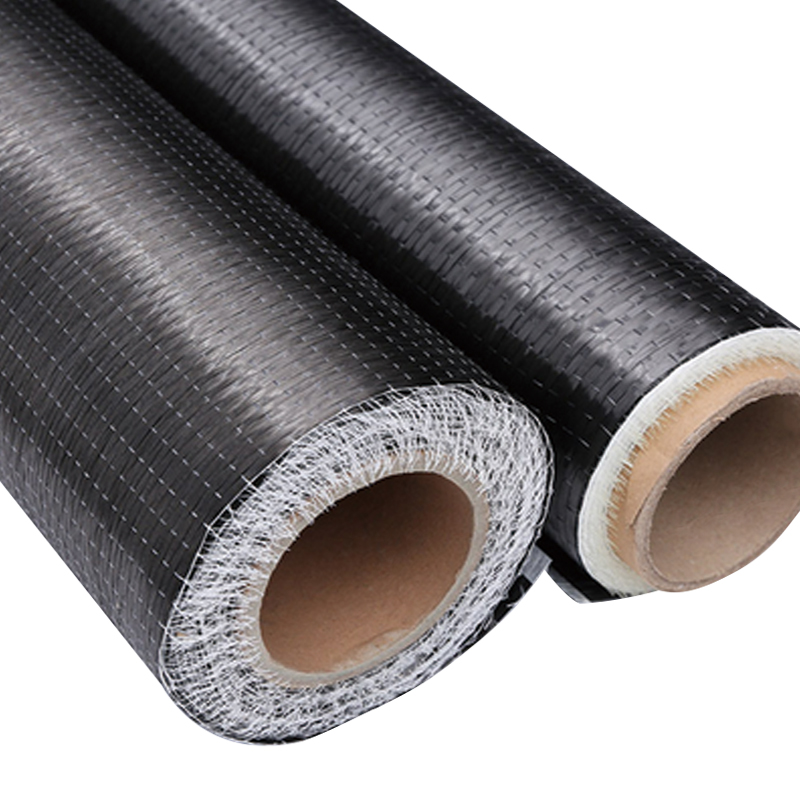
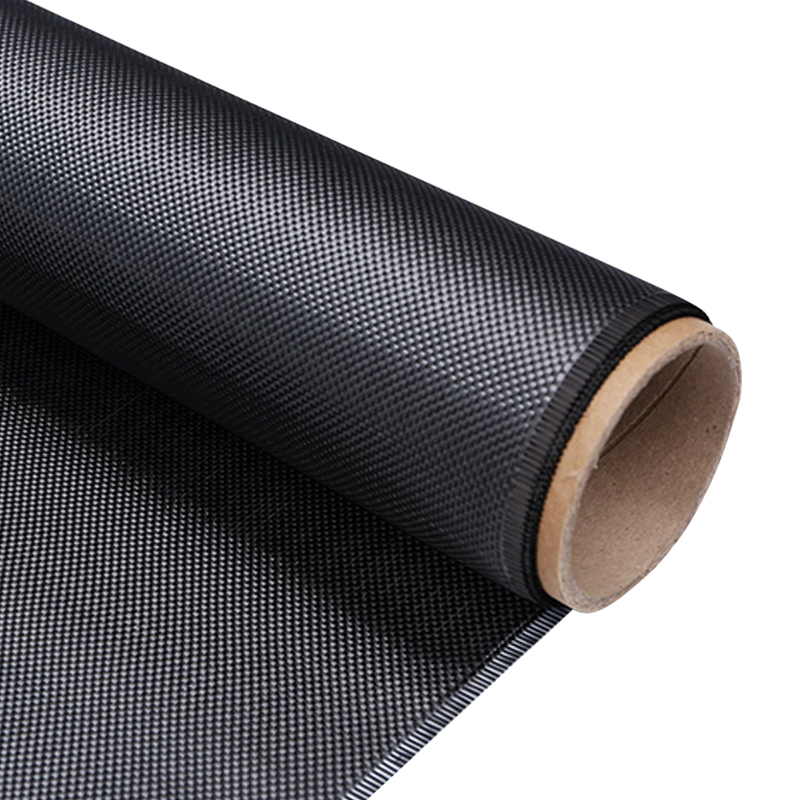
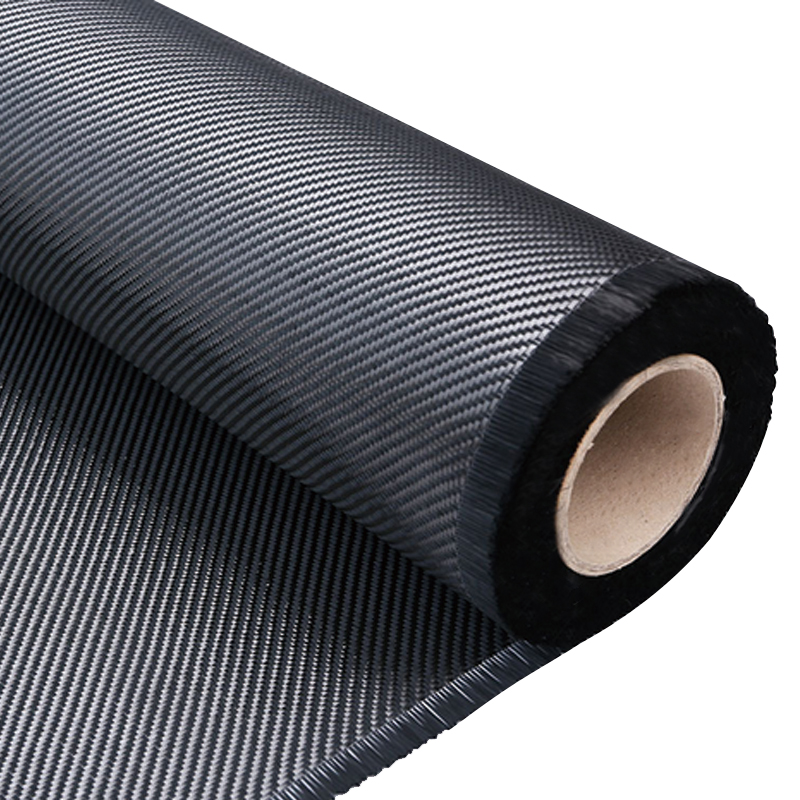
Our pure carbon woven fabrics are available in plain, twill, satin, unidirectional (UD), and textured weaves, with tow sizes from 1K to 12K and custom widths. As a one-stop factory, we control every step from fiber handling to final inspection, ensuring that each roll meets your specified areal weight, weave geometry, and surface finish.
Quick Reference: Our pure carbon fabrics are used as reinforcement in epoxy, cyanate, and thermoplastic matrices for structural components, cosmetic panels, and high-temperature applications.
Our Pure Carbon Woven Fabric Range
We supply four primary weave types plus UD reinforcement, each selected for specific mechanical and processing requirements. The table below summarizes the available product families and their typical applications.
| Product Type |
Weave Structure |
Typical Applications |
| 1K/3K/12K Plain Weave |
Tight, balanced 1x1 pattern |
Cosmetic panels, drone frames, automotive trim |
| Twill Weave |
Diagonal 2x2 or 4x4 pattern |
Complex curved surfaces, high-temperature tooling |
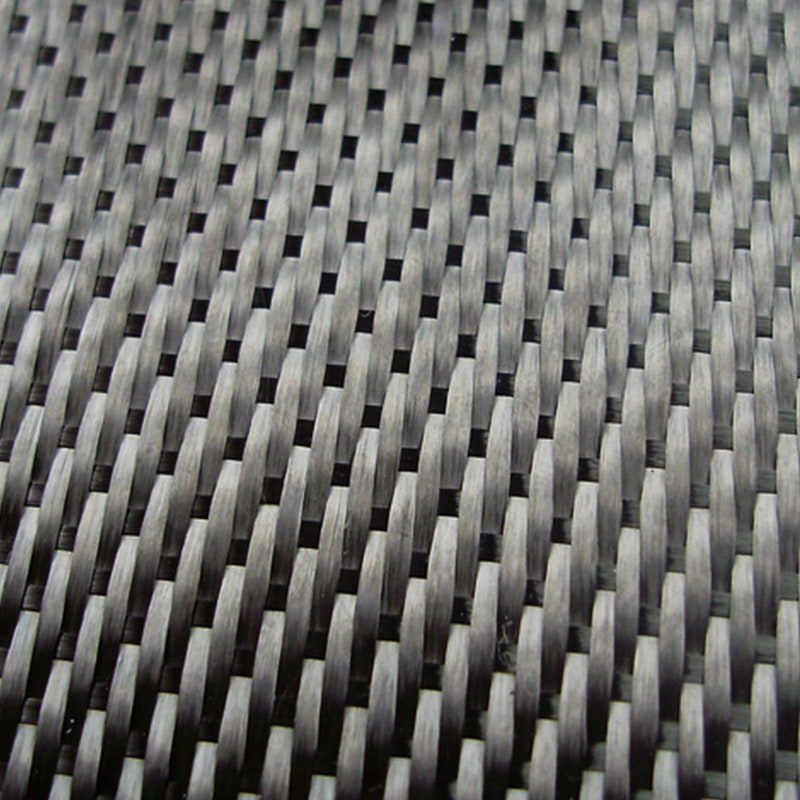
| Satin Weave |
Satin (e.g., 5HS) with low crimp |
Aerospace skins, high-strength laminates |
| Unidirectional (UD) |
Parallel fibers with light weft |
Structural reinforcement, spar caps, stiffeners |
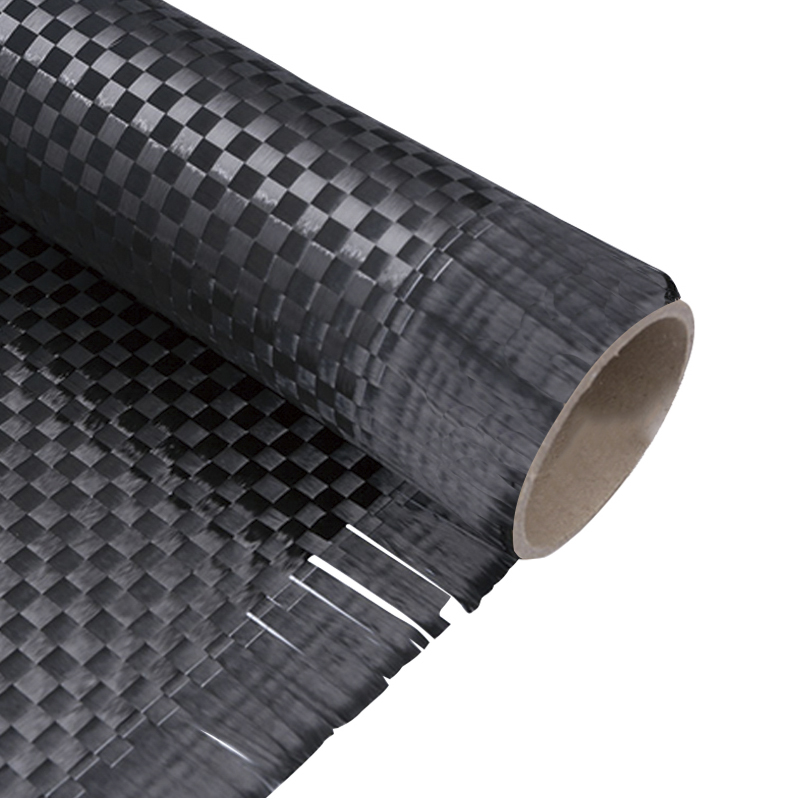
| Textured Weave |
Custom patterns for grip or aesthetics |
Decorative panels, anti-slip surfaces |
Application Fit and Material Selection
Choosing the right weave depends on the final part geometry, loading direction, and molding process. Plain weave offers excellent stability for flat laminates and is easier to handle during layup. Twill weave drapes better over compound curves, making it suitable for automotive body panels and sporting goods. Satin weave minimizes fiber crimp, providing higher tensile strength in aerospace-grade components. UD fabric concentrates strength in one direction, ideal for beams and stiffeners when combined with cross-ply layers.
We also consider the resin system you plan to use. Our fabrics are compatible with epoxy, cyanate ester, and thermoplastic matrices. For high-temperature or chemically aggressive environments, we can supply fabrics with specific surface treatments to improve fiber-resin adhesion without compromising weave integrity.
Key Specifications We Control
- Areal weight: Typically 100–600 g/m², depending on tow size and weave type.
- Tow size: 1K, 3K, 6K, 12K, or custom spread-tow configurations.
- Width: Standard rolls up to 1000 mm, with custom slitting available.
- Weave count: Ends and picks per inch are set to balance coverage and permeability.
- Surface finish: Clean, uniform surface with minimal fuzz or broken filaments.
Engineering and Manufacturing Capabilities
Our factory integrates weaving, prepreg production, and composite molding under one roof. This vertical integration allows us to offer pure carbon fabrics as a standalone product or as part of a fully engineered solution, such as prepregs or finished parts. Our looms are equipped with autonomous tension control and feeding systems, ensuring consistent fabric quality across high-volume production runs.
For projects that require additional processing, we can convert our fabrics into epoxy or cyanate prepregs, or combine them with our Carbon Fiber Woven Cloth range to create hybrid laminates. We also support custom weaving patterns for specialized applications, such as z-direction reinforcement or multi-axial fabrics.
Quality Assurance and Testing
We follow ISO 9001:2015 quality management practices throughout our production process. Each batch of pure carbon woven fabric is inspected for areal weight, weave count, and visual defects. For critical applications, we can perform mechanical testing using our in-house 10KN microcomputer-controlled testing machine, including tensile, flexural, and interlaminar shear strength tests on cured laminates.
Our climate-controlled workshops and purification zones minimize contamination during weaving and handling, which is essential for aerospace and medical applications. We also provide material certificates and test reports upon request, documenting the actual properties of the supplied batch.
Customization and Project Support
We understand that every project has unique requirements. Our engineering team works with you to define the optimal fabric specification based on your part design, manufacturing process, and performance targets. We can adjust tow size, weave pattern, width, and roll length to match your production needs.
For new developments, we recommend starting with a sample roll to validate handling and laminate properties before committing to full production. Our team provides technical guidance on layup procedures, resin compatibility, and curing cycles to ensure successful integration into your process.
Information We Use to Configure Your Solution
To prepare an accurate quotation and technical proposal, please provide the following details:
- Target application and industry (e.g., aerospace, automotive, sports).
- Required weave type and tow size, if already specified.
- Areal weight (g/m²) and fabric width.
- Resin system and molding process (e.g., hand layup, RTM, autoclave).
- Annual volume and delivery schedule.
- Any special requirements such as surface treatment, certification, or packaging.
With this information, we can recommend the most suitable fabric configuration and provide samples for evaluation.
Frequently Asked Questions
What is the difference between 1K, 3K, and 12K carbon fiber fabrics?
The number refers to the filament count per tow. 1K fabrics have finer tows, offering better drape and a smoother surface, ideal for cosmetic parts. 3K is the most common for structural applications, balancing strength and handling. 12K provides higher areal weight and lower cost per square meter, suitable for large industrial parts where surface finish is less critical.
Can you supply fabrics with custom widths or roll lengths?
Yes, we can customize fabric width up to 1000 mm and roll lengths to match your production requirements. For large orders, we can also adjust the weave pattern or areal weight to optimize material usage.
Do you provide material certificates or test reports?
Yes, we provide a mill certificate for each batch, and we can perform additional mechanical testing on cured laminates if required. Test reports are available for tensile, flexural, and interlaminar shear strength.
What is the typical lead time for pure carbon woven fabric orders?
For standard products, delivery is typically within 20 days after order confirmation. Custom weaves or special finishes may require additional time for setup and sampling.
Can you supply pure carbon fabric for prepreg production?
Yes, we produce our own prepregs and can supply pure carbon fabric in a form suitable for impregnation. We can also provide epoxy or cyanate prepregs directly, depending on your process requirements.
 中文简体
中文简体 عربى
عربى Tiếng Việt
 Get In Touch
 English

 +86-13961668677
 No. 61, Xingyuan Road, Jiefang Village, Gushan Town, Jiangyin City, Jiangsu Province, China.