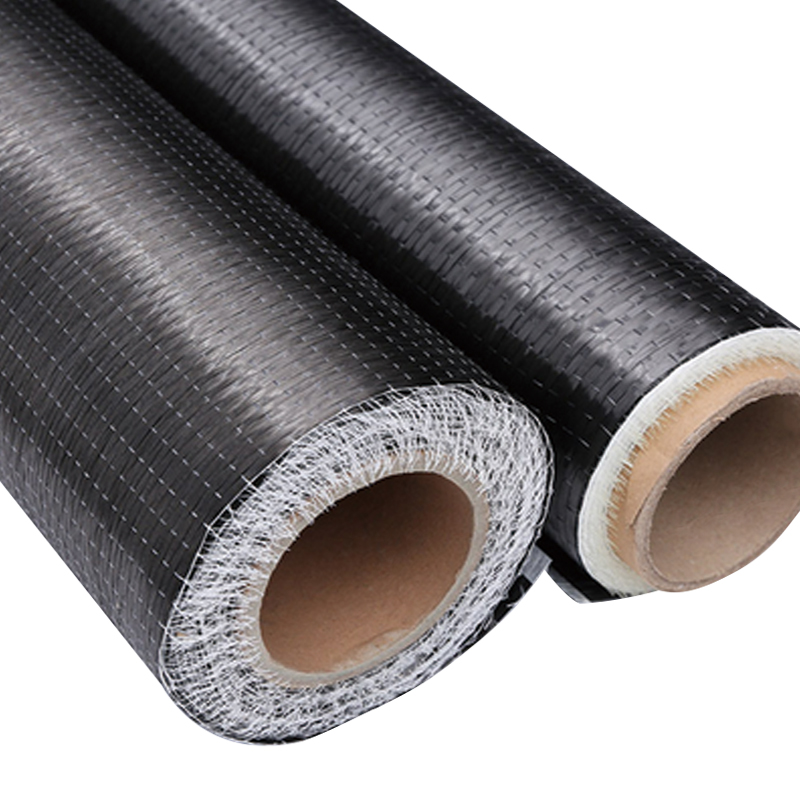
Carbon Fiber Woven Cloth
As a ODM Woven Carbon Fiber Cloth Manufacturers, we match product configuration to the application, operating limits, interfaces and acceptance criteria defined for each project.
Product > Carbon Fiber Woven Cloth
As a ODM Woven Carbon Fiber Cloth Manufacturers and supplier, Jiangyin Dongli New Materials Technology Co., Ltd. delivers woven reinforcement fabrics engineered for demanding composite applications. Operating from a 32,000-square-meter facility with climate-controlled workshops and 100,000-grade purification zones, we control the full process from fiber sizing and weaving to prepreg and final composite molding. Our range covers pure carbon weaves, aramid-carbon hybrids, and aramid fabrics, each tailored to specific structural, thermal, and impact requirements.
We serve aerospace, automotive, sports equipment, and industrial sectors where weight reduction, stiffness, and reliability are non-negotiable. Whether you need a standard 3K twill or a custom ODM weave pattern, our engineering team works from your laminate specification to produce fabric rolls that meet your process and performance targets.
Our Product Range
We offer three main fabric families, each with distinct mechanical and processing characteristics. The table below summarizes their typical applications and key properties.
| Fabric Type |
Weave Styles |
Key Properties |
Typical Applications |
| Pure Carbon Woven Fabric |
Plain, twill, satin, unidirectional (UD) |
High tensile strength, stiffness, corrosion resistance, electrical conductivity |
Aerospace structures, automotive body panels, sporting goods, industrial rollers |
| Aramid-Carbon Mixed Fabric |
Plain, twill, custom patterns (e.g., football, I-beam) |
Balanced stiffness and impact resistance, energy absorption, fatigue resistance |
Protective gear, automotive crash components, wind turbine blades, high-performance helmets |
| Aramid Fiber Woven Fabric |
Plain, twill, satin |
High temperature resistance, flame retardancy, UV resistance, chemical resistance |
Fire protection clothing, ballistic protection, insulation layers, industrial filtration |
Pure Carbon Woven Fabric
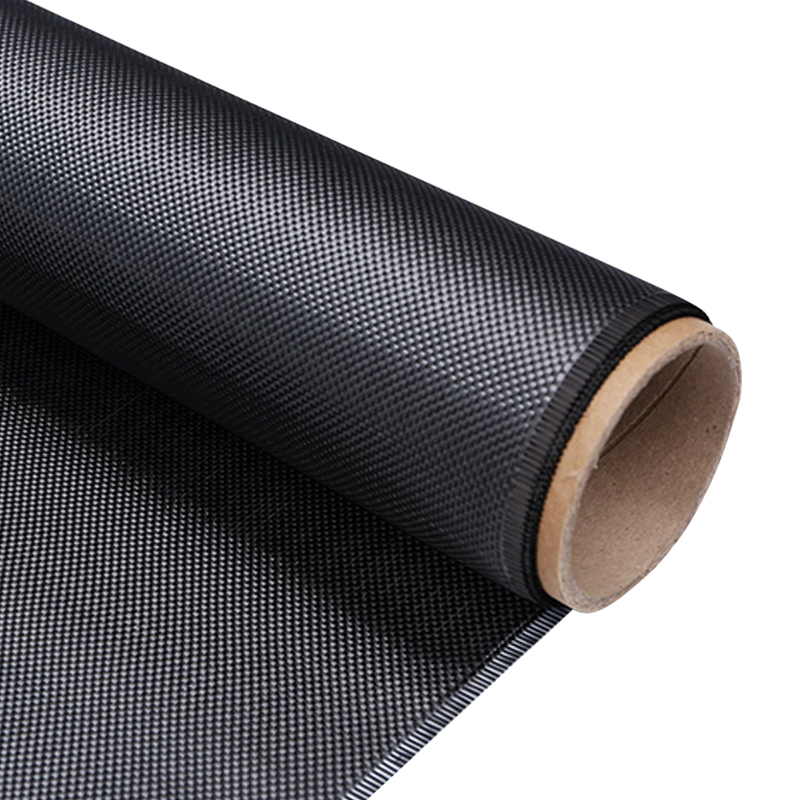
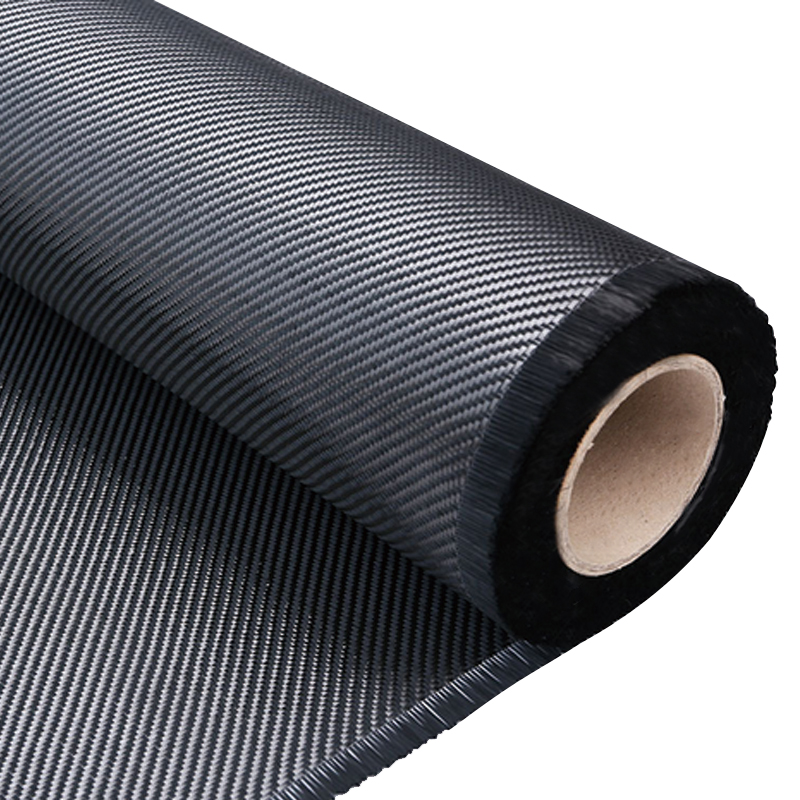
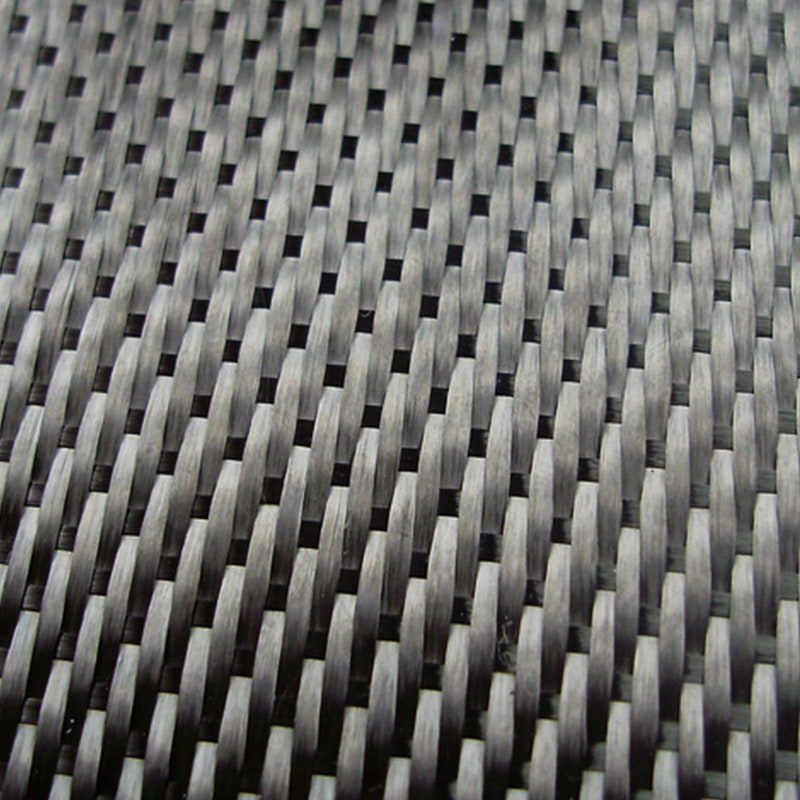
Our pure carbon fabrics are available in tow sizes from 1K to 12K and beyond, with weave patterns that influence drape and mechanical performance. Plain weave offers high stability and rigidity, ideal for flat panels and structural parts. Twill weave provides a balance of strength and formability, making it a common choice for automotive exterior and sports equipment. Satin weave, with its low crimp, conforms well to complex curves and is preferred for aerospace components. We also supply unidirectional (UD) reinforcement fabric for applications requiring directional strength.
Aramid-Carbon Mixed Fabric
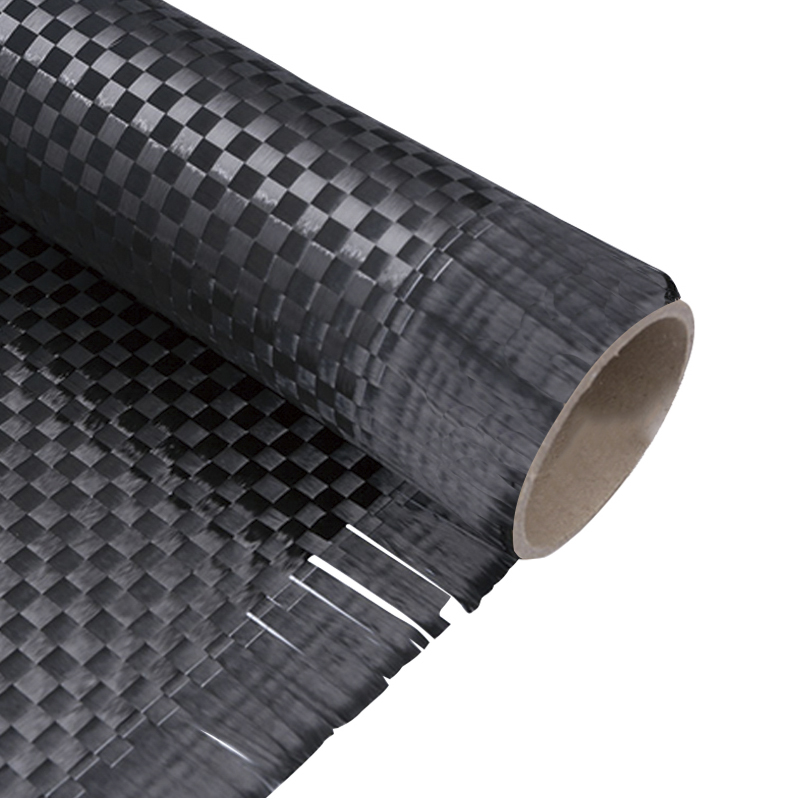
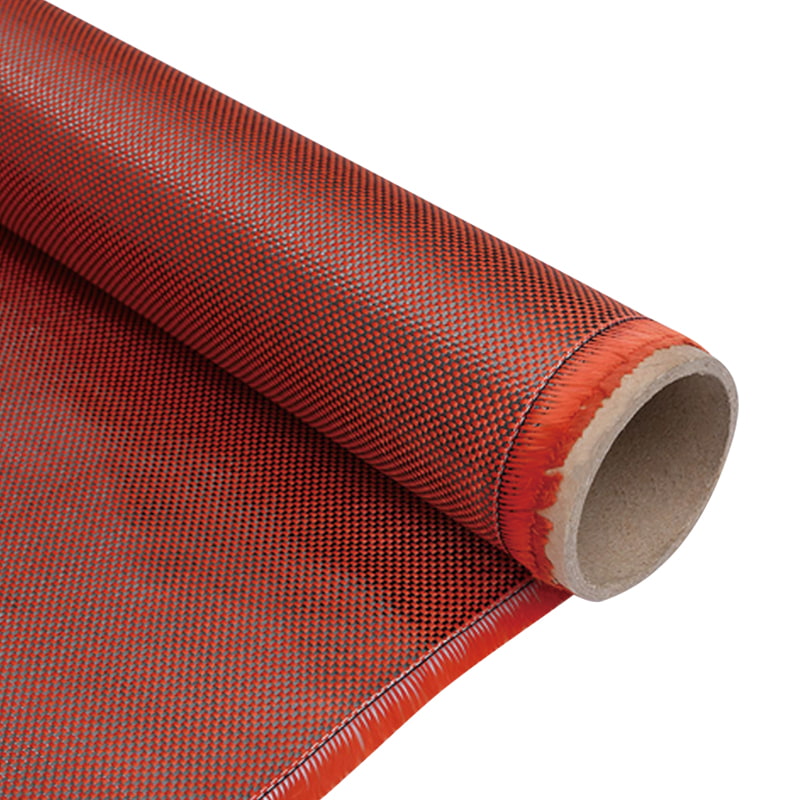
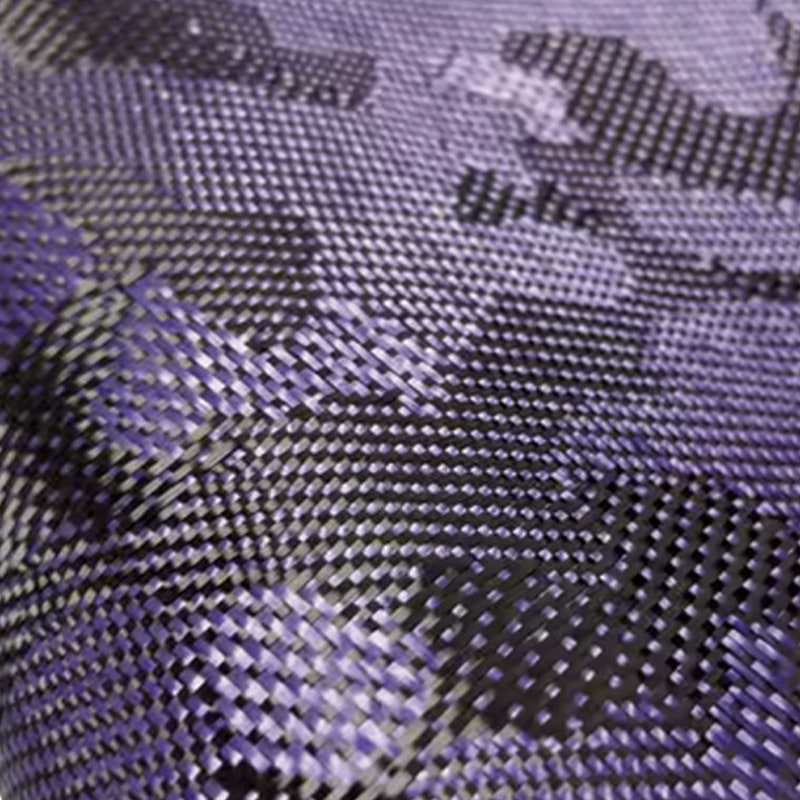
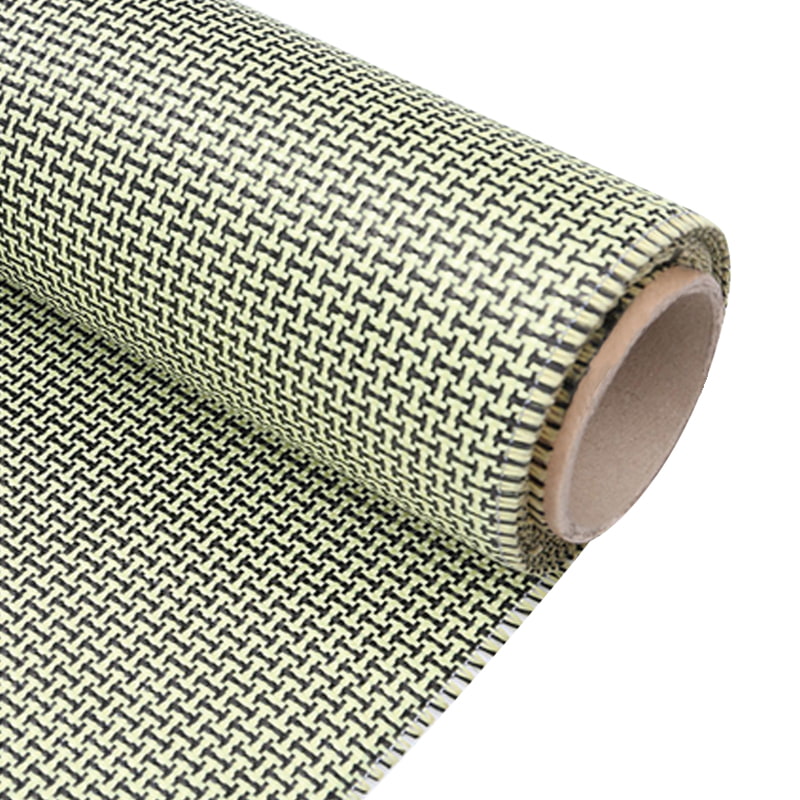
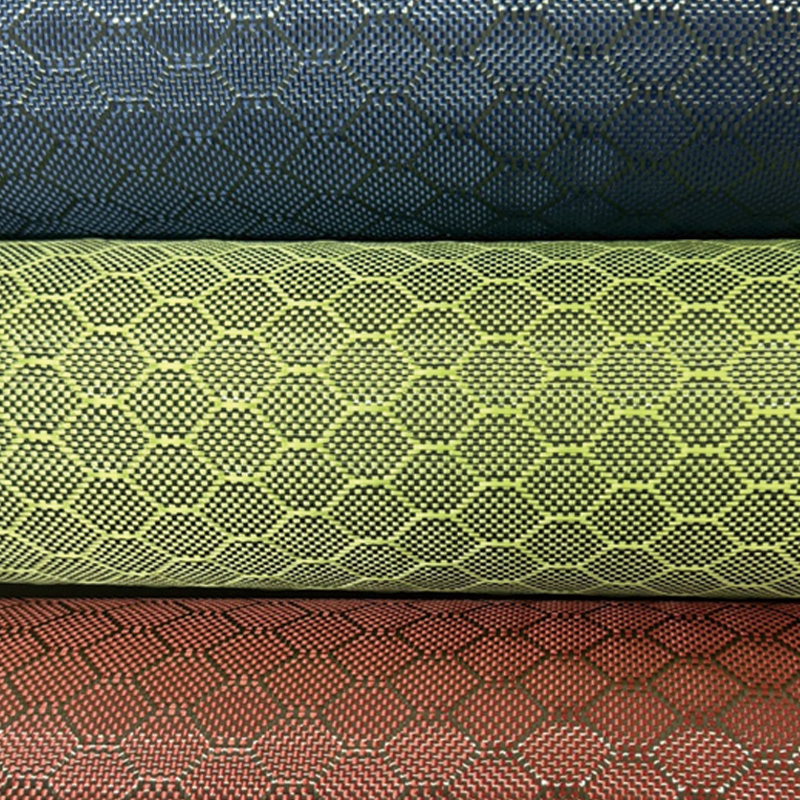
Hybridizing aramid with carbon fiber creates a material that combines carbon's high modulus with aramid's toughness and impact absorption. This synergy is critical in applications where impact resistance and damage tolerance are as important as stiffness. We offer various blend ratios and visual patterns—such as red/black, yellow/black, and football patterns—allowing you to match both performance and aesthetic requirements. These fabrics are used in protective equipment, automotive crash structures, and high-end consumer goods.
Aramid Fiber Woven Fabric
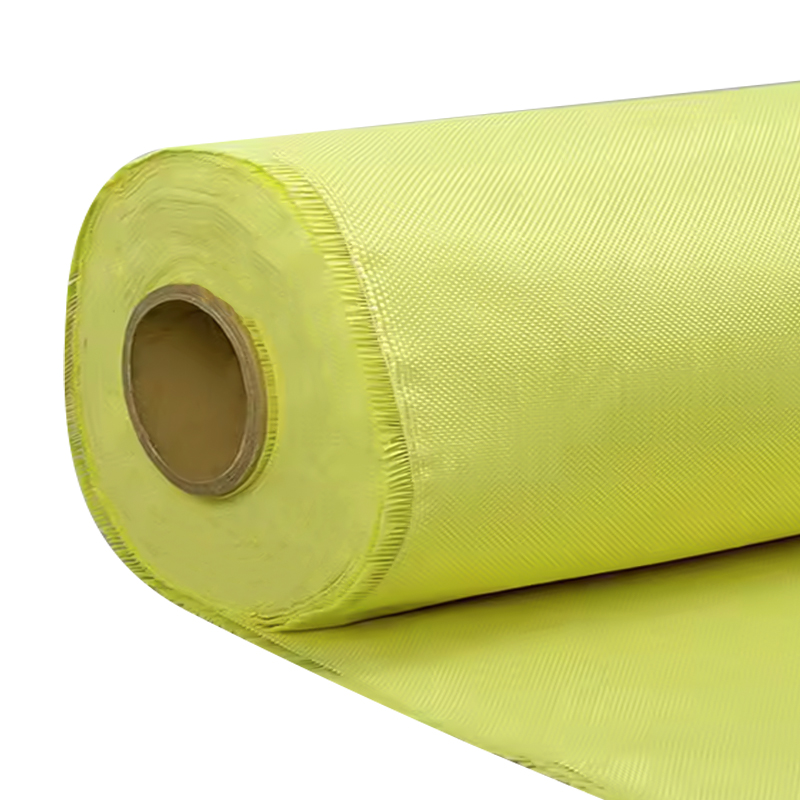
For environments demanding thermal protection and chemical stability, our aramid fabrics are engineered from meta-aramid (e.g., 1313) and para-aramid (e.g., 1414) fibers. Meta-aramid offers excellent flame resistance and is suitable for firefighting apparel and thermal barriers. Para-aramid provides high strength and is used in ballistic protection and cut-resistant applications. These fabrics can be supplied as standalone reinforcement or combined with carbon in hybrid weaves.
Engineering and Customization
We understand that each composite project has unique requirements. Our ODM capability means we can develop custom weaves, blend ratios, and fabric widths to suit your specific molding process—whether it's hand layup, resin transfer molding (RTM), vacuum infusion, or prepreg autoclave curing. We work with you to select the appropriate fiber type, tow size, areal weight, and weave architecture to achieve the desired mechanical properties and surface finish.
Our in-house weaving lines are equipped with autonomous tension control and feeding systems, ensuring consistent fabric quality. We also offer prepreg services, where our woven fabrics are pre-impregnated with epoxy or cyanate ester resins, reducing your processing time and improving laminate quality. For projects that require finished composite parts, our factory capabilities include autoclave, RTM, RMCP, PCM, WCM, and spraying technologies.
Quality Assurance and Testing
Quality is built into every stage of production. We operate under ISO 9001:2015 certification, and our facility includes a 10KN microcomputer-controlled mechanical testing machine for composite materials. Each fabric lot is inspected for visual defects, areal weight consistency, and weave integrity. For critical applications, we can provide mechanical test data on tensile strength, flexural modulus, and interlaminar shear strength, based on your laminate specifications.
Our climate-controlled workshops and purification zones minimize contamination, ensuring that fabrics meet the cleanliness standards required for aerospace and medical applications. We also maintain traceability from raw fiber to finished roll, allowing full material certification if needed.
Information We Use to Configure Your Solution
To prepare an accurate quotation and technical proposal, we need the following project details:
- Application and end-use environment – e.g., aerospace primary structure, automotive trim, ballistic protection.
- Required mechanical properties – tensile strength, modulus, impact resistance, or specific laminate layup.
- Fiber type and tow size – carbon (1K, 3K, 12K, etc.), aramid (meta or para), or hybrid blend ratio.
- Weave pattern and areal weight – plain, twill, satin, UD, or custom pattern; target g/m².
- Fabric width and roll length – standard widths (e.g., 1000mm, 1250mm) or custom.
- Resin system compatibility – epoxy, cyanate ester, polyester, or other; whether prepreg is needed.
- Processing method – hand layup, RTM, vacuum infusion, autoclave, or compression molding.
- Quantity and delivery schedule – annual volume, order frequency, and target lead time.
With this information, our engineers can recommend the optimal fabric construction and provide samples for evaluation before full production.
Packaging and Delivery
All fabric rolls are protected with moisture-barrier packaging and edge protection to prevent damage during transit. We export worldwide, with experience in international shipping documentation and customs compliance. Our logistics team coordinates with your freight forwarder to ensure timely delivery, whether by air or sea.
Frequently Asked Questions
What is the difference between plain, twill, and satin weave carbon fiber?
Plain weave has a 1x1 pattern, offering high stability and rigidity but lower drape. Twill weave (e.g., 2x2) provides a balance of strength and formability, making it easier to conform to curves. Satin weave (e.g., 4HS, 8HS) has fewer interlacing points, resulting in a smoother surface and better drape, ideal for complex shapes.
Can you produce custom weave patterns or blend ratios?
Yes, as an ODM manufacturer, we can develop custom weaves and blend ratios to meet your specific performance and aesthetic requirements. Provide your target properties, and we will engineer the fabric accordingly.
Do you supply prepreg versions of your woven fabrics?
We offer prepreg services for our fabrics, using epoxy or cyanate ester resins. This ensures consistent resin content and simplifies your molding process. Contact us with your resin system preference.
What quality certifications do you hold?
Our facility is ISO 9001:2015 certified. We also have in-house mechanical testing capabilities to verify laminate properties as required.
What is the minimum order quantity?
MOQ varies by product type and customization level. For standard fabrics, we can accommodate smaller trial orders. For custom ODM weaves, a higher MOQ may apply. Contact us to discuss your project.
 中文简体
中文简体 عربى
عربى Tiếng Việt
 Get In Touch
 English

 +86-13961668677
 No. 61, Xingyuan Road, Jiefang Village, Gushan Town, Jiangyin City, Jiangsu Province, China.