Basalt/Metallic Thread Carbon Fiber Woven Fabric Manufacturers
As a Basalt/Metallic Thread Carbon Fiber Woven Fabric Manufacturers, we match product configuration to the application, operating limits, interfaces and acceptance criteria defined for each project.
We are Jiangyin Dongli New Materials Technology Co., Ltd., a China-based manufacturer and factory specializing in high-performance fiber woven fabrics. Our Other Material Fiber Woven Cloth category covers basalt fiber and metallic-polyester filament fabrics, engineered for demanding composite and industrial textile applications. With full in-house weaving, prepreg, and molding capabilities, we supply fabrics that meet strict mechanical, thermal, and electrical requirements.
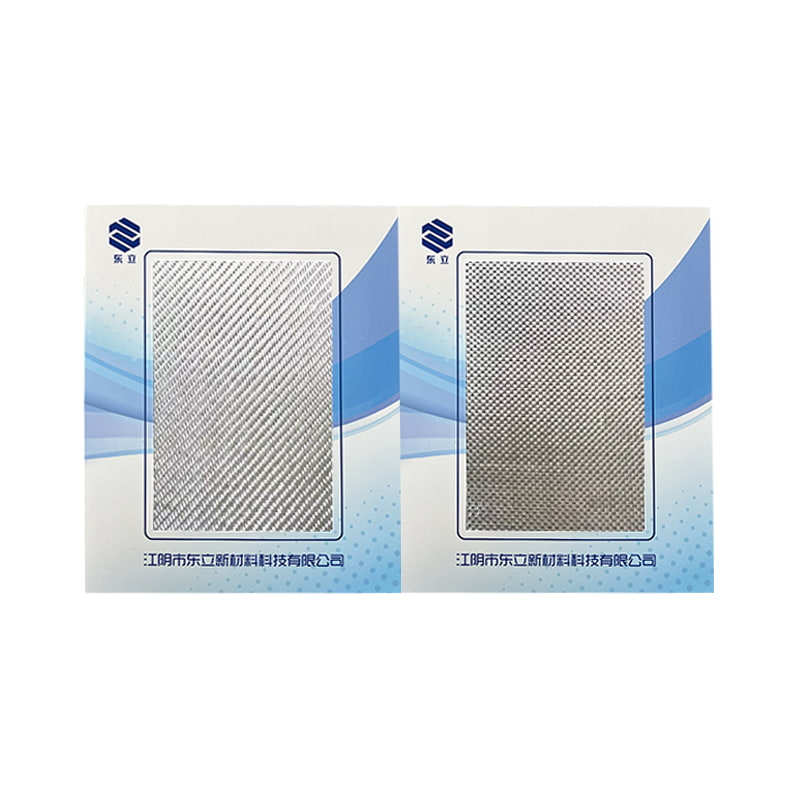
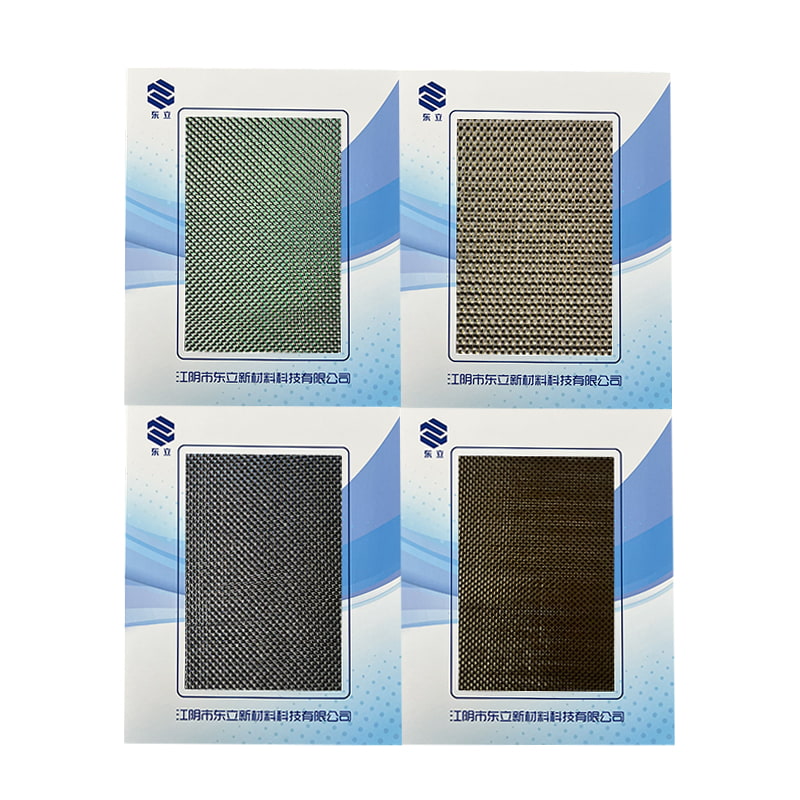
Our range includes twill and plain basalt fabrics for structural reinforcement and high-temperature insulation, plus metallic-polyester fabrics for ESD protection, reflective surfaces, and decorative technical textiles. We support custom widths, weave patterns, and resin-compatible sizings, backed by a 32,000 m² facility with climate-controlled workshops and 100,000-grade purification areas.
Product Range and Application Fit
| Fabric Type |
Key Characteristics |
Typical Applications |
| Basalt Fiber Woven Fabric (Plain/Twill) |
High-temperature resistance (-260°C to +650°C), tensile strength, corrosion resistance, non-combustible |
Aerospace heat shields, automotive engine compartments, structural reinforcement, fire protection, wind power blades |
| Metallic and Polyester Filament Woven Fabric |
Permanent antistatic, reflective, durable, crease-resistant, customizable metallic fiber ratio (5-30%) |
ESD protective apparel, architectural interiors, industrial filtration, luxury textiles |
Basalt Fiber Woven Fabric: Engineering for High-Temperature and Structural Use
Basalt fiber is derived from natural volcanic rock melted and drawn into continuous filaments. Our plain weave offers maximum stability and low yarn slippage, ideal for flat surfaces and precise cutting. Twill weave (2x2, 4x4) provides better drapability, conforming to complex 3D molds without wrinkling—essential for curved aerospace or automotive components.
We supply basalt fabrics in weights from 200 to 600 g/m², with filament diameters of 9–13 μm. The material outperforms E-glass in tensile strength and offers superior chemical resistance. It remains stable up to 650°C without melting or off-gassing, making it suitable for fire blankets, welding curtains, and thermal barriers.
For composite fabrication, we apply sizings compatible with epoxy, polyester, or vinyl ester resins. Custom widths up to 2,000 mm are available. Our technical team can recommend the optimal weave and finish based on your resin system and curing process.
Metallic and Polyester Filament Fabric: Conductive and Reflective Textiles
This fabric interlocks high-tenacity polyester filaments with metallic yarns to combine mechanical durability with electrical conductivity and a distinct luster. The metallic content provides a permanent conductive path, dissipating static electricity without relying on chemical coatings that wear off. Surface resistivity is controlled by adjusting the metallic fiber ratio from 5% to 30% by weight.
Available in plain, twill, or jacquard weaves, with widths from 150 to 300 cm, this fabric meets ISO 105-B02 color fastness grade 4-5. It is RoHS compliant. Applications include ESD workwear for electronics manufacturing, anti-spark filtration systems, and architectural sun-shading where thermal reflection is beneficial.
We can test antistatic performance per EN 1149-3 upon request. For storage, keep the fabric in a dry environment below 60% RH to prevent oxidation of metallic fibers.
Quality Assurance and Production Capabilities
Our factory operates under ISO 9001:2015 certification, ensuring consistent quality across all woven fabrics. We maintain a daily loom output of 4,000 m², supported by autonomous tension control and feeding systems. In-house testing includes mechanical strength, thermal stability, and electrical conductivity measurements.
We perform incoming material inspection, in-process monitoring, and final acceptance testing. For basalt fabrics, we verify weight, weave density, and sizing compatibility. For metallic fabrics, we measure surface resistivity and color fastness. Each batch can be traced to its production parameters.
Configuration and Customization
We offer tailored solutions based on your application requirements. For basalt fabrics, you can specify weave type, areal weight, width, and sizing chemistry. For metallic fabrics, choose metallic fiber type (e.g., copper, stainless steel, or silver-coated), ratio, weave pattern, and width. We also provide custom cutting, slitting, and roll packaging.
Our engineering team supports product and mold design, ensuring the fabric integrates seamlessly with your composite process—whether autoclave, RTM, or hot pressing. We can adjust process parameters such as temperature, pressure, and time to optimize resin infiltration and final part performance.
Information We Use to Configure Your Solution
To prepare an accurate quotation and technical proposal, we need the following details:
- Fabric type (basalt or metallic-polyester) and intended application
- Required dimensions: width, length, and roll weight
- Weave style (plain, twill, or custom) and areal weight (g/m²)
- Resin system to be used (epoxy, polyester, vinyl ester, etc.)
- For metallic fabrics: desired metallic fiber ratio and conductivity level
- Operating environment: temperature range, chemical exposure, UV requirements
- Any compliance standards (e.g., EN 1149-3, RoHS, UL94)
- Production volume and delivery schedule
With this information, we can recommend the most cost-effective material configuration and provide samples for validation.
Handling, Installation, and Maintenance
Proper handling ensures fabric performance. Store basalt fabric in its original moisture-proof packaging until use, in a vertical position to avoid creasing, and maintain a temperature between 15°C and 35°C. Use carbide-tipped or diamond blades for cutting to prevent fraying. Operators should wear gloves and masks to avoid skin irritation from basalt filaments.
For metallic-polyester fabric, avoid prolonged UV exposure during storage. Clean with neutral detergents only; do not use bleach or strong oxidizing agents. If ironing is required, set the temperature below 110°C to prevent melting polyester filaments.
Documentation and Support
We provide technical data sheets, safety data sheets, and material certificates with each shipment. Our team offers installation guidance and after-sales support. For large projects, we can coordinate logistics and provide samples for pre-production testing.
FAQs
What is the minimum order quantity for custom basalt or metallic fabrics?
MOQ varies by fabric type and customization level. For standard widths and weaves, we can accommodate small trial orders. Contact us with your specifications to receive a tailored quote.
Can you supply basalt fabric with a specific sizing for epoxy resin?
Yes, we offer sizings compatible with epoxy, polyester, and vinyl ester resins. Specify your resin system, and we will apply the appropriate finish to ensure optimal wet-out and adhesion.
How do you ensure the metallic fabric's antistatic performance is consistent?
We control the metallic fiber ratio and weaving density precisely. Each batch is tested for surface resistivity, and we can provide EN 1149-3 test reports upon request.
What is the typical lead time for woven fabric orders?
For standard products, delivery is within 20 days after order confirmation. Customized orders may require additional time for material sourcing and weaving setup.
Do you provide samples for evaluation?
Yes, we can send samples of our standard fabrics. For custom formulations, we may charge a sample fee, which is credited toward your first production order.
 中文简体
中文简体 عربى
عربى Tiếng Việt
 Get In Touch
 English

 +86-13961668677
 No. 61, Xingyuan Road, Jiefang Village, Gushan Town, Jiangyin City, Jiangsu Province, China.