Carbon Fiber Automotive Industry Parts Suppliers
Jiangyin Dongli New Materials Technology Co., Ltd. is a China-based manufacturer and supplier of carbon fiber automotive components. We operate a 32,000-square-meter factory with climate-controlled workshops and 100,000-grade purification zones, giving us full control over the production chain from fiber weaving and prepreg to final molding. Our automotive range covers body panels, chassis structural parts, interior trim, and aerodynamic accessories, all engineered to reduce vehicle weight while meeting the mechanical and aesthetic demands of modern vehicles.
As a one-stop factory, we combine material innovation with engineering expertise. We produce our own carbon fiber fabrics and prepregs, and we use processes such as autoclave, RTM, RMCP, PCM, WCM, and spraying to form complex special-shaped parts. This vertical integration allows us to control quality at every step and to offer competitive pricing for both prototype and production series.
Our Automotive Product Range
We supply a broad spectrum of carbon fiber parts for passenger cars, electric vehicles, and motorcycles. The table below outlines typical applications and the value we bring to each component type.
| Component Category |
Typical Parts |
Key Benefits |
| Body Panels |
Hoods, fenders, roof panels, door skins |
Weight reduction, improved fuel economy, enhanced appearance |
| Chassis Structural Parts |
Subframes, suspension arms, crash structures |
High stiffness, vibration damping, improved handling |
| Interior Trim |
Center consoles, dashboard trim, door panels |
Lightweight, premium texture, customizable finish |
| Aerodynamic Accessories |
Spoilers, diffusers, splitters |
Reduced drag, increased downforce, sporty look |
| Motorcycle Components |
Skid plates, fenders, bodywork |
Ultra-light (e.g., 250g skid plate), corrosion resistance |
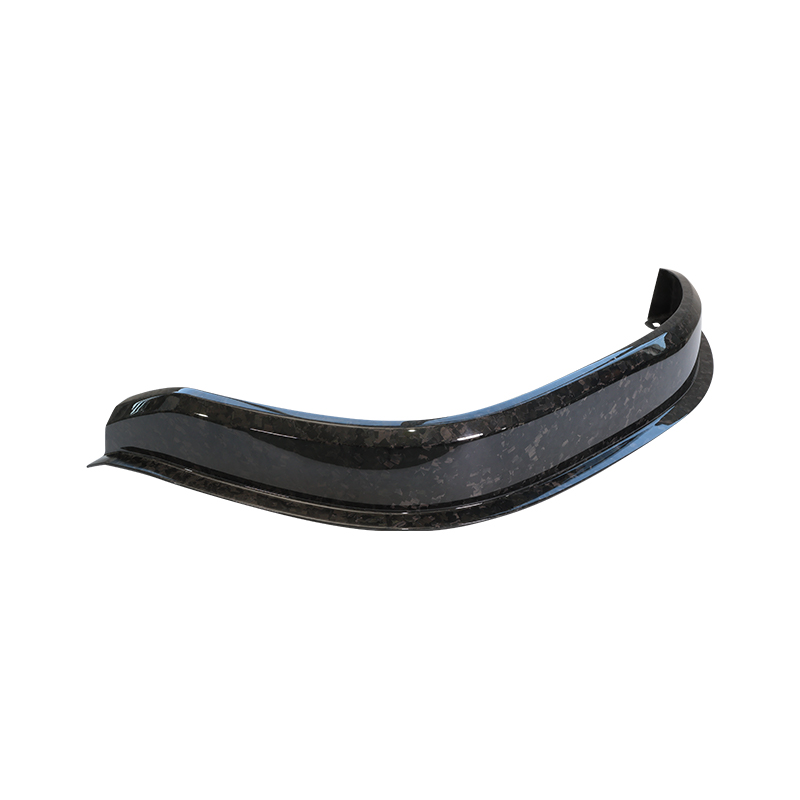
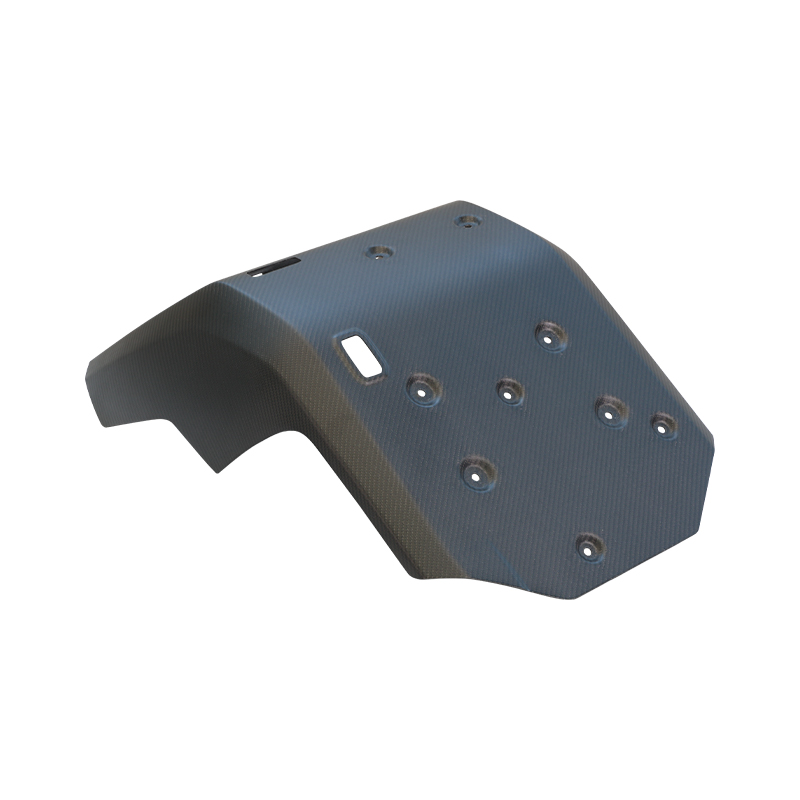
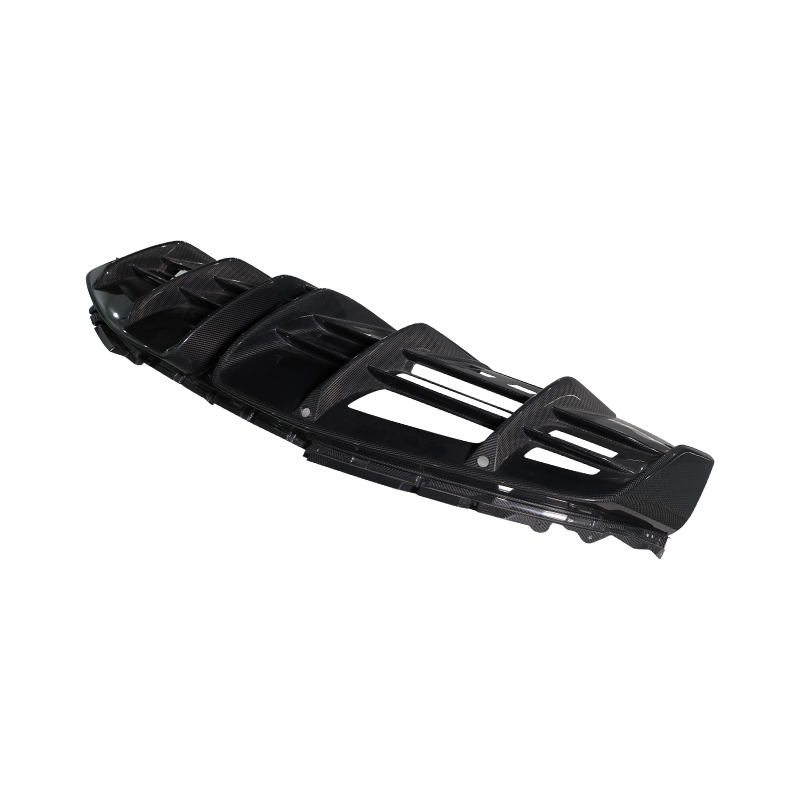
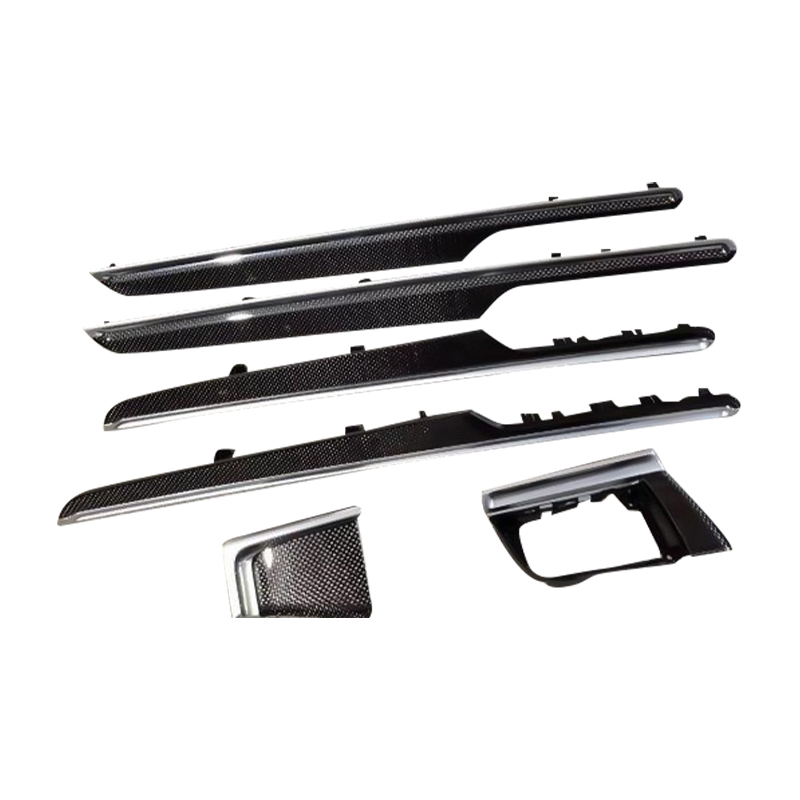
Our featured products include a Carbon Fiber Automotive Industry Parts Suppliers range that demonstrates our capability to produce durable, lightweight wheel fenders, motorcycle underbody guards, and upper spoilers for models like the Zeekr 001. Each part is designed with a specific function in mind, whether it is reducing front axle weight or improving aerodynamic efficiency.
Engineering and Process Control
The performance of a carbon fiber part depends on precise control of fiber orientation and layup sequence. We use CAE simulation to analyze stress distribution under real-world loads, then design the ply schedule to match. For example, a chassis component that experiences high shear during braking will have fibers oriented accordingly, while a body panel may prioritize surface finish and impact resistance.
During layup, our technicians use optical detection systems to monitor ply direction and detect any bubbles or gaps in real time. This ensures that each layer is placed accurately and consolidated properly. We then cure parts using autoclave or other molding processes with tightly controlled temperature, pressure, and time profiles to achieve a dense, void-free structure.
We also offer a range of material options, including our own Carbon Fiber Woven Cloth and Prepreg products, which can be tailored to your specific strength and stiffness requirements.
Quality Assurance and Testing
Every automotive part we produce undergoes rigorous inspection. We use ultrasonic testing to detect internal defects such as delamination or voids, and we perform mechanical tests—tensile, bending, compression—on sample parts to verify they meet design specifications. Our factory is equipped with a 10KN microcomputer-controlled mechanical testing machine for composite materials, and we follow ISO 9001:2015 quality management practices.
For each project, we provide documentation that includes material certificates, dimensional inspection reports, and test results. This ensures full traceability from raw material to finished part.
Customization and Project Support
We understand that automotive projects often require custom shapes and finishes. We work from your drawings or samples to develop tooling and production processes. Our capabilities include:
- Custom fiber architecture (unidirectional, woven, or hybrid)
- Choice of resin systems (epoxy, cyanate ester, etc.)
- Surface finishes: matte, gloss, clear coat, or painted
- Integration of inserts, brackets, or fasteners
- Low-volume prototyping to high-volume series production
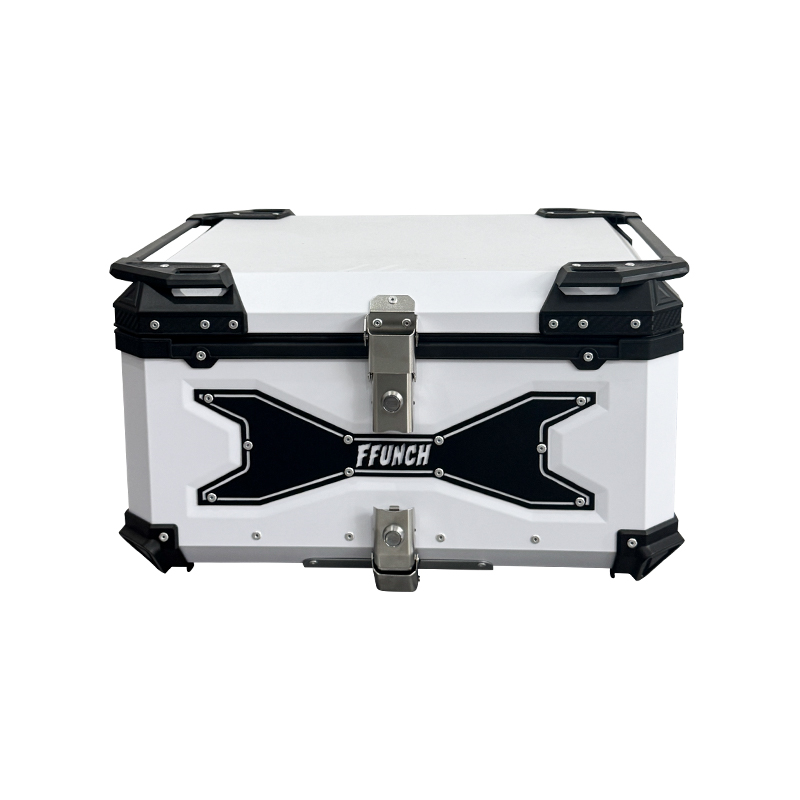
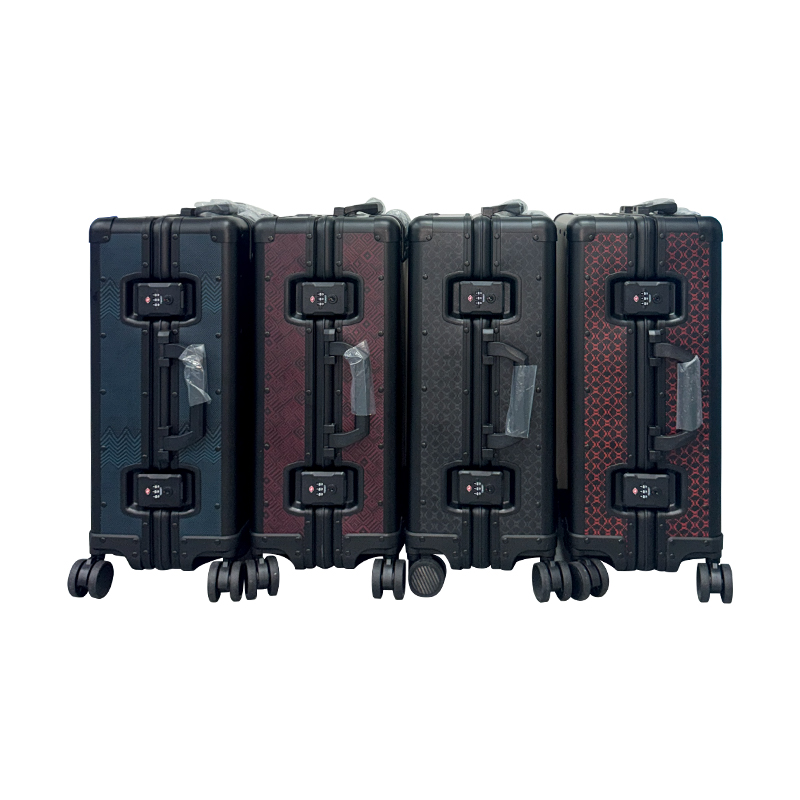
Our ODM services are available for complete part development, as seen in our ODM category, where we have produced items like carbon fiber suitcases and delivery boxes. For automotive, we can manage the entire process from concept to production.
Information We Use to Configure Your Solution
To prepare an accurate proposal and quotation, we need the following details from you:
- Part name and function (e.g., hood, spoiler, structural arm)
- 2D drawings or 3D CAD files (STEP, IGES, or similar)
- Material specification: fiber type, areal weight, resin system
- Performance requirements: mechanical loads, temperature range, impact resistance
- Surface finish and appearance requirements
- Annual volume and target production rate
- Any applicable industry standards or test requirements
With this information, our engineers will propose the optimal manufacturing process, ply schedule, and tooling approach. We will also provide a delivery timeline—typically within 20 days for normal production volumes—and confirm payment terms that suit your procurement process.
Frequently Asked Questions
Can you produce parts that meet automotive OEM quality standards?
Yes. Our manufacturing processes are designed to meet the stringent requirements of the automotive industry. We use precise layup control, autoclave curing, and comprehensive testing to ensure parts have consistent mechanical properties and dimensional accuracy. We can also adapt to specific OEM standards if you provide them.
What is the minimum order quantity for custom parts?
There is no fixed MOQ. We support both prototyping and mass production. For prototypes, we can produce single pieces to validate design and performance. For series production, we work with you to optimize cost and lead time based on your volume.
How do you ensure the quality of the carbon fiber material?
We produce our own carbon fiber fabrics and prepregs, giving us full control over material quality. Each batch is tested for fiber areal weight, resin content, and mechanical properties. Incoming materials are also inspected to meet our specifications.
Can you match a specific weave pattern or finish?
Yes. We offer various weave styles—plain, twill, satin, and unidirectional—and can produce custom patterns if required. Surface finishes can be matte, glossy, or with a clear coat to achieve the desired look.
What is your typical lead time for production?
For normal volume production, delivery is typically within 20 days after approval of samples and receipt of deposit. Prototype lead times are shorter and depend on complexity.
 中文简体
中文简体 عربى
عربى Tiếng Việt
 Get In Touch
 English

 +86-13961668677
 No. 61, Xingyuan Road, Jiefang Village, Gushan Town, Jiangyin City, Jiangsu Province, China.