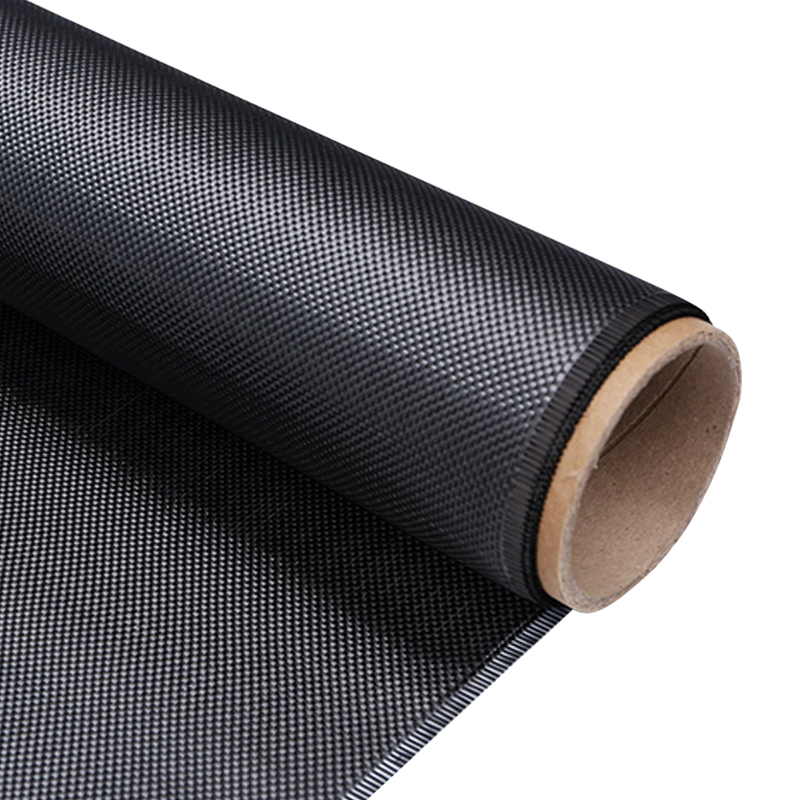
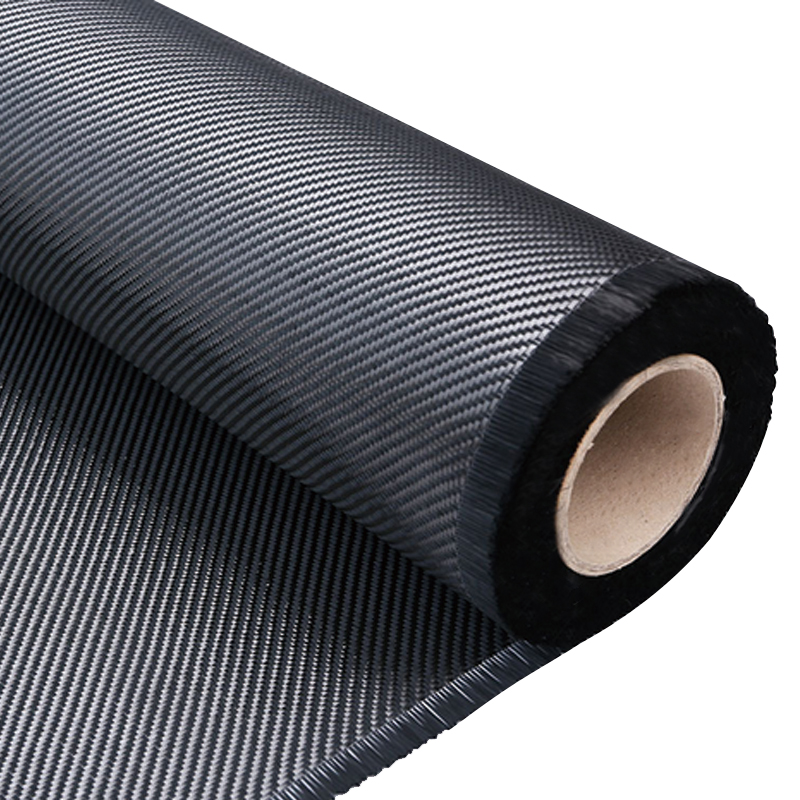
Custom Carbon Fiber Unidirectional Fabric
Home / Product / Carbon Fiber Woven Cloth / Pure Carbon Woven Fabric / Highly Flexible Carbon Fiber Unidirectional UD Reinforcement Fabric
  • Highly Flexible Carbon Fiber Unidirectional UD Reinforcement Fabric
  • Highly Flexible Carbon Fiber Unidirectional UD Reinforcement Fabric
  • Highly Flexible Carbon Fiber Unidirectional UD Reinforcement Fabric
  • Highly Flexible Carbon Fiber Unidirectional UD Reinforcement Fabric

Highly Flexible Carbon Fiber Unidirectional UD Reinforcement Fabric

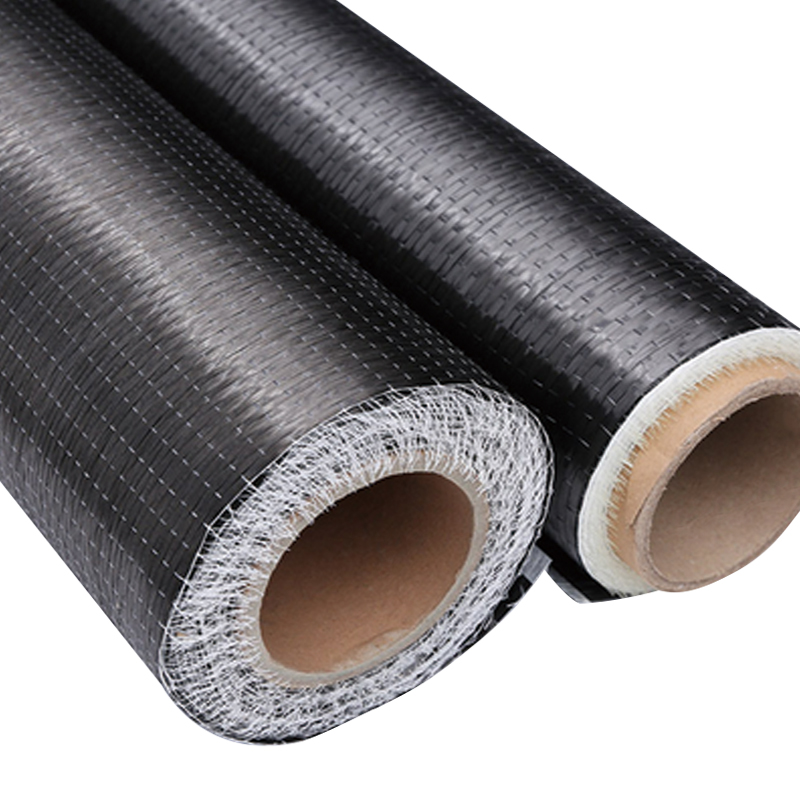
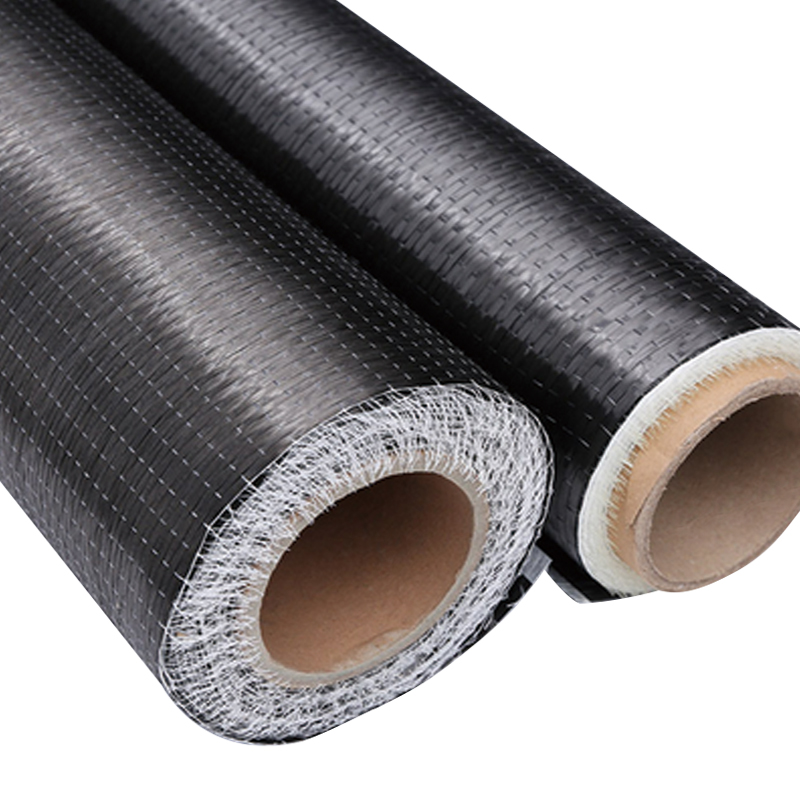
Highly flexible carbon fiber unidirectional UD reinforcement cloth is a high-performance composite material that uses unidirectionally arranged carbon fibers as reinforcement materials. It has strength, modulus and fatigue resistance. Its flexibility makes it easier to fit complex structural surfaces and is suitable for reinforcing substrates of various shapes. It is widely used in the repair and reinforcement of buildings, bridges and industrial equipment. Compared with traditional steel, it is lighter, more corrosion-resistant, and has convenient and efficient construction.
Contact Us
Parameter

Product Characteristics

  • Lightweight, density is only 1/4 of steel. 
  • High strength
  • High flexibility and high applicability for components with complex shapes.
  • Convenient construction, no large machinery required, high construction efficiency.
  • Corrosion-resistant, acid-resistant, alkali-resistant, salt-resistant, and resistant to various harsh environments.
 Reinforcement Tensile Intensity Tensile Modulus  Elongation Weight(g/㎡)
T300-12000 ≥3500Mpa ≥230Gpa ≥1.5% 198
T300-12000 ≥3500Mpa ≥230Gpa ≥1.5% 396
T700S-12000 ≥4900Mpa ≥240Gpa ≥2.1% 400
T700S-12000 ≥4900Mpa ≥240Gpa ≥2.1% 800
T800S-12000 ≥5800Mpa ≥294Gpa ≥2.0% 515
T800S-12000 ≥5800Mpa ≥294Gpa ≥2.0% 1030
Applications: reinforcement of beams, columns, walls, floor slabs, piers and beam-column structure points of building components.

We can design and produce fabrics according to customers' requirements (the above is only a part of the display)

UNIDIRECTIONAL · TENSILE GRADE
Highly Flexible Carbon Fiber UD Reinforcement Fabric
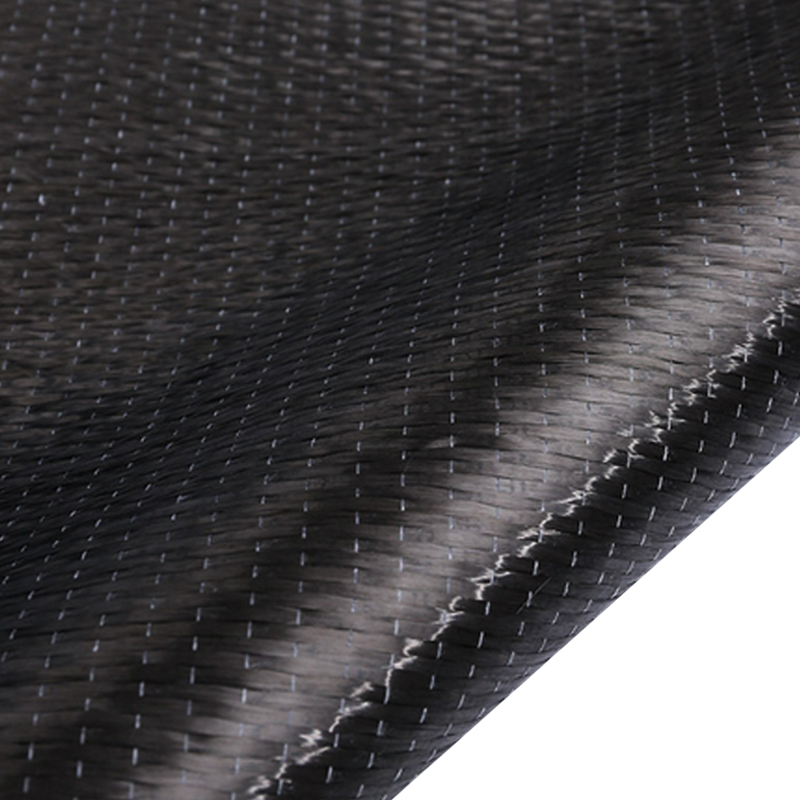
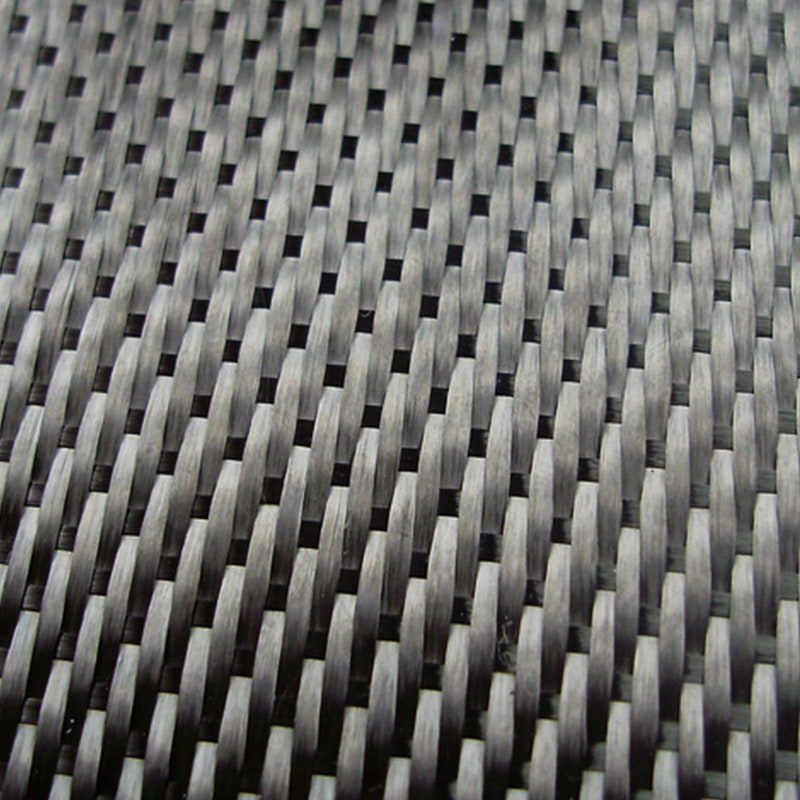
Unidirectional carbon fiber reinforcement fabric manufactured from Toray T700S and T800S continuous filaments. Fiber areal weight ranges from 100 gsm to 600 gsm with optional thermoplastic or epoxy-compatible sizing. The fabric structure consists of parallel carbon fibers held together by a lightweight scrim or weft yarn, providing 85-95 percent fiber alignment in the primary load direction. This material exhibits a tensile modulus of 230-294 GPa and tensile strength of 4,900-5,900 MPa, depending on the fiber grade selected. The flexible binder system allows the fabric to conform to curved mold surfaces without fiber buckling or crimp-induced stress concentrations.
100-600 gsmAreal weight range
230-294 GPaTensile modulus
4,900-5,900 MPaTensile strength
Core advantages
01
High fiber alignment
85-95 percent of fibers oriented in the load direction, maximizing specific stiffness and strength per unit weight of composite laminate.
02
Flexible binder system
Thermoplastic powder or epoxy-based sizing maintains fabric pliability for hand layup and automated tape placement operations without fiber distortion.
03
Uniform thickness control
Fiber spreader technology achieves thickness tolerance of plus/minus 5 percent, reducing resin-rich areas and improving laminate consolidation.
04
Tailorable fiber weight
Available in 100 gsm increments from 100 to 600 gsm, allowing precise matching of laminate ply schedule to structural requirements.
Technical specifications
Fiber typeToray T700S / T800S / T1100G
Sizing optionsEpoxy-compatible / Thermoplastic (PA, PPS)
Fiber areal weight100, 150, 200, 300, 400, 600 gsm
Standard width300 mm, 600 mm, 1,200 mm
Scrim materialPolyester / Glass fiber / None
Shelf life12 months at 5-25°C, <60% RH
Application scenarios
[A]
Aerospace structures: Wing spars, fuselage stiffeners, and control surface ribs requiring unidirectional reinforcement to resist bending loads.
[B]
Automotive components: Crash boxes, B-pillars, and structural battery trays where tailored stiffness reduces overall vehicle mass.
[C]
Sports equipment: Bicycle frames, fishing rods, and hockey sticks requiring high specific stiffness with controlled flexural response.
[D]
Wind energy: Spar caps and shear webs for composite wind turbine blades, delivering fatigue resistance over 20-year service life.
Material notes
Fiber alignment verification: Angle deviation from the intended 0-degree orientation is maintained below 1.5 degrees, verified by optical microscopy per ASTM D6856.
Impregnation compatibility: Sizing chemistry matched to epoxy, vinyl ester, and polyester resin systems. Compatibility with BMI and cyanate ester resins available upon request.
Vacuum consolidation: Recommended degassing procedure prior to resin infusion to eliminate trapped air between tows and achieve fiber volume fraction of 55-65 percent.
Handling and storage
01 Store fabric in sealed plastic bags with desiccant to prevent moisture absorption, which may affect sizing performance and resin wet-out characteristics.
02 Cut using straight knives or automated cutting tables; avoid sharp bends or creasing that can introduce fiber misalignment or breakage.
03 Remove protective backing film immediately before layup. Fabric exposed to ambient conditions for more than 8 hours should be conditioned in the layup environment.
04 Roll tension during dispensing should not exceed 5 N to prevent stretching of the thermoplastic binder scrim.
Common questions
How to determine the correct areal weight for a layup?
Calculate required laminate thickness using fiber volume fraction formula: t = (weight per area) / (fiber density x Vf). For 300 gsm fabric at 60 percent Vf, cured ply thickness is approximately 0.27 mm.
Can UD fabric be used in combination with woven fabrics?
Yes. UD layers placed in multiple orientations (0°, 90°, ±45°) can be interleaved with woven fabric surface layers to improve surface finish and impact resistance while maintaining stiffness.
Optimal curing cycle for epoxy-impregnated UD fabric
Recommended cure: 120°C for 2 hours, post-cure at 180°C for 2 hours (for automotive and aerospace epoxies). Vacuum bag pressure minimum 0.08 MPa. Heat-up rate 2-3°C per minute.
What is the maximum ply drop-off angle allowed?
Plies can be terminated with a 10:1 ramp ratio (length:thickness) to prevent stress concentration at ply drop locations. Stagger termination points by 5-10 mm.
About Us
Jiangyin Dongli New Materials Technology Co., Ltd.
Founded in 2018, Jiangyin Dongli New Materials Technology Co., Ltd. specializes in the comprehensive development and manufacturing of high-performance fiber composite materials. We are China Carbon Fiber Unidirectional Fabric Manufacturers and Custom Carbon Fiber Unidirectional Fabric Factory. Located in a 32,000-square-meter industrial complex, the company features precision-controlled production environments, including climate-regulated workshops and 100,000-grade purification zones.
As a one-stop factory with full process control, we integrate material innovation with engineering expertise to serve industries such as aerospace, automotive and sports equipment development. Our capabilities include the R&D and production of high-performance fiber fabrics through weaving and prepreg processes, as well as composite products utilizing autoclave, RTM, RMCP, PCM, WCM, and spraying technologies.
Certificate Of Honor
News
Get In Touch