 Get In Touch
 English
  中文简体
中文简体 عربى
عربى Tiếng Việt
Content
- 0.1 1. Understanding UV Sensitivity of Aramid Fibers
- 0.2 2. Selecting UV-Resistant Resin Systems
- 0.3 3. Applying Protective Surface Coatings
- 0.4 4. Evaluating Outdoor Performance
- 0.5 5. Strategies for Maintaining Mechanical Property Retention
- 1 FAQs
- 1.1 1. How does UV radiation affect carbon aramid fabric?
- 1.2 2. What are the best options for aramid fiber epoxy resin selection?
- 1.3 3. Which UV resistant carbon aramid composites coatings are recommended?
- 1.4 4. How can we evaluate outdoor performance carbon aramid fabric?
- 1.5 5. What measures ensure mechanical property retention UV exposure?
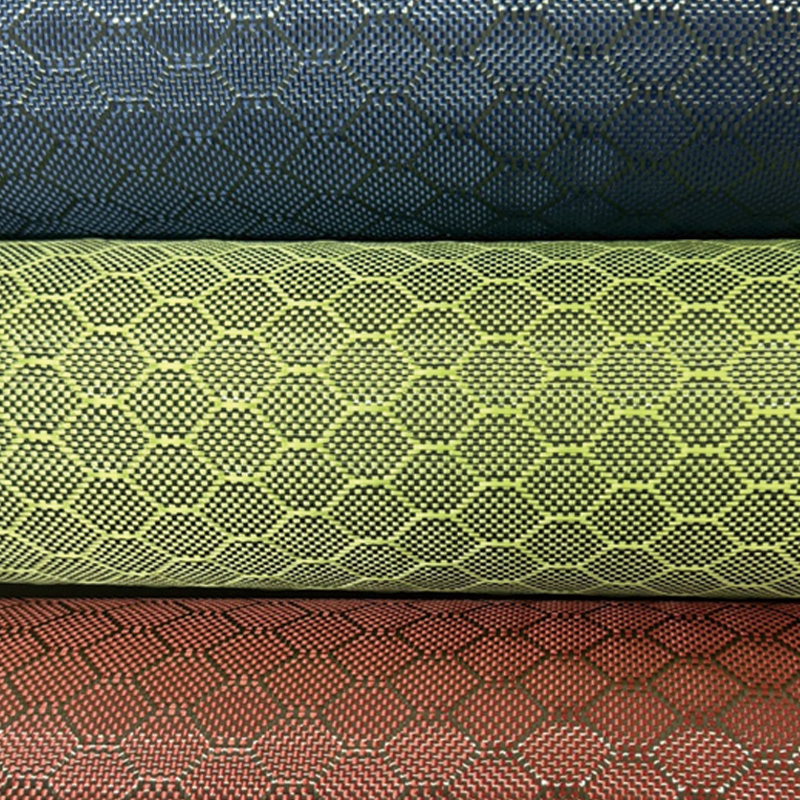
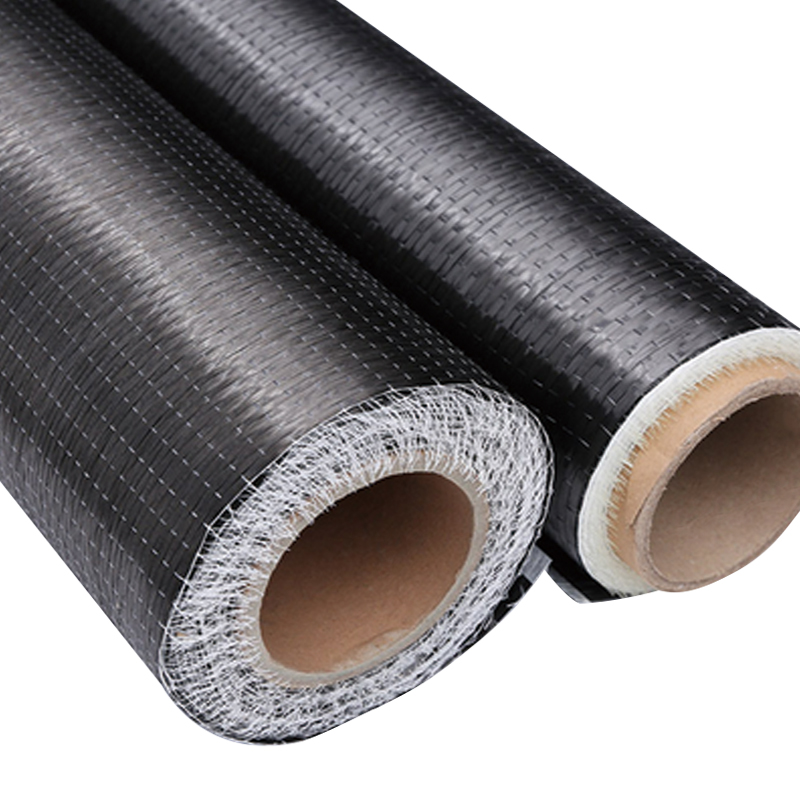
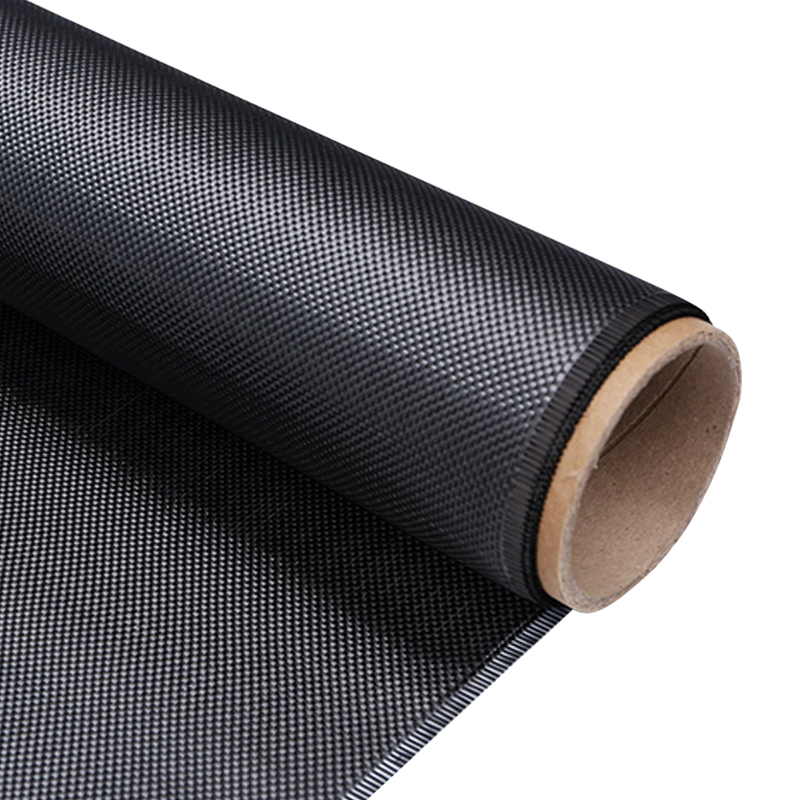
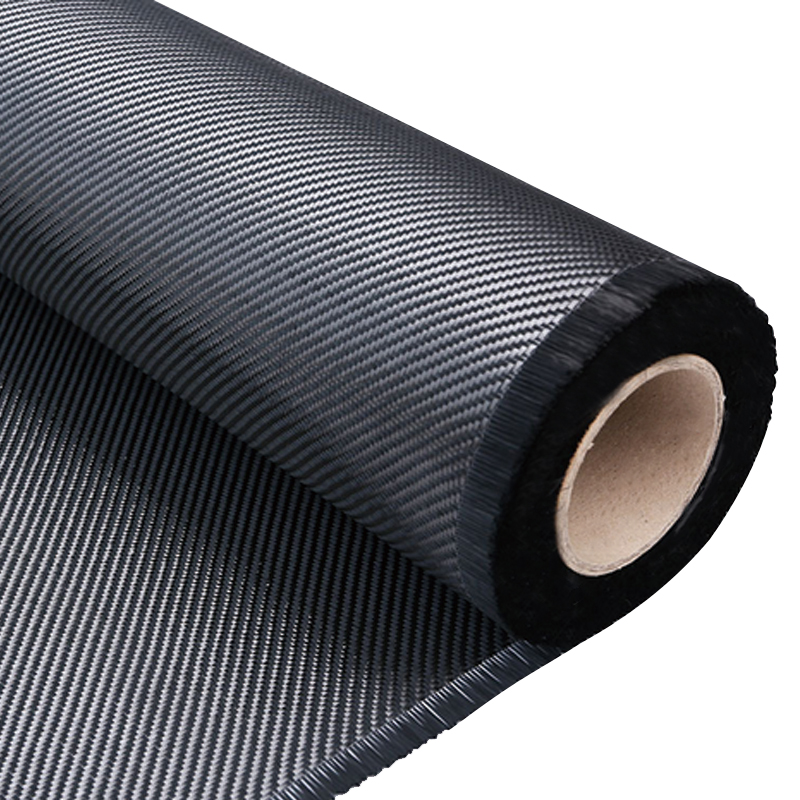
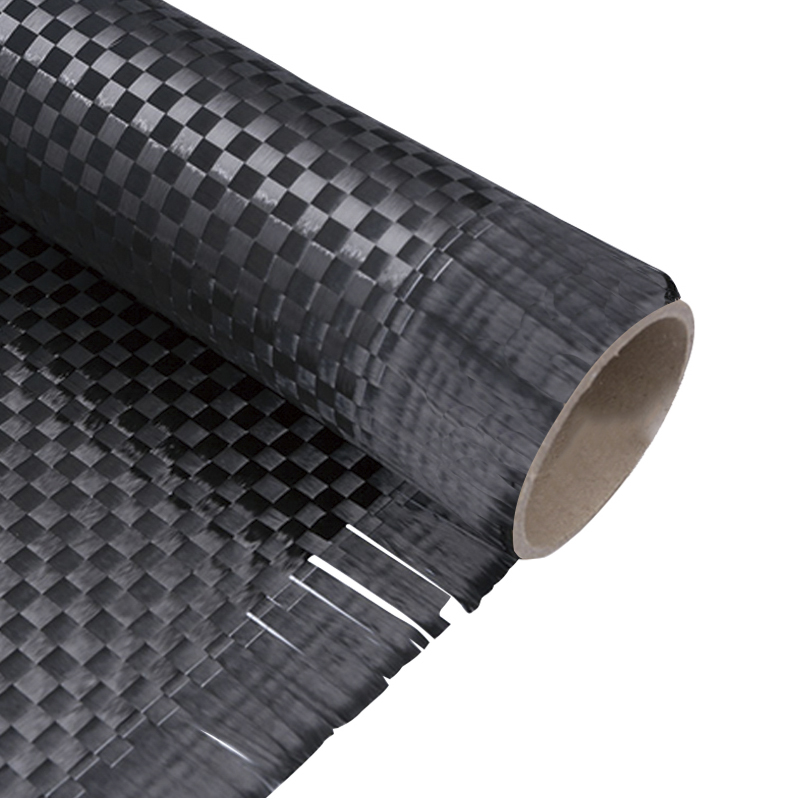
Carbon aramid fabric combines high-strength aramid fibers with carbon reinforcement, providing exceptional mechanical performance. However, the aramid component is highly sensitive to ultraviolet (UV) radiation, which can lead to color fading, reduced tensile strength, and surface degradation during long-term outdoor or aerospace exposure. Selecting an appropriate resin system and surface coating is essential to maintaining both aesthetic and functional properties.
1. Understanding UV Sensitivity of Aramid Fibers
The aramid component of carbon aramid fabric is particularly vulnerable to UV-induced degradation:
- UV exposure breaks chemical bonds in aramid fibers
- Leads to color fading and yellowing over time
- Reduces tensile strength and flexibility
- Surface micro-cracking may occur under prolonged exposure
2. Selecting UV-Resistant Resin Systems
Choosing the right matrix resin is critical for aramid fiber epoxy resin selection:
| Resin Type | UV Stabilizers | Advantages |
|---|---|---|
| Epoxy with UV absorbers | Hindered amine light stabilizers (HALS) | Minimizes discoloration and maintains tensile properties |
| Polyurethane resin | UV-blocking additives | Flexible and resistant to surface cracking |
| Modified epoxy hybrid | UV absorbers + antioxidants | Enhanced long-term mechanical retention |
3. Applying Protective Surface Coatings
Surface coatings further protect UV resistant carbon aramid composites from environmental degradation:
- Clear UV-protective varnishes prevent fiber exposure
- Gel coats provide both UV and abrasion resistance
- Fluoropolymer coatings enhance chemical resistance while maintaining surface smoothness
- Topcoat color pigments with UV stabilizers improve long-term color retention
4. Evaluating Outdoor Performance
Performance testing for outdoor performance carbon aramid fabric ensures suitability for aerospace or exterior applications:
| Test Method | Property Evaluated | Typical Outcome |
|---|---|---|
| UV weathering chamber | Color stability, surface integrity | Minimal fading and no surface cracking after 1000 hours |
| Mechanical tensile testing | Tensile strength retention | Less than 5% reduction after UV exposure |
| Outdoor exposure tests | Visual and mechanical degradation | Maintains surface and mechanical properties under natural sunlight |
5. Strategies for Maintaining Mechanical Property Retention
Ensuring mechanical property retention UV exposure involves:
- Using UV-stabilized epoxy resins with HALS
- Applying protective topcoats or gel coats
- Minimizing surface micro-damage during fabrication
- Periodic inspections and maintenance for critical aerospace components
- Combining resin and coating strategies for maximum durability
FAQs
1. How does UV radiation affect carbon aramid fabric?
UV radiation breaks chemical bonds in aramid fibers, causing color fading, surface micro-cracks, and reduced tensile strength. Protective resins and coatings mitigate these effects.
2. What are the best options for aramid fiber epoxy resin selection?
Epoxy resins with HALS, modified epoxy hybrids with antioxidants, or polyurethane systems provide strong UV resistance and maintain mechanical properties under long-term exposure.
3. Which UV resistant carbon aramid composites coatings are recommended?
Clear UV-protective varnishes, gel coats, fluoropolymer coatings, and pigmented topcoats with UV stabilizers all enhance color stability and surface durability for outdoor and aerospace applications.
4. How can we evaluate outdoor performance carbon aramid fabric?
Use UV weathering chambers, tensile strength tests, and outdoor exposure trials to assess color retention, surface integrity, and mechanical performance under long-term environmental conditions.
5. What measures ensure mechanical property retention UV exposure?
Combine UV-stabilized resins, protective surface coatings, careful fabrication practices, and periodic maintenance inspections to maintain both color and structural integrity for high-performance applications.
 +86-13961668677
 No. 61, Xingyuan Road, Jiefang Village, Gushan Town, Jiangyin City, Jiangsu Province, China.