 Get In Touch
 English
  中文简体
中文简体 عربى
عربى Tiếng Việt
Content
- 1 Tensile Strength Dynamics: Carbon Fiber vs. Structural Steel
- 2 Weight Efficiency and Specific Strength in Industrial Design
- 3 Engineering Versatility and Advanced Manufacturing
- 4 Frequently Asked Questions (FAQ)
- 4.1 1. Is carbon fiber always "stronger" than steel?
- 4.2 2. What is the difference between high-modulus and high-strength carbon fiber?
- 4.3 3. Can carbon fiber fabric rolls be used to repair existing steel structures?
- 4.4 4. How does Jiangyin Dongli ensure the quality of its carbon fiber?
- 4.5 5. Why is unidirectional carbon fiber fabric for targeted load paths used in racing?
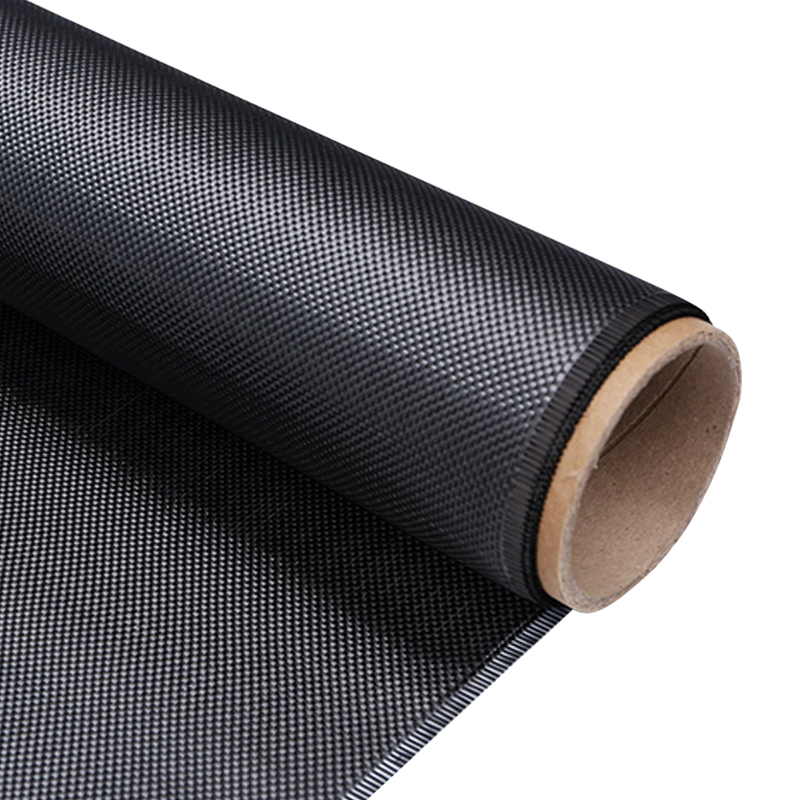
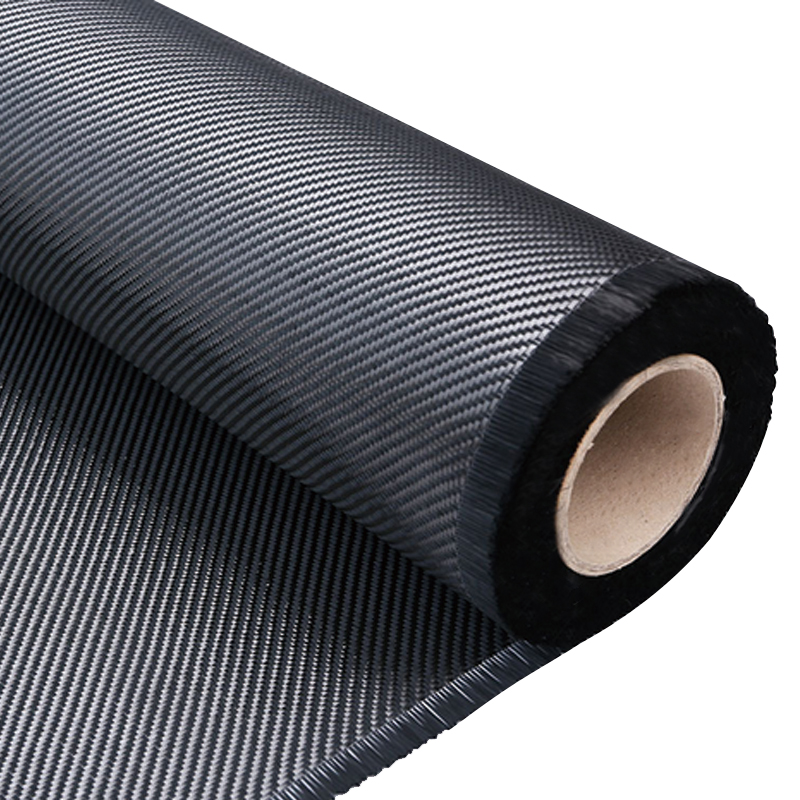
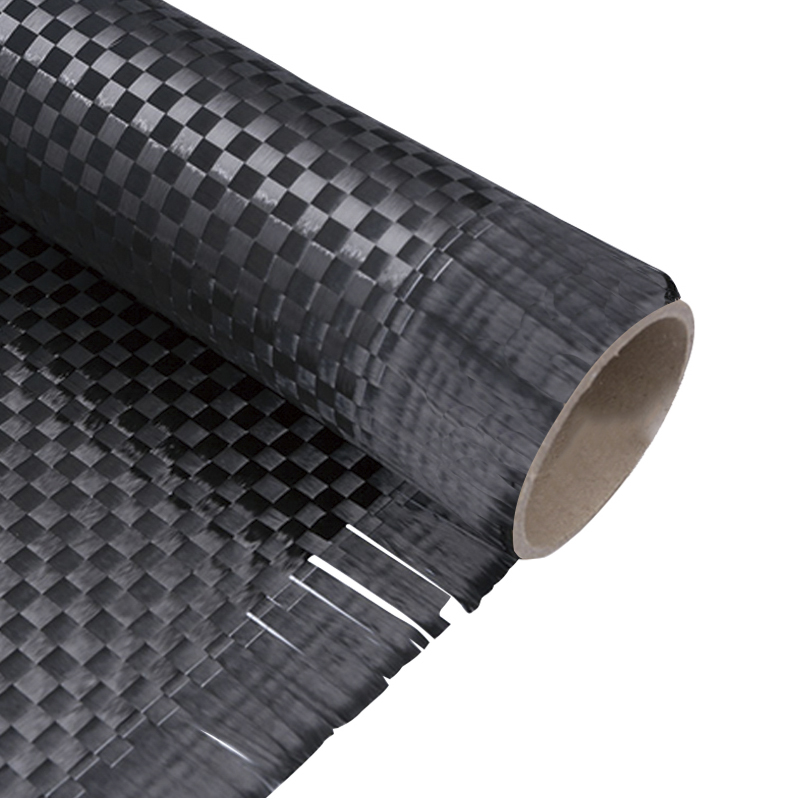
In the evolving landscape of structural engineering and high-performance manufacturing, the choice of reinforcement material is pivotal. While traditional steel has been the backbone of industrial construction for over a century, the emergence of the high-modulus carbon fiber fabric roll has redefined the limits of strength-to-weight ratios. Jiangyin Dongli New Materials Technology Co., Ltd. stands at the forefront of this material revolution. Operating from a 32,000-square-meter industrial complex with 100,000-grade purification zones, we specialize in the R&D and production of advanced fiber composites. From aerospace to automotive sectors, our precision-controlled manufacturing ensures that every carbon fiber fabric roll we produce meets the elite mechanical standards required for next-generation engineering.
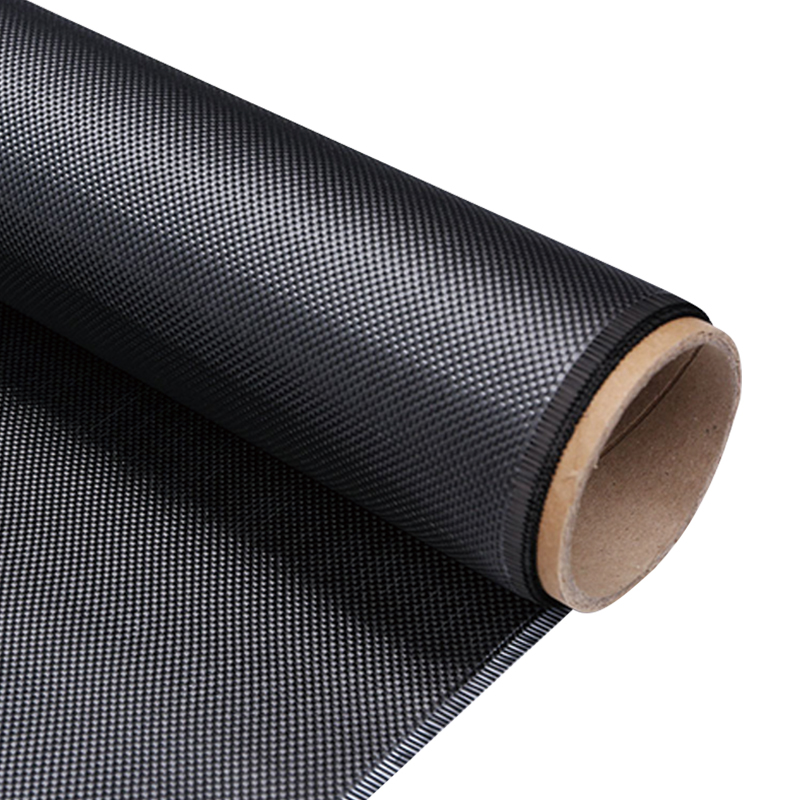
Tensile Strength Dynamics: Carbon Fiber vs. Structural Steel
Tensile strength measures a material's ability to resist pulling forces without breaking. A high-modulus carbon fiber fabric roll offers a significant leap in performance over traditional steel reinforcements like S355 or 4130 chromoly. According to the 2024-2025 Engineering Materials Comparison Guide by Managing Composites, high-modulus carbon fibers can achieve a tensile modulus exceeding 440 GPa, which is more than double the stiffness of standard structural steel (210 GPa). This allows for high strength carbon fiber cloth for structural reinforcement to provide immense rigidity in load-bearing applications while occupying a fraction of the physical volume required by steel counterparts.
Source: Managing Composites - Is Carbon Fiber Stronger Than Steel? 2024 Analysis
Mechanical Property Comparison
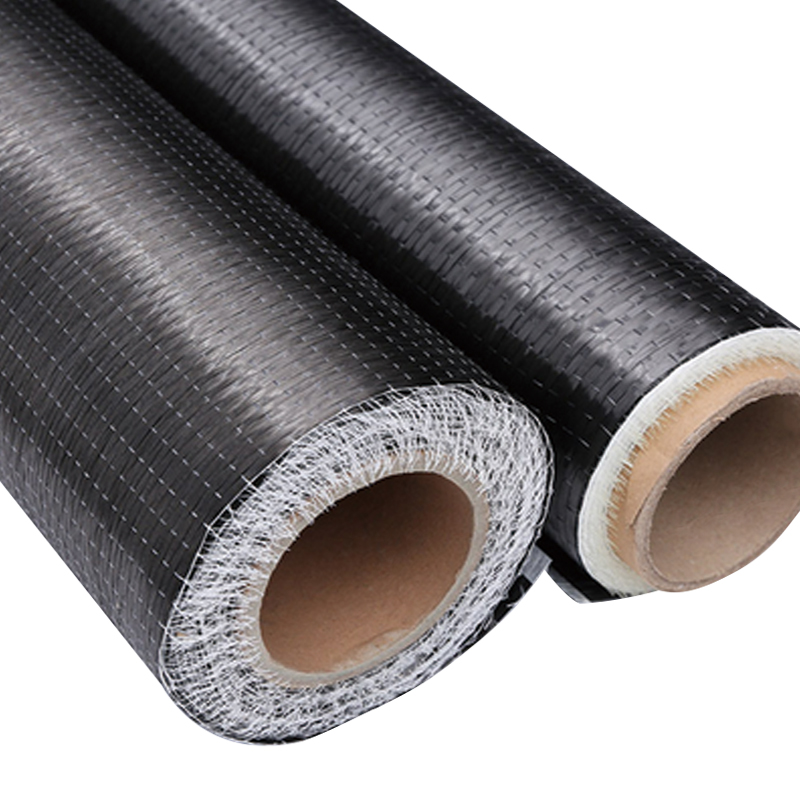
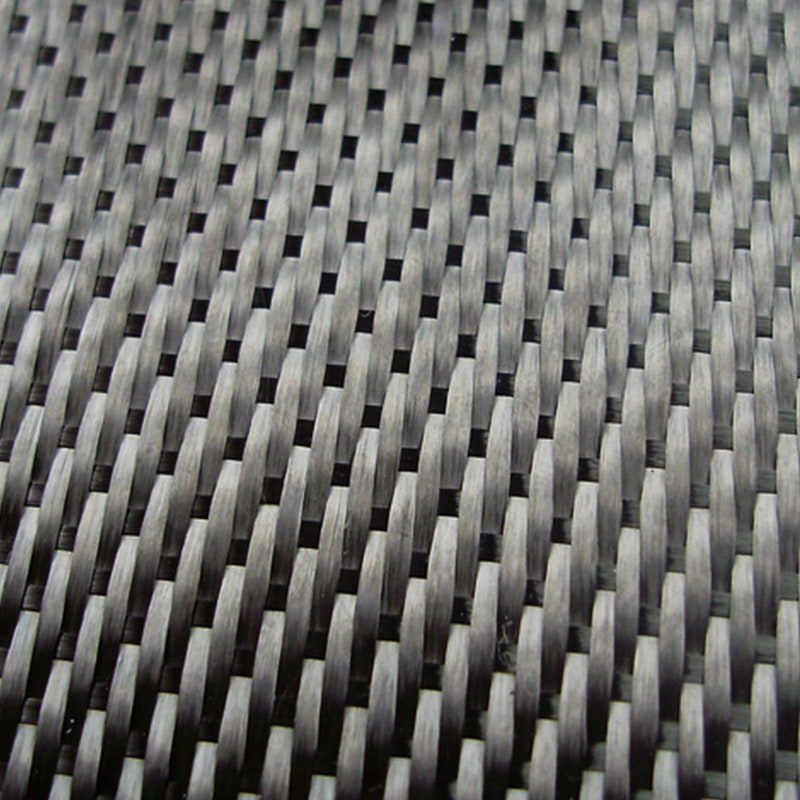
While steel is isotropic (uniform strength in all directions), carbon fiber is anisotropic, meaning its maximum tensile strength is concentrated along the axis of the fibers. This allows engineers to utilize unidirectional carbon fiber fabric for targeted load paths to reinforce specific stress points more efficiently than heavy steel plates.
| Material Type | Tensile Strength (GPa) | Elastic Modulus (GPa) | Density (kg/m³) |
| High-Modulus Carbon Fiber | 3.45 - 5.40 | 440 - 500+ | ~1,870 |
| Standard Structural Steel (S355) | 0.45 - 0.55 | 210 | 7,850 |
| High-Strength Steel Wire | 1.77 | 210 | 7,850 |
Weight Efficiency and Specific Strength in Industrial Design
The true advantage of a carbon fiber fabric roll lies in its "specific strength"—the strength-to-weight ratio. Steel reinforcement adds significant mass to a structure, which can be detrimental in aerospace or electric vehicle (EV) manufacturing. Industry data from Fortune Business Insights (2025) suggests that the carbon fiber market is projected to reach $3.12 billion this year, largely driven by the automotive industry's pursuit of lightweighting. By replacing steel with wholesale carbon fiber fabric for aerospace and automotive components, manufacturers can achieve up to a 70% weight reduction without sacrificing structural safety.
Source: Fortune Business Insights - Carbon Fiber Market Size & Trends 2025
Strength-to-Weight Ratio Comparison
Carbon fiber outperforms steel by a factor of nearly 20 in terms of specific strength, making it the ideal candidate for performance-critical environments where every gram of mass impacts fuel efficiency or speed.
| Criteria | Traditional Steel Reinforcement | High-modulus carbon fiber fabric roll |
| Specific Strength | Low (~0.06 GPa·cm³/g) | High (~1.85 - 2.80 GPa·cm³/g) |
| Corrosion Resistance | Requires coating/maintenance | Inherent (Chemically inert) |
| Fatigue Life | Well-defined fatigue limits | Virtually unlimited within design stress |
Engineering Versatility and Advanced Manufacturing
At Jiangyin Dongli, we recognize that tensile strength is only one part of the equation. The adaptability of a lightweight carbon fiber fabric roll allows for complex geometries that steel cannot easily replicate. Our facility integrates full-process control, utilizing weaving and prepreg processes alongside advanced molding like RTM, PCM, and autoclave technology. For technical sectors, unidirectional carbon fiber fabric for targeted load paths offers the ability to tailor the stiffness of a component precisely where the stress is highest. This level of "material programming" ensures that aerospace panels or automotive shells remain ultra-rigid under extreme aerodynamic loads.
- Precision Environments: Our 32,000-square-meter plant includes climate-regulated workshops to prevent fiber contamination.
- Aerospace Compliance: Materials engineered for high-altitude thermal stability and vacuum environments.
- Customization: We offer wholesale carbon fiber fabric for aerospace and automotive with customizable tow sizes and weave patterns.
- One-Stop Integration: From initial R&D to final spraying and PCM molding, we control the entire quality chain.
Frequently Asked Questions (FAQ)
1. Is carbon fiber always "stronger" than steel?
In terms of tensile strength and specific strength, yes. However, steel is more ductile and impact-resistant in certain directions. This is why high strength carbon fiber cloth for structural reinforcement is often designed in multi-layered layups to provide multi-directional durability.
2. What is the difference between high-modulus and high-strength carbon fiber?
High-strength fibers focus on the maximum breaking point, while high-modulus fibers, like those in a high-modulus carbon fiber fabric roll, focus on extreme stiffness and resistance to deformation.
3. Can carbon fiber fabric rolls be used to repair existing steel structures?
Absolutely. High strength carbon fiber cloth for structural reinforcement is frequently used in civil engineering to wrap aging steel or concrete columns, significantly increasing their load capacity without adding bulk.
4. How does Jiangyin Dongli ensure the quality of its carbon fiber?
We operate within a 100,000-grade purification zone and use precision-controlled production environments. As a one-stop factory, we monitor every step from weaving to the final autoclave or RTM process.
5. Why is unidirectional carbon fiber fabric for targeted load paths used in racing?
Unidirectional carbon fiber fabric for targeted load paths allows engineers to place fibers exactly parallel to the forces acting on a part, maximizing strength while minimizing unnecessary weight in non-critical directions.
 +86-13961668677
 No. 61, Xingyuan Road, Jiefang Village, Gushan Town, Jiangyin City, Jiangsu Province, China.