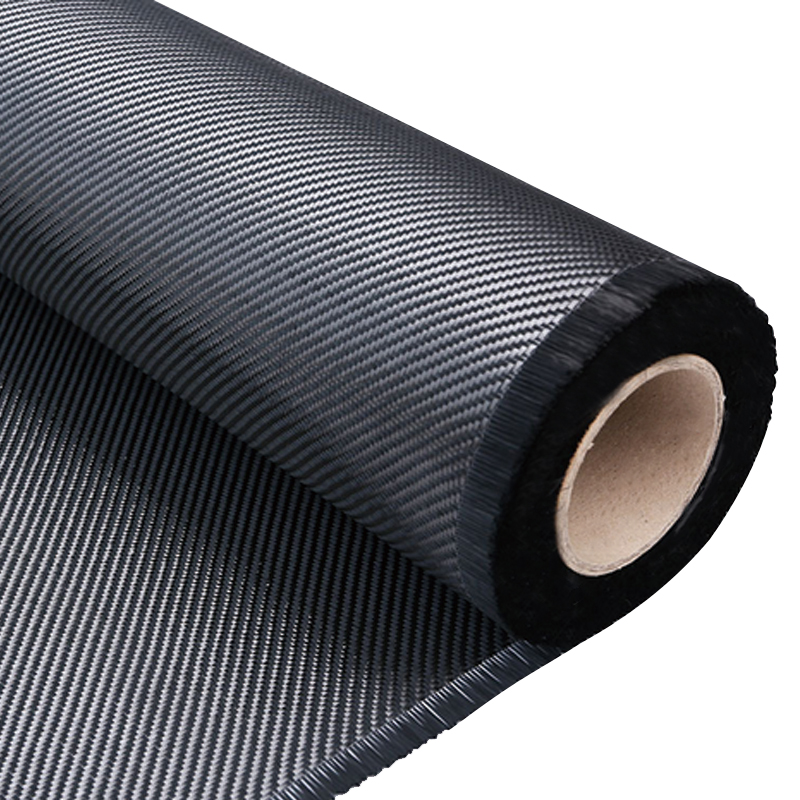
Custom Twill/Plain Basalt Fiber Woven Fabric
Home / Product / Other Material Fiber Woven Cloth / Twill/Plain Basalt Fiber Woven Fabric
  • Twill/Plain Basalt Fiber Woven Fabric
  • Twill/Plain Basalt Fiber Woven Fabric

Twill/Plain Basalt Fiber Woven Fabric

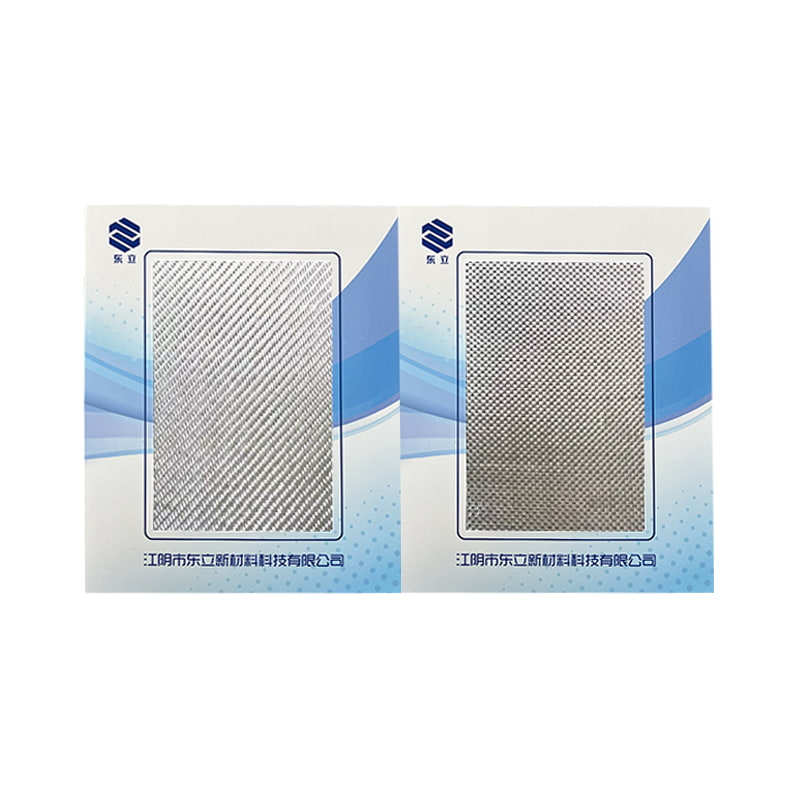
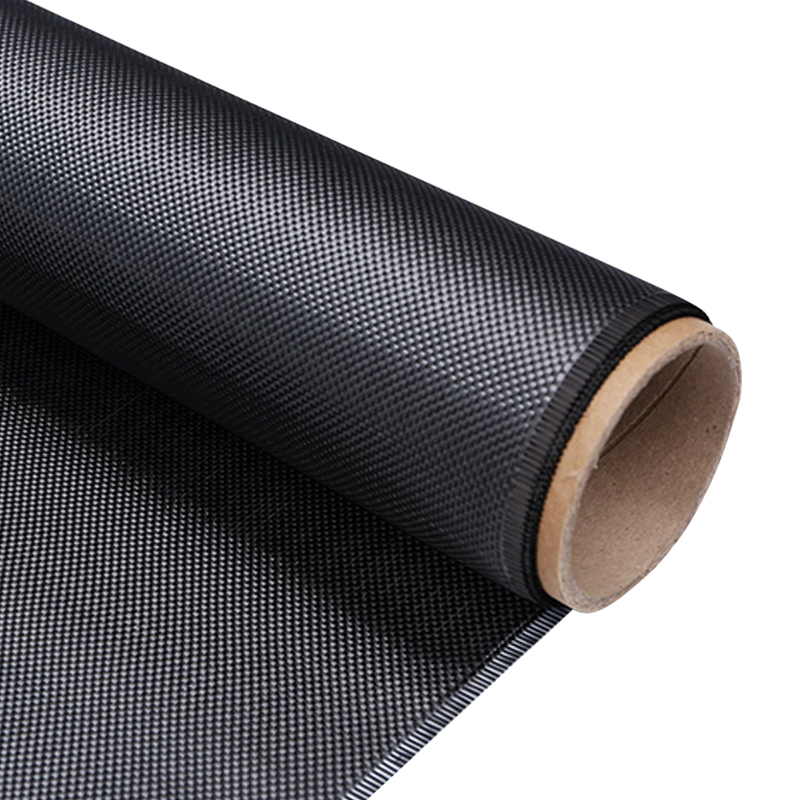
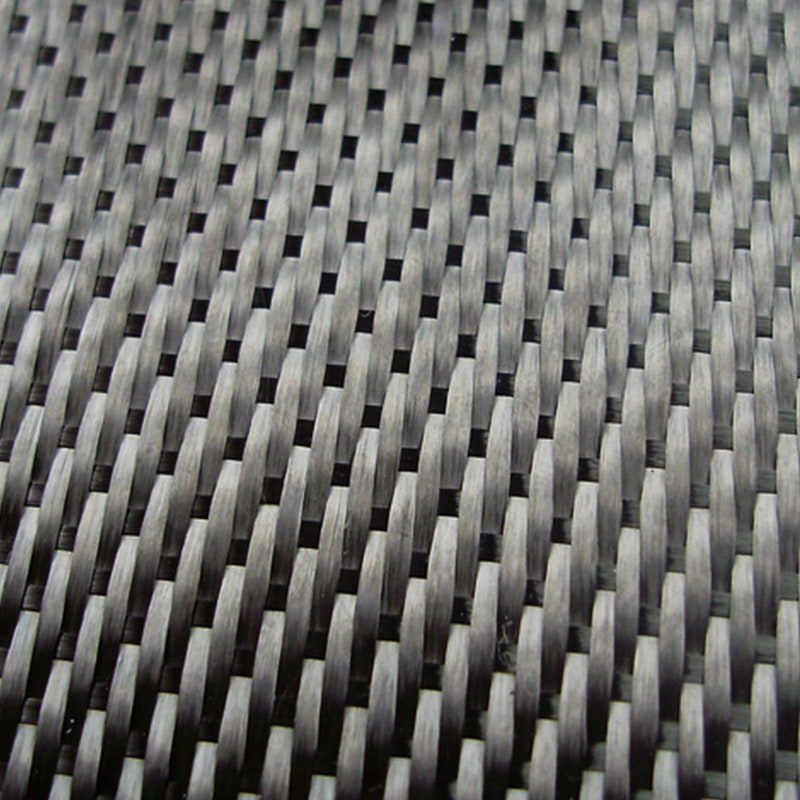
Twill and plain weave basalt fiber woven fabrics are made from natural basalt melted and drawn into fibers, which are then processed through a weaving process. Plain weave basalt fiber cloth has a simple and regular structure and uniform strength, which is suitable for relatively flat surface covering and general reinforcement needs; while twill cloth has better flexibility and formability through staggered fiber arrangement, which is suitable for covering complex curved surfaces and applications with high strength requirements. It is widely used in aerospace, automobile manufacturing, shipbuilding, building reinforcement and wind power fields. According to different needs, different weaving forms can be selected to optimize performance.
Contact Us
Parameter

Basalt fiber woven fabric is an industrial textile manufactured from continuous basalt filaments derived from volcanic rock melting processes. This fabric is available in plain and twill weaving patterns, providing distinct mechanical behaviors for composite reinforcement. Unlike glass fiber, basalt fiber offers a higher service temperature range and chemical resistance, while maintaining a lower cost-to-performance ratio compared to carbon fiber. The material is non-combustible and maintains structural integrity under thermal stress, making it a critical component for high-temperature insulation and structural reinforcement in demanding environments.

Technical Specifications and Weave Variations

Material Composition 100% Continuous Basalt Filament
Weave Styles Plain / Twill (2x2, 4x4)
Weight Range 200g/m² - 600g/m² (Standard)
Operating Temperature -260°C to +650°C
Filament Diameter 9μm - 13μm

Core Material Characteristics

  • Thermal Stability: Sustains mechanical properties at constant operating temperatures up to 650°C without melting or off-gassing.
  • Chemical Resistance: Resists degradation from concentrated acids, alkalis, and moisture, preventing corrosion in marine or industrial settings.
  • Dielectric Strength: Functions as an effective electrical insulator for high-voltage applications and circuit board reinforcements.
  • Mechanical Strength: Features higher tensile strength than E-glass fiber, providing enhanced impact resistance for composite laminates.
  • UV and Radiation Shielding: Naturally resistant to ultraviolet radiation and electromagnetic interference (EMI).

Differentiating Plain vs. Twill Weave

Plain Weave

Characterized by a one-over, one-under interlacing pattern. This construction provides maximum fabric stability and minimum yarn slippage, making it suitable for flat surface applications and precise cutting requirements.

Twill Weave

Features a diagonal rib pattern formed by staggered interlacing. The increased drapability of twill weave allows the fabric to conform to complex 3D geometries and curved molds without wrinkling, facilitating uniform resin impregnation.

Industrial Application Scenarios

Automotive and Aerospace

Used in the production of heat shields, engine compartment linings, and structural body panels where weight reduction and fire retardation are mandatory.

Fire Protection and Safety

Fabricated into fire blankets, welding curtains, and protective clothing for foundry workers and emergency responders due to its non-combustible nature.

Construction and Infrastructure

Applied as a reinforcement layer for concrete bridges, seismic retrofitting, and chimney repairs to prevent cracking and improve load-bearing capacity.

Handling and Storage Guidelines

Storage Conditions

  • Keep the fabric in its original moisture-proof packaging until the moment of use to prevent atmospheric humidity absorption.
  • Store in a vertical position on racks to avoid pressure creasing, which can compromise the alignment of the basalt filaments.
  • Maintain a controlled temperature environment between 15°C and 35°C for optimal processing performance.

Processing Precautions

  • Use carbide-tipped or diamond blades for cutting to ensure clean edges and prevent fraying of the basalt yarns.
  • Operators should wear protective gloves and masks, as basalt filaments may cause temporary mechanical skin irritation during handling.
  • Ensure compatibility with specific resin systems (epoxy, polyester, or vinyl ester) by verifying the applied sizing agent.
About Us
Jiangyin Dongli New Materials Technology Co., Ltd.
Founded in 2018, Jiangyin Dongli New Materials Technology Co., Ltd. specializes in the comprehensive development and manufacturing of high-performance fiber composite materials. We are China Twill/Plain Basalt Fiber Woven Fabric Manufacturers and Custom Twill/Plain Basalt Fiber Woven Fabric Factory. Located in a 32,000-square-meter industrial complex, the company features precision-controlled production environments, including climate-regulated workshops and 100,000-grade purification zones.
As a one-stop factory with full process control, we integrate material innovation with engineering expertise to serve industries such as aerospace, automotive and sports equipment development. Our capabilities include the R&D and production of high-performance fiber fabrics through weaving and prepreg processes, as well as composite products utilizing autoclave, RTM, RMCP, PCM, WCM, and spraying technologies.
Certificate Of Honor
News
Get In Touch