 Get In Touch
 English
  中文简体
中文简体 عربى
عربى Tiếng Việt
Content
- 1 1. Raw Material Grade: The Impact of Fiber Tow Size and Modulus
- 2 2. Weave Architecture and Manufacturing Processes
- 3 3. Capacity and Lead Time Dynamics in One-Stop Factories
- 4 Conclusion: Strategic Procurement for Technical Sectors
- 4.1 Frequently Asked Questions (FAQ)
- 4.1.1 1. Why does 3K carbon fiber fabric roll cost more than 12K?
- 4.1.2 2. What is the standard carbon fiber lead times for industrial orders?
- 4.1.3 3. How do custom carbon fiber fabric weave patterns affect pricing?
- 4.1.4 4. How to reduce carbon fiber fabric roll lead times for my project?
- 4.1.5 5. Does a carbon fiber fabric roll require climate-controlled storage?
- 4.2 Industry References
- 4.1 Frequently Asked Questions (FAQ)
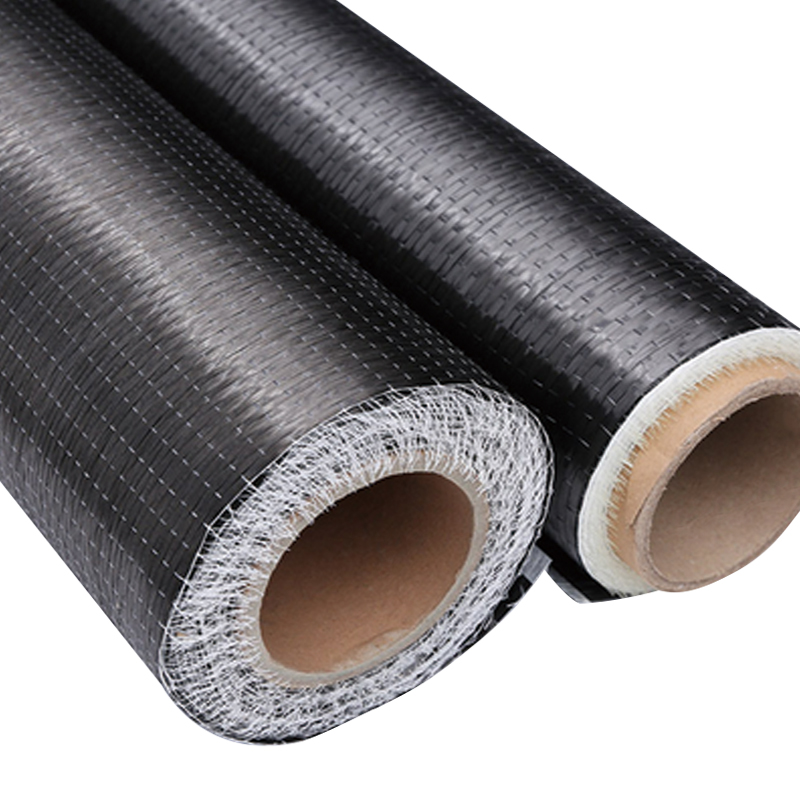
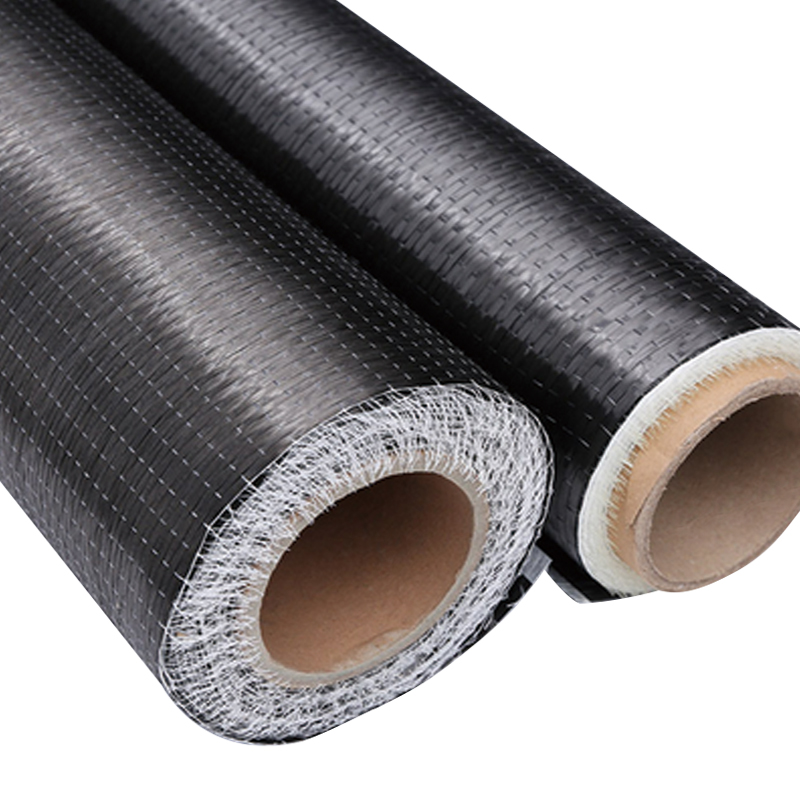
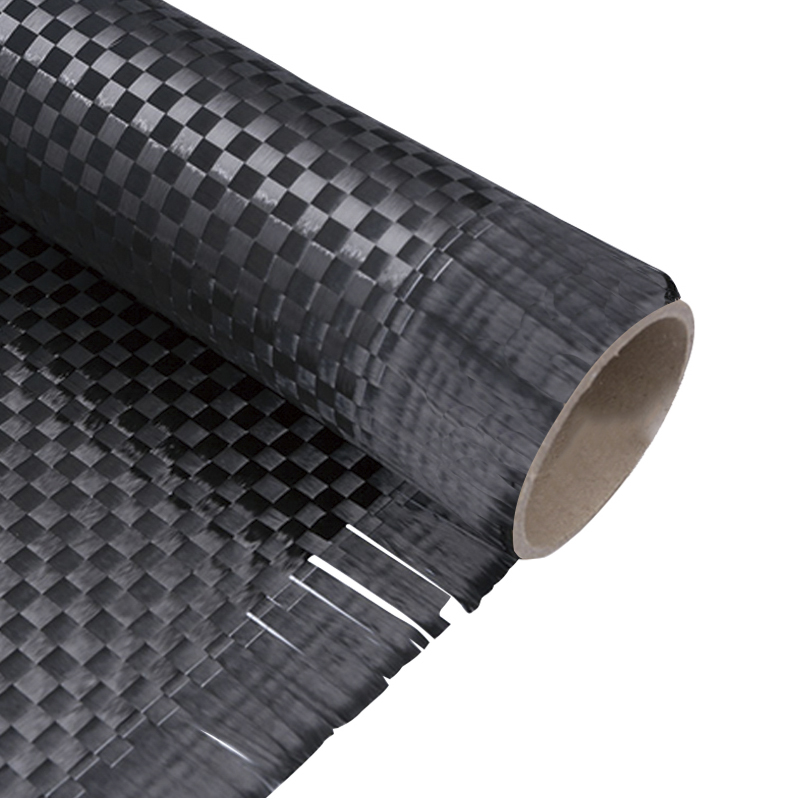
In the high-performance composites industry, procuring a carbon fiber fabric roll involves navigating a complex landscape of raw material volatility, manufacturing precision, and supply chain logistics. For engineers in aerospace and automotive sectors, understanding the unit cost per square meter is only one part of the equation; the total cost of ownership is dictated by fiber grade, weave architecture, and the manufacturer's technological infrastructure. Jiangyin Dongli New Materials Technology Co., Ltd., operating from a 32,000-square-meter industrial complex, specializes in industrial grade carbon fiber fabric roll production. By integrating 100,000-grade purification zones with advanced weaving and prepreg processes, we ensure material innovation meets engineering expertise. This article provides a technical analysis of the variables that determine bulk carbon fiber pricing factors and delivery schedules for a carbon fiber fabric roll.
1. Raw Material Grade: The Impact of Fiber Tow Size and Modulus
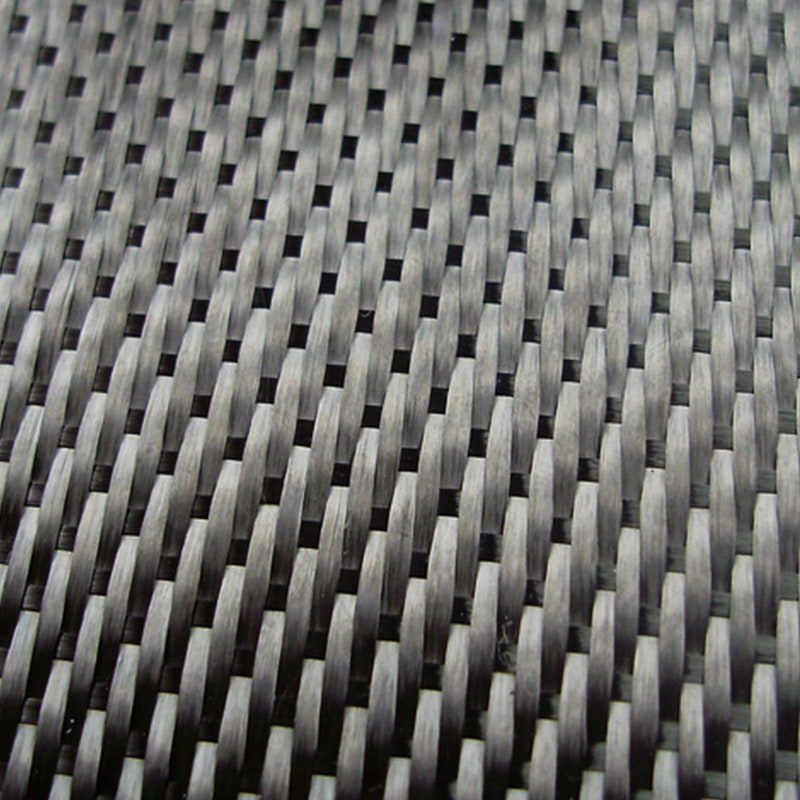
The most significant driver of bulk carbon fiber pricing factors is the precursor quality and filament count, commonly referred to as "tow size" (e.g., 3K, 6K, 12K). In comparing 3K vs 12K carbon fiber fabric pricing, the 3K variant is often more expensive due to the higher weaving complexity and lower production yield per machine hour, despite having fewer filaments. Furthermore, the tensile modulus—whether standard, intermediate, or high modulus—dramatically affects the carbon fiber fabric roll cost. High-performance fiber fabrics required for aerospace engineering must undergo rigorous high-performance fiber composite quality control, adding to the lead time. Sourcing wholesale carbon fiber fabric roll supplies from a factory with full process control, like Jiangyin Dongli, allows for better transparency regarding these raw material costs.
Fiber Specification Comparison
- Standard Modulus (SM): The baseline for industrial applications, offering the most competitive pricing.
- High Modulus (HM): Utilized where extreme stiffness is required; pricing increases exponentially with modulus ratings.
| Tow Size / Grade | Price Complexity | Typical Industrial Application |
| 3K (Small Tow) | High (Slow weaving speed) | Sports Equipment & Aesthetics |
| 12K/24K (Large Tow) | Lower (Higher volume output) | Automotive & Structural Reinforcement |
| Aerospace Grade (IM/HM) | Premium (Certification costs) | Aviation & Satellite Structures |
2. Weave Architecture and Manufacturing Processes
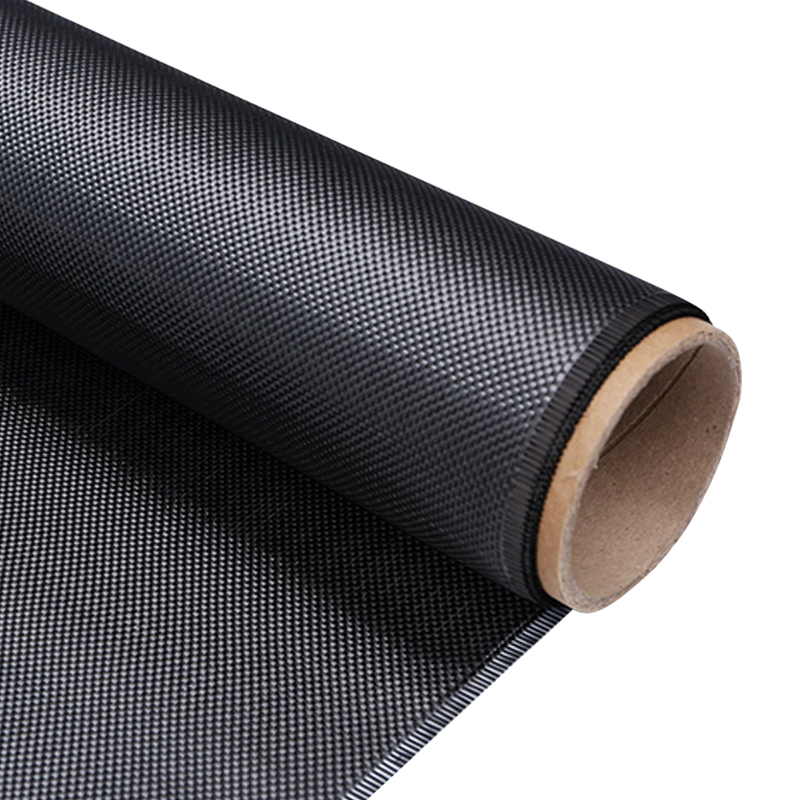
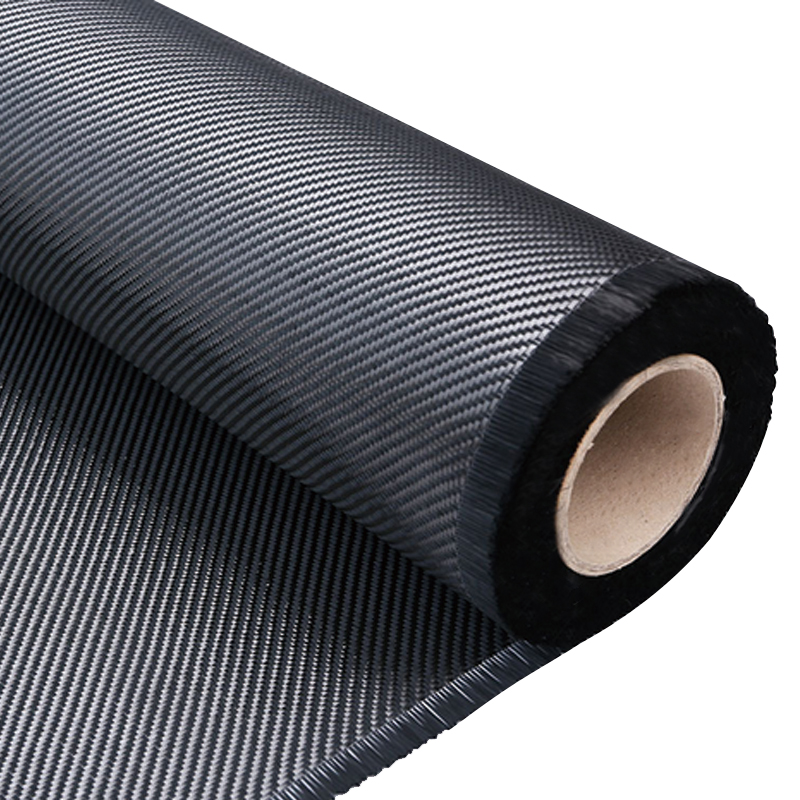
The physical structure of the carbon fiber fabric roll—whether it is plain, twill, or satin weave—influences both the labor hours and machine calibration required. Plain weave vs twill carbon fiber fabric cost differences arise from the stability of the weave; while twill is more pliable for complex mold geometries, it requires higher tension precision to prevent skewing. Furthermore, the integration of carbon fiber prepreg vs dry fabric roll lead times is a critical consideration. Prepreg materials, which require climate-regulated workshops and specialized resin impregnation lines, generally have longer lead times due to the shelf-life management and cold-chain logistics involved. Utilizing custom carbon fiber fabric weave patterns further extends the engineering phase but optimizes the final part's structural performance.
Advanced Manufacturing Sequence
- Fiber Spooling: Precision tensioning of the tow to ensure uniformity across the carbon fiber fabric roll width.
- Weaving/Knitting: Execution of the specified architecture (e.g., 2x2 Twill) under climate-controlled conditions.
- Quality Inspection: Scanning for weaving defects or "fuzz" that could compromise high-performance fiber composite quality control.
| Fabric Format | Manufacturing Lead Time | Pricing Sensitivity |
| Dry Woven Fabric | Standard (2-4 Weeks) | Market-driven fiber costs |
| Prepreg (Resin Impregnated) | Extended (4-8 Weeks) | High (Includes resin & cold storage) |
| Unidirectional (UD) Tape | Efficient (1-3 Weeks) | Moderate (Highly automated) |
3. Capacity and Lead Time Dynamics in One-Stop Factories
Lead times for an industrial grade carbon fiber fabric roll are often influenced by the manufacturer's vertical integration. A one-stop factory that handles R&D, weaving, and subsequent processes like autoclave or RTM (Resin Transfer Molding) can provide more stable carbon fiber lead times. How to reduce carbon fiber fabric roll lead times often involves long-term forecasting and volume-based scheduling. At Jiangyin Dongli, our 32,000-square-meter facility allows us to scale production of aerospace grade carbon fiber fabric roll products while maintaining strict 100,000-grade purification standards. When ordering bulk carbon fiber for automotive manufacturing, the economy of scale reduces the per-roll cost but requires a robust quality management system to ensure every roll in the batch is identical.
Optimization Factors for Bulk Orders
- Vertical Integration: Factories using RTM, PCM, or WCM technologies in-house can optimize material usage.
- Logistics and Storage: Large-scale 1,500 m² warehouses enable the stocking of standard rolls to mitigate wholesale carbon fiber fabric roll supplies shortages.
Conclusion: Strategic Procurement for Technical Sectors
Navigating bulk carbon fiber pricing factors requires a deep understanding of fiber tow economics, weave architectures, and the technological capacity of the supplier. By selecting a carbon fiber fabric roll from a manufacturer that controls the full process—from material innovation to advanced molding—technical sectors like aerospace and automotive can achieve a balance between performance and cost. Jiangyin Dongli New Materials Technology Co., Ltd. remains committed to providing custom carbon fiber fabric weave patterns and high-stability rolls, ensuring that our material engineering serves as the foundation for your next-generation composite solutions.
Frequently Asked Questions (FAQ)
1. Why does 3K carbon fiber fabric roll cost more than 12K?
3K fabric requires more "crossings" per square inch during weaving, which slows down the loom and increases labor and energy costs per unit compared to the faster production of 12K large-tow fabrics.
2. What is the standard carbon fiber lead times for industrial orders?
Standard dry fabrics typically ship in 2 to 4 weeks, whereas specialized prepregs or aerospace grade carbon fiber fabric roll batches may take 6 to 10 weeks due to testing and certification requirements.
3. How do custom carbon fiber fabric weave patterns affect pricing?
Custom patterns involve machine downtime for re-warping and trial runs. While the bulk carbon fiber pricing factors increase initially, custom weaves can reduce waste and layup time during the molding process.
4. How to reduce carbon fiber fabric roll lead times for my project?
Establish a framework agreement with your manufacturer to stock raw fiber tows or finished rolls. Managing wholesale carbon fiber fabric roll supplies through forecasting is the most effective way to ensure "just-in-time" delivery.
5. Does a carbon fiber fabric roll require climate-controlled storage?
Dry fabrics require low humidity to prevent moisture absorption in the sizing. Prepreg rolls are far more sensitive, requiring -18°C cold storage to prevent the resin from curing prematurely.
Industry References
- SAMPE (Society for the Advancement of Material and Process Engineering): "Cost Drivers in Carbon Fiber Manufacturing."
- ASTM D3039: Standard Test Method for Tensile Properties of Polymer Matrix Composite Materials.
- ISO 9001:2015/AS9100D: Quality Management Systems for Aerospace and Defense Manufacturers.
- Jiangyin Dongli Internal R&D Report: "Optimizing Weaving Efficiency in High-Modulus Fiber Fabrics" (2025).
 +86-13961668677
 No. 61, Xingyuan Road, Jiefang Village, Gushan Town, Jiangyin City, Jiangsu Province, China.