 Get In Touch
 English
  中文简体
中文简体 عربى
عربى Tiếng Việt
Content
- 1 1. The Engineering Synergy of Hybrid Fibers
- 2 2. Manufacturing Precision and Advanced Processes
- 3 3. Thermal Stability and Acoustic Damping
- 4 Conclusion: The Future of Lightweighting
- 4.1 Frequently Asked Questions (FAQ)
- 4.1.1 1. What makes carbon aramid fabric better than fiberglass?
- 4.1.2 2. Is carbon aramid fabric difficult to cut?
- 4.1.3 3. Can carbon aramid fabric be used for structural chassis parts?
- 4.1.4 4. How do I determine the best carbon aramid fabric weight for my project?
- 4.1.5 5. Why is the autoclave process for carbon aramid panels preferred over other methods?
- 4.2 Industry References
- 4.1 Frequently Asked Questions (FAQ)
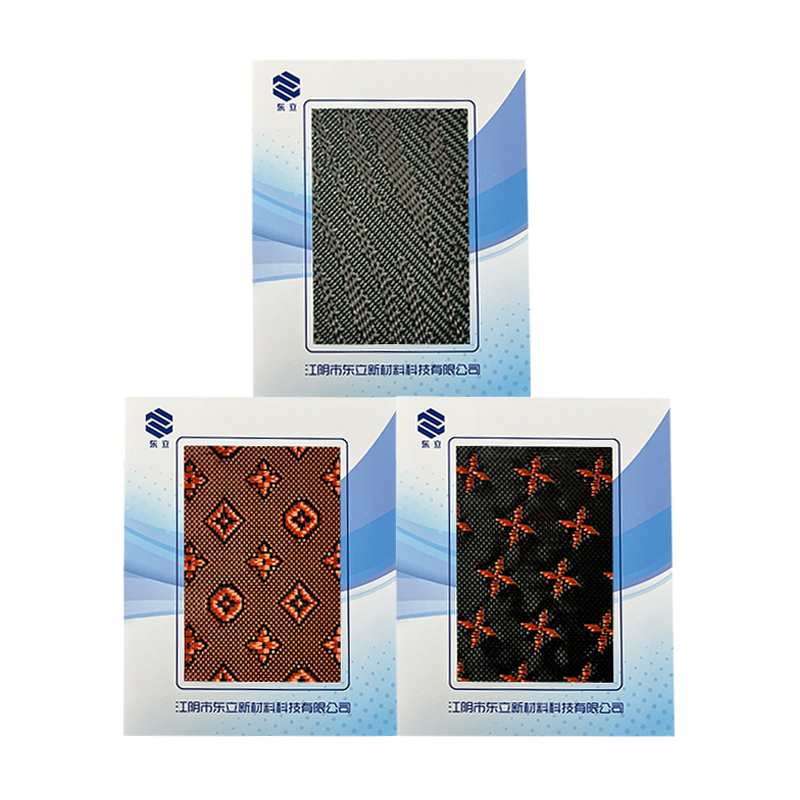
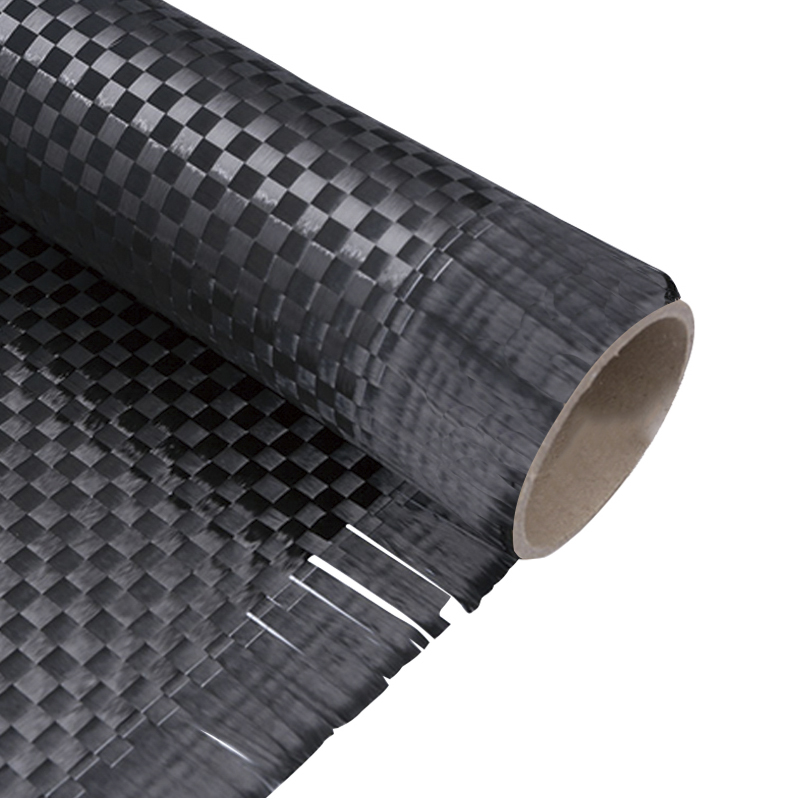
In the pursuit of peak automotive performance and fuel efficiency, material science has transitioned from heavy metals to sophisticated hybrids. Carbon aramid fabric has emerged as the definitive solution for high-stress, lightweight applications. Jiangyin Dongli New Materials Technology Co., Ltd., operating from a 32,000-square-meter precision-controlled industrial complex, specializes in the R&D and production of these high-performance fiber composites. By integrating climate-regulated workshops and 100,000-grade purification zones, we ensure that every square meter of our carbon aramid fabric meets the exacting standards of aerospace and automotive engineering. This article examines the technical synergy of carbon fiber aramid hybrid properties and why they outperform traditional monolithic composites in automotive body panel manufacturing.
1. The Engineering Synergy of Hybrid Fibers
The primary reason engineers specify carbon aramid fabric lies in its ability to mitigate the inherent weaknesses of single-fiber systems. Carbon fiber provides exceptional tensile strength and modulus, ensuring the panel remains rigid under aerodynamic loads. However, pure carbon is brittle. By weaving in aramid fibers, the composite gains remarkable energy absorption capabilities. When comparing carbon vs aramid fiber for car panels, carbon offers the stiffness while aramid provides the toughness. This hybridization prevents the "shattering" effect often seen in pure carbon fiber impacts. Furthermore, the benefits of carbon aramid fabric for impact resistance make it ideal for fenders, hoods, and door skins where debris strikes are common. How to choose carbon aramid fabric weight depends on the specific panel location, with heavier weaves used for structural reinforcement and lighter weaves for aesthetic skins.
Material Characteristic Comparison
- Pure Carbon Fiber: High rigidity, ultra-low weight, but low impact toughness (brittle).
- Pure Aramid Fiber: Excellent impact resistance and abrasion resistance, but low compressive strength.
| Physical Property | Pure Carbon Fiber | Carbon Aramid Fabric |
| Tensile Modulus | Very High | High (Balanced) |
| Impact Energy Absorption | Low | Excellent |
| Failure Mode | Shattering/Brittle | Ductile/Progressive |
| Vibration Damping | Moderate | High (Aramid dampens) |
2. Manufacturing Precision and Advanced Processes
The performance of a body panel is heavily influenced by the carbon aramid fabric manufacturing process. At Jiangyin Dongli, we utilize advanced weaving and prepreg processes to ensure uniform fiber distribution. For automotive panels, we employ high-tech methods such as the autoclave process for carbon aramid panels and Resin Transfer Molding (RTM) for hybrid composites. These processes ensure minimal void content and optimized fiber-to-resin ratios. Using prepreg carbon aramid fabric for automotive parts allows for precise control over the curing cycle, which is essential for maintaining the dimensional stability of large body panels. When comparing wet lay-up vs prepreg for aramid carbon, the prepreg method used in our purification zones results in a 30% increase in strength-to-weight ratios, crucial for lightweighting initiatives.
Composite Processing Sequence
- Fabric Preparation: Precision weaving of carbon aramid fabric in climate-controlled environments.
- Impregnation: Applying high-performance epoxy systems via prepreg or RTM.
- Consolidation: Using vacuum bagging carbon aramid composites to remove air and excess resin.
- Curing: High-pressure autoclave cycle to achieve maximum molecular cross-linking.
| Process Type | Structural Integrity | Suitability for Automotive Panels |
| Wet Lay-up | Variable (Hand-controlled) | Low (Prototyping only) |
| Autoclave Prepreg | Highest (Uniform) | Preferred for Racing/Luxury Panels |
| RTM/PCM | High (High Speed) | Mass Production Automotive |
3. Thermal Stability and Acoustic Damping
Automotive body panels are subjected to extreme temperature cycles and engine vibrations. Carbon aramid fabric excels here because aramid fibers have a naturally low coefficient of thermal expansion and excellent acoustic damping properties. This reduces "NVH" (Noise, Vibration, and Harshness) levels within the cabin. Understanding the thermal properties of carbon aramid hybrid fabric is vital for panels near the engine bay or exhaust systems. Additionally, for components requiring high wear resistance, aramid carbon mixed fabric provides a protective barrier that resists abrasion better than standard fiberglass or carbon. Maintenance tips for carbon aramid car panels usually involve UV-resistant clear coats, as aramid can be sensitive to prolonged sunlight exposure without proper finishing.
Conclusion: The Future of Lightweighting
In conclusion, carbon aramid fabric is the preferred choice for lightweight automotive body panels because it balances the rigidity of carbon with the impact toughness of aramid. This hybrid approach ensures safety, durability, and extreme weight reduction. As a one-stop factory with full process control, Jiangyin Dongli New Materials Technology Co., Ltd. continues to lead the industry through innovation in weaving, prepreg, and RTM technologies, serving the high-stakes needs of the automotive and aerospace sectors worldwide.
Frequently Asked Questions (FAQ)
1. What makes carbon aramid fabric better than fiberglass?
Carbon aramid fabric offers a much higher strength-to-weight ratio and better stiffness. While fiberglass is cheaper, it cannot match the weight reduction or the energy absorption required for performance automotive panels.
2. Is carbon aramid fabric difficult to cut?
Yes, due to the high toughness of aramid fibers, specialized serrated shears or CNC ultrasonic cutters are typically required during the carbon aramid fabric manufacturing process.
3. Can carbon aramid fabric be used for structural chassis parts?
Absolutely. The carbon fiber aramid hybrid properties make it suitable for monocoques and crash structures where energy dissipation is critical for driver safety.
4. How do I determine the best carbon aramid fabric weight for my project?
Typically, 200gsm to 300gsm weaves are standard for body panels. Heavier 400gsm+ weaves are reserved for structural reinforcements where thickness and load-bearing are more important than surface finish.
5. Why is the autoclave process for carbon aramid panels preferred over other methods?
The autoclave provides high pressure and heat, which ensures that the prepreg carbon aramid fabric is perfectly consolidated, resulting in the highest possible mechanical properties and surface finish quality.
Industry References
- ASTM D3039: Standard Test Method for Tensile Properties of Polymer Matrix Composite Materials.
- SAE International: Technical Paper on Hybrid Fiber Composites in Automotive Safety Structures.
- ISO 14125: Fibre-reinforced plastic composites — Determination of flexural properties.
- Dongli Materials Research: "Interfacial Bonding Analysis of Carbon-Aramid Hybrid Weaves" (2025).
 +86-13961668677
 No. 61, Xingyuan Road, Jiefang Village, Gushan Town, Jiangyin City, Jiangsu Province, China.