 Get In Touch
 English
  中文简体
中文简体 عربى
عربى Tiếng Việt
Content
- 1 The Duality of Electrical Properties: Carbon vs. Aramid
- 2 Designing for Precise EMI Shielding Effectiveness (SE)
- 3 Precise Control of Anti-Static and ESD Properties
- 4 Advanced Manufacturing and Material Innovation
- 5 Frequently Asked Questions (FAQ)
- 5.1 1. Does the aramid in the hybrid fabric interfere with EMI shielding?
- 5.2 2. Can the conductivity of a high strength carbon aramid hybrid weave be customized?
- 5.3 3. How does carbon aramid fabric perform in lightning strike protection?
- 5.4 4. Is the anti-static property of the fabric permanent?
- 5.5 5. Which weave is best for high-frequency EMI shielding?
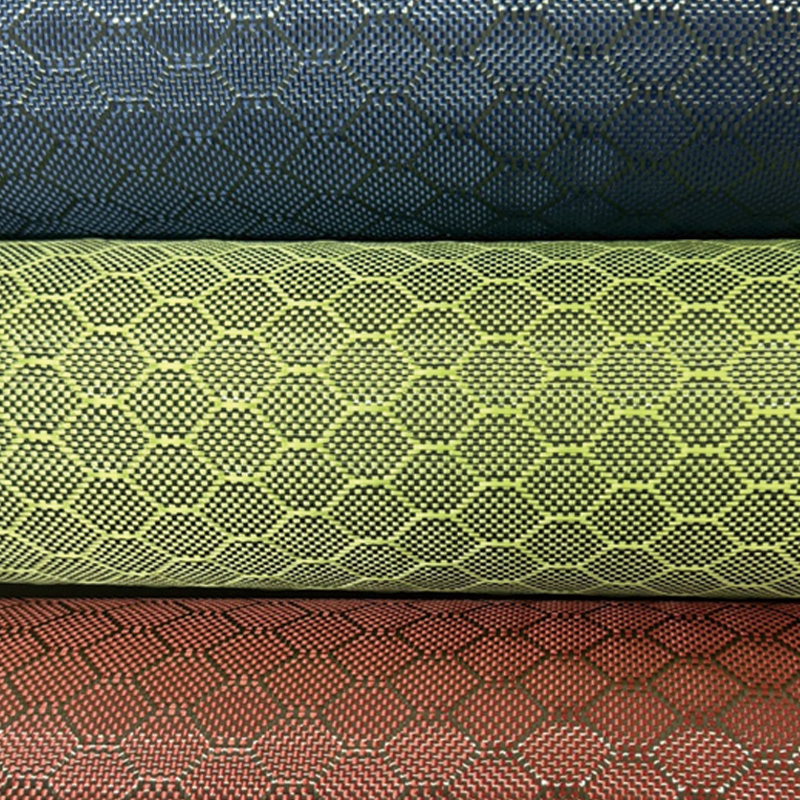
In the evolving landscape of advanced composites, carbon aramid fabric stands as a sophisticated hybrid solution, merging the high modulus and electrical conductivity of carbon fiber with the exceptional impact resistance and dielectric properties of aramid. As industries transition toward smarter, more connected platforms, the ability to manipulate the interaction between these two fibers has become a critical engineering frontier. Jiangyin Dongli New Materials Technology Co., Ltd., operating from a 32,000-square-meter precision-controlled industrial complex, specializes in this intersection. By leveraging our 100,000-grade purification zones and advanced weaving technologies, we provide a high strength carbon aramid hybrid weave that meets the stringent requirements of aerospace, automotive, and high-end electronics sectors.
The Duality of Electrical Properties: Carbon vs. Aramid
The electromagnetic behavior of carbon aramid fabric is governed by the volume fraction and spatial distribution of its constituent fibers. Carbon fiber acts as a conductor, facilitating the movement of electrons and the reflection of electromagnetic waves, while aramid serves as an insulator, providing a dielectric barrier that prevents electrical arcing and reduces weight. According to the 2025 Global Advanced Composites Market Report by Lucintel, the demand for "functionally graded" hybrid fabrics is surging due to the need for materials that offer both structural integrity and tunable electrical resistance. In a lightweight carbon aramid fabric for aerospace, the conductive carbon paths are often strategically isolated by aramid to prevent localized short-circuiting in avionics enclosures.
Source: Lucintel - Global Advanced Composites Market Forecast 2025
Comparative Analysis: Material Electrical Characteristics
Carbon fiber provides the necessary pathways for conductivity, whereas aramid provides the structural insulation required to mitigate unwanted electrical discharge.
| Property | Carbon Fiber (T300/T700) | Aramid Fiber (Para-Aramid) |
| Electrical Conductivity | High ( to S/m) | Insulating ( S/m) |
| Dielectric Constant | High / Reflective | Low / Transparent |
| Dielectric Strength | Low | High (Excellent arc resistance) |
| Hybrid Interaction | Primary EMI Shielding provider | Controls signal attenuation & insulation |
Designing for Precise EMI Shielding Effectiveness (SE)
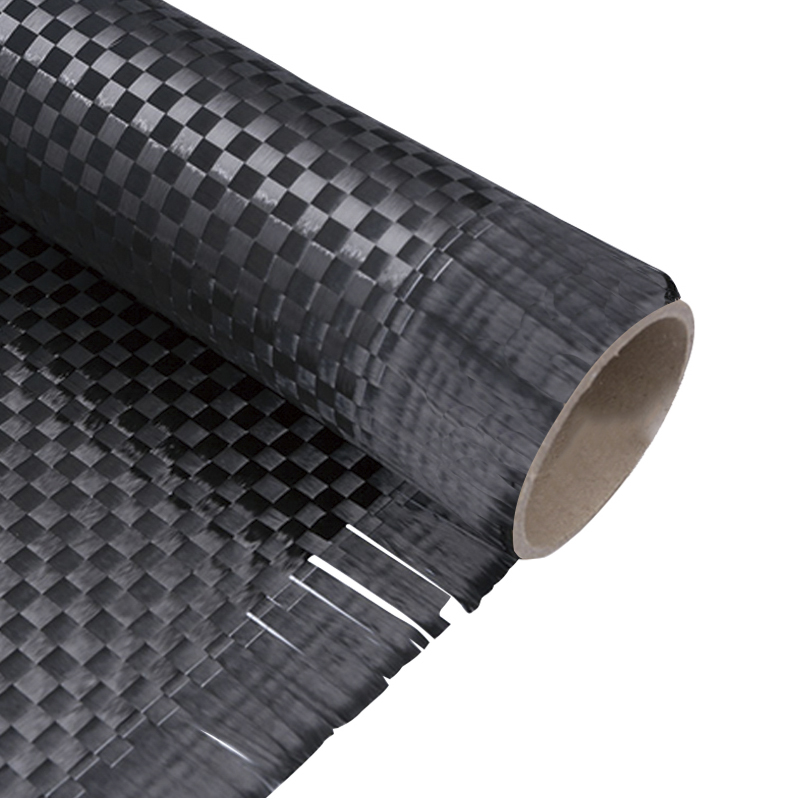
Electromagnetic Interference (EMI) shielding in a carbon aramid fabric is achieved through three primary mechanisms: reflection, absorption, and multiple reflections. By designing the weave pattern—such as plain, twill, or satin—engineers can dictate the density of the conductive grid. A twill weave carbon aramid cloth for impact resistance also serves a secondary function: the tighter the carbon-to-carbon contact points, the higher the EMI Shielding Effectiveness (SE). According to the latest technical standards from the IEEE Electromagnetic Compatibility Society (2024 updates), effective shielding for modern 5G applications requires an SE of at least 30-40 dB, which can be precisely tuned by adjusting the carbon-to-aramid ratio in the warp and weft directions.
Source: IEEE Electromagnetic Compatibility Society - 2024 Technical Standards
Comparison: Weave Patterns and EMI Performance
While plain weaves offer uniform shielding, satin weaves allow for higher fiber density, which significantly enhances the material's absorption of high-frequency electromagnetic waves.
| Weave Design | Carbon Density | EMI Shielding Effectiveness (SE) |
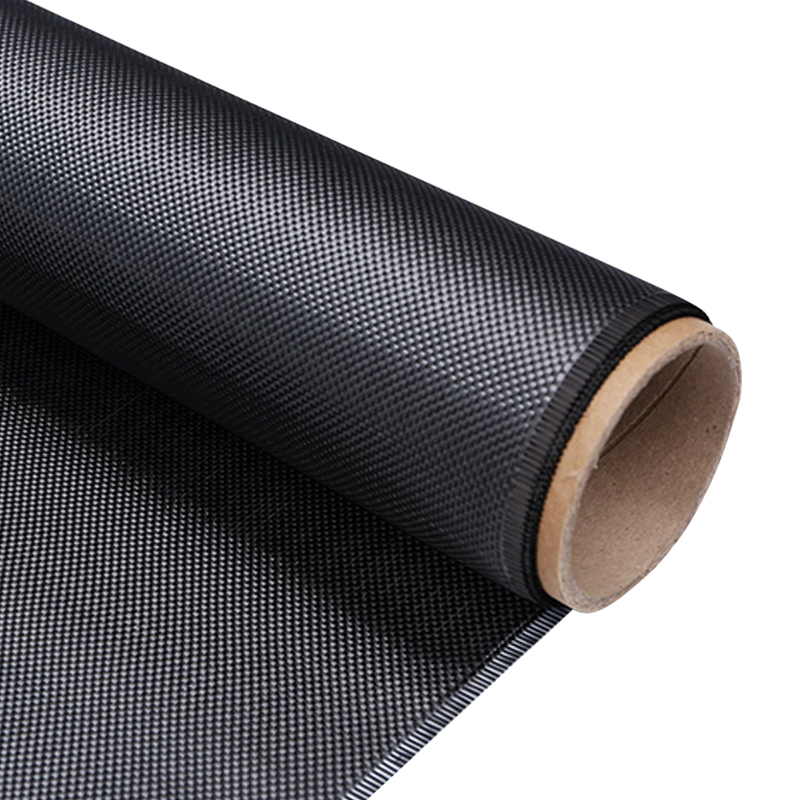
| 1x1 Plain Weave | Standard | Moderate (Balanced reflection) |
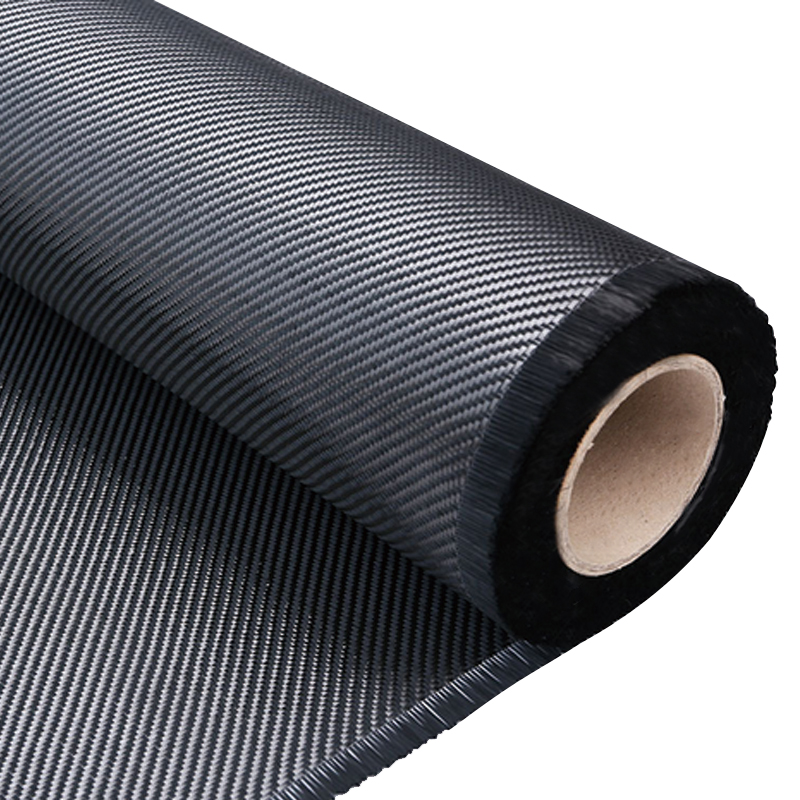
| 2x2 Twill Weave | High | High (Improved conductivity paths) |
| 4-Harness Satin | Very High | Excellent (Optimal for 5G/High-freq) |
| Custom Hybrid (Intarsia) | Variable | Tunable (Selective signal passing) |
Precise Control of Anti-Static and ESD Properties
Beyond EMI shielding, carbon aramid fabric is widely used for Electrostatic Discharge (ESD) protection. In volatile environments, static buildup can lead to catastrophic failure. Through the use of a durable carbon aramid fiber fabric for sports gear or industrial safety shells, we can engineer a specific surface resistivity. By varying the carbon fiber concentration, we move the material from the "insulative" range into the "dissipative" or "conductive" ranges. Jiangyin Dongli utilizes autoclave and RTM processes to ensure that the resin matrix does not interfere with the conductive network, maintaining stable ESD performance across the entire 32,000-square-meter production output.
- Surface Resistivity Control: Precise blending allows for a resistivity range of to ohms/sq.
- Mechanical Synergy: Aramid prevents the brittle fracture of carbon paths during impact, ensuring ESD reliability.
- Thermal Stability: The hybrid structure maintains electrical properties even under extreme thermal cycling in aerospace applications.
- Environmental Purge: Production in 100,000-grade zones prevents contaminants from creating electrical hot spots.
Advanced Manufacturing and Material Innovation
At Jiangyin Dongli New Materials Technology Co., Ltd., we understand that carbon aramid fabric is more than just a textile; it is a functional engineering component. Our capabilities in prepreg processing and vacuum infusion allow for the production of wholesale custom carbon aramid material tailored to specific decibel-reduction targets or weight-to-strength ratios. As a one-stop factory, we offer full process control—from the initial fiber selection to the final spraying or coating of the composite product.
Frequently Asked Questions (FAQ)
1. Does the aramid in the hybrid fabric interfere with EMI shielding?
Aramid is electromagnetic-transparent. While it does not provide shielding, it acts as a spacer that can be used to engineer "multiple reflection" internal gaps, which can actually enhance absorption of certain frequencies in carbon aramid fabric.
2. Can the conductivity of a high strength carbon aramid hybrid weave be customized?
Yes. By altering the carbon fiber tow size (e.g., 3K, 6K, 12K) and the frequency of carbon threads in the weave, we can precisely control the surface and volume resistivity of the material.
3. How does carbon aramid fabric perform in lightning strike protection?
In aerospace applications, lightweight carbon aramid fabric for aerospace provides a conductive path to dissipate energy, while the aramid fibers prevent the structural delamination often seen in pure carbon composites during high-energy events.
4. Is the anti-static property of the fabric permanent?
Since the conductivity is an inherent property of the carbon fibers woven into the durable carbon aramid fiber fabric for sports gear, the anti-static performance will not wash out or degrade like topical chemical treatments.
5. Which weave is best for high-frequency EMI shielding?
A high-density twill or satin weave is generally preferred for high-frequency applications (above 1 GHz) because it maximizes carbon fiber overlap and reduces the "mesh size" through which waves can leak.
 +86-13961668677
 No. 61, Xingyuan Road, Jiefang Village, Gushan Town, Jiangyin City, Jiangsu Province, China.