 Get In Touch
 English
  中文简体
中文简体 عربى
عربى Tiếng Việt
Content
- 1 1. Mechanical Property Profiles: Stiffness vs. Toughness
- 2 2. Impact Resistance and Damage Tolerance
- 3 3. Weight Efficiency and Density Considerations
- 4 4. Application-Specific Selection Criteria
- 5 5. Conclusion: The Hybrid Advantage
- 6 Frequently Asked Questions (FAQ)
- 6.1 1. Is carbon aramid fabric harder to work with than pure carbon?
- 6.2 2. Can I use carbon aramid fabric for DIY structural repairs?
- 6.3 3. How does the carbon aramid fabric price per square meter compare to carbon?
- 6.4 4. Does carbon aramid fabric suffer from UV degradation?
- 6.5 5. Which carbon aramid fabric weave patterns are best for complex curves?
- 7 Industry References
In the field of advanced composite engineering, selecting the optimal reinforcement material requires a delicate balance between stiffness, strength, and toughness. While pure carbon fiber has long been the industry standard for high-modulus applications, the emergence of carbon aramid fabric has introduced a versatile hybrid alternative. Jiangyin Dongli New Materials Technology Co., Ltd., operating from a state-of-the-art 32,000-square-meter facility with 100,000-grade purification zones, specializes in the R&D and production of these high-performance materials. As a one-stop factory integrating autoclave and RTM technologies, we provide technical insights into how hybridizing fibers can solve complex structural challenges that single-fiber systems cannot address.
1. Mechanical Property Profiles: Stiffness vs. Toughness
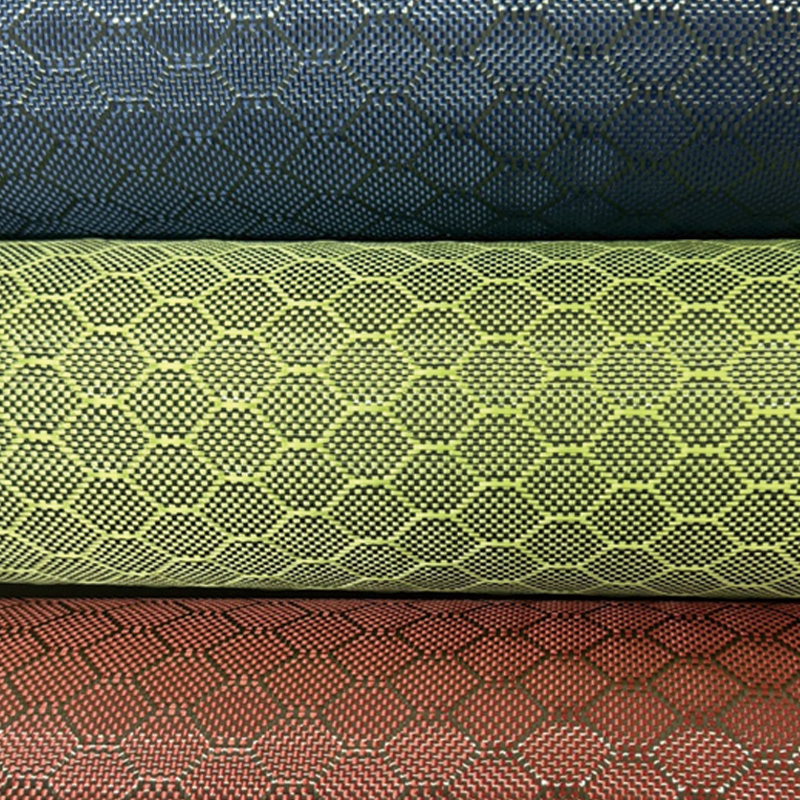
The fundamental difference between these materials lies in their failure modes. Pure carbon fiber is exceptionally stiff but inherently brittle, meaning it offers high tensile strength until it reaches a point of catastrophic failure. In contrast, carbon aramid fabric leverages the high tensile modulus of carbon with the energy-absorbing ductility of aramid (Kevlar). This synergy results in a material that maintains structural integrity even after initial impact. When analyzing carbon kevlar hybrid properties, engineers often find that the hybrid version prevents the "shattering" effect seen in pure carbon components, making it ideal for safety-critical structural reinforcement.
| Mechanical Metric | Pure Carbon Fiber (Standard Modulus) | Carbon Aramid Fabric (Hybrid) |
| Tensile Modulus (Stiffness) | Very High (230-240 GPa) | High (Hybridized range) |
| Impact Energy Absorption | Low (Brittle failure) | Excellent (Ductile energy dissipation) |
| Failure Mode | Sudden fragmentation | Gradual/Fraying (Non-catastrophic) |
2. Impact Resistance and Damage Tolerance
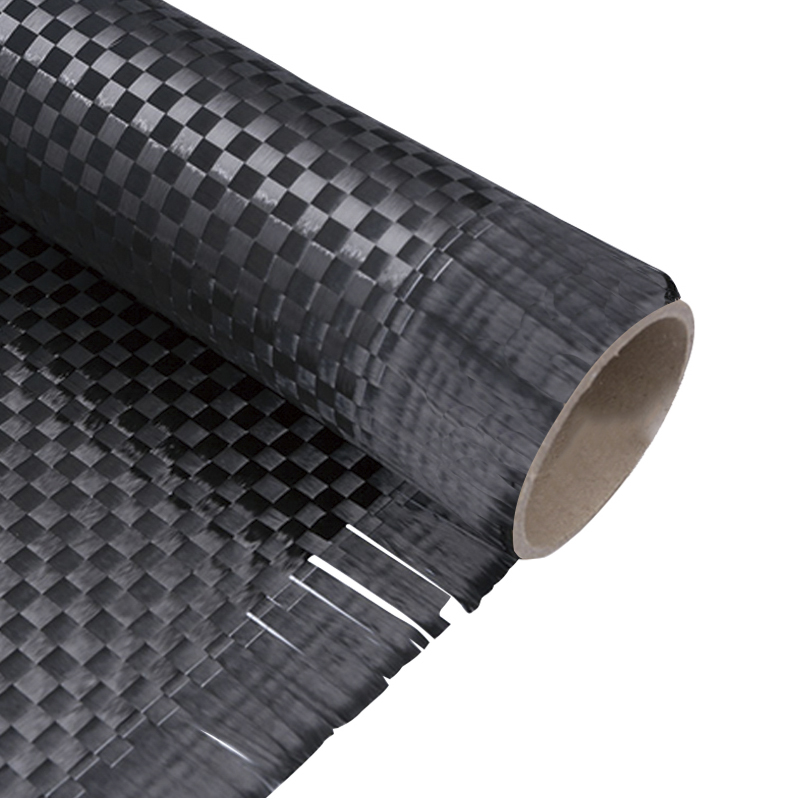
In aerospace and automotive manufacturing, damage tolerance is paramount. Pure carbon fiber laminates are susceptible to delamination and hidden internal damage from low-velocity impacts. However, carbon aramid fabric excels in ballistic and abrasion resistance. The aramid fibers act as a "rip-stop" mechanism, containing cracks and preventing them from propagating through the laminate. For those researching how to cut carbon aramid fabric without fraying, the challenge lies in the toughness of the aramid fibers, which requires specialized serrated shears. This inherent toughness is why hybrid fabrics are preferred for fuel tank protection and underbody shielding in automotive engineering.
| Durability Metric | Pure Carbon Fiber | Carbon Aramid Fabric |
| Abrasion Resistance | Moderate | Superior |
| Vibration Damping | Low | High (Aramid absorbs harmonics) |
| Post-Impact Integrity | Poor (Loss of load path) | Good (Aramid maintains connection) |
3. Weight Efficiency and Density Considerations
Both materials are significantly lighter than traditional metals like steel or aluminum. Aramid fiber has a lower density than carbon fiber, which means a carbon aramid fabric can theoretically offer a higher strength-to-weight ratio in specific orientations. When evaluating carbon aramid fabric vs pure carbon fiber weight, the difference is marginal for small parts but becomes substantial in large-scale aerospace structures. Using Jiangyin Dongli's precision-controlled prepreg processes, we can optimize the fiber-to-resin ratio to maximize these weight savings while ensuring zero-void content in 100,000-grade purification zones.
4. Application-Specific Selection Criteria
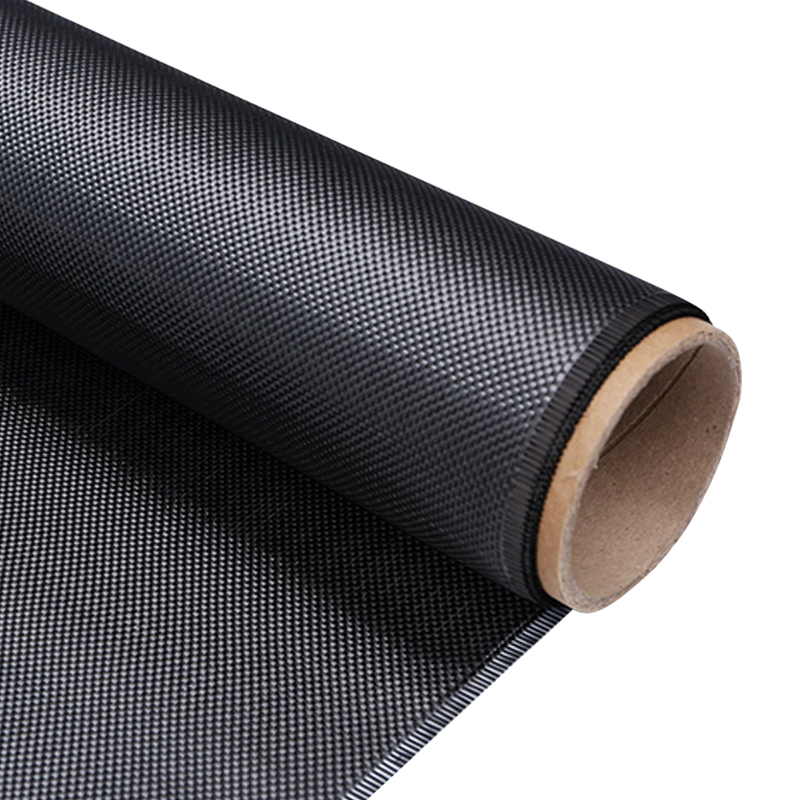
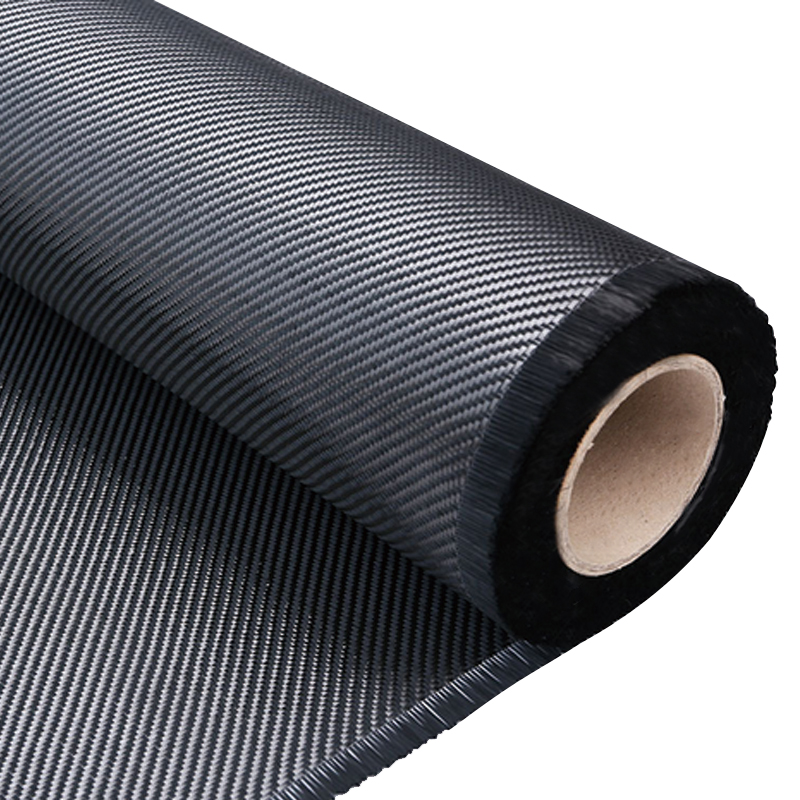
The choice between these materials depends on the loading environment. Pure carbon fiber is the "go-to" for parts requiring absolute dimensional stability and zero flex, such as telescope housings or racing chassis stiffeners. Conversely, structural reinforcement with carbon aramid is chosen for components exposed to "real-world" hazards—debris, vibration, and friction. Understanding carbon aramid fabric weave patterns (such as twill or plain weave) is also vital, as the weave affects the drapability over complex molds during autoclave or RTM processing. Jiangyin Dongli's full process control allows us to customize these weaves to suit aerospace, automotive, and sports equipment development requirements.
| Ideal Application | Pure Carbon Fiber | Carbon Aramid Fabric |
| Aerospace Primary Structures | Yes (Wings/Spar caps) | Specific areas (Leading edges/Shielding) |
| Marine Hulls | Limited (Too brittle for rocks) | High (Impact and abrasion resistance) |
| Sports Equipment | High Stiffness (Golf shafts) | High Impact (Canoes/Helmets) |
5. Conclusion: The Hybrid Advantage
While pure carbon fiber remains the king of stiffness, carbon aramid fabric provides a sophisticated engineering solution for environments where durability and energy absorption are as important as weight. By integrating the R&D of high-performance fiber fabrics with advanced manufacturing technologies like RTM and PCM, Jiangyin Dongli New Materials Technology Co., Ltd. empowers engineers to create structures that are not only light and strong but also resilient and safe. Choosing the right material is not about which fiber is "better," but which composite system provides the necessary safety margins for the intended structural reinforcement.
Frequently Asked Questions (FAQ)
1. Is carbon aramid fabric harder to work with than pure carbon?
Technically, yes. Because aramid fibers are extremely tough, they do not "snap" like carbon during cutting or sanding. You must use specialized tools and understand how to cut carbon aramid fabric properly to prevent edge fraying during the layup process.
2. Can I use carbon aramid fabric for DIY structural repairs?
While possible, it is recommended for professional use. Carbon aramid fabric for structural repair requires precise resin wet-out and vacuum bagging to ensure that the hybrid properties are fully realized without air entrapment between the differing fiber types.
3. How does the carbon aramid fabric price per square meter compare to carbon?
Generally, hybrid fabrics are comparable to high-quality carbon fiber. While aramid fiber itself is slightly more expensive to produce and weave, the multi-functional benefits of impact and abrasion resistance often provide a better cost-to-performance ratio in the long run.
4. Does carbon aramid fabric suffer from UV degradation?
Aramid fibers are sensitive to UV light. However, in a composite structure, the fibers are encapsulated in resin (such as epoxy) and often finished with a UV-resistant clear coat or paint, which mitigates the risk of degradation.
5. Which carbon aramid fabric weave patterns are best for complex curves?
A 2x2 Twill weave is generally preferred for complex geometries. It offers better drapability than a plain weave, allowing the carbon aramid fabric to conform to the tight radii found in automotive mirror caps or aerodynamic fairings.
Industry References
- ASTM D3039: Standard Test Method for Tensile Properties of Polymer Matrix Composite Materials.
- "Hybrid Composites: Carbon and Aramid Fiber Applications," Journal of Composite Materials.
- Technical Data Sheets: High-Performance Fiber Fabrics, Jiangyin Dongli New Materials Technology.
- ISO 9001:2015 - Quality Management Systems for Fiber Prepreg Manufacturing.
 +86-13961668677
 No. 61, Xingyuan Road, Jiefang Village, Gushan Town, Jiangyin City, Jiangsu Province, China.