 Get In Touch
 English
  中文简体
中文简体 عربى
عربى Tiếng Việt
What Is Carbon Fiber Fabric?
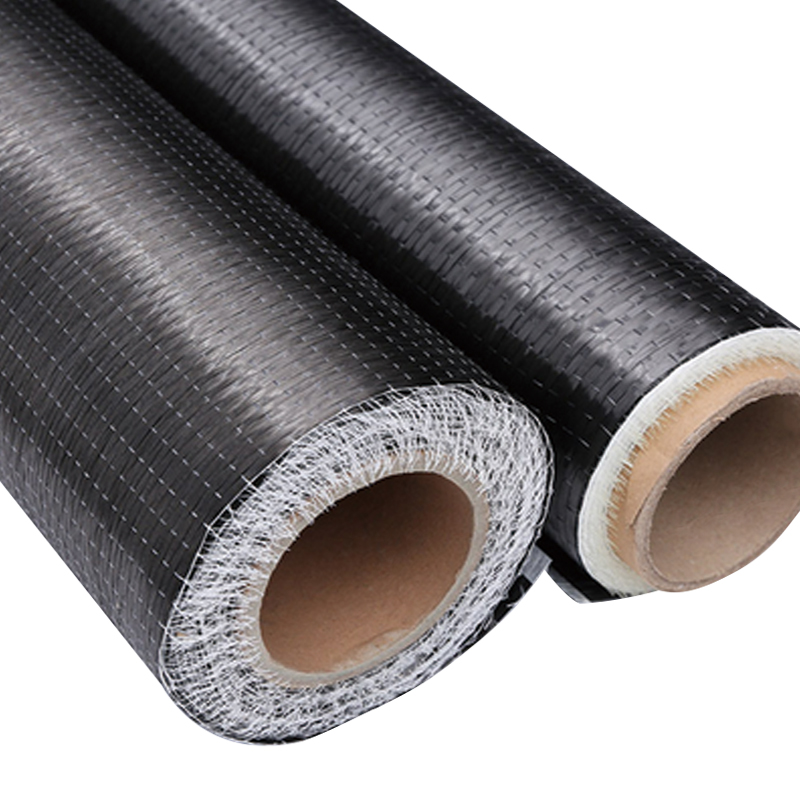
Carbon fiber fabric is a high-performance textile woven from strands of carbon fiber — each strand roughly 5–10 microns in diameter, about 10 times thinner than a human hair. The result is a material that is 5 times stronger than steel yet weighs about 40% less. It combines extreme stiffness, low weight, and excellent resistance to heat and corrosion, making it one of the most engineered materials available today.
How Is Carbon Fiber Fabric Made?
The manufacturing process begins with a precursor material, most commonly polyacrylonitrile (PAN), which accounts for over 90% of commercial carbon fiber production. The process involves several precisely controlled stages:
- Spinning: PAN is dissolved and extruded into fine filaments through a spinneret, similar to how synthetic textiles are made.
- Stabilization (Oxidation): Filaments are stretched and heated in air at 200–300°C for 30–120 minutes. This step crosslinks the polymer chains, preparing them for carbonization.
- Carbonization: The stabilized fibers are heated in an inert nitrogen atmosphere at temperatures between 1,000°C and 1,500°C. At this stage, non-carbon atoms (hydrogen, nitrogen, oxygen) are expelled, leaving a fiber that is over 92% pure carbon.
- Graphitization (optional): For ultra-high-modulus fibers, temperatures can reach 2,000–3,000°C, aligning carbon atoms into a more ordered graphite-like lattice for greater stiffness.
- Surface treatment: The surface is chemically etched and coated with a sizing agent (typically epoxy-compatible) to improve adhesion when used in composites.
- Spooling & weaving: Finished tow bundles (e.g., 3K = 3,000 filaments, 12K = 12,000 filaments) are wound onto bobbins and fed into looms for weaving.
The total process from raw PAN to finished carbon fiber fabric typically takes several hours per batch and requires tightly controlled industrial equipment.
How Is Carbon Fiber Woven?
Like conventional textiles, carbon fiber fabric is produced on industrial looms. The weave pattern significantly affects the mechanical properties, drape, and appearance of the final cloth. The most common weave styles are:
| Weave Type | Pattern | Characteristics | Typical Use |
|---|---|---|---|
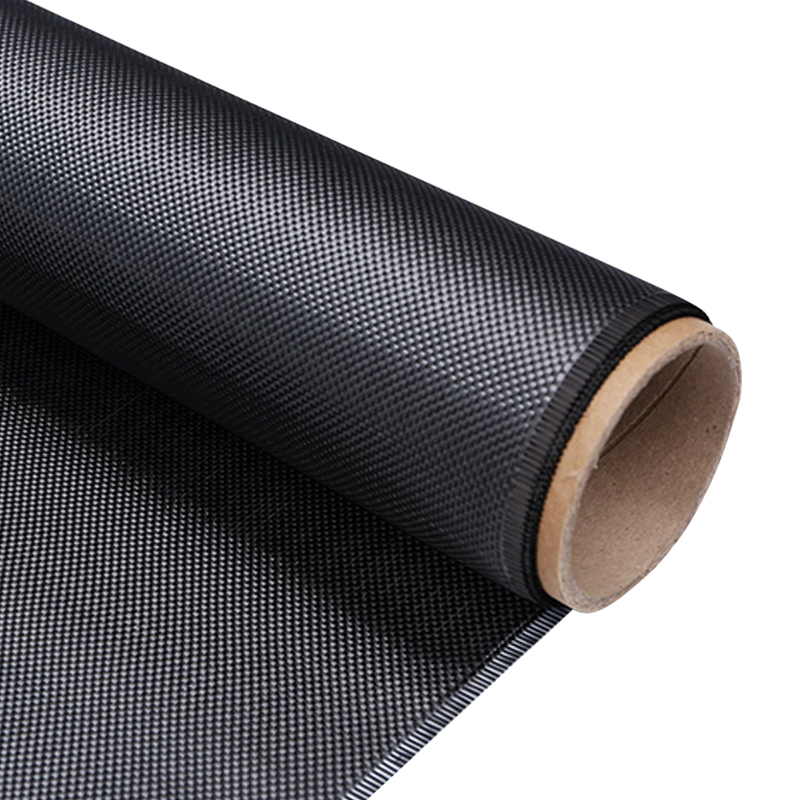
| Plain weave | 1×1 over-under | Balanced, stable, less drapeable | Flat panels, structural laminates |
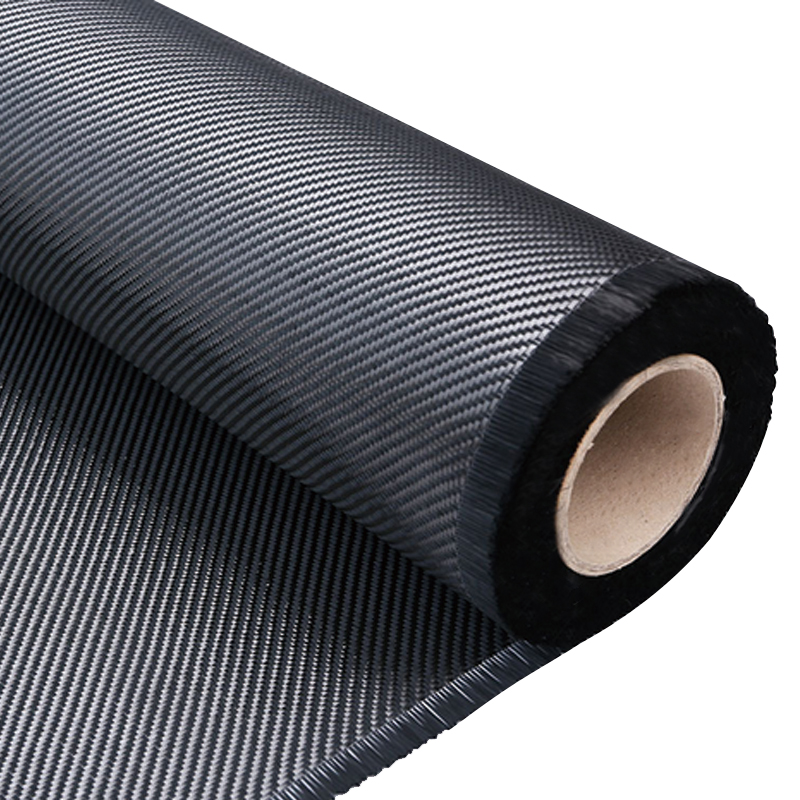
| Twill weave (2×2) | Diagonal 45° pattern | Good drape, smooth surface, classic look | Automotive bodywork, aesthetic parts |
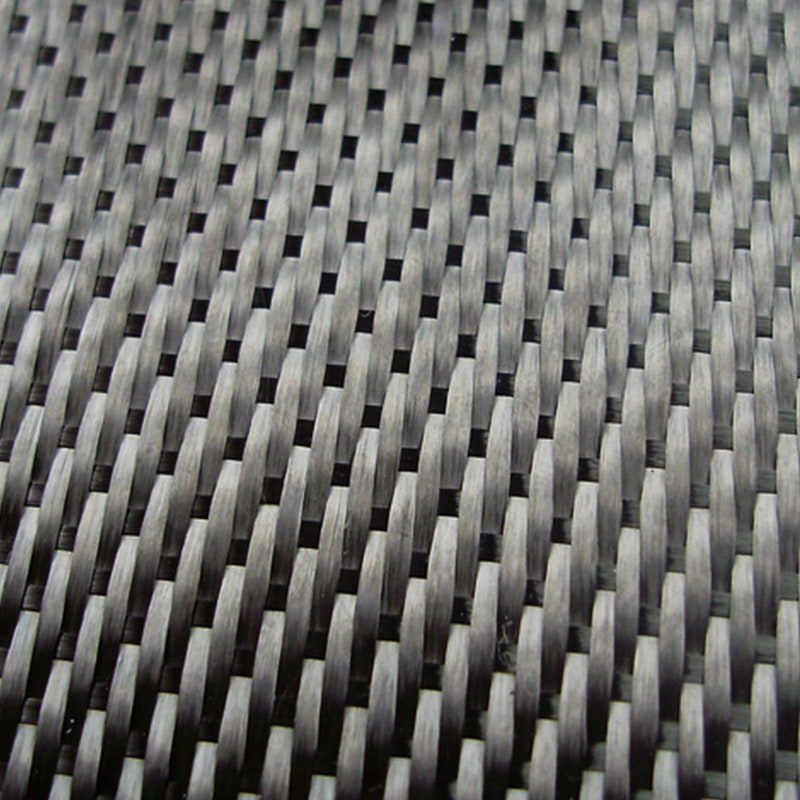
| Satin weave (4H, 5H, 8H) | Longer float pattern | Excellent conformability over curves | Aerospace complex shapes |
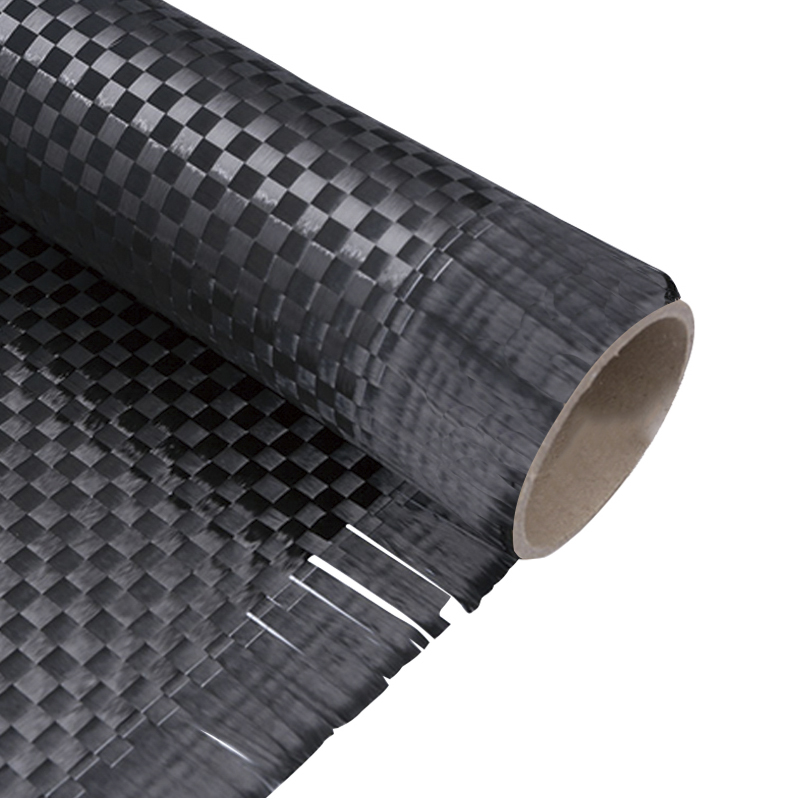
| Unidirectional (UD) | Parallel fibers, no perpendicular weave | Maximum strength in one axis | Structural beams, sports equipment |
The 2×2 twill is the most recognizable — it produces the iconic diagonal herringbone pattern associated with high-performance sports cars and premium consumer goods. Woven fabrics are typically sold by weight in grams per square meter (gsm); common weights range from 100 gsm (lightweight, good drape) to 600 gsm (heavy structural use).
Is Carbon Fiber Cloth Waterproof?
Bare carbon fiber fabric is not inherently waterproof. The raw woven cloth is porous and will absorb water. However, carbon fiber composites — where the fabric is infused or laminated with a resin system (epoxy, vinyl ester, or polyester) — become effectively waterproof once cured.
Key points on moisture behavior:
- Dry carbon fiber fabric absorbs water readily and should be stored in sealed packaging to prevent contamination before layup.
- Cured carbon fiber/epoxy composites have very low water absorption — typically less than 1% by weight even after extended immersion, far better than fiberglass.
- Galvanic corrosion is a concern: carbon fiber is electrically conductive and can accelerate corrosion in aluminum or steel fasteners when moisture is present. Proper isolation is critical in marine and aerospace applications.
- Prolonged UV exposure can degrade the resin matrix (not the carbon fibers themselves), causing surface chalking. A UV-resistant topcoat or gel coat resolves this for outdoor use.
For marine use, carbon fiber composite parts are common in racing yacht hulls, masts, and rudders precisely because of their combination of low weight and low water absorption.
What Is Carbon Fiber Fabric Used For?
The global carbon fiber market was valued at approximately USD 4.7 billion in 2023 and is projected to exceed USD 9 billion by 2030, driven by demand across multiple industries.
Aerospace & Defense
This remains the largest and most demanding application. Boeing's 787 Dreamliner uses carbon fiber composites for approximately 50% of its structural weight, including the fuselage and wings. Airbus A350 similarly relies on carbon fiber for over 50% of its airframe. The material enables fuel savings of up to 20% compared to traditional aluminum aircraft.
Automotive
Carbon fiber is standard in Formula 1 chassis construction, where the entire monocoque is a carbon fiber composite. In production vehicles, it appears in roof panels, hoods, bumpers, and interior trim. The BMW i3 and i8 used a carbon fiber reinforced plastic (CFRP) passenger cell — a significant milestone in mainstream automotive adoption. Supercars like the Ferrari SF90 and McLaren Senna use extensive carbon fiber bodywork to keep weight below 1,500 kg despite powerful hybrid drivetrains.
Wind Energy
Wind turbine blades over 60 meters long require carbon fiber spar caps to maintain structural rigidity under cyclic loading. A single offshore turbine blade can contain over 1 ton of carbon fiber. The wind energy sector consumed approximately 30,000 metric tons of carbon fiber in 2022.
Sporting Goods
Carbon fiber is ubiquitous in high-performance sports equipment:
- Road bicycle frames (typical weight: 700–900g for a full frameset)
- Tennis rackets, golf club shafts, hockey sticks
- Rowing oars and kayak paddles
- Competition prosthetics (e.g., running blades)
Civil Engineering & Construction
Carbon fiber reinforced polymer (CFRP) sheets and strips are used to strengthen aging concrete structures — bridges, columns, and parking garages — by bonding them to the exterior surface. This method increases load capacity without adding significant weight or requiring structural demolition.
Medical Devices
Carbon fiber's radiolucency (it does not block X-rays) makes it ideal for surgical tables, orthopedic implant components, and imaging equipment. It also appears in prosthetic limbs, where its stiffness-to-weight ratio closely mimics the mechanical properties of bone.
Fabric vs. Prepreg: Choosing the Right Form
Carbon fiber is sold in two principal forms for composite fabrication:
- Dry fabric: Plain woven cloth requiring separate resin infusion (wet layup or vacuum infusion). Lower cost, longer shelf life at room temperature, preferred for large parts and custom shops.
- Prepreg: Fabric pre-impregnated with partially cured resin. Requires refrigerated storage (typically at −18°C), but delivers more consistent fiber-to-resin ratios and is standard in aerospace manufacturing.
For structural applications where exact mechanical properties must be certified, prepreg with autoclave curing is the industry standard. For cosmetic parts and custom fabrication, dry fabric with hand layup or vacuum infusion is far more accessible and cost-effective.
 +86-13961668677
 No. 61, Xingyuan Road, Jiefang Village, Gushan Town, Jiangyin City, Jiangsu Province, China.