 Get In Touch
 English
  中文简体
中文简体 عربى
عربى Tiếng Việt
Content
The Synergy of Hybrid Reinforcement
- Material Composition: Carbon aramid fabric is a high-performance hybrid material that combines the high tensile strength and rigidity of carbon fiber with the impact resistance and toughness of aramid (Kevlar). When sourcing, the most critical specification is the fiber ratio, which determines whether the composite will prioritize structural stiffness or energy absorption.
- Weight and Thickness: Measured in grams per square meter (gsm), common weights range from 160gsm to 300gsm. Lower weights are ideal for precision aerospace components, while heavier weights are utilized in protective automotive panels.
- Engineering Excellence: Jiangyin Dongli New Materials Technology Co., Ltd. operates a 32,000-square-meter industrial complex with 100,000-grade purification zones. We integrate material innovation with engineering expertise to provide technical sectors with high-performance fiber composite materials.
Critical Weave Patterns and Their Applications
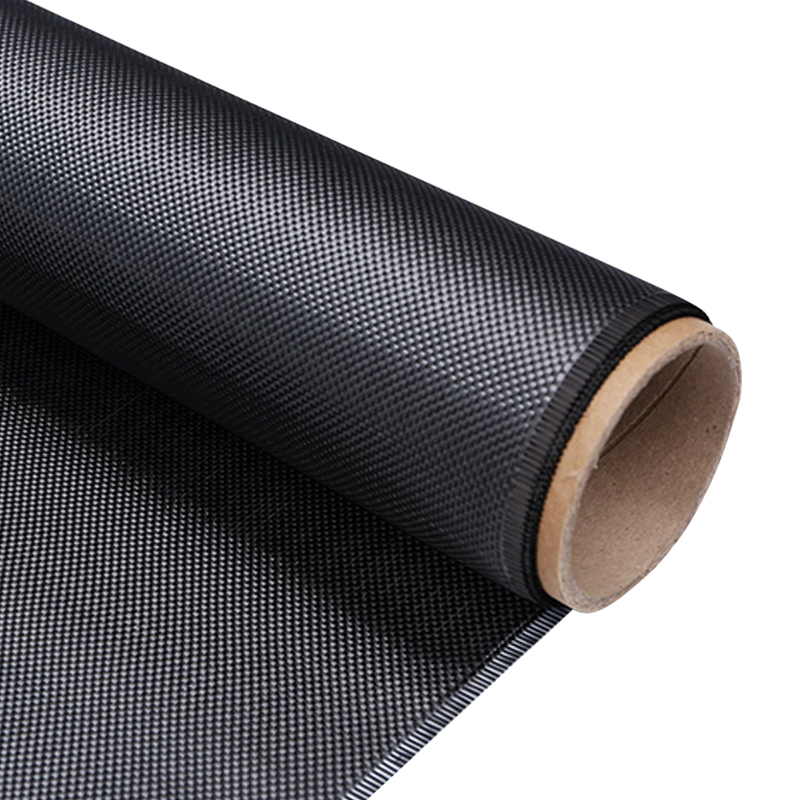
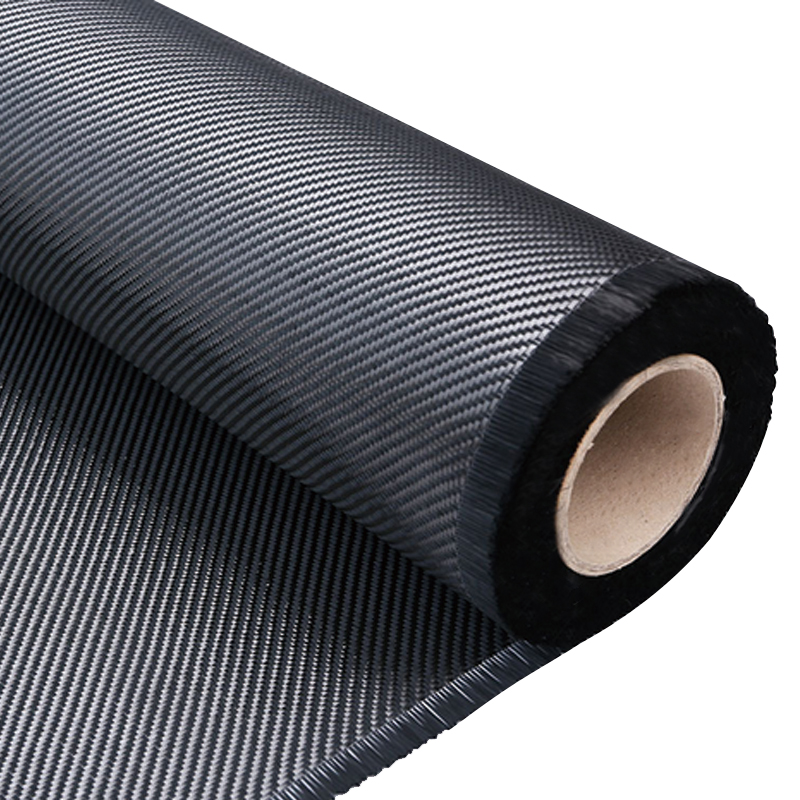
- Plain vs. Twill Weave: The weave pattern dictates the fabric's drapability and aesthetic. A plain weave offers a stable structure for flat panels, while a twill weave provides better "drape," allowing the fabric to conform to complex 3D curves in automotive manufacturing or sports equipment development.
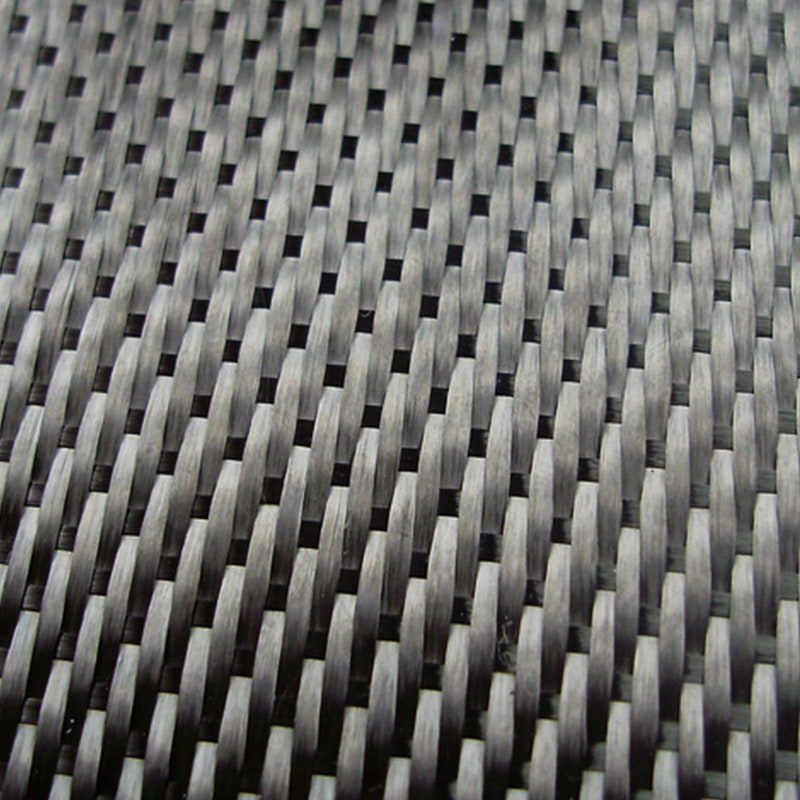
- Fiber Count (Tow Size): Specifications often cite "3K Carbon" paired with "1500D Aramid." The "K" refers to thousands of filaments per tow, while "D" (Denier) measures the linear mass of the aramid. Matching these counts is essential for maintaining a uniform surface finish and consistent resin impregnation.
- Precision Manufacturing: Our capabilities include the R&D and production of high-performance fiber fabrics through advanced weaving and prepreg processes, ensuring that every meter of fabric meets the strict tolerances required for aerospace engineering.
Mechanical Properties and Process Compatibility
- Tensile Strength and Modulus: Beyond the fabric itself, the "dry" specifications must align with your chosen resin system. Carbon aramid hybrid fabric is prized for its high strength-to-weight ratio and its "fail-safe" property—where the carbon provides the load-bearing capacity and the aramid prevents catastrophic shattering upon impact.
- Process Technology: As a one-stop factory, Dongli supports various composite manufacturing technologies, including Autoclave, RTM (Resin Transfer Molding), PCM, and WCM. Buyers must specify whether they require dry fabric or "prepreg" (pre-impregnated with resin), as this dictates the storage conditions (climate-regulated workshops) and shelf life.
- Full Process Control: By managing the full process from fiber weaving to the finished composite product, we ensure that the aramid carbon mixed fabric performs reliably in extreme environments, such as high-impact sports gear or structural automotive parts.
Technical Specification: Carbon Aramid Fabric Buying Matrix
| Specification Metric | Aerospace Grade | Automotive / Sports Grade |
| Weight (gsm) | 160 - 200 gsm | 200 - 300+ gsm |
| Weave Style | Twill 2x2 or Satin | Plain or Twill |
| Carbon Tow | 1K / 3K High Modulus | 3K / 6K Standard Modulus |
| Aramid Grade | High Tenacity (Kevlar 49) | Standard (Kevlar 29) |
| Typical Resin | Epoxy (Prepreg) | Epoxy / Polyester (Infusion) |
Why Partner with Jiangyin Dongli New Materials?
- Climate-Controlled Environments: High-performance fibers are sensitive to humidity and contaminants. Our precision-controlled production environments and 100,000-grade purification zones guarantee material purity for critical technical sectors.
- R&D and Innovation: We don't just weave fabric; we develop solutions. Our R&D team works on composite products utilizing RMCP, PCM, and spraying technologies to meet the evolving needs of modern engineering.
- Quality Assurance: Our integration of material innovation and engineering expertise allows us to serve as a reliable partner for global industries, providing consistent quality from the initial weave to the final cured part.
Hardcore Technical FAQ
- Why mix carbon and aramid?: Carbon is brittle but stiff; aramid is flexible but tough. Mixing them creates a "hybrid" that is stiff enough for structural use but tough enough to survive high-impact collisions without splintering.
- Can I cut carbon aramid fabric with standard scissors?: No. Aramid fibers are extremely abrasion-resistant. You require specialized serrated shears specifically designed for Kevlar/aramid to achieve a clean edge.
- How does UV exposure affect the fabric?: Aramid is sensitive to UV light and can degrade over time. It is essential that the final composite part is coated with a UV-resistant clear coat or paint.
- What is the benefit of the RTM process for this fabric?: RTM (Resin Transfer Molding) allows for high-volume production with excellent surface finish and consistent fiber-to-resin ratios, which is vital for automotive components.
- Does Dongli provide custom weave patterns?: Yes. As a one-stop factory, we can customize the hybrid ratio and weave design to meet specific engineering requirements for color, strength, or aesthetics.
Technical References
- ASTM D3039: Standard Test Method for Tensile Properties of Polymer Matrix Composite Materials.
- ISO 15024: Fiber-reinforced plastic composites — Determination of mode I interlaminar fracture toughness.
- BMS 8-256: Boeing Material Specification for carbon/epoxy prepreg systems.
 +86-13961668677
 No. 61, Xingyuan Road, Jiefang Village, Gushan Town, Jiangyin City, Jiangsu Province, China.