 Get In Touch
 English
  中文简体
中文简体 عربى
عربى Tiếng Việt
Content
- 1 Understanding the Aesthetic and Technical Role of Colored Carbon Fiber
- 2 Choosing the Optimal Weave Pattern
- 3 Selecting the Correct Fabric Weight (GSM)
- 4 Technical Specification: Colored Carbon Fiber Weave Comparison
- 5 Advanced Production and Quality Assurance
- 6 Hardcore Technical FAQ
- 7 Technical References
Understanding the Aesthetic and Technical Role of Colored Carbon Fiber
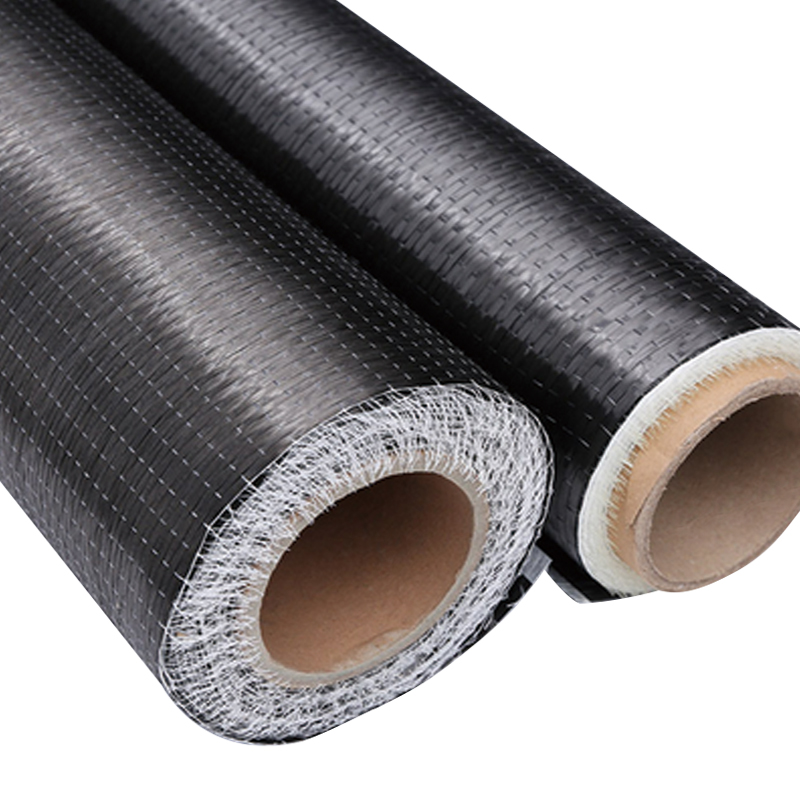
- Material Composition: Colored carbon fiber cloth is typically a hybrid textile, weaving high-strength carbon fiber with dyed aramid (Kevlar) or metallic-coated glass fibers. This combination maintains the iconic carbon "look" while introducing vibrant hues like ruby red, cobalt blue, or emerald green into the automotive cabin.
- Visual Depth and Reflectivity: In custom interiors, the interaction of light with the weave is paramount. High-performance fiber fabrics from Jiangyin Dongli New Materials Technology Co., Ltd. are produced in climate-regulated workshops to ensure that every strand is perfectly aligned, preventing visual "distortions" in the final high-gloss finish.
- Engineering Expertise: As a one-stop factory, Dongli integrates R&D with advanced weaving and prepreg processes. Our 32,000-square-meter industrial complex allows us to control the tension and purity of the weave, ensuring a premium finish for luxury automotive manufacturing.
Choosing the Optimal Weave Pattern
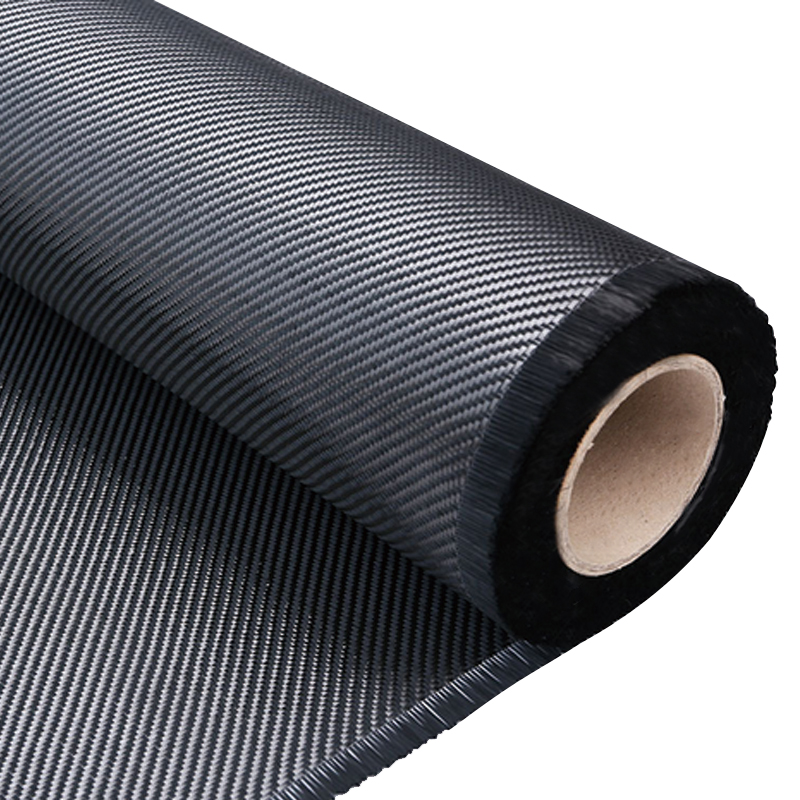
- 2x2 Twill Weave: The industry standard for automotive interiors. The diagonal ribbing provides a 3D depth that follows the contours of dashboards and center consoles beautifully. It is more pliable than plain weave, making it easier to drape over complex, curved interior trim pieces.
- Honeycomb (Hexagonal) Weave: A specialized technical weave that offers a modern, high-tech aesthetic. It is often used for focal points like steering wheel inserts or door handle trim. This pattern requires precise handling to maintain geometric symmetry during the vacuum bagging or autoclave process.
- One-Stop Manufacturing Support: Dongli utilizes 100,000-grade purification zones and advanced RTM/PCM technologies to ensure that complex carbon fiber woven cloth patterns are cured without air entrapment or weave shifting, preserving the designer's intent.
Selecting the Correct Fabric Weight (GSM)
- Lightweight (200gsm - 240gsm): Ideal for decorative "skinning" or overlaying existing plastic interior parts. The thinner profile ensures that clearance for buttons, vents, and switches remains within factory tolerances.
- Standard Weight (300gsm+): Used for structural or semi-structural interior components, such as custom seat backs or door panels. These provide more "substance" and are better suited for the RMCP (Reinforced Material Compression Process) used in high-end automotive development.
- High-Performance Standards: Whether for aerospace engineering or sports equipment, our fiber fabrics meet rigorous technical sectors' standards. Selecting the right weight ensures the perfect balance between the lightweight properties of carbon fiber cloth and the structural rigidity required for interior safety.
Technical Specification: Colored Carbon Fiber Weave Comparison
| Weave Type | Visual Characteristic | Drapability (Curvature) | Application Suitability |
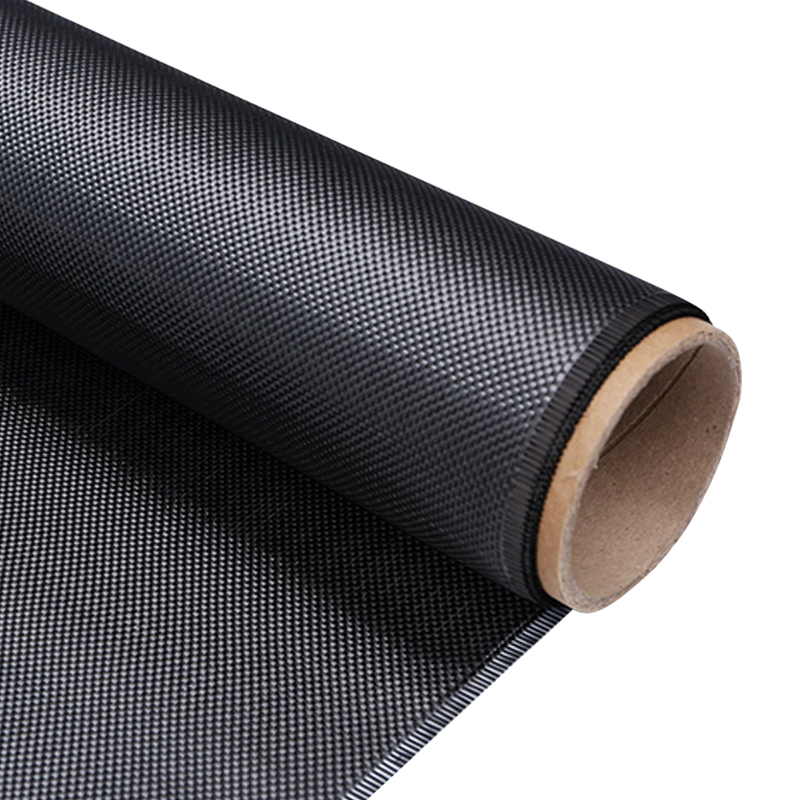
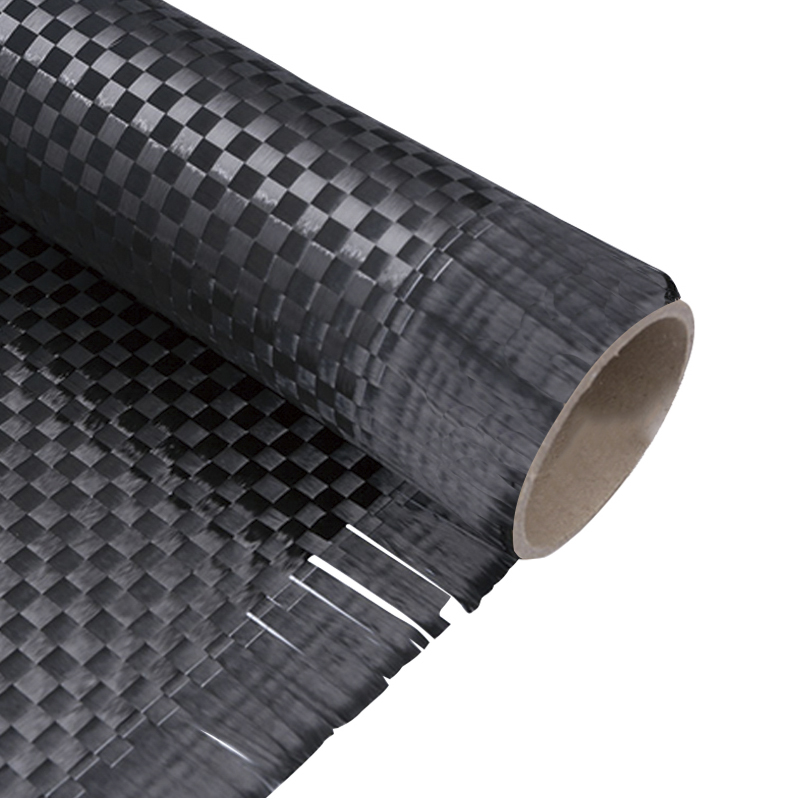
| Plain Weave | Classic "Checkerboard" | Low (Stiff) | Flat surfaces, inserts |
| 2x2 Twill | Diagonal / 3D Depth | High (Excellent) | Dashboards, consoles, complex curves |
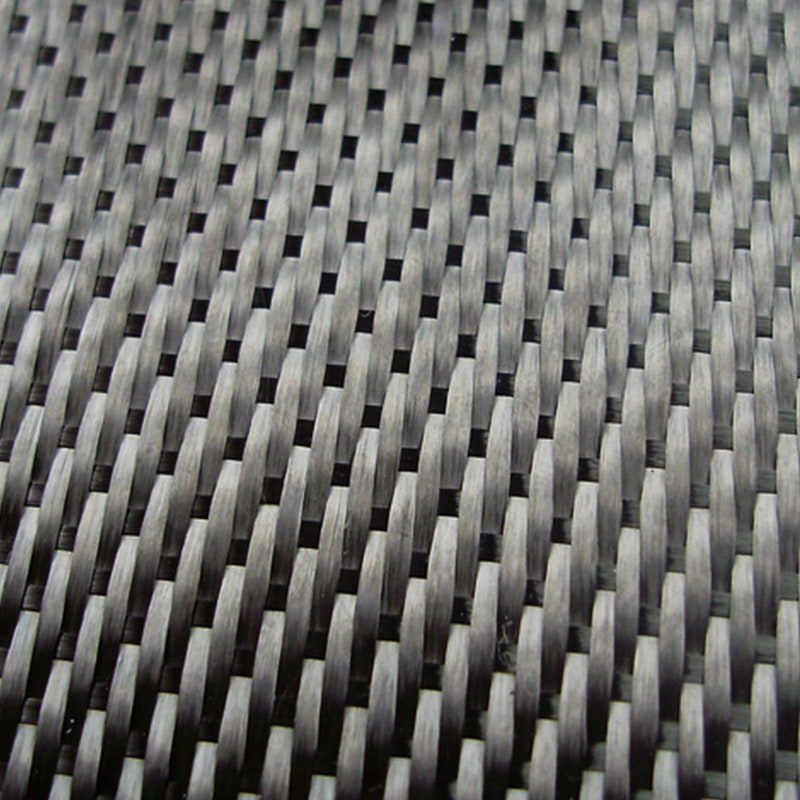
| Satin Weave | Smooth / Silk-like | Very High | Highly intricate moldings |
| Honeycomb | Geometric / Tech | Moderate | Show cars, steering wheels |
Advanced Production and Quality Assurance
- Full Process Control: From the R&D of high-performance fiber fabrics to the final spraying technology, Dongli maintains full-process control. This is vital for colored carbon fiber cloth, as inconsistencies in the hybrid weaving process can lead to visible color bleeding or "gaps" in the carbon pattern.
- Diverse Composite Technologies: Our capabilities include autoclave, RTM (Resin Transfer Molding), and WCM (Wet Compression Molding). These processes allow us to provide customized solutions for automotive manufacturers looking for consistent, high-end interior finishes.
- Global Strategic Reach: Based in Jiangyin, we leverage our precision-controlled environments to deliver materials that meet the "zero defect" expectations of the global luxury automotive market.
Hardcore Technical FAQ
- Does the color in the fiber fade over time?: No, provided a high-quality UV-resistant clear coat is used. Our hybrid fabrics use aramid or glass fibers that are solution-dyed or metallic-coated, ensuring permanent color brilliance.
- Is colored carbon fiber as strong as traditional black fiber?: In interior applications, the difference is negligible. However, because it is a hybrid fabric, the mechanical properties are a blend of carbon and the secondary colored fiber.
- Can I use standard epoxy resin with colored carbon cloth?: Yes, but for the best visual results, a "water-clear" resin with high UV stability is recommended to prevent yellowing that would obscure the vibrant color of the cloth.
- What is the difference between "Prepreg" and "Dry" cloth?: Prepreg cloth is already impregnated with resin and must be stored in a cold environment. It offers the most precise resin-to-fiber ratio for professional-grade automotive parts.
- Why is a climate-regulated workshop important?: Humidity affects the resin's bond to the fiber. By controlling the environment, Dongli ensures that our colored carbon fiber cloth is free from moisture-induced defects like micro-delamination.
Technical References
- ISO 15024: Fiber-reinforced plastics — Determination of mode I interlaminar fracture toughness.
- ASTM D3039: Standard Test Method for Tensile Properties of Polymer Matrix Composite Materials.
- SAE J2253: Performance requirements for automotive interior trim materials.
 +86-13961668677
 No. 61, Xingyuan Road, Jiefang Village, Gushan Town, Jiangyin City, Jiangsu Province, China.