 Get In Touch
 English
  中文简体
中文简体 عربى
عربى Tiếng Việt
Content
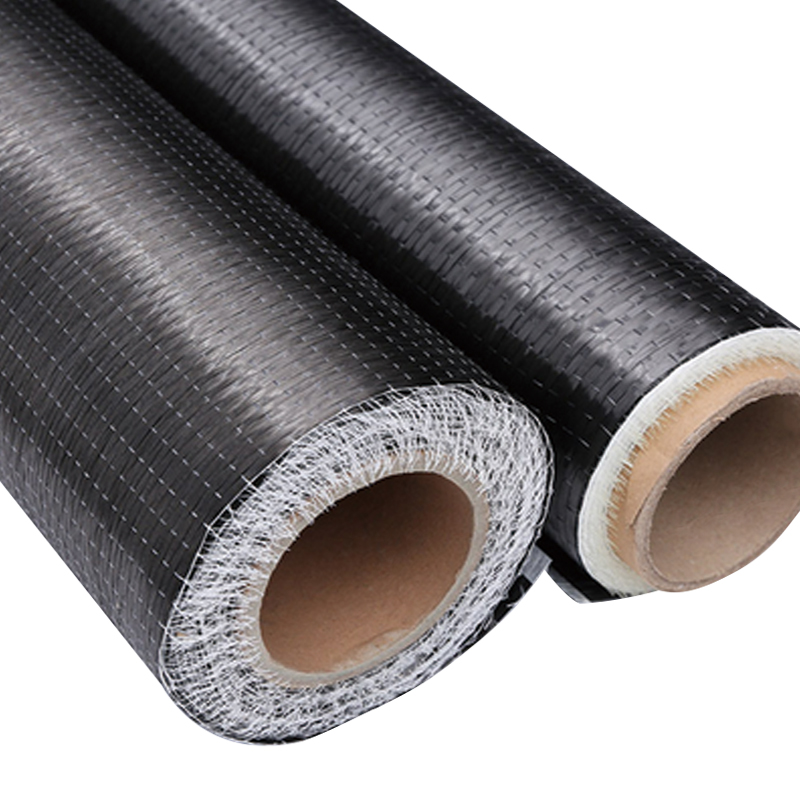
Pure carbon fabric is a woven or non-crimp textile made entirely from carbon fiber filaments, with no blended fibers of glass, aramid, or other materials. It is exceptionally strong — delivering a tensile strength of 3,500–7,000 MPa depending on fiber grade — yet remarkably lightweight, typically weighing between 80 and 600 gsm. While stiff along its fiber axis, it is not inherently soft to the touch in raw form; however, it becomes rigid and structural once laminated with resin, making it one of the highest-performance engineering materials available today.
What Material Is Pure Carbon Fabric?
Pure carbon fabric is made from carbon fiber, which itself is produced by thermally processing precursor materials — most commonly polyacrylonitrile (PAN), but also pitch or rayon — at temperatures between 1,000°C and 3,000°C in an inert atmosphere. This carbonization process removes nearly all non-carbon elements, leaving behind thin filaments that are 92–99%+ pure carbon by mass.
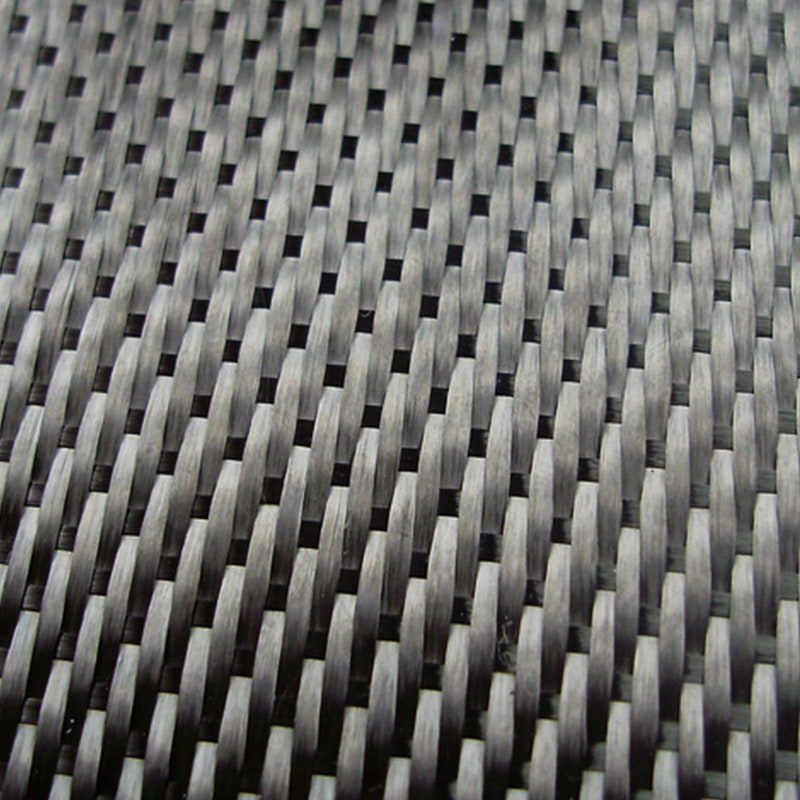
Individual carbon filaments are extremely fine, typically 5–10 micrometers in diameter (roughly 10 times thinner than a human hair). Thousands of these filaments are bundled into tows — commonly designated as 1K, 3K, 6K, 12K, or 24K, where K = 1,000 filaments. These tows are then woven into fabric using industrial looms, producing sheets with a defined weave architecture.
The most common weave patterns used in pure carbon fabric include:
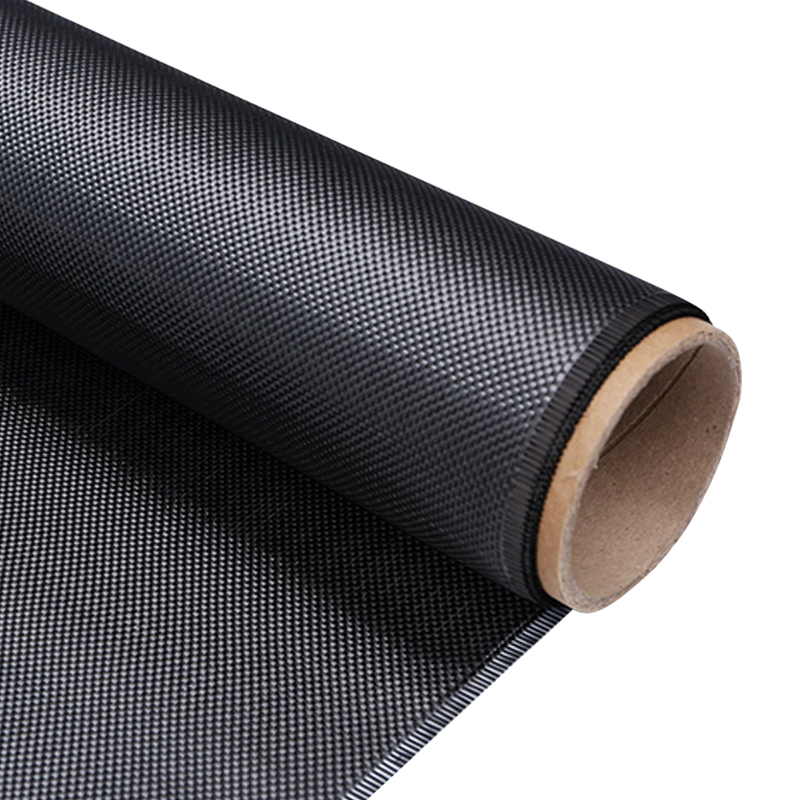
- Plain weave — each tow crosses alternately over and under adjacent tows. Produces a tight, balanced structure with good dimensional stability. Widely used in aerospace panels and visible cosmetic surfaces.
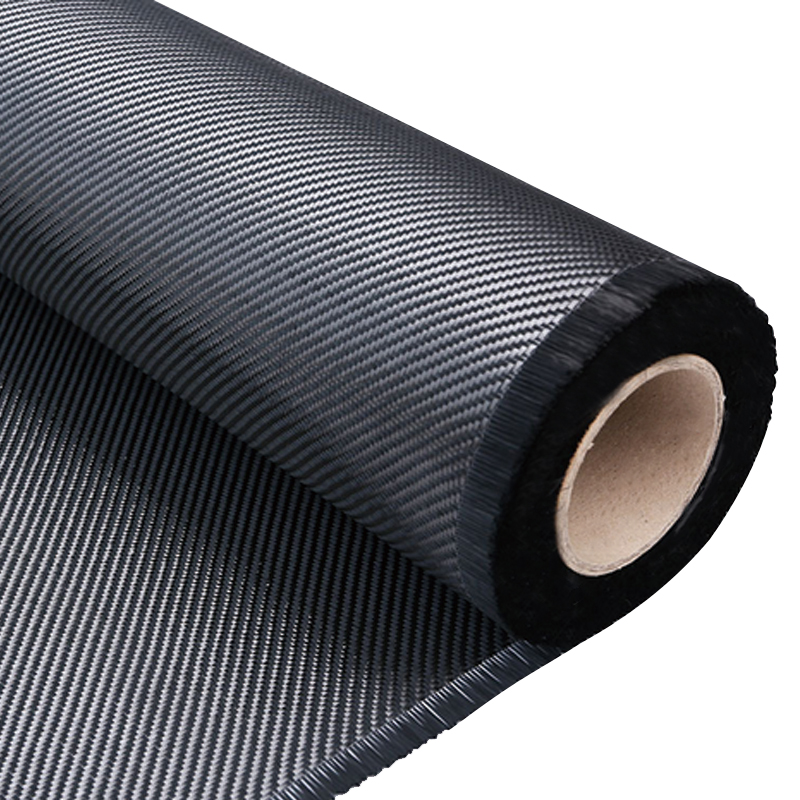
- Twill weave (2x2 or 4x4) — tows pass over two or more adjacent tows before going under, creating the characteristic diagonal ribbed pattern. Offers better drape over complex curves than plain weave, making it preferred for automotive bodywork and sporting goods.
- Satin weave (4HS, 5HS, 8HS) — tows float over multiple interlacings before passing under, resulting in a very smooth surface and excellent drape. Used where surface finish and conformability to tight radii are critical.
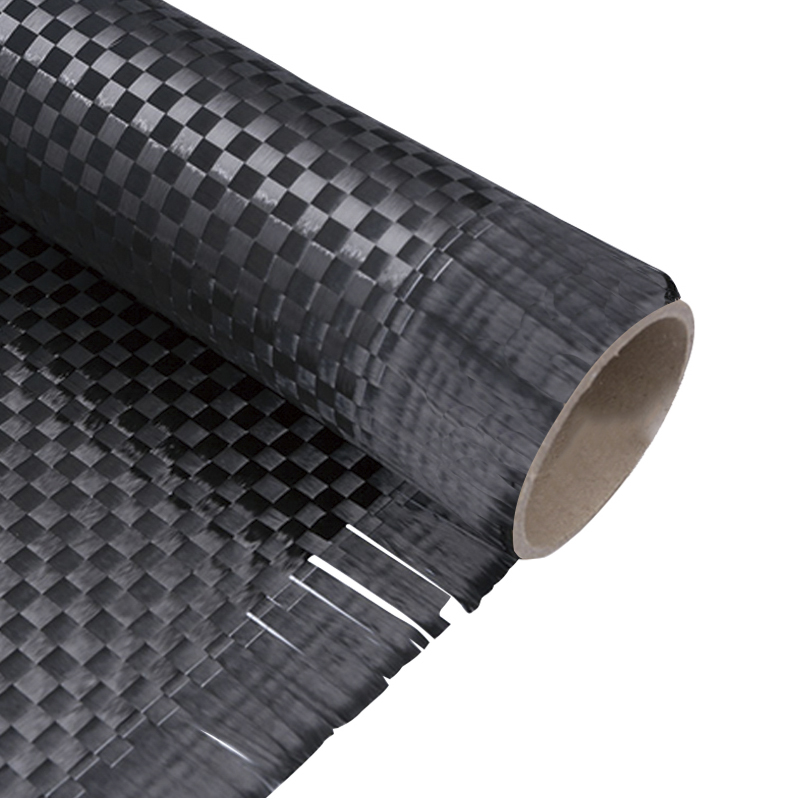
- Unidirectional (UD) — fibers run in one direction only, held together by light cross-threads or stitching. Maximum stiffness and strength along the fiber axis; typically used in structural laminates where load direction is predictable.
Is Pure Carbon Strong? The Numbers Explained
Yes — pure carbon fabric is one of the strongest materials by weight available in commercial form. Its mechanical performance is defined by the grade of carbon fiber used and the weave architecture of the fabric. The comparison below places it in context against other common structural materials:
| Material | Tensile Strength (MPa) | Density (g/cm3) | Specific Strength* |
|---|---|---|---|
| Standard carbon fiber (T300) | 3,530 | 1.76 | 2,006 |
| High-strength carbon fiber (T700) | 4,900 | 1.80 | 2,722 |
| High-modulus carbon fiber (M40) | 2,740 | 1.81 | 1,514 |
| Structural steel (ASTM A36) | 400–550 | 7.85 | 57–70 |
| Aluminum alloy (6061-T6) | 310 | 2.70 | 115 |
| E-glass fiber | 3,450 | 2.54 | 1,358 |
| Aramid (Kevlar 49) | 3,000 | 1.44 | 2,083 |
*Specific strength = tensile strength divided by density (MPa / g/cm3). Higher values mean stronger per unit of weight.
The T700 grade carbon fiber used in many commercial pure carbon fabrics delivers specific strength approximately 24 times greater than structural steel and nearly 24 times greater than aluminum alloy. This ratio is why pure carbon fabric laminate panels can replace steel or aluminum components in aerospace and motorsport applications at a fraction of the weight.
It is important to note that pure carbon fabric alone is not structural — its strength is realized once it is combined with a matrix resin (epoxy, vinyl ester, or similar) through a laminating process. The resulting carbon fiber reinforced polymer (CFRP) composite inherits the fabric's fiber strength while the resin binds the layers and transfers loads between filaments.
Is Pure Carbon Fabric Soft?
In its dry, unlaminated state, pure carbon fabric has a distinct texture that varies by weave. Plain weave and twill fabrics feel moderately stiff and slightly rough — not soft in the way a textile garment fabric would feel. The individual carbon filaments are brittle under point loading and will snap if creased sharply, unlike glass or aramid fibers which can tolerate more handling deformation.
Satin weave pure carbon fabrics have a noticeably smoother surface due to the longer fiber floats on the face of the cloth, and drape more easily over complex shapes. However, "softness" in the conventional sense is not a design characteristic of pure carbon fabric — it is engineered for structural performance, not tactile comfort.
Once wet-out with resin and cured, pure carbon fabric becomes fully rigid. The cured laminate surface can be finished to a smooth, high-gloss appearance and has a characteristic visual pattern (particularly visible in 2x2 twill) that is prized for its aesthetic in automotive, sporting goods, and consumer electronics applications.
How Is Pure Carbon Fabric Used?
Pure carbon fabric is used across a wide range of industries wherever high stiffness, low weight, dimensional stability, and fatigue resistance are required. The fabric is the reinforcement phase in a composite system; the application determines which weave, fiber grade, and laminate schedule is appropriate.
Aerospace and Defense
Airframe primary structures, control surfaces, satellite panels, and rocket motor casings use pure carbon fabric laminates. The Boeing 787 Dreamliner is approximately 50% carbon fiber composite by weight — a design choice that reduces airframe weight by roughly 20% compared to an equivalent aluminum structure, directly lowering fuel burn. Defense applications include UAV airframes, missile fins, and ballistic panels.
Automotive and Motorsport
Formula 1 monocoques, Le Mans prototype chassis, and road-car body panels use pure carbon fabric extensively. The McLaren MP4/1, introduced in 1981, was the first Formula 1 car with a full carbon fiber monocoque — a development that transformed chassis safety and performance across the sport. Road car applications range from full carbon bodywork on supercars such as the Lamborghini Aventador to carbon fiber hoods and roof panels on production performance vehicles.
Sporting Goods and Recreational Equipment
Bicycle frames, rowing shells, tennis rackets, golf club shafts, hockey sticks, and ski poles all rely on pure carbon fabric composites. A high-end carbon road bicycle frame typically weighs 700–900 grams — less than half the weight of an equivalent aluminum frame — while offering greater stiffness under pedaling loads and better vibration damping on rough surfaces.
Marine
Racing yacht hulls, masts, and boom components use pure carbon fabric for the combination of stiffness-to-weight and corrosion resistance. Carbon fiber does not corrode in saltwater, eliminating the degradation mechanisms that affect aluminum and steel in marine environments. The masts of ocean-racing yachts competing in events such as the Vendee Globe are almost universally constructed from carbon fiber composite.
Industrial and Engineering
Robotic arm linkages, precision instrument housings, medical imaging equipment (MRI table tops, X-ray cassette frames), and tooling jigs for high-temperature manufacturing processes all use pure carbon fabric composites. Carbon fiber's near-zero coefficient of thermal expansion in the fiber direction makes it highly valuable in applications where dimensional stability across temperature ranges is critical — such as satellite antenna reflectors and telescope mirror supports.
Selecting the Right Pure Carbon Fabric for Your Application
The key specification decisions when selecting a pure carbon fabric are fiber grade, tow count, weave pattern, and fabric weight (gsm). The following guidance summarizes the most important trade-offs:
- Standard modulus (e.g., T300, T700) fabrics — the most cost-effective choice for structural applications where absolute stiffness is secondary to strength. Suitable for automotive parts, sporting goods, marine, and general composite fabrication.
- Intermediate and high modulus (e.g., IM7, M40, M55) fabrics — used where maximum stiffness per unit weight is critical, such as aerospace structures and precision instruments. Significantly higher cost than standard modulus fabrics.
- 3K tow fabrics — finer weave, more flexible drape, smoother visual finish. Preferred for visible cosmetic surfaces and complex curved geometries.
- 12K or 24K tow fabrics — lower cost per unit of fiber, faster layup coverage. Preferred for large structural panels where surface appearance is secondary to build speed and material cost.
- Fabric weights of 80–200 gsm — thin plies for precision laminate schedules and complex shapes; multiple plies are stacked to reach target laminate thickness.
- Fabric weights of 300–600 gsm — heavier fabrics for faster buildup of thick structural laminates. Each ply contributes more thickness, reducing total ply count and layup time.
Handling and Processing Considerations
Pure carbon fabric requires specific handling practices to maintain fiber integrity and achieve consistent laminate performance:
- Avoid sharp bending or creasing — carbon filaments are brittle and will break if the fabric is folded at a tight angle. Roll rather than fold when storing or transporting fabric rolls.
- Cut with sharp scissors or a rotary cutter — dull blades fray tow edges and disturb fiber alignment at cut boundaries. Carbide-tipped or ceramic-blade rotary cutters give the cleanest edge on woven fabrics.
- Wear gloves and a dust mask during cutting and sanding — carbon fiber fragments are sharp at the microscopic level and can cause skin irritation. Sanding operations on cured carbon laminates generate fine respirable dust that requires appropriate respiratory protection.
- Store dry and away from UV exposure — although carbon fiber itself is UV-stable, the sizings applied during manufacturing can degrade under prolonged UV exposure. Store fabric rolls in sealed bags or opaque tubes.
- Pre-preg vs. dry fabric — pure carbon fabric is available as dry woven cloth (used with wet layup, infusion, or prepreg processes) or as pre-impregnated (prepreg) material with resin already applied. Prepreg requires freezer storage but delivers more consistent fiber-to-resin ratios and higher laminate quality.
 +86-13961668677
 No. 61, Xingyuan Road, Jiefang Village, Gushan Town, Jiangyin City, Jiangsu Province, China.