 Get In Touch
 English
  中文简体
中文简体 عربى
عربى Tiếng Việt
Content
- Woven carbon fiber cloth is an industrial textile made from interlaced carbon filaments — it is not suitable as everyday clothing fabric.
- While it technically contains carbon, it is not a "fabric with carbon" in the nutritional or biological sense.
- Carbon fiber is synthetic and petroleum-derived — it is not vegan-friendly by strict vegan standards that avoid petrochemicals, though most vegans use it without concern.
- Carbon fiber does not weaken significantly over time under normal use, but it can degrade under UV exposure, impact, or cyclic fatigue.
What Is Woven Carbon Fiber Cloth?
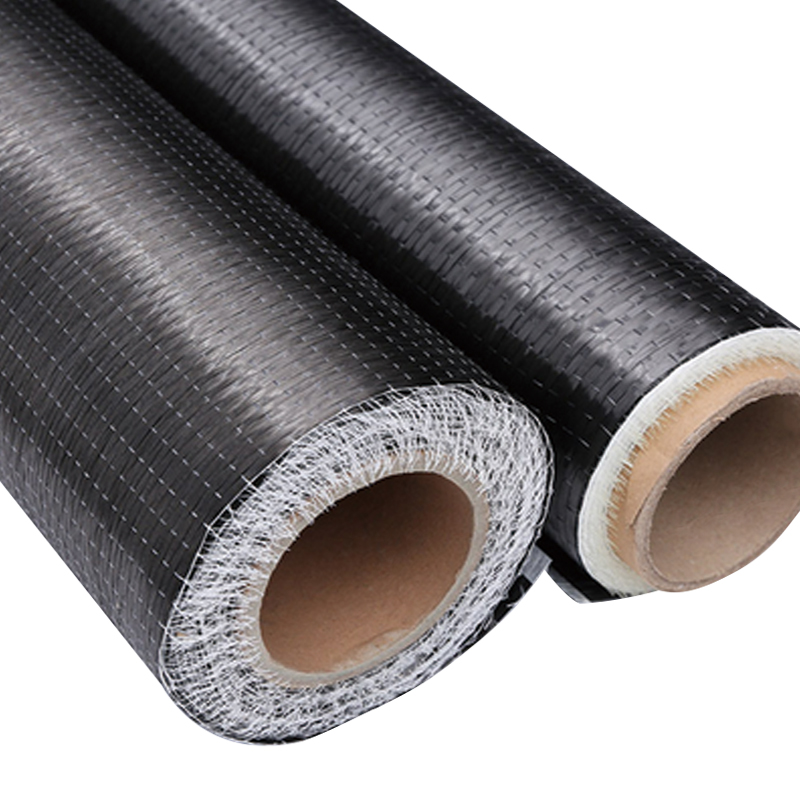
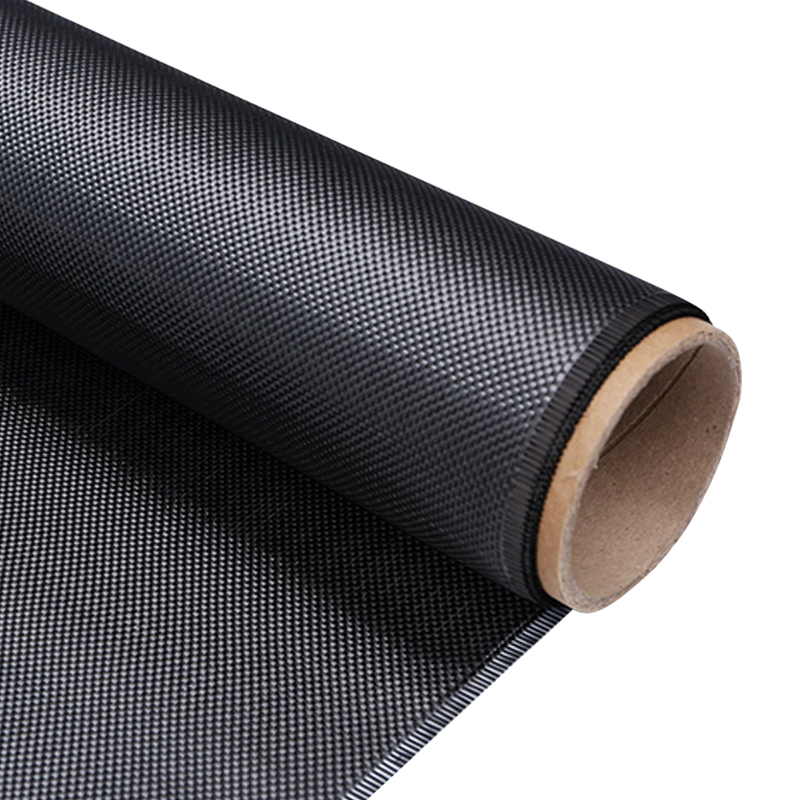
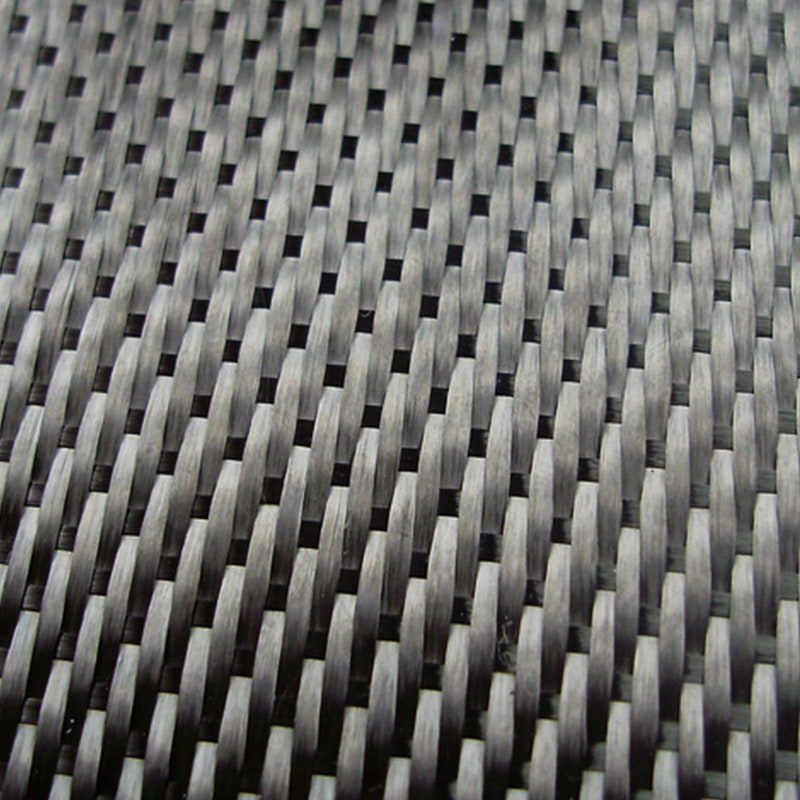
Woven carbon fiber cloth is a high-performance reinforcement material created by weaving bundles of carbon filaments — typically 3K, 6K, or 12K tow (meaning 3,000–12,000 individual filaments per bundle) — into a structured textile. Each filament is roughly 5–10 microns in diameter, thinner than a human hair. The resulting cloth is lightweight, extremely stiff, and has a tensile strength that can exceed 3,500 MPa depending on the fiber grade.
The two most common weave patterns are:
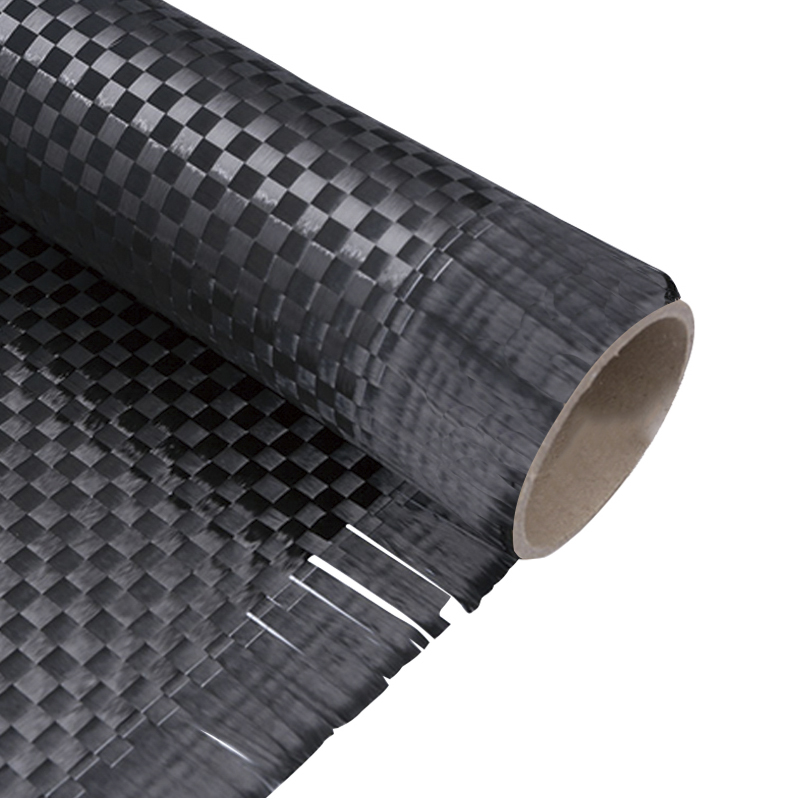
- Plain weave — each tow alternates over and under, producing a checkerboard pattern with high dimensional stability.
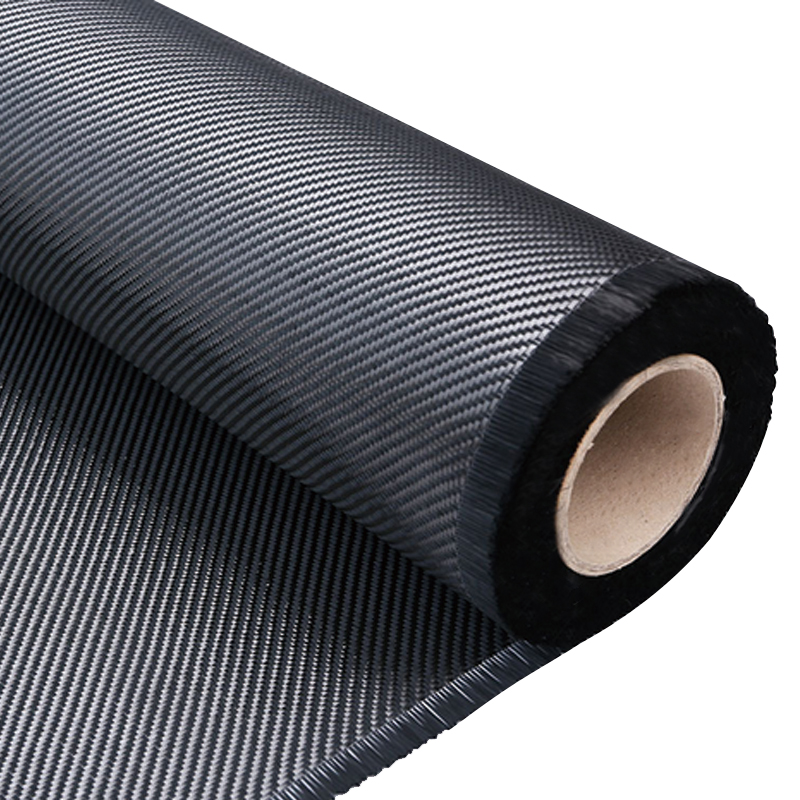
- Twill weave (2×2 or 4×4) — tows pass over two and under two, creating the iconic diagonal "herringbone" look seen in automotive and aerospace parts.
Once impregnated with epoxy resin and cured, the cloth becomes a carbon fiber reinforced polymer (CFRP) — a rigid composite used in aircraft fuselages, racing cars, wind turbine blades, sporting goods, and industrial tooling.
Can Carbon Fiber Be Used for Clothing?
In its raw woven form, carbon fiber cloth is not practical as everyday clothing. Here's why:
- Rigidity: Dry woven carbon fiber has limited drape. It does not flex and conform to the body the way cotton or nylon does.
- Skin abrasion: Cut carbon fiber edges release microscopic filaments that can irritate skin and mucous membranes. Handling it requires gloves.
- No breathability: Carbon fiber does not absorb moisture or allow air circulation, making it thermally uncomfortable.
- Cost: Even basic 3K plain weave carbon fiber cloth costs $15–$50 per square meter, compared to cents per meter for cotton.
Where Carbon Fiber Does Appear in Wearables
That said, carbon fiber is used in specialized wearable applications:
| Application | How Carbon Fiber Is Used |
| Prosthetic limbs | CFRP shells and blade-style running prosthetics |
| Orthopedic braces | Lightweight rigid supports for ankles, knees, and spines |
| Protective sportswear | Woven panels in motorcycle suits and racing gloves |
| Watches and jewelry | Carbon fiber inlay or casing — purely aesthetic |
| Military / tactical gear | Integrated into plate carrier shells and helmet liners |
Research into carbon fiber textiles for soft apparel is ongoing. Companies like Toray and Teijin have explored blending ultra-fine carbon fiber with polymer yarns to produce conductively integrated smart textiles — but these remain niche and are not commercially available as garments.
Does Fabric Have Carbon?
Almost every fabric contains carbon in a chemical sense. All organic compounds — cotton, wool, silk, polyester, nylon — are carbon-based molecules. Cotton, for instance, is primarily cellulose, a polymer chain of glucose units, each of which is built around carbon atoms.
However, the question "does fabric have carbon" is most meaningfully answered in the context of activated carbon fabrics and carbon fiber fabrics, which are two distinct categories:
- Activated carbon fabric: Woven or nonwoven textiles infused with activated charcoal particles. Used in chemical/biological protective garments (e.g., NBC suits), odor-blocking sportswear, and wound dressings. Activated carbon has an enormous surface area — up to 3,000 m² per gram — allowing it to adsorb gases and toxins.
- Carbon fiber fabric: As described above — a structural reinforcement material made entirely from graphitized carbon filaments. The carbon content by weight is typically 92–99%.
So when people ask whether fabric "has carbon," they usually mean one of these functional uses — and the answer depends entirely on the fabric type.
Is Woven Fabric Vegan?
Most woven fabrics fall clearly into vegan or non-vegan categories:
| Fabric | Vegan? | Reason |
| Cotton | Yes | Plant-derived |
| Linen | Yes | Derived from flax plant |
| Polyester | Generally yes | Petroleum-derived synthetic |
| Nylon | Generally yes | Synthetic polymer |
| Wool | No | Animal-derived (sheep) |
| Silk | No | Produced by silkworms |
| Leather | No | Animal skin |
| Carbon fiber cloth | Mostly yes* | Made from polyacrylonitrile (PAN), a synthetic polymer |
*Note on carbon fiber and veganism: Carbon fiber is manufactured from polyacrylonitrile (PAN) or occasionally pitch (a petroleum byproduct), both of which are fossil-fuel derivatives. Strict vegans who avoid petroleum products would not classify carbon fiber as vegan. However, the mainstream vegan position — which focuses on avoiding animal exploitation — considers carbon fiber acceptable since no animals are harmed in its production. Organizations like PETA classify synthetic fibers generally as vegan-friendly.
Does Carbon Fiber Weaken Over Time?
This is a critical engineering question. The short answer: carbon fiber is highly durable, but it is not immune to degradation.
What Carbon Fiber Resists Well
- Corrosion: Unlike steel or aluminum, carbon fiber does not rust or corrode. This is a primary reason it's used in marine and aerospace environments.
- Creep: Carbon fiber exhibits very low creep (slow deformation under sustained load) compared to metals.
- Fatigue under tension: Carbon fiber composites can sustain up to 60–70% of their ultimate tensile strength under cyclic loading for millions of cycles before failure.
What Can Degrade Carbon Fiber
- UV radiation: Prolonged UV exposure degrades the epoxy resin matrix, causing surface chalking and micro-cracking. This can reduce interlaminar shear strength by 10–20% over several years of outdoor exposure without UV-protective coating.
- Impact damage: Unlike metals, carbon fiber does not deform plastically — it fractures. Impact damage (from stones, drops, crashes) can create invisible internal delamination that significantly reduces structural integrity.
- Moisture absorption: The resin matrix can absorb moisture over time, reducing the glass transition temperature of the composite by up to 20°C and slightly lowering mechanical properties.
- Galvanic corrosion: When carbon fiber contacts aluminum or steel directly (without a barrier), it accelerates galvanic corrosion in the metal — a concern in mixed-material assemblies.
Real-World Lifespan Data
In aerospace, carbon fiber components are rated for service lives of 20–30 years with proper inspection and maintenance. Formula 1 carbon fiber monocoques are replaced every season due to safety regulations, not material failure. Recreational carbon fiber bicycle frames are typically warranted for 5–10 years, with real-world useful lives often exceeding 15–20 years under normal use.
The key takeaway: properly protected and maintained carbon fiber structures do not meaningfully weaken under normal service conditions. The limiting factor is almost always the resin system — not the carbon fibers themselves.
Choosing the Right Woven Carbon Fiber Cloth for Your Application
When selecting woven carbon fiber cloth, the following specifications matter most:
- Fiber grade: Standard modulus (230–240 GPa) suits most structural applications. Intermediate modulus (290–300 GPa) or high modulus (350+ GPa) fibers are used in aerospace and high-performance sports equipment.
- Tow size: 3K provides a finer surface finish with more uniform resin wet-out; 12K is more economical and suited for thicker laminates where surface appearance is less critical.
- Weave style: Plain weave for maximum dimensional stability; twill weave for better drapeability over complex curves.
- Areal weight: Typically 100–400 g/m². Lighter cloths (100–200 g/m²) are used for surface plies; heavier cloths build structural thickness faster.
- Compatibility: Confirm compatibility with your resin system (epoxy, vinyl ester, or polyester) before purchase.
 +86-13961668677
 No. 61, Xingyuan Road, Jiefang Village, Gushan Town, Jiangyin City, Jiangsu Province, China.