 Get In Touch
 English
  中文简体
中文简体 عربى
عربى Tiếng Việt
Content
- 1 1. Epoxy Resin Systems: The Gold Standard for Structural Performance
- 2 2. Vinyl Ester Resins: Balancing Performance and Processability
- 3 3. Viscosity Requirements for Effective Wetting in 3K Twill
- 4 4. Advanced Manufacturing Technologies at Dongli
- 5 Conclusion: Selecting the Right Matrix
- 6 Frequently Asked Questions (FAQ)
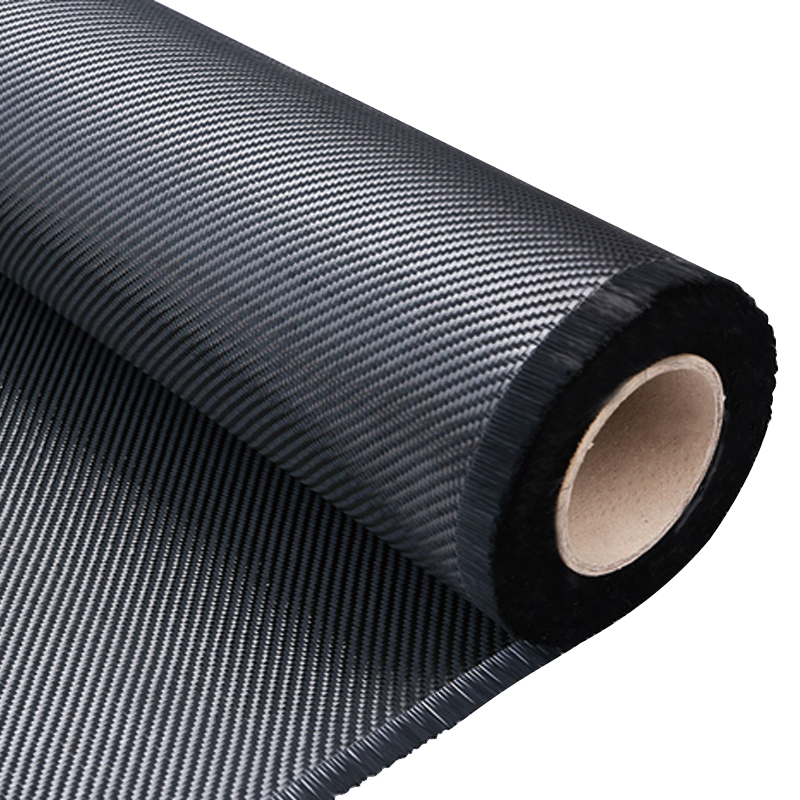
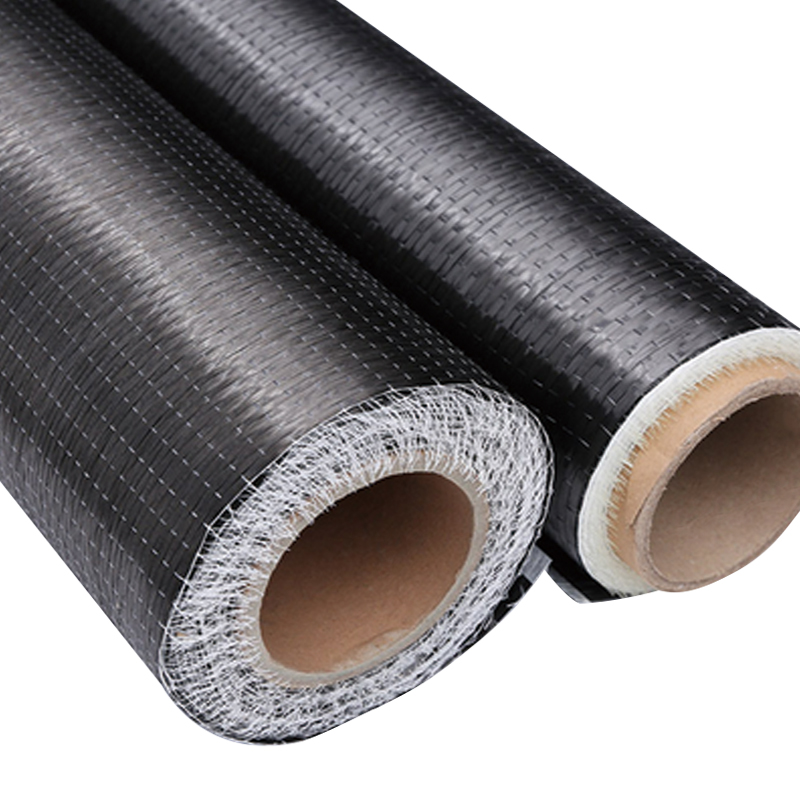
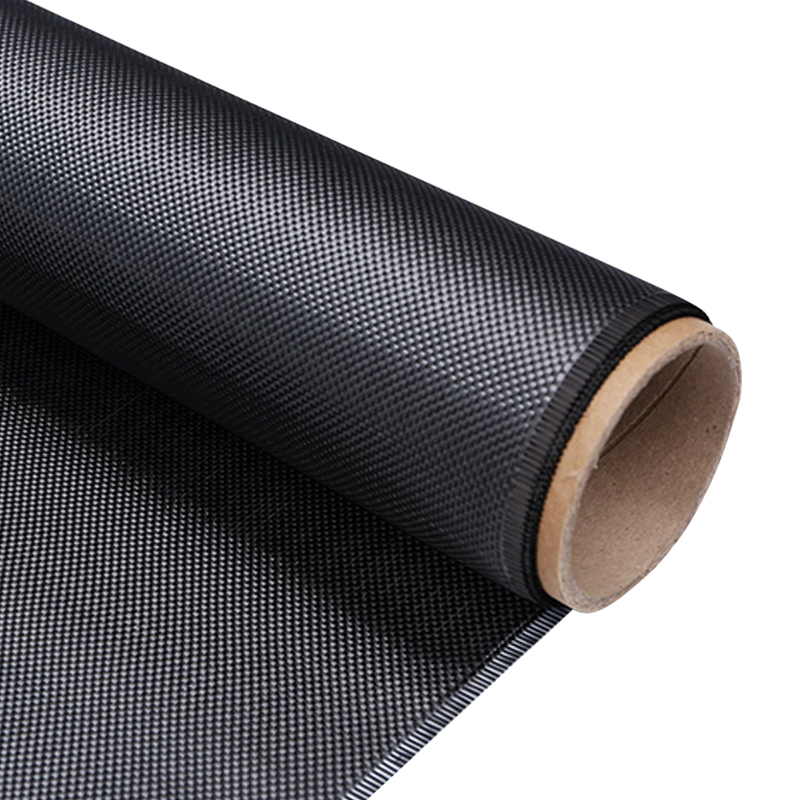
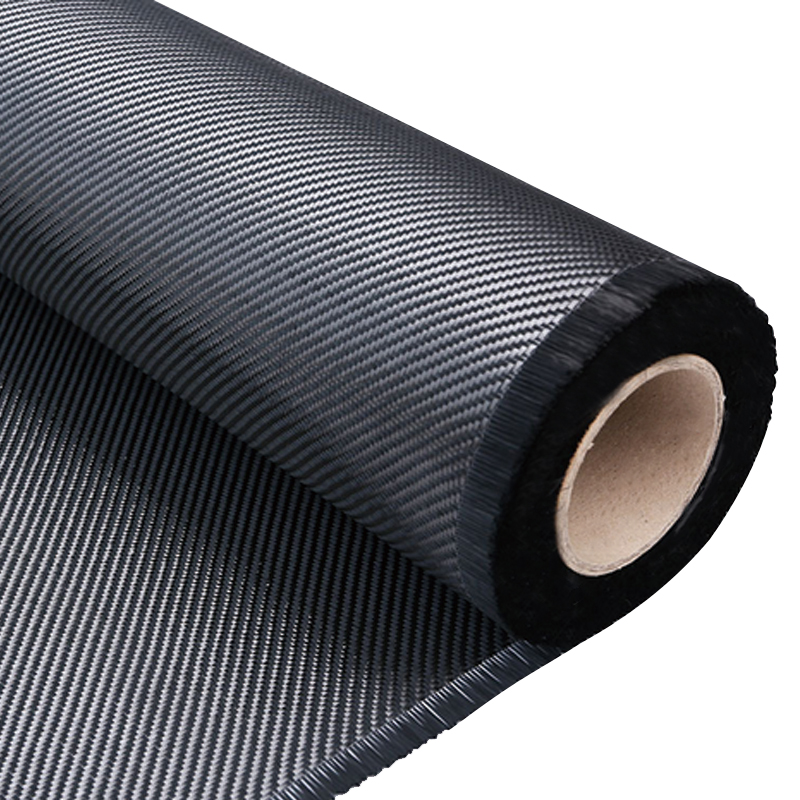
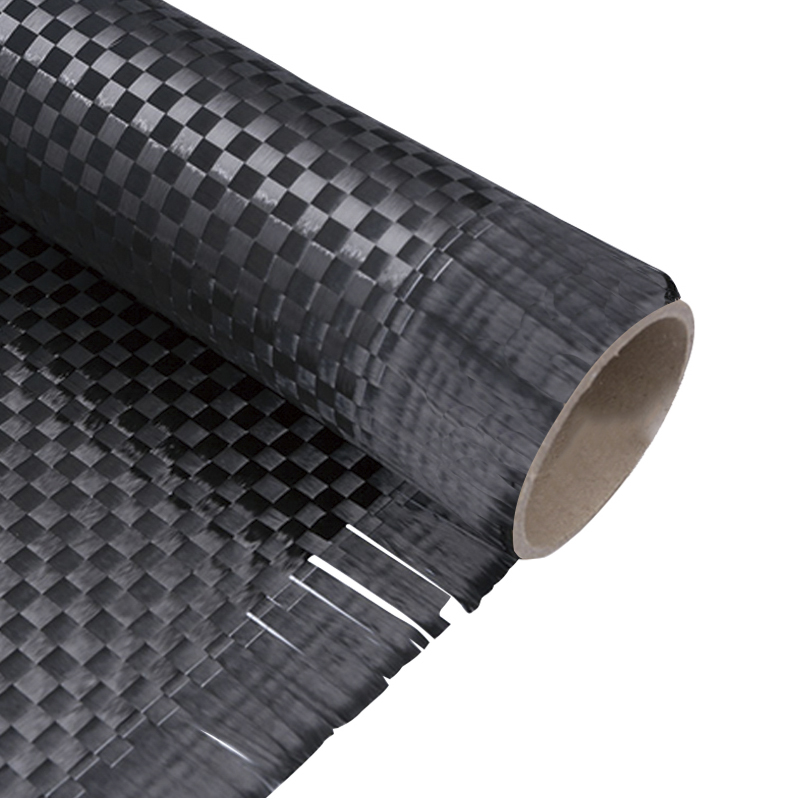
In the field of high-performance composites, the synergy between the reinforcement and the matrix is the foundation of structural integrity. When utilizing a carbon fiber fabric roll for vacuum infusion (VARTM), selecting the correct resin system is a critical engineering decision that affects interlaminar shear strength, fiber wetting, and the final mechanical properties of the part. Jiangyin Dongli New Materials Technology Co., Ltd. operates from a 32,000-square-meter precision-controlled industrial complex, integrating material innovation with engineering expertise. Our facility, featuring 100,000-grade purification zones, specializes in the R&D and production of fabrics via weaving and prepreg processes, ensuring that our 3k twill carbon fiber cloth meets the rigorous standards of aerospace and automotive manufacturing.
1. Epoxy Resin Systems: The Gold Standard for Structural Performance
Epoxy resins are widely considered the most compatible matrix for a carbon fiber fabric roll in high-performance applications. The chemical structure of epoxy provides superior adhesion to carbon filaments, resulting in high mechanical strength and thermal stability. In vacuum infusion, low-viscosity epoxy systems are specifically engineered to penetrate the tight weave of carbon fiber reinforcement for vacuum infusion, ensuring a void-free laminate. While epoxy offers the highest strength-to-weight ratio, it requires precise mixing ratios and longer cure cycles compared to other thermoset resins.
Compared to polyester resins, epoxy systems exhibit significantly lower shrinkage during the curing process, which is essential for maintaining the dimensional accuracy of complex carbon fiber components.
| Attribute | Infusion Grade Epoxy | Standard Polyester Resin |
| Adhesion to Carbon Fiber | Excellent (Chemical Bond) | Moderate (Mechanical Bond) |
| Cure Shrinkage | < 2% | 7% - 10% |
| Viscosity (at 25°C) | 200 - 400 mPa.s | 100 - 300 mPa.s |
Source: ISO 15031-1:2024 Plastics — Epoxy resins — Part 1: Determination of epoxy equivalent
2. Vinyl Ester Resins: Balancing Performance and Processability
Vinyl ester resins serve as a middle ground between epoxy and polyester. They offer better moisture resistance and toughness than polyester, making them suitable for marine and chemical storage applications where lightweight carbon fiber fabric roll products are utilized for weight reduction. When used with black twill weave carbon fiber, vinyl ester provides a high-quality surface finish and good elongation properties. However, their bond strength to carbon fiber is lower than that of epoxy, which may limit their use in primary aerospace structures.
While vinyl ester resins cure much faster than epoxy, they emit higher levels of Styrene, requiring enhanced ventilation in climate-regulated workshops to meet modern environmental health and safety standards.
| Metric | Vinyl Ester | Epoxy |
| Chemical Resistance | Superior (Especially Acids) | High (Broad Spectrum) |
| Brittleness | Moderate | Low (Highly Tough) |
| Cost Efficiency | High | Moderate |
Source: CompositesWorld: The State of the Composites Industry 2024 Analysis
3. Viscosity Requirements for Effective Wetting in 3K Twill
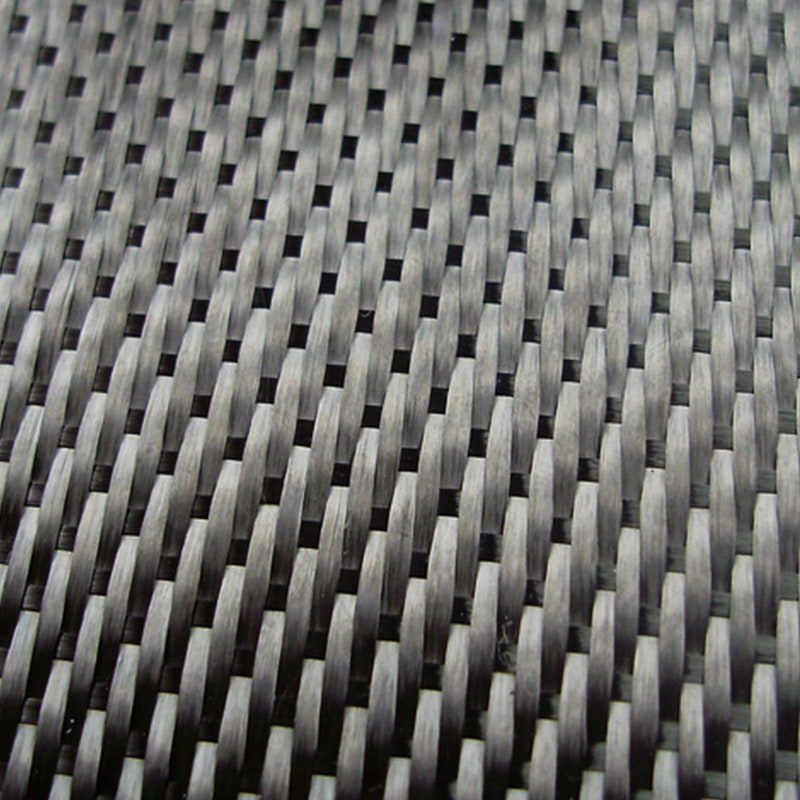
The 3K twill weave (3,000 filaments per tow) presents a specific geometric challenge for resin flow. Because the tows are bundled tightly, the resin must have a sufficiently low viscosity to bridge the "dry spots" in the center of the tow. Using a high strength carbon fiber material requires a resin that stays under 500 centipoise (cP) during the infusion window. Technical breakthroughs in 2024 have led to the development of "Bio-based Infusion Resins" that match the viscosity of synthetic epoxies while reducing the carbon footprint of automotive part manufacturing by up to 25%.
Source: European Bioplastics: Market Data 2024 on Sustainable Composite Matrices
4. Advanced Manufacturing Technologies at Dongli
At Jiangyin Dongli New Materials, we leverage multiple processing technologies to ensure optimal resin-fiber compatibility. Our capabilities include:
- Autoclave: High-pressure consolidation for aerospace-grade carbon fiber fabric roll laminates.
- RTM (Resin Transfer Molding): Precise resin injection into closed molds for high-volume automotive production.
- PCM & WCM: Rapid curing technologies for high-cycle sports equipment development.
By maintaining full process control, from weaving the 3k twill carbon fiber cloth to final spraying, we eliminate the variables that lead to delamination and structural failure.
Conclusion: Selecting the Right Matrix
For the majority of structural applications involving a 3K twill carbon fiber fabric roll and vacuum infusion, an infusion-grade epoxy resin remains the professional choice due to its superior mechanical bonding and low shrinkage. However, vinyl ester remains a valid alternative for cost-sensitive projects requiring high chemical resistance. Regardless of the resin choice, the quality of the carbon fiber reinforcement for vacuum infusion—including its sizing and weave stability—is paramount. Jiangyin Dongli New Materials Technology Co., Ltd. continues to provide first-class fiber solutions, helping our global partners achieve success in the aerospace, automotive, and sports sectors.
Frequently Asked Questions (FAQ)
- Why is 3K twill preferred over plain weave for infusion?
3K twill offers better "drapability" over complex curves and generally provides a slightly faster resin flow rate during infusion compared to the tighter plain weave. - Do I need a specific sizing for epoxy resins?
Yes, most carbon fiber fabric roll products are treated with an epoxy-compatible sizing to facilitate a chemical bond between the fiber and the matrix. - What is the ideal resin-to-fiber ratio for vacuum infusion?
Typically, vacuum infusion aims for a 60:40 or 70:30 fiber-to-resin weight ratio to maximize strength while minimizing weight. - Can I use polyester resin with carbon fiber?
While possible, it is not recommended for structural parts due to the weak secondary bond and high shrinkage rate, which may lead to surface print-through. - What storage conditions are required for a carbon fiber fabric roll?
Fabrics should be stored in a climate-regulated environment (cool and dry) to prevent moisture absorption, which can interfere with resin wetting.
 +86-13961668677
 No. 61, Xingyuan Road, Jiefang Village, Gushan Town, Jiangyin City, Jiangsu Province, China.