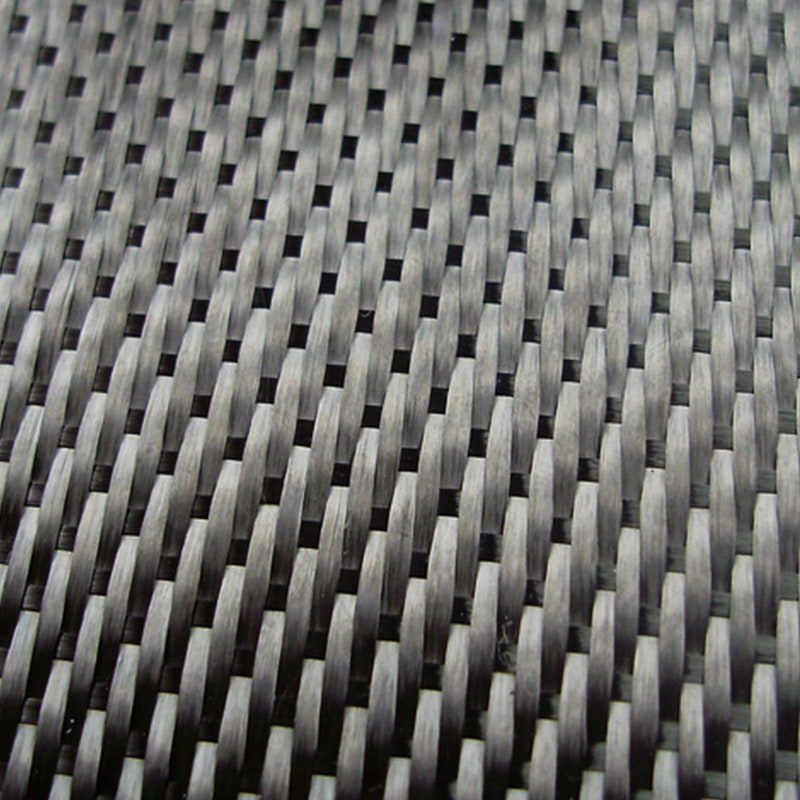
Custom Carbon Fiber Automotive Interior Trim Components
Home / Product / Special-shaped Parts / Automotive Industry / Carbon Fiber Automotive Interior Trim Components
  • Carbon Fiber Automotive Interior Trim Components
  • Carbon Fiber Automotive Interior Trim Components
  • Carbon Fiber Automotive Interior Trim Components
  • Carbon Fiber Automotive Interior Trim Components
  • Carbon Fiber Automotive Interior Trim Components
  • Carbon Fiber Automotive Interior Trim Components
  • Carbon Fiber Automotive Interior Trim Components
  • Carbon Fiber Automotive Interior Trim Components

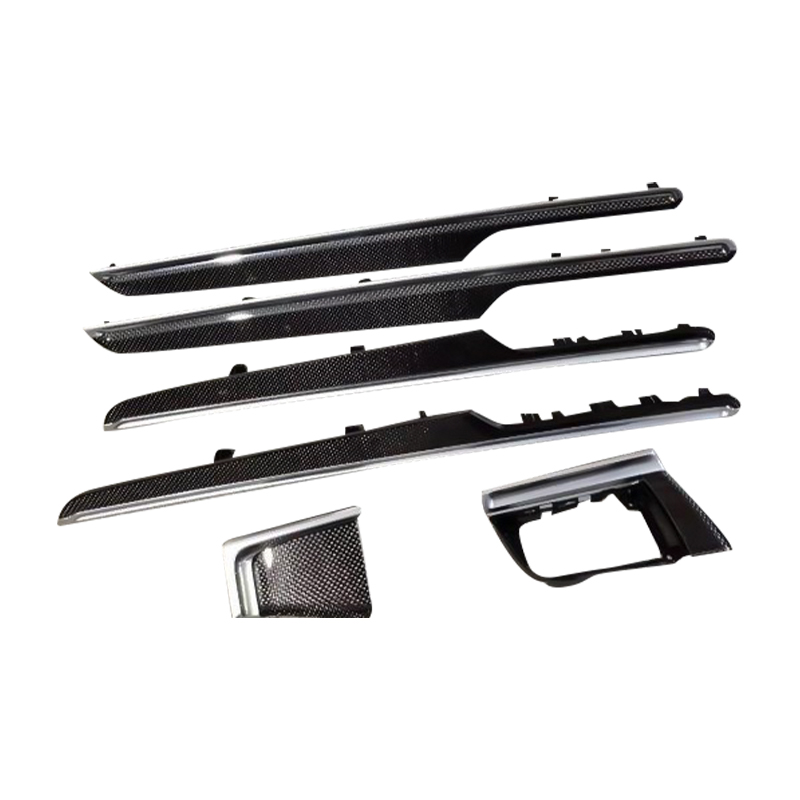
Carbon Fiber Automotive Interior Trim Components

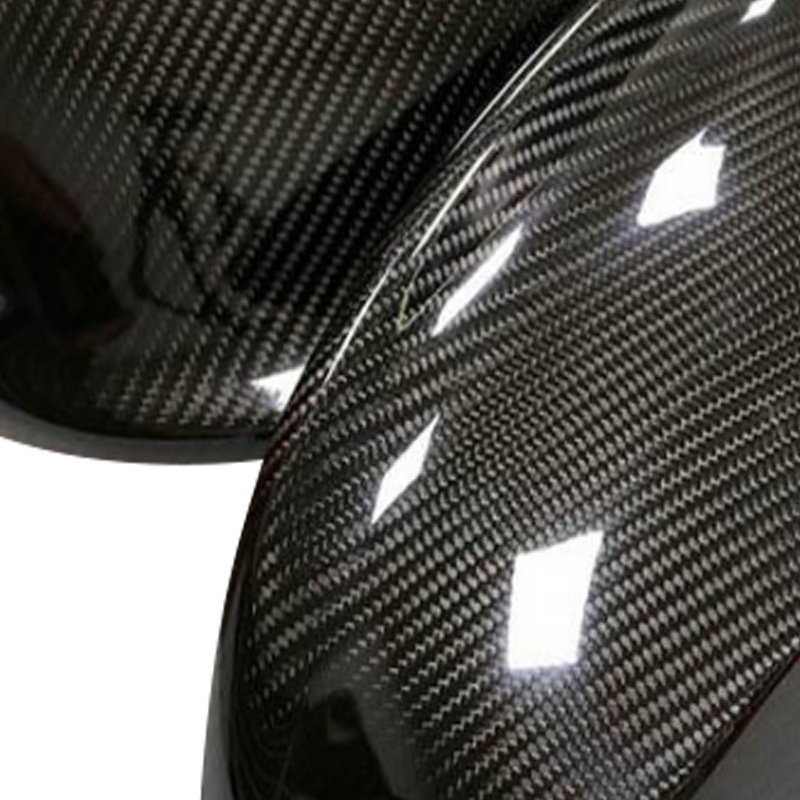
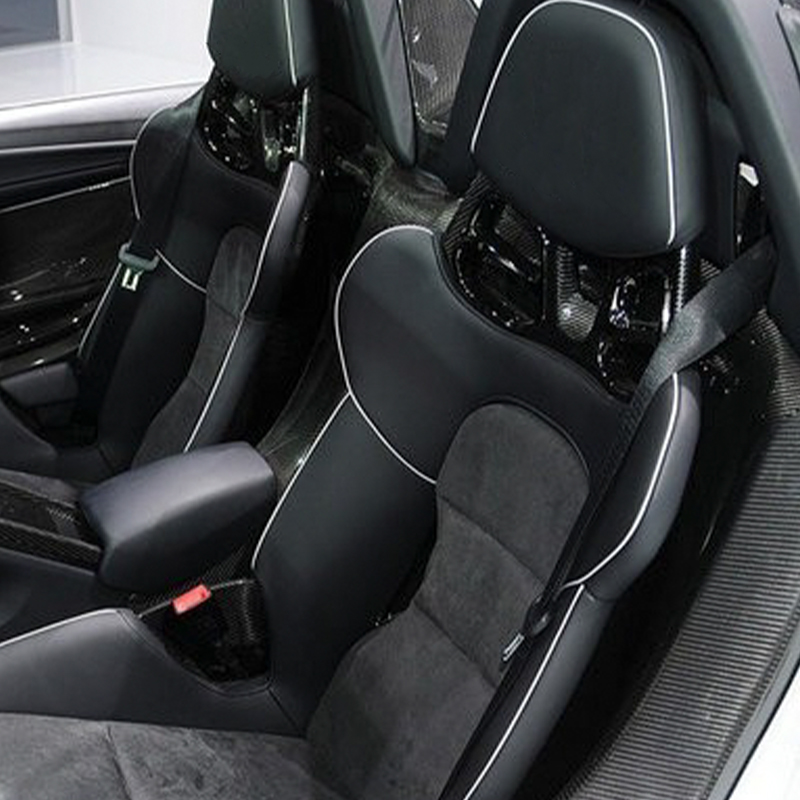
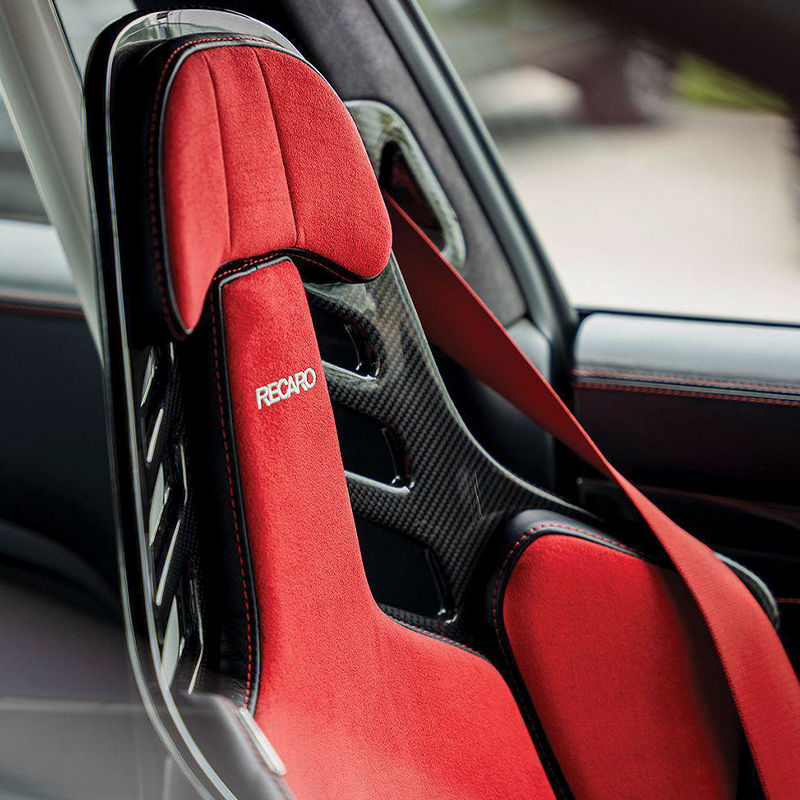
Carbon fiber automotive interior parts are high-performance, lightweight components used to enhance the aesthetics and functionality of vehicle interiors. These parts are made of carbon fiber reinforced polymer (CFRP), such as instrument panels, center consoles, door handles, and shifter trims. Carbon fiber interior parts are available in custom finishes (gloss, matte) and weave patterns, making them a popular choice for aftermarket upgrades and original equipment manufacturers (OEMs).
Contact Us
Parameter
PRODUCT PROFILE
Carbon Fiber Automotive Interior Trim Components are manufactured through prepreg compression molding or resin transfer molding (RTM) processes, utilizing continuous carbon fiber reinforcement embedded in a thermoset epoxy or thermoplastic matrix. These components replace traditional painted plastics, aluminum, or wood trims in vehicle cabins, delivering measured mechanical properties: tensile modulus exceeding 70 GPa, density between 1.50–1.60 g/cm³, and coefficient of thermal expansion (CTE) below 5×10⁻⁶/K. Thickness ranges from 0.8 mm to 3.5 mm depending on the interior application — from decorative overlays to load-bearing inserts for center consoles, door panels, and instrument panel bezels. Surface finishes include gloss (85–95 GU), matte, and forged texture variants.
Core Advantages
  • Weight reduction: Density 1.55 g/cm³ vs. 2.70 g/cm³ (aluminum) and 1.15–1.35 g/cm³ (ABS/PC), delivering 40–55% mass reduction at equivalent bending stiffness.
  • Specific stiffness: Specific modulus 45–55 GPa/(g/cm³) exceeding magnesium, aluminum, and glass-reinforced composites under equal panel thickness.
  • Dimensional precision: Warpage below 0.3% after thermal cycling from -40°C to 85°C, meeting OEM interior assembly tolerances of ±0.2 mm.
  • Surface conductivity: Surface resistivity 10³–10⁵ Ω/sq enables electrostatic discharge paths for touch-sensitive components without additional coatings.
Technical Specifications
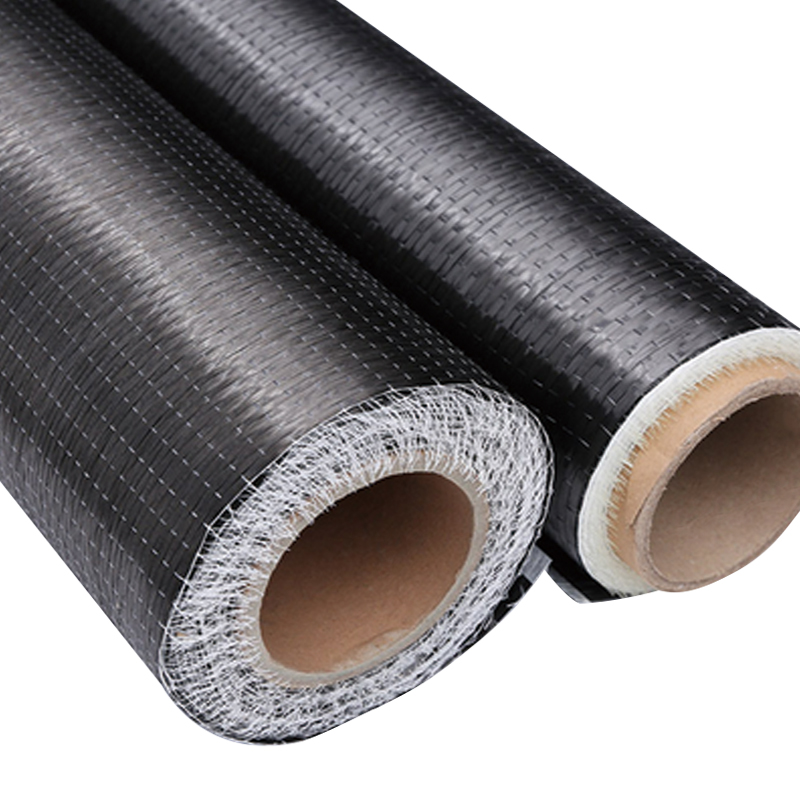
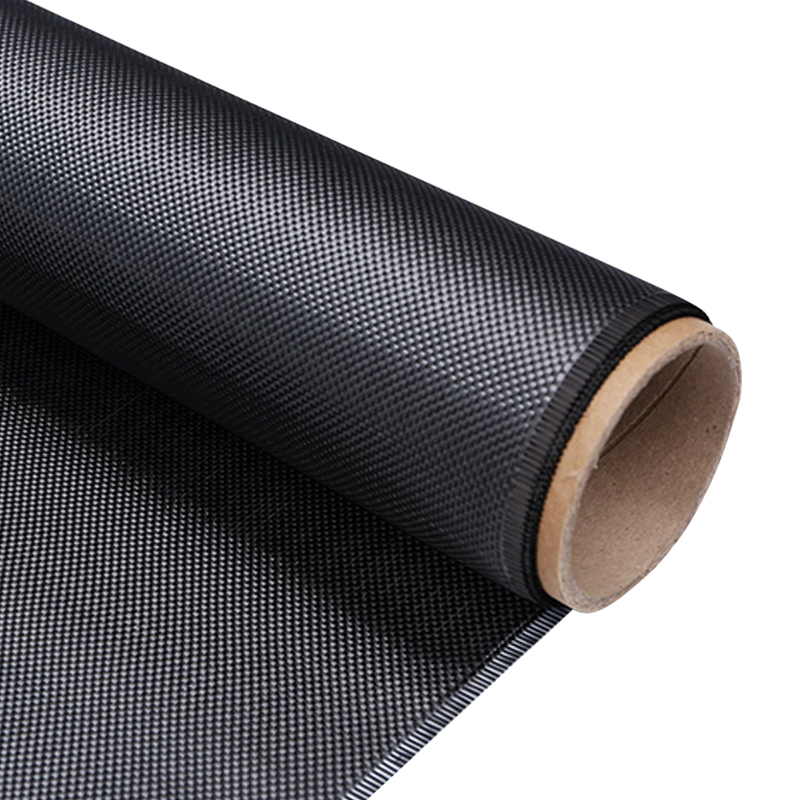
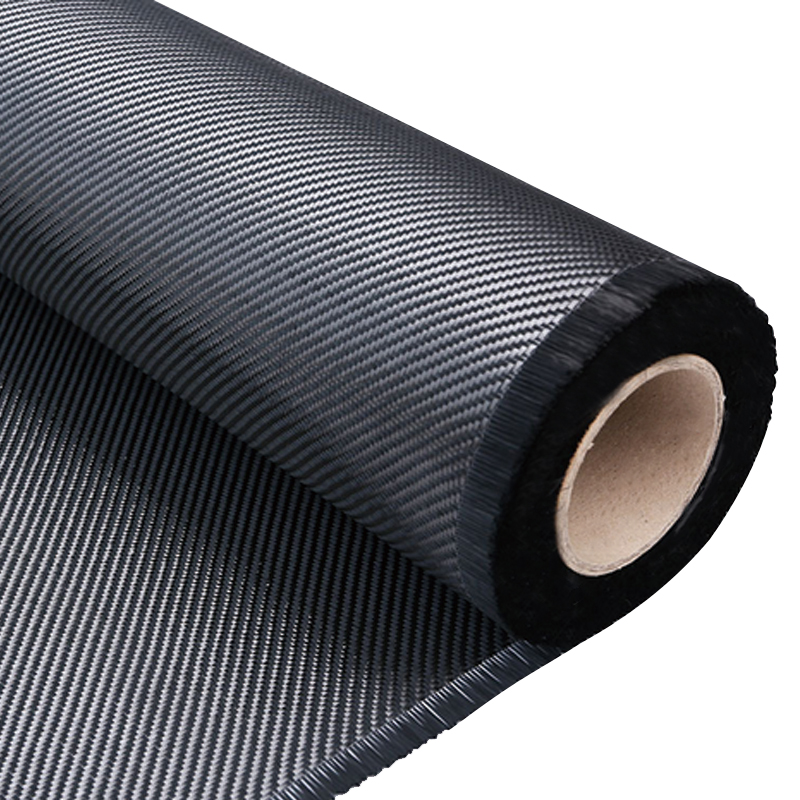
Fiber architecture 2×2 twill, plain weave, or unidirectional prepreg (150–300 gsm)
Resin system Epoxy (TG 130–150°C) / Thermoplastic (PPS, PA6)
Fiber volume fraction 55% – 62%
Tensile strength (0°) 800 – 1200 MPa
Flexural modulus 65 – 85 GPa
Surface finish Gloss 85–95 GU / Matte / Forged texture
Flammability UL94 V-0, FMVSS 302 self-extinguishing
Application Scenarios
Cockpit & Console
  • Center console bezels and gear shift panels
  • Instrument cluster trim rings
  • HVAC control surrounds
Door & Side Trim
  • Door pull handles and armrest covers
  • Speaker grille frames
  • Window switch panels
Steering & Dashboard
  • Steering wheel bezels and paddle shifters
  • Dashboard decorative inlays
  • Airbag cover overlays (breakable design)
Fabrication & Handling
Cutting & trimming
Diamond-coated or carbide burr tools required. Feed rate 200–400 mm/min to prevent delamination. Waterjet cutting recommended for high-volume trim blanks.
Surface preparation
Abrasion with 320–400 grit, followed by solvent wipe (isopropyl alcohol). Clear coat adhesion test per ASTM D3359 required prior to assembly.
EMI shielding
Intrinsic conductivity provides 30–40 dB attenuation (30 MHz – 1 GHz). Nickel-coated fiber layers increase attenuation to 60 dB if specified.
Installation & Compatibility
1
Attachment methods: Mechanical fasteners (screws into molded inserts), structural adhesives (epoxy or acrylic-based), or ultrasonic welding for thermoplastic matrix grades.
2
Gap tolerance: Design for 0.15–0.30 mm clearance between carbon trim and adjacent painted plastic parts to accommodate CTE mismatch.
3
Galvanic isolation: Isolate direct contact with aluminum or magnesium using polyamide film or primer when fastening through carbon laminates.
About Us
Jiangyin Dongli New Materials Technology Co., Ltd.
Founded in 2018, Jiangyin Dongli New Materials Technology Co., Ltd. specializes in the comprehensive development and manufacturing of high-performance fiber composite materials. We are China Carbon Fiber Automotive Interior Trim Components Manufacturers and Custom Carbon Fiber Automotive Interior Trim Components Factory. Located in a 32,000-square-meter industrial complex, the company features precision-controlled production environments, including climate-regulated workshops and 100,000-grade purification zones.
As a one-stop factory with full process control, we integrate material innovation with engineering expertise to serve industries such as aerospace, automotive and sports equipment development. Our capabilities include the R&D and production of high-performance fiber fabrics through weaving and prepreg processes, as well as composite products utilizing autoclave, RTM, RMCP, PCM, WCM, and spraying technologies.
Certificate Of Honor
News
Get In Touch