 Get In Touch
 English
  中文简体
中文简体 عربى
عربى Tiếng Việt
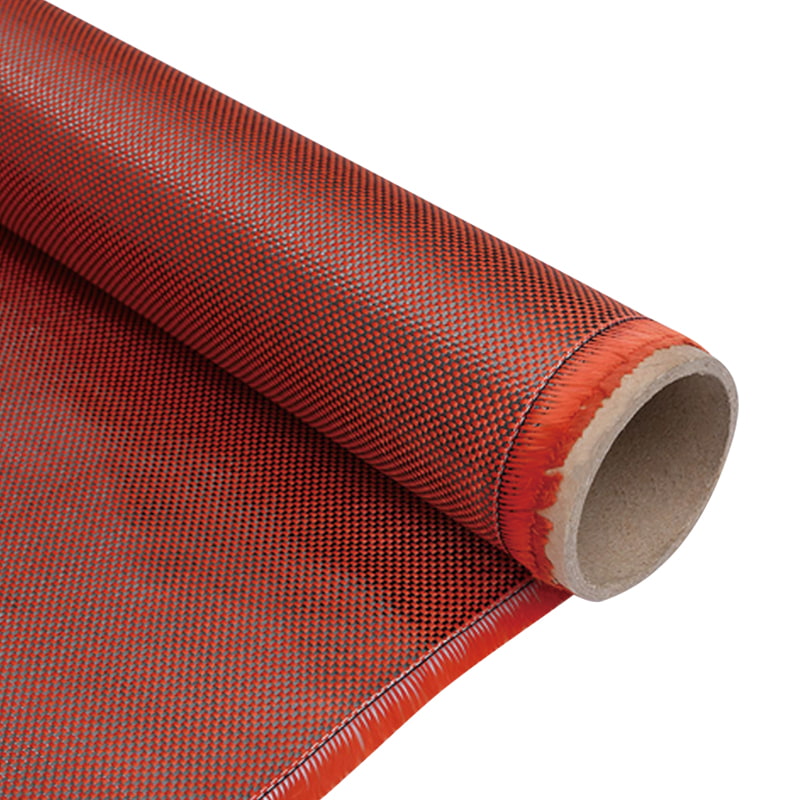
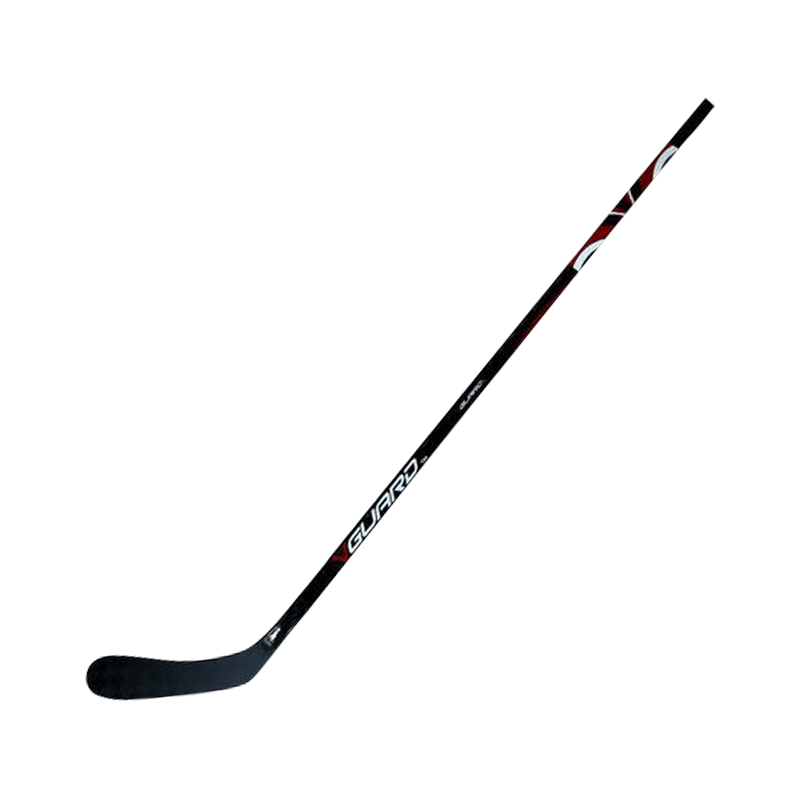
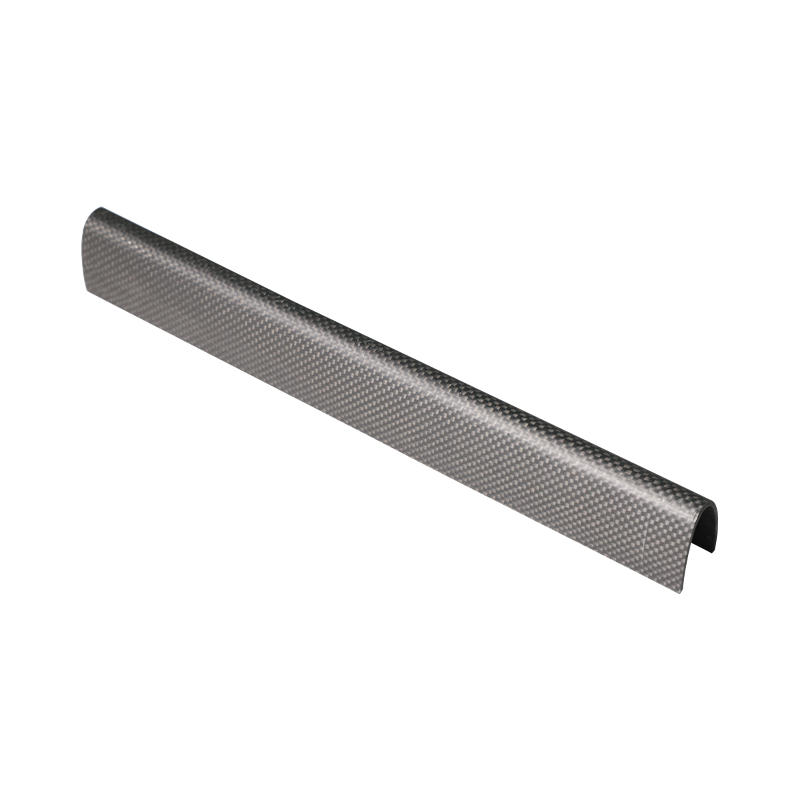
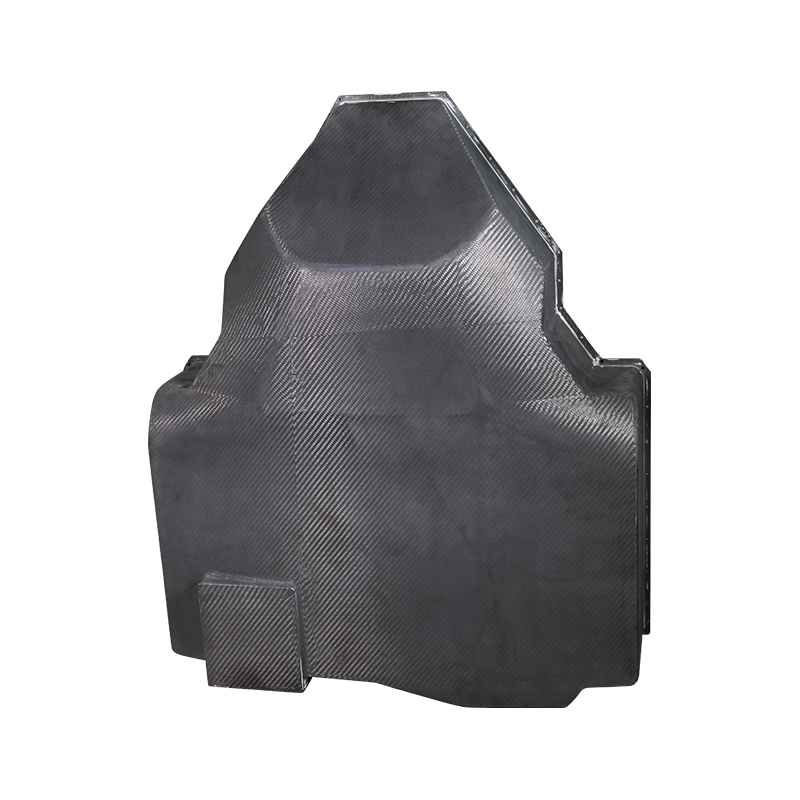
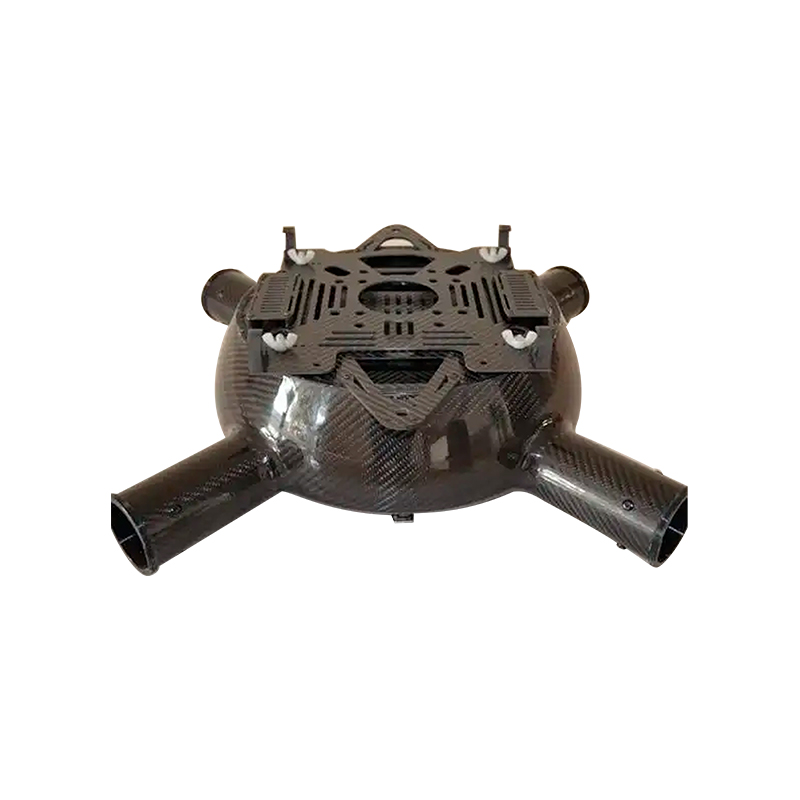
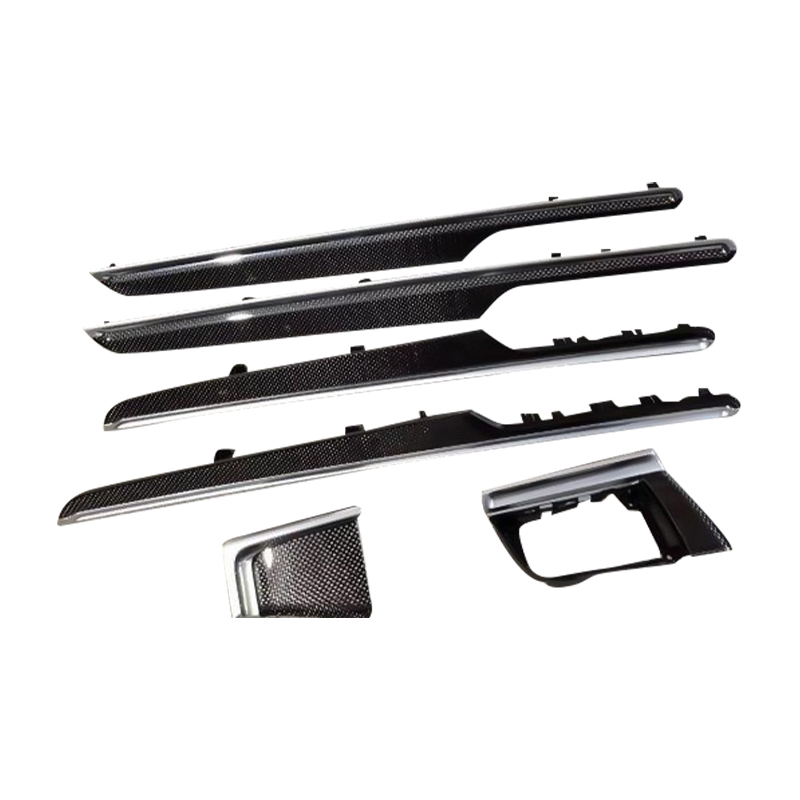
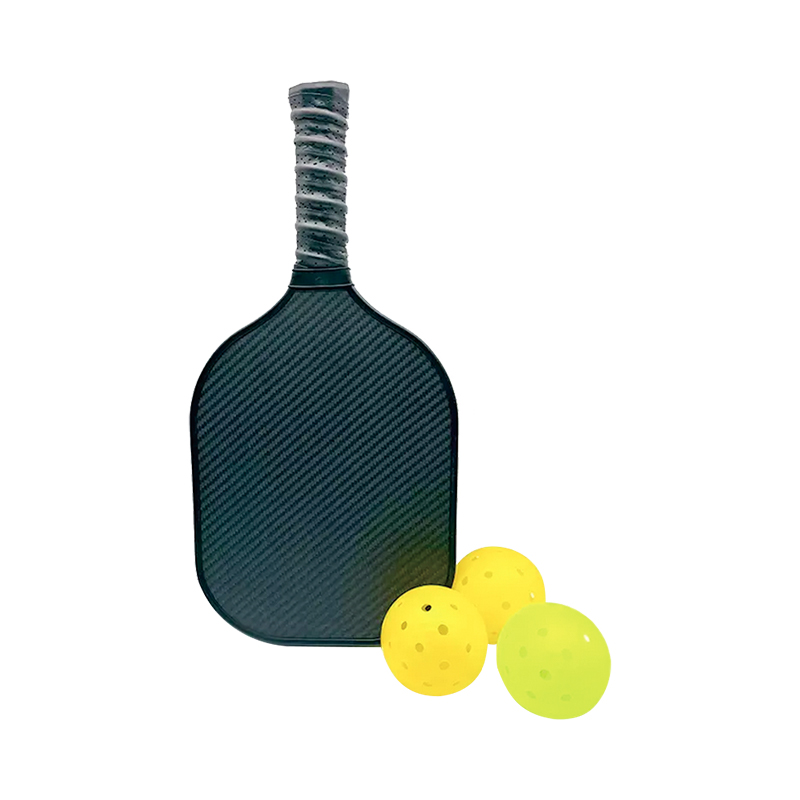
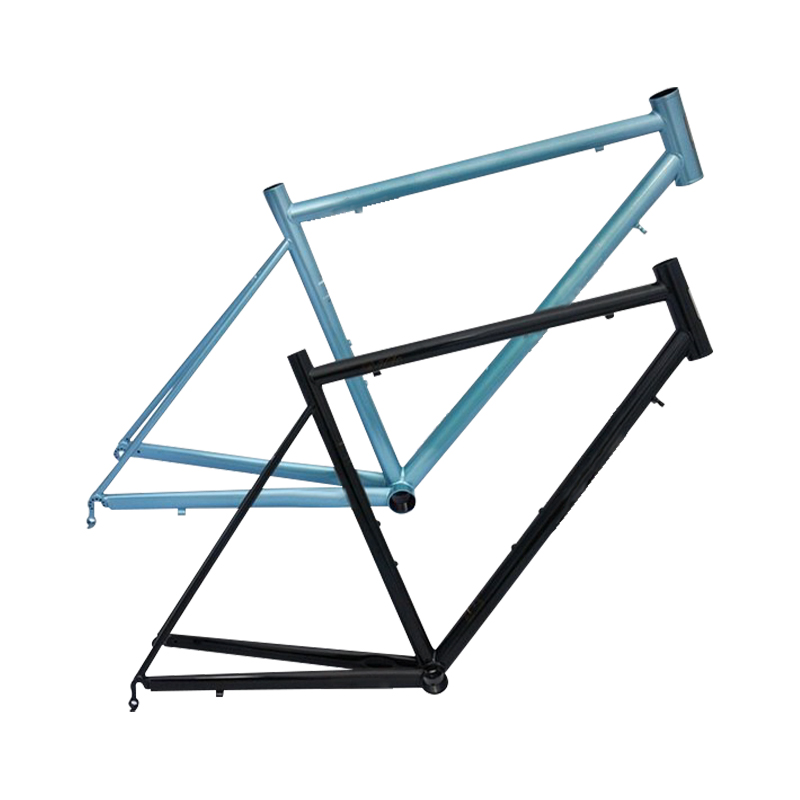
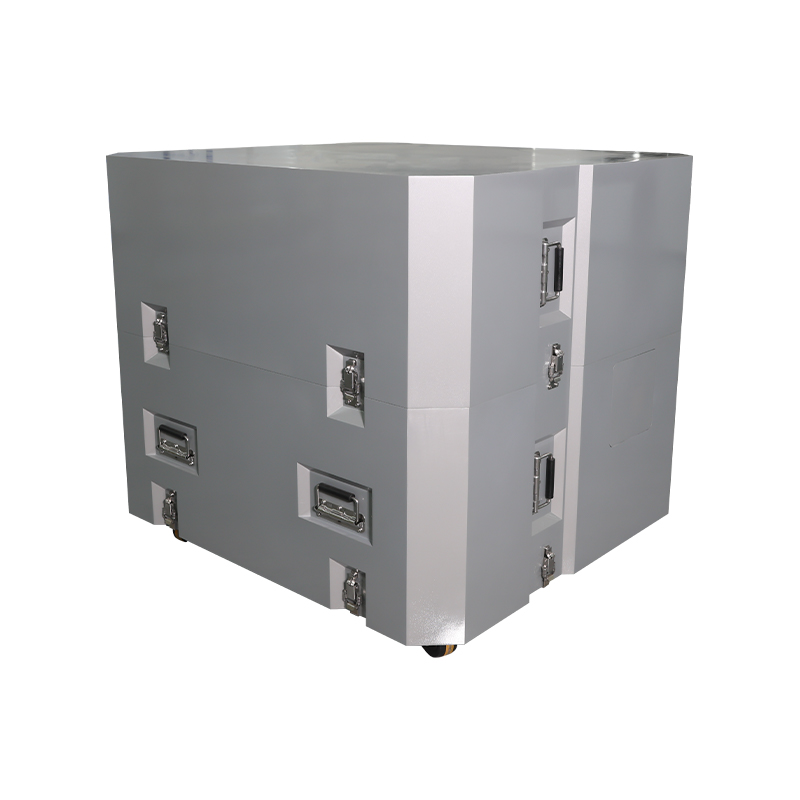
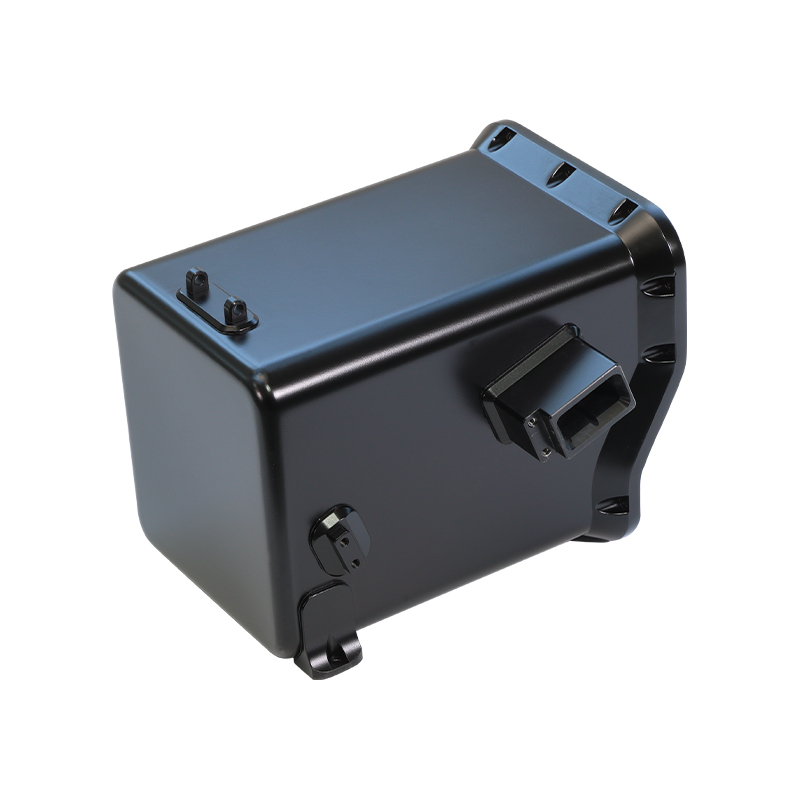
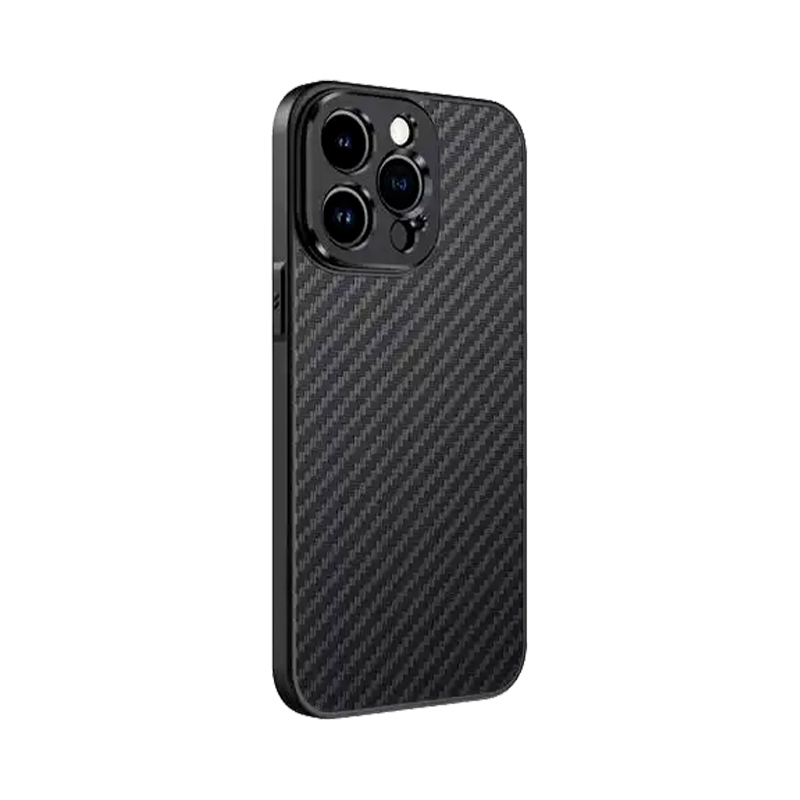
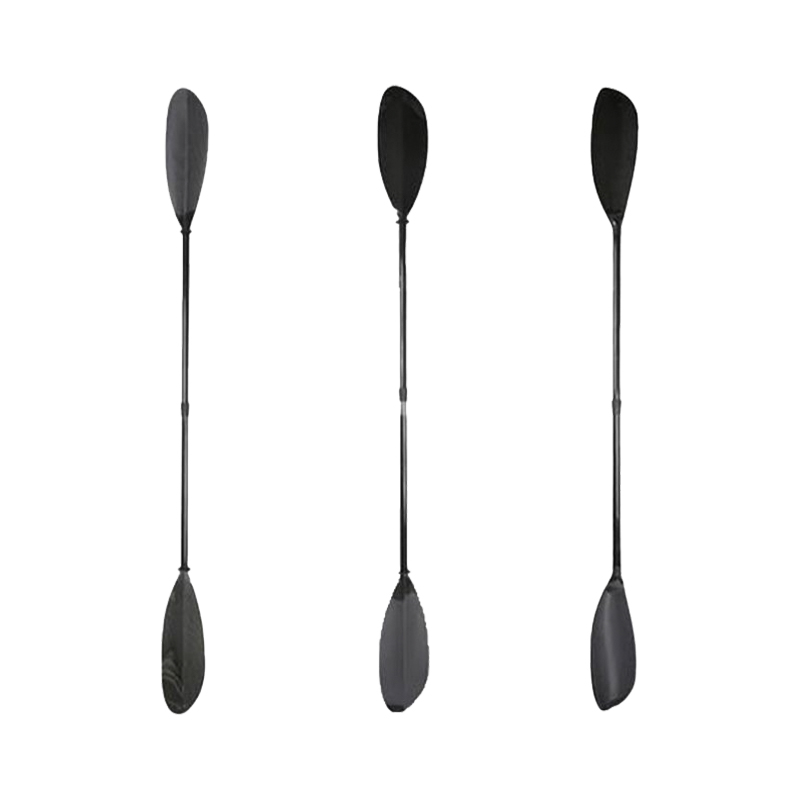
Black Carbon Fiber Fabric
Black Carbon Fiber Fabric is distinguished by its deep, uniform black color, achieved through precise carbonization conditions that maximize the intrinsic dark appearance of the carbon fibers. This aesthetic quality makes the fabric a preferred choice for visible applications where the woven pattern serves as a design statement. The fabric delivers the same mechanical performance as standard carbon fiber products — available in 3k, 6k, and 12k tow sizes, with plain, twill, and satin weaves. Areal weights range from 160 to 800 g/m². The consistent black color is maintained throughout the manufacturing process, ensuring no visible color variation between batches. The fabric is compatible with clear coat finishes that highlight the weave pattern.
Color & Aesthetic Properties
Technical Specifications
Visual Applications
Black Fabric Features
- Deep, consistent black color throughout the fabric
- Clear weave pattern visibility for cosmetic applications
- No visible color variation between batches
- Compatible with clear coat and varnish finishes
- Retains aesthetic appeal under UV exposure (with protective coating)
- Same mechanical properties as standard carbon fiber
Frequently Asked Questions
The black color comes from the carbonization process, where PAN precursor fibers are heated to high temperatures in an inert atmosphere. The resulting carbon structure absorbs nearly all visible light, producing the characteristic deep black color.
The carbon fiber itself does not fade. However, the resin matrix can degrade under prolonged UV exposure if not protected. Use a UV-stable clear coat or gelcoat to maintain the aesthetic appearance in outdoor applications.
2×2 twill weave is the most popular choice for cosmetic applications due to its distinctive diagonal pattern. 4HS and 8HS satin weaves offer a smoother surface with subtle pattern visibility. Plain weave provides the most textured appearance.
While carbon fiber can be painted, the deep black color is typically left visible to showcase the weave pattern. If painting is required, use a primer suitable for composites and avoid obscuring the texture.
 +86-13961668677
 No. 61, Xingyuan Road, Jiefang Village, Gushan Town, Jiangyin City, Jiangsu Province, China.