 Get In Touch
 English
  中文简体
中文简体 عربى
عربى Tiếng Việt
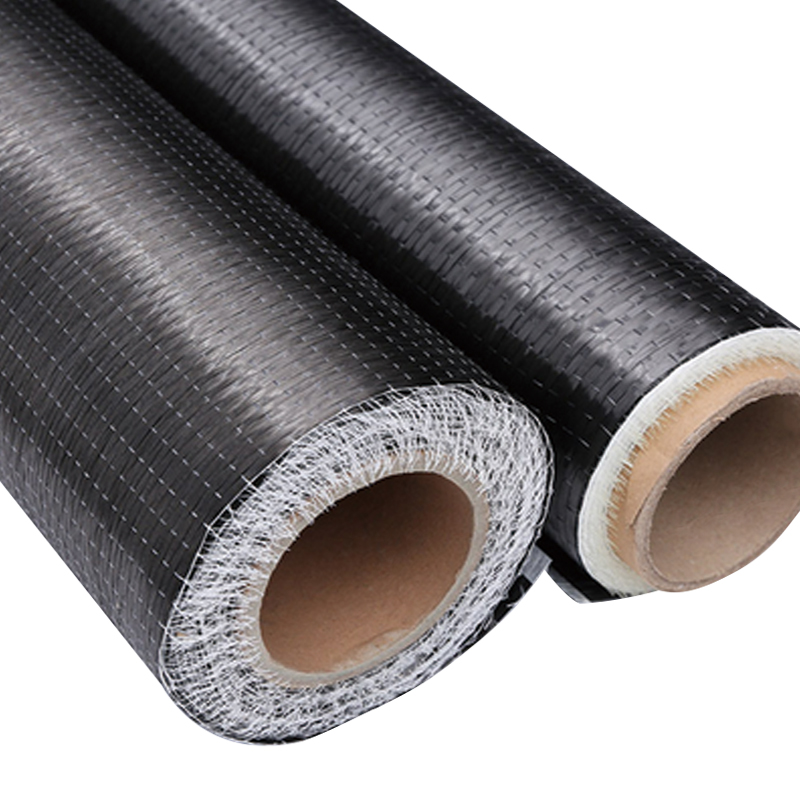
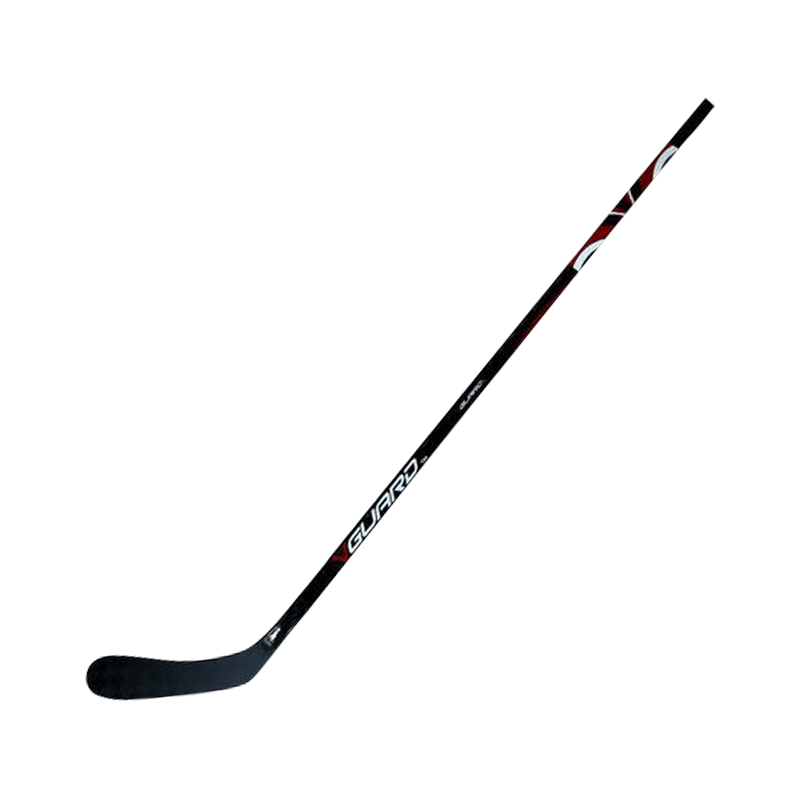
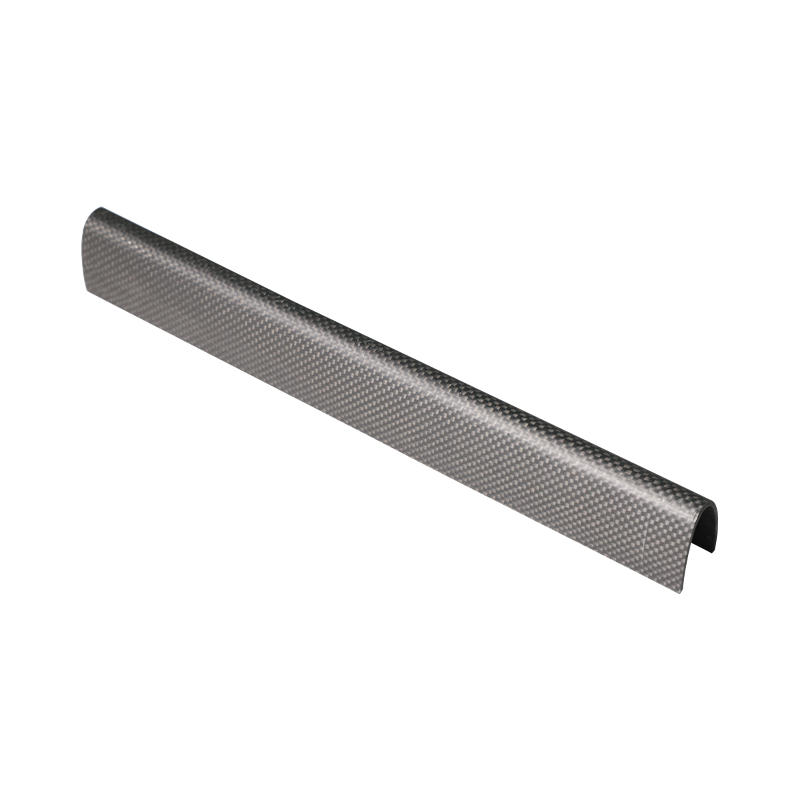
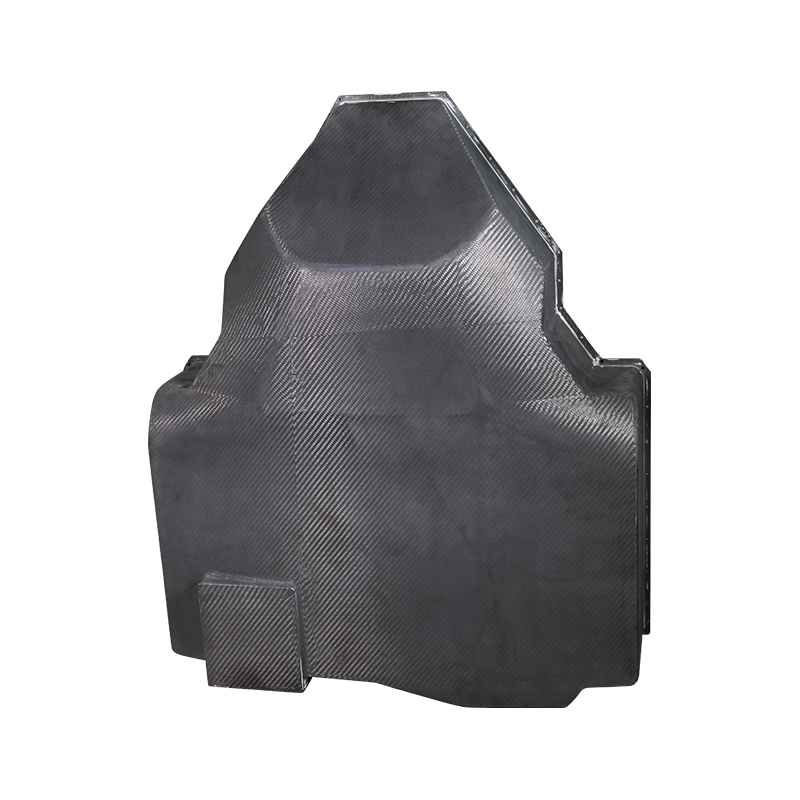

Carbon Fiber Fabric For Construction Reinforcement
Carbon Fiber Fabric For Construction Reinforcement is engineered for the demanding requirements of civil infrastructure and building rehabilitation. This high-strength fabric system is used to reinforce concrete, masonry, steel, and timber structures, providing increased load capacity, seismic resilience, and corrosion protection. The fabric is manufactured with high-strength PAN-based carbon fiber (3500–4200 MPa) and is available in unidirectional and bidirectional configurations with areal weights from 300 to 1200 g/m². The system is applied using structural epoxy adhesives and conforms to ACI 440.2R, FIB 14, IBC, and other international building codes. It is suitable for bridges, parking garages, buildings, tunnels, and historic structures.
Structure Types
Technical Specifications
Construction Reinforcement Advantages
- Increases structural capacity without significant added weight
- Corrosion-resistant — ideal for aggressive environments
- Rapid installation with minimal disruption to operations
- Thin profile — no change to architectural clearances
- Complies with ACI 440.2R and international building codes
- Cost-effective alternative to demolition and replacement
Reinforcement Methods
Frequently Asked Questions
This system can reinforce concrete, masonry, steel, and timber structures including buildings, bridges, parking garages, tunnels, silos, and historic structures. It is suitable for flexural, shear, seismic, and confinement strengthening.
Carbon fiber offers five times the tensile strength of steel at one-fifth the weight. It is corrosion-resistant, easier to install, and requires no protective coatings. However, it has a lower modulus than steel, so more layers may be needed for stiffness-critical applications.
When properly installed with a compatible epoxy system and protected from UV exposure, carbon fiber reinforcement provides a service life of 50+ years. The carbon fiber itself is inert and does not degrade over time.
Standard construction tools include surface preparation equipment (grinders, sandblasters), mixing tools for epoxy, rollers, and trowels. No specialized equipment is required beyond what is typical for construction site applications.
 +86-13961668677
 No. 61, Xingyuan Road, Jiefang Village, Gushan Town, Jiangyin City, Jiangsu Province, China.