 Get In Touch
 English
  中文简体
中文简体 عربى
عربى Tiếng Việt
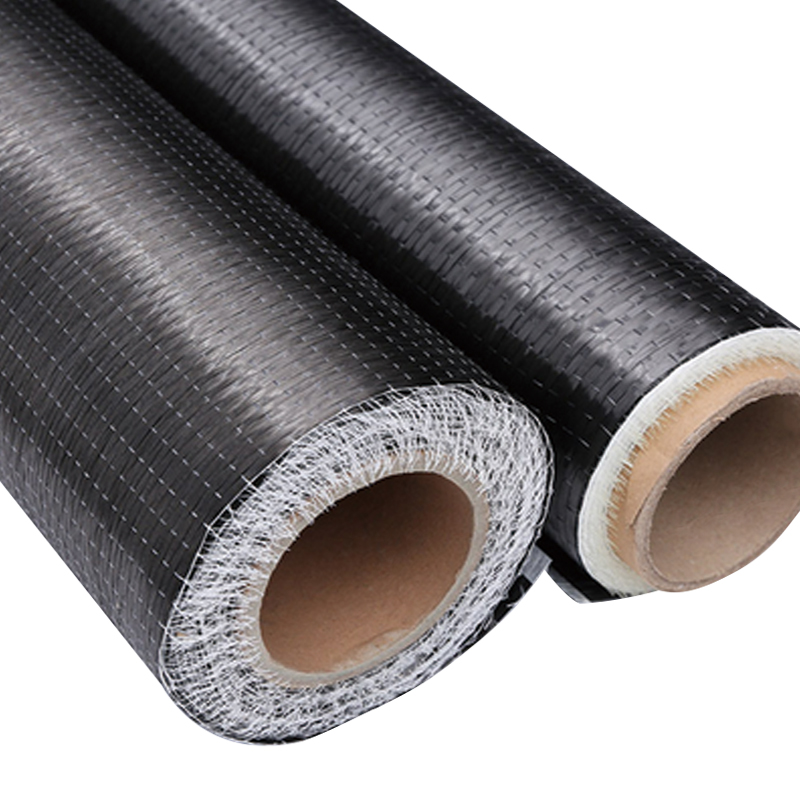
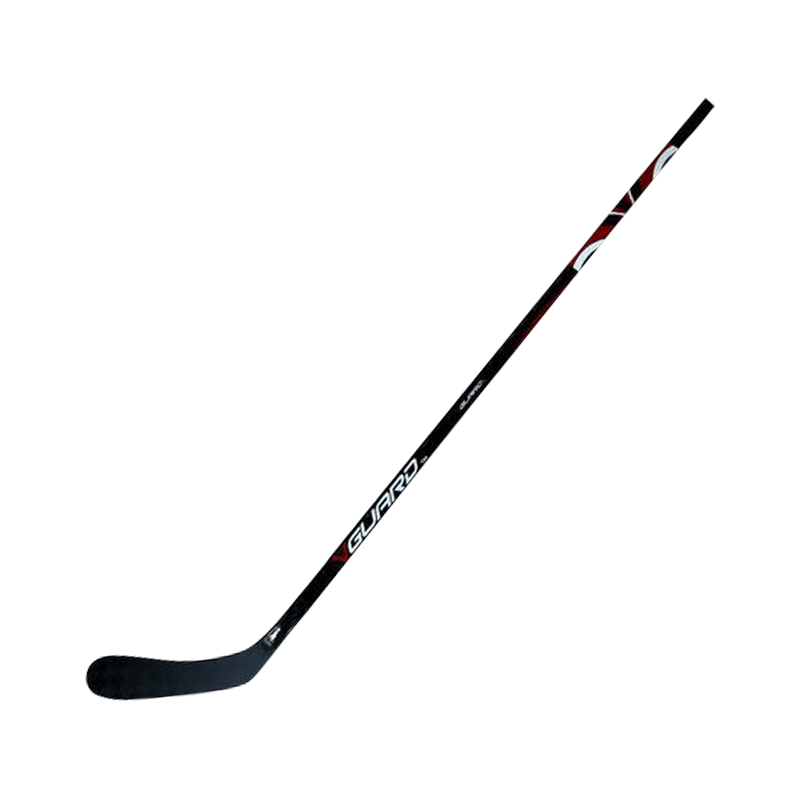
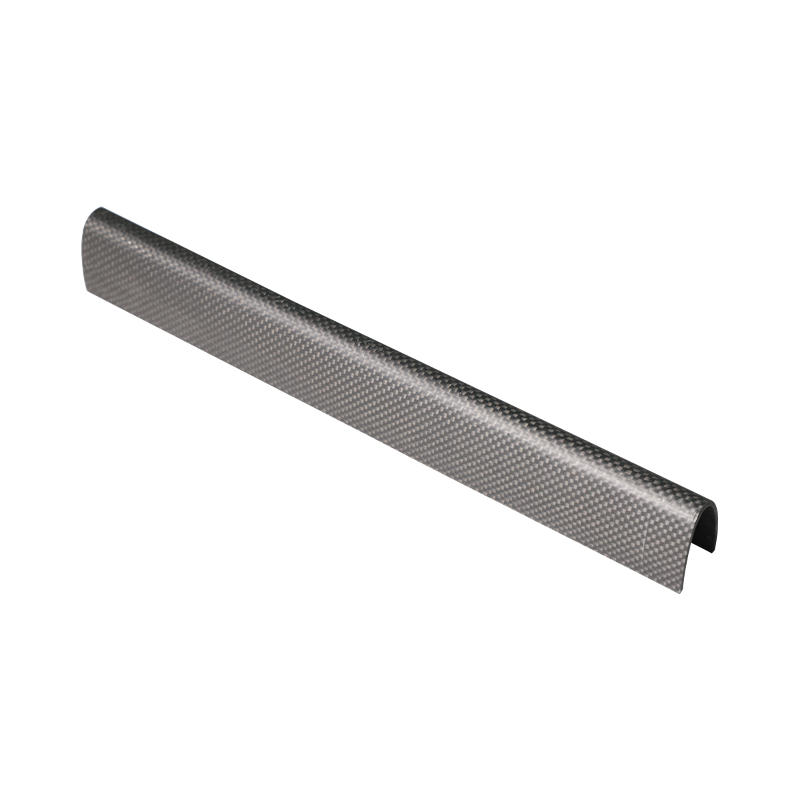
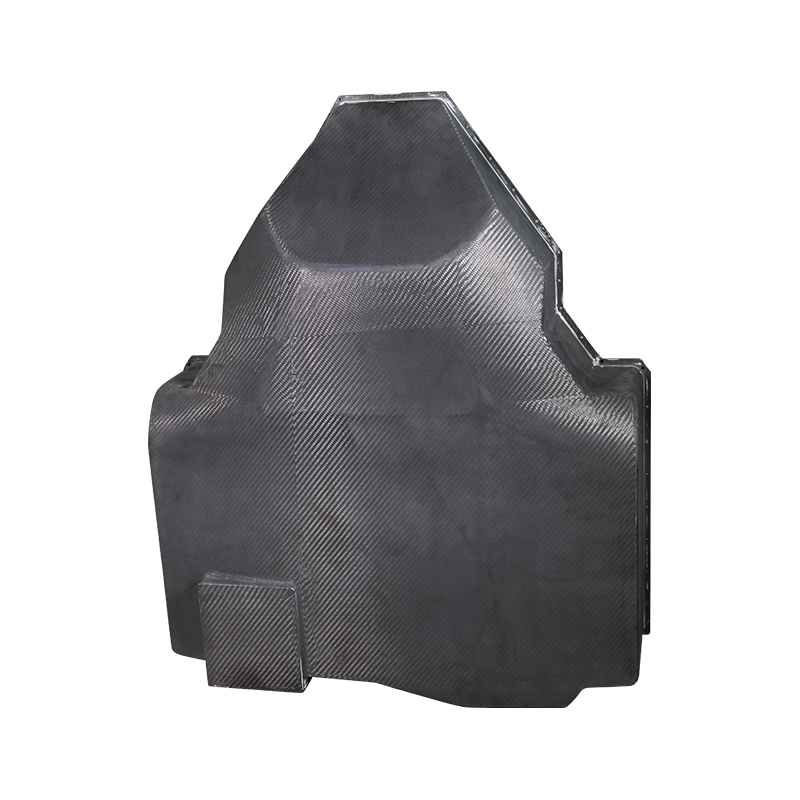
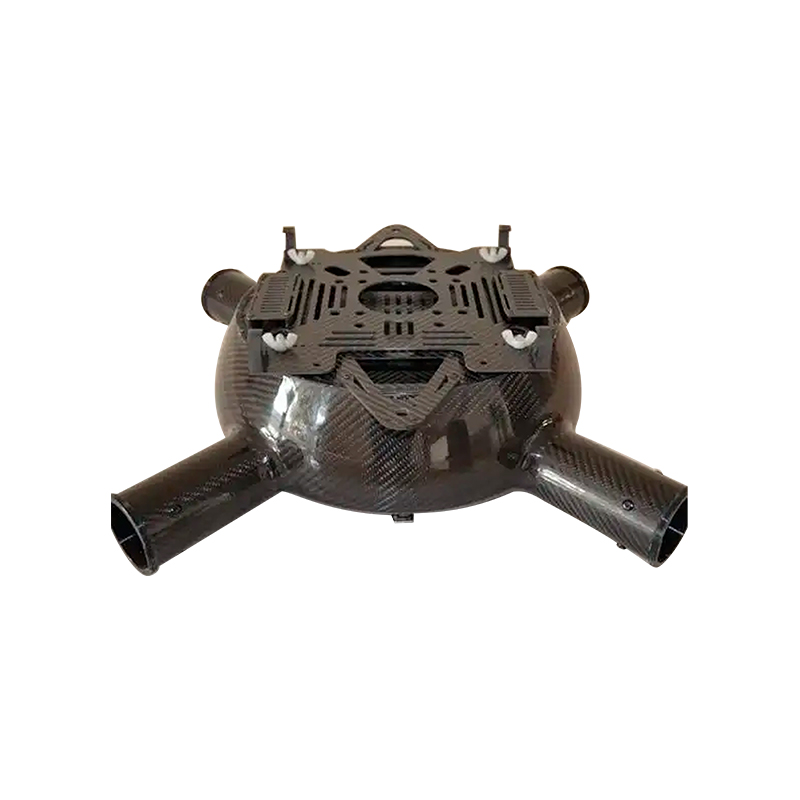
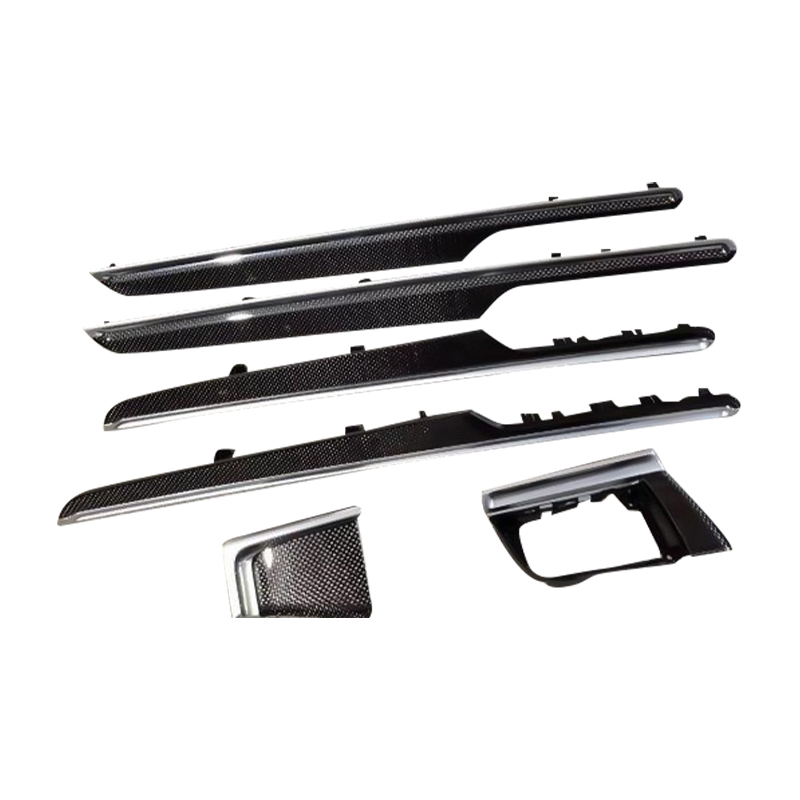
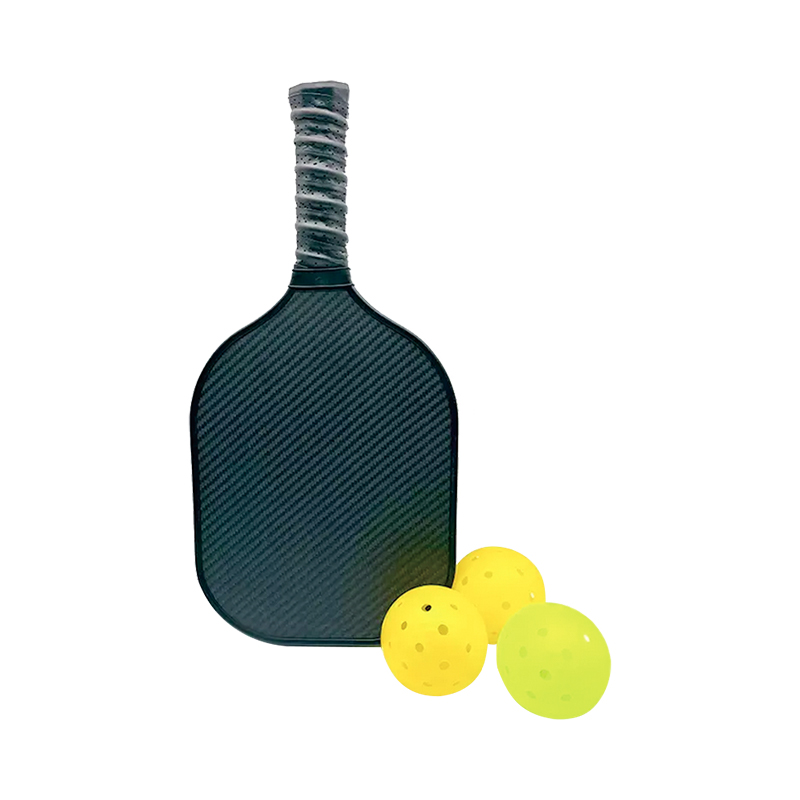
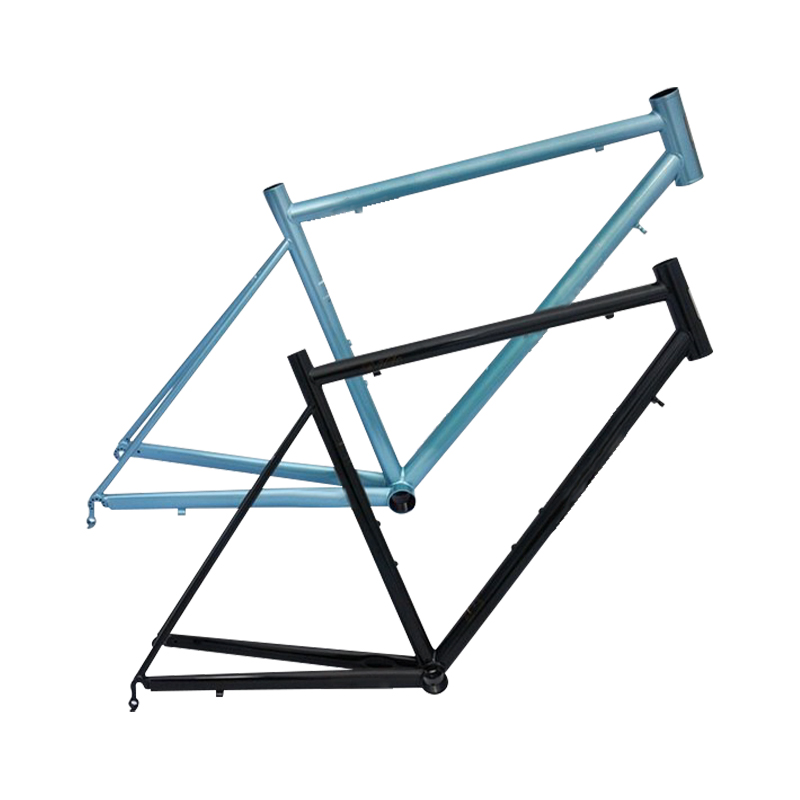
Reinforcement Carbon Fiber Fabric is specifically designed for structural strengthening applications, providing high tensile strength and modulus to enhance the load-bearing capacity of concrete, steel, masonry, and timber structures. The fabric is manufactured with high-strength PAN-based carbon fiber (3500–4200 MPa) in a balanced weave that ensures efficient load transfer from the substrate to the reinforcement. Available in unidirectional and bidirectional configurations with areal weights from 300 to 1200 g/m². The fabric is supplied dry for wet layup application with structural epoxy adhesives, or as prepreg for controlled manufacturing environments. This reinforcement system conforms to international strengthening guidelines including ACI 440, FIB 14, and IBC.
Reinforcement Configurations
Technical Specifications
Reinforcement Advantages
- Increases structural capacity without significant added weight
- Rapid installation with minimal disruption to operations
- Corrosion-resistant — no need for protective coatings
- Adaptable to complex geometries and tight spaces
- Complies with ACI 440, FIB 14, and IBC guidelines
- Extends service life of aging infrastructure
Substrate Compatibility
Frequently Asked Questions
Reinforcement fabric is specifically designed for structural strengthening applications. It typically features higher areal weights (300–1200 g/m²), unidirectional or specialized weave architectures, and sizing optimized for structural epoxy adhesives. Standard carbon fabric (160–400 g/m²) is used for general composite manufacturing.
Load capacity increases of 20% to 100% are achievable depending on the application and number of layers. Flexural strengthening typically increases capacity by 30%–60%, shear strengthening by 40%–80%, and confinement can increase compressive strength by 40%–100%. Engineering analysis is required for exact figures.
Concrete: sandblast or grind to remove laitance and achieve a tensile bond strength ≥ 1.5 MPa. Steel: abrasive blast to near-white finish (SSPC-SP10). Masonry: clean and level with appropriate filler. Timber: sand to remove surface contamination. Surface must be clean, dry, and free of dust and oil.
Key design guidelines include ACI 440.2R (USA), FIB Bulletin 14 (Europe), IBC (International Building Code), JSCE (Japan), and GB 50608 (China). The fabric is manufactured to meet the material requirements of these international standards.
 +86-13961668677
 No. 61, Xingyuan Road, Jiefang Village, Gushan Town, Jiangyin City, Jiangsu Province, China.