Custom Carbon Fiber Drone Shell
Home / Product / Special-shaped Parts / Aerospace / Carbon Fiber Drone Shell
  • Carbon Fiber Drone Shell
  • Carbon Fiber Drone Shell
  • Carbon Fiber Drone Shell
  • Carbon Fiber Drone Shell

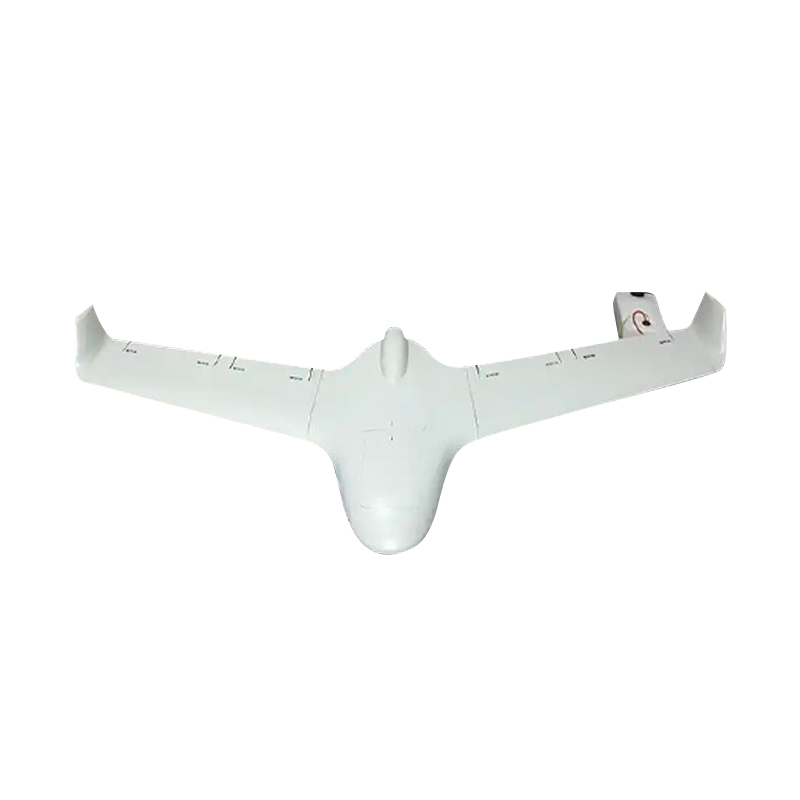
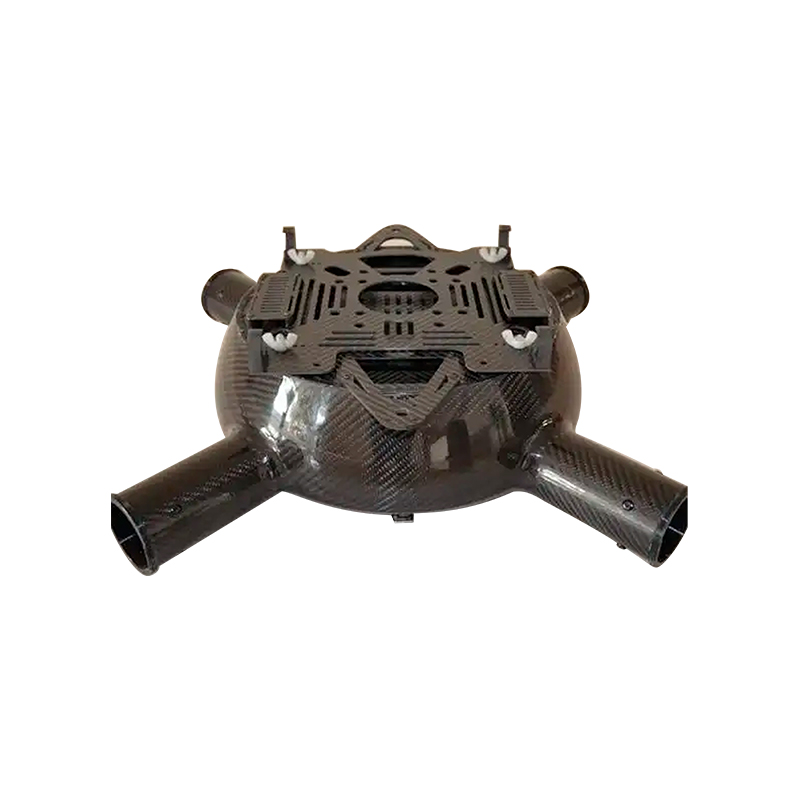
Carbon Fiber Drone Shell

It can reduce the weight of the aircraft structure by about 15%~20% and increase the effective load; it can also simplify the UAV process equipment, reduce the assembly workload, shorten the manufacturing cycle, and reduce the cost of the entire life cycle of the whole aircraft. Parameters can be customized.
Contact Us
Parameter
UAV ENCLOSURE · PREPREG MOLDED
Carbon Fiber Drone Shell
0.6-2.0mmWall thickness
-40 to 110°CService temp
65-85GPaTensile modulus
Product overview
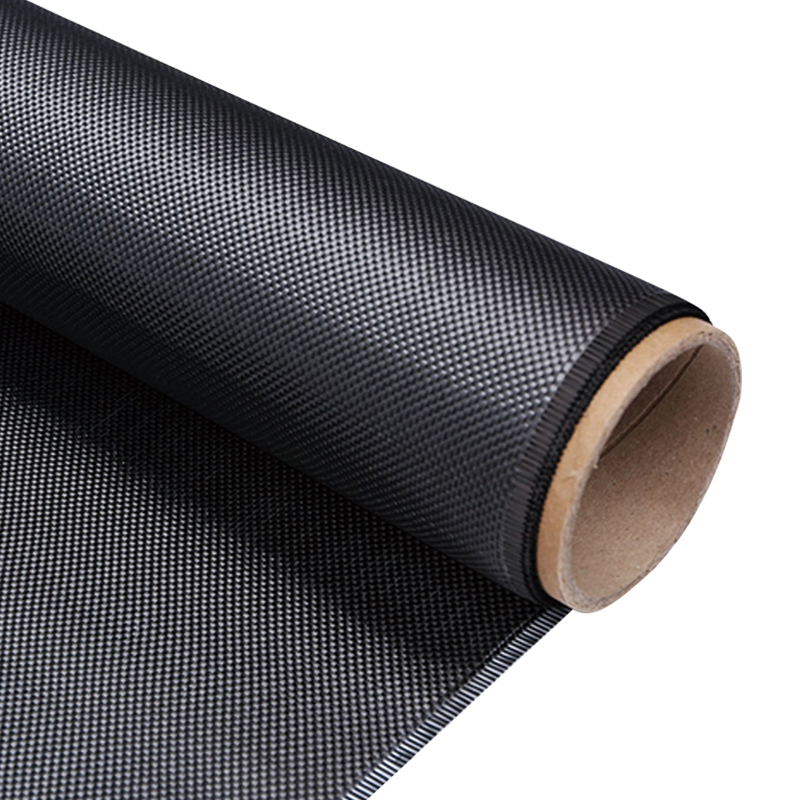
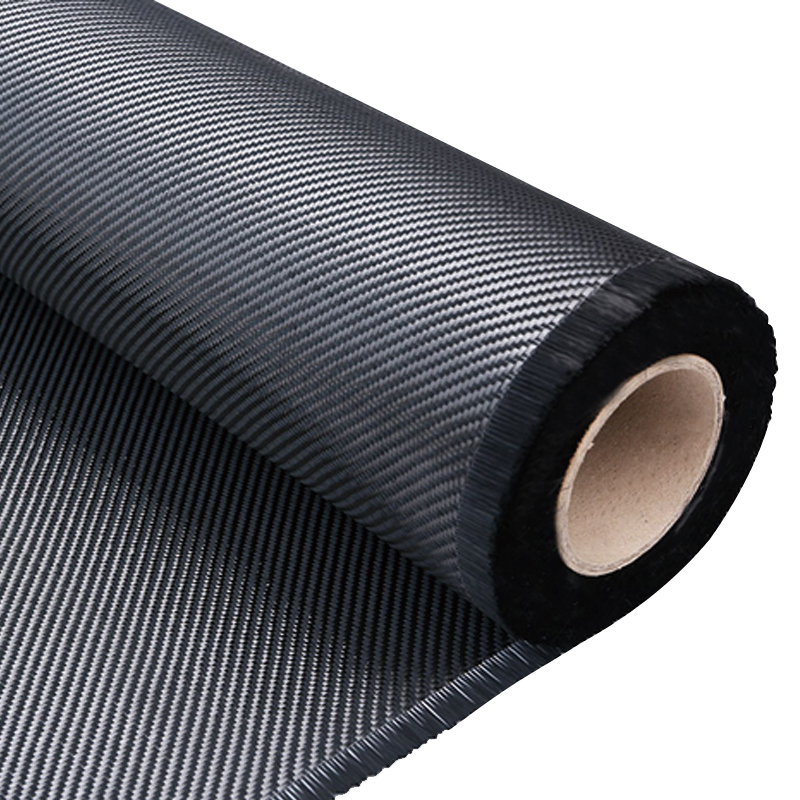
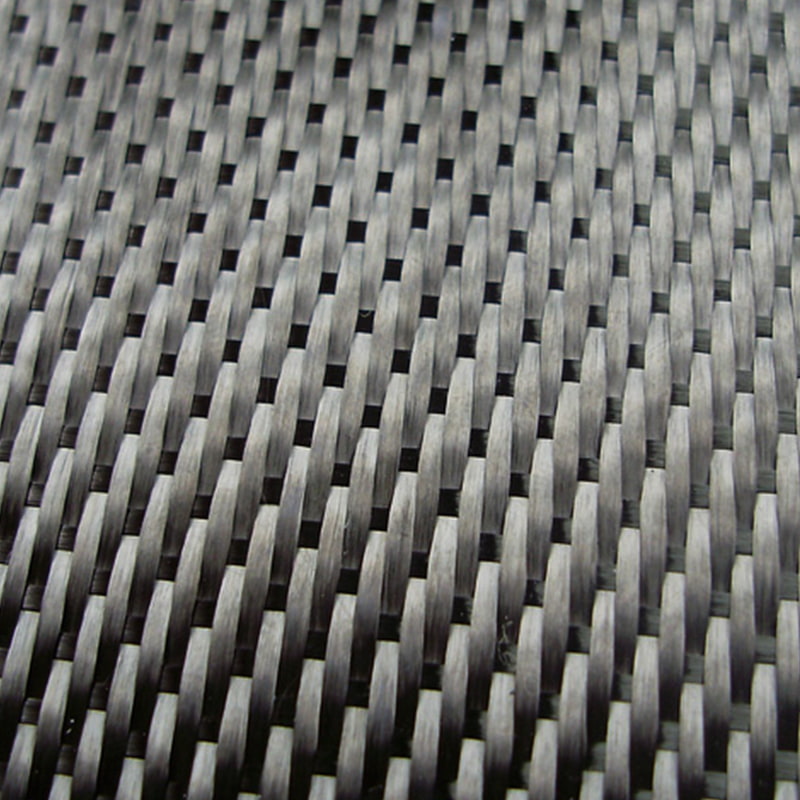
Carbon fiber drone shells are structural enclosures manufactured through prepreg compression molding or autoclave curing, using 3K twill or unidirectional carbon fiber with epoxy resin matrix. The shell serves as both aerodynamic fairing and load-bearing structure for multirotor and fixed-wing UAV platforms. Wall thickness ranges from 0.6 mm to 2.0 mm depending on frame size and payload requirements. Tensile modulus of 65-85 GPa provides torsional rigidity for gimbal mounting and flight controller isolation. Surface resistivity of 10-100 Ω/sq enables electrostatic discharge protection without additional coatings. Our engineering team supports design for manufacturing including draft angle optimization, mounting boss placement, and antenna window integration.
Company capabilities
01Electrical insulation with dielectric strength 15-20 kV/mm for onboard electronics isolation
02Heat resistance up to 110°C continuous service for ESC and battery thermal environments
03UL94 V-0 flame rating available for safety-critical airframes
04Custom mold design and low-volume production from 50 units
Technical parameters
Fiber architecture3K twill / UD prepreg
Resin systemEpoxy (Tg 120-135°C)
Fiber volume55-62%
Wall thickness0.6-2.0 mm
Tensile strength750-950 MPa
Tensile modulus65-85 GPa
Surface resistivity10-100 Ω/sq
FlammabilityUL94 V-0 (optional)
Surface finishGloss 90 GU / Matte
Mounting insertsM2.5 / M3 threaded
Mass reduction
Density of 1.55 g/cm³ compared to 2.70 g/cm³ for aluminum. Shell weight of 35-120 g depending on airframe size, reducing takeoff mass and extending flight endurance.
Signal transparency
Non-conductive glass fiber outer ply option reduces RF attenuation below 0.5 dB at 2.4 GHz and 5.8 GHz, maintaining GPS and telemetry reception.
Impact resistance
No crack propagation after 500 g drop from 1.5 m onto concrete. Survives hard landing events without structural failure of mounting points.
Dimensional precision
Mold tolerance of ±0.15 mm on mounting surfaces. CNC-machined inserts ensure position accuracy of ±0.10 mm for gimbal and flight controller interfaces.
Application scenarios
Multirotor inspection drones (DJI M300, Mavic 3 Enterprise)
Fixed-wing mapping and survey platforms
FPV racing and freestyle airframes
Agricultural spraying UAV enclosures
Custom LiDAR and sensor payload housings
Integration notes
Mounting screws should use nylon washers to prevent galvanic corrosion between carbon shell and aluminum airframe components.
Pre-drilled holes diameter 2.2 mm for M2 screws; 2.7 mm for M2.5 screws. Countersink angle 100 degrees for flush fitment.
Ventilation slots can be integrated during molding for battery and ESC cooling airflow without secondary machining.
Frequently asked questions
Does carbon fiber block GPS signal?
Uncoated carbon fiber attenuates RF signals. Our shells include an optional non-conductive glass fiber surface layer that reduces signal loss to below 0.5 dB, allowing GPS and telemetry reception without external antenna placement.
Custom mold cost and lead time
Aluminum mold cost ranges from USD 1,800-2,500 depending on complexity. Lead time of 25-30 days for mold fabrication. Sample shells provided within 5 days after mold completion for approval.
Repair procedures for damaged shell
Small cracks under 15 mm can be repaired with epoxy filler and carbon patch. Impact damage causing delamination exceeding 30 percent of panel area requires shell replacement. We provide replacement shells at reduced cost for warranty claims.
About Us
Jiangyin Dongli New Materials Technology Co., Ltd.
Founded in 2018, Jiangyin Dongli New Materials Technology Co., Ltd. specializes in the comprehensive development and manufacturing of high-performance fiber composite materials. We are China Carbon Fiber Drone Shell Manufacturers and Custom Carbon Fiber Drone Shell Factory. Located in a 32,000-square-meter industrial complex, the company features precision-controlled production environments, including climate-regulated workshops and 100,000-grade purification zones.
As a one-stop factory with full process control, we integrate material innovation with engineering expertise to serve industries such as aerospace, automotive and sports equipment development. Our capabilities include the R&D and production of high-performance fiber fabrics through weaving and prepreg processes, as well as composite products utilizing autoclave, RTM, RMCP, PCM, WCM, and spraying technologies.
Certificate Of Honor
News
Get In Touch