 Get In Touch
 English
  中文简体
中文简体 عربى
عربى Tiếng Việt
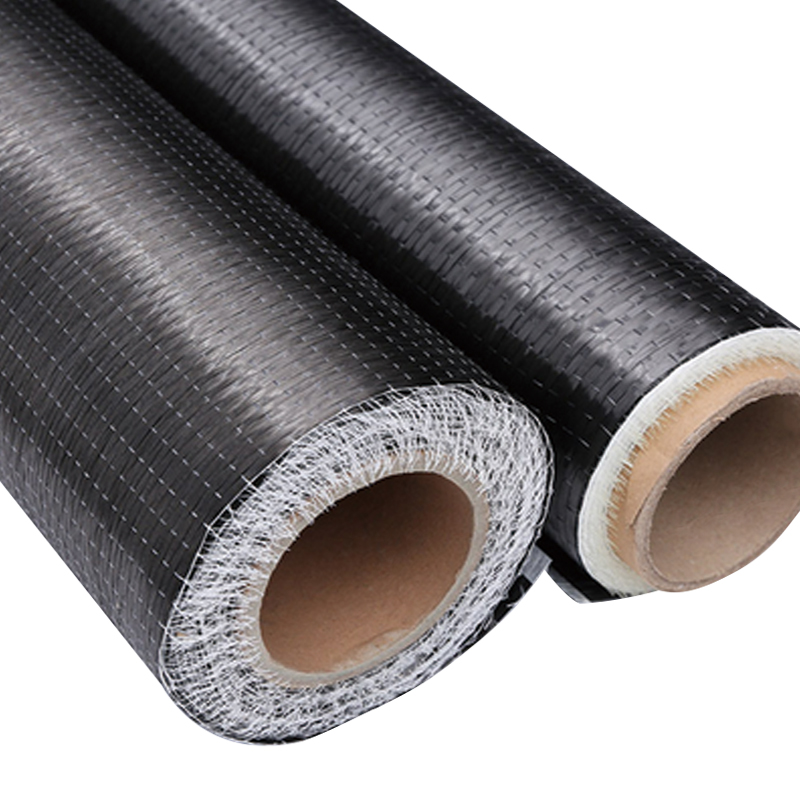
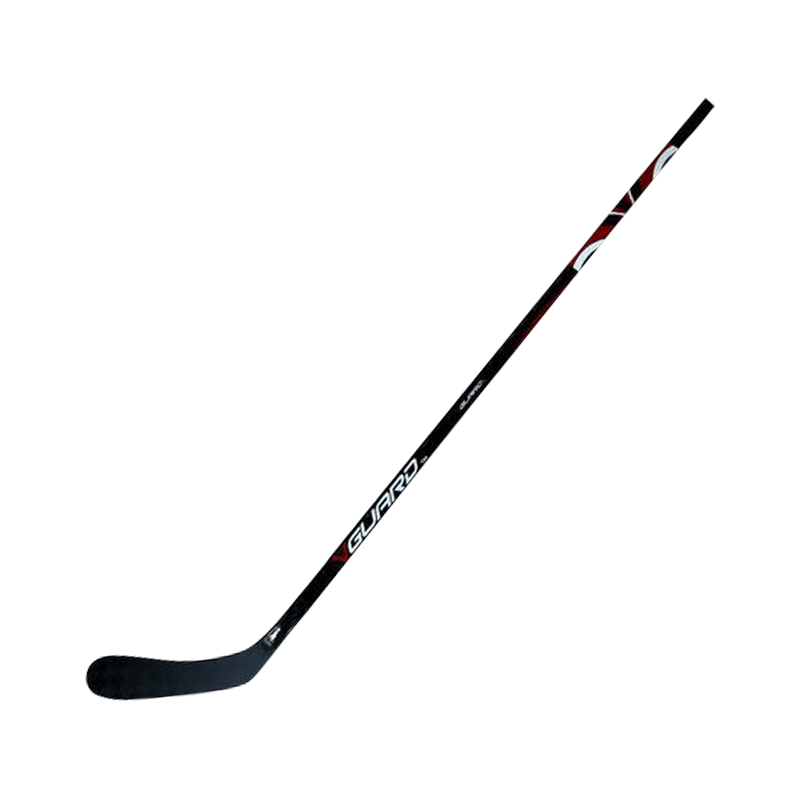
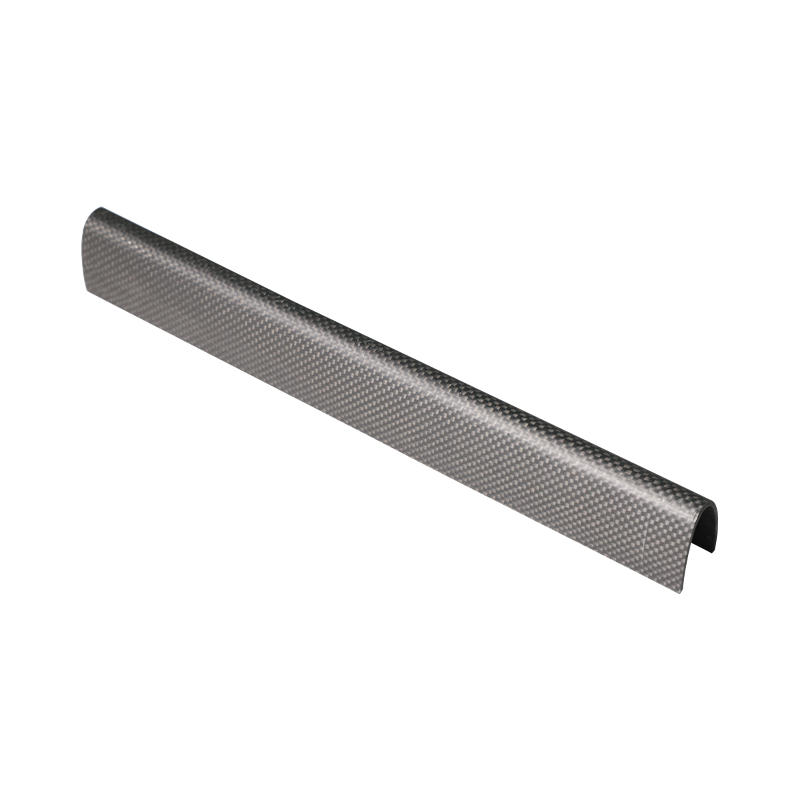
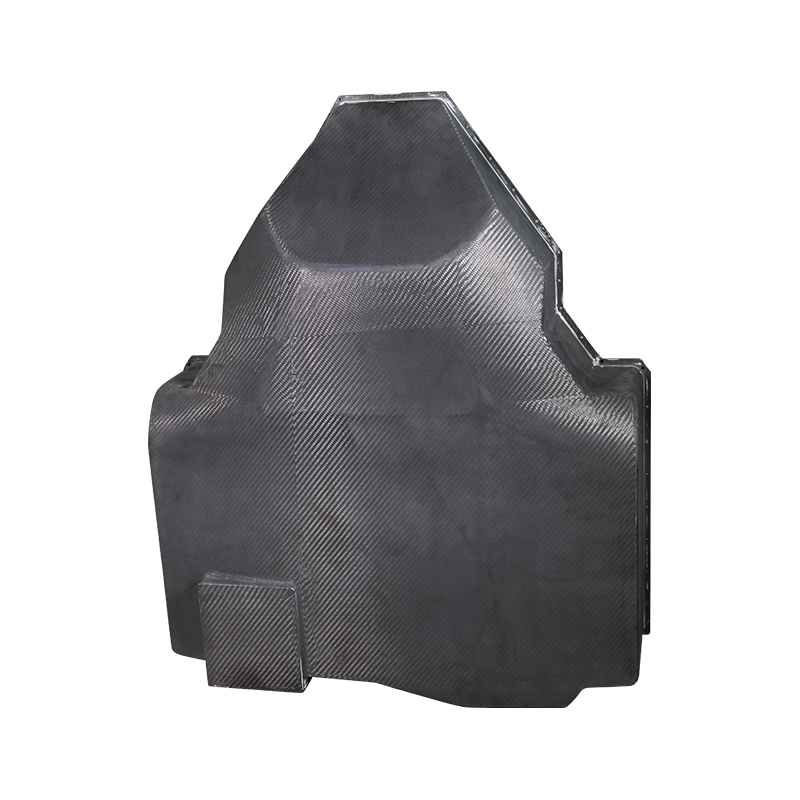
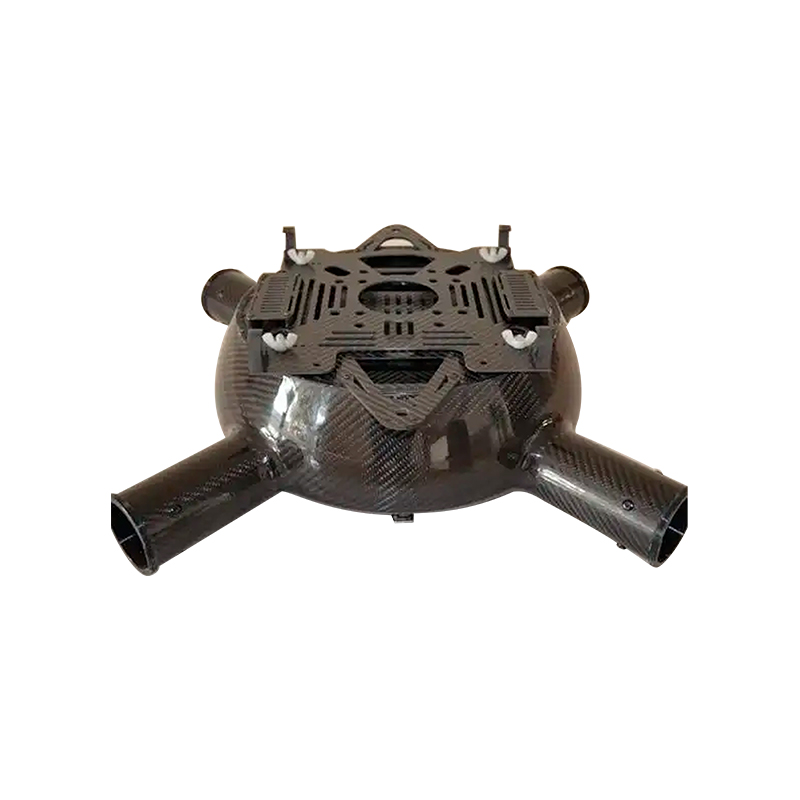
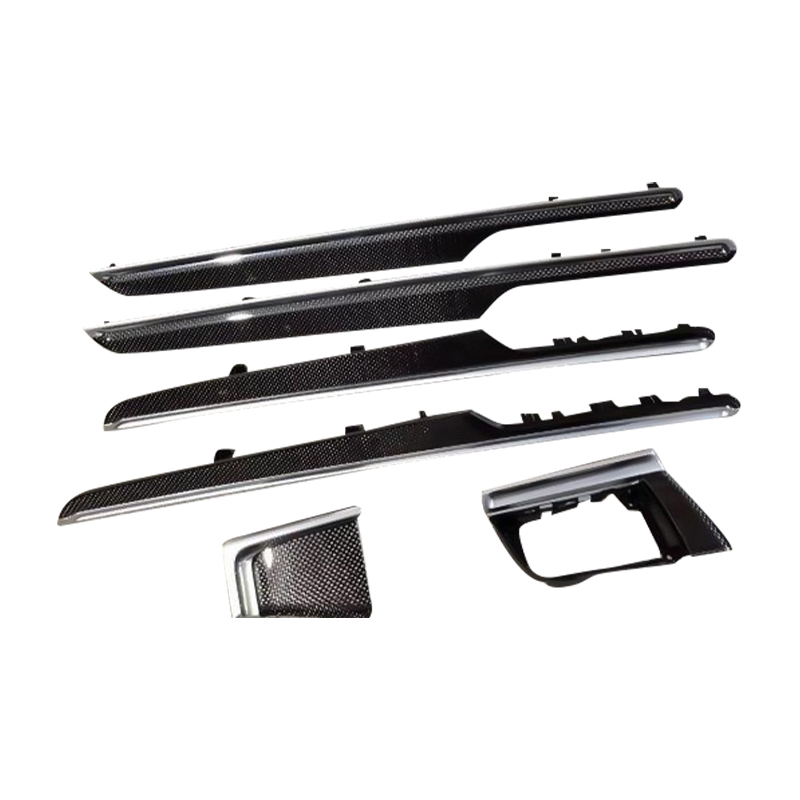
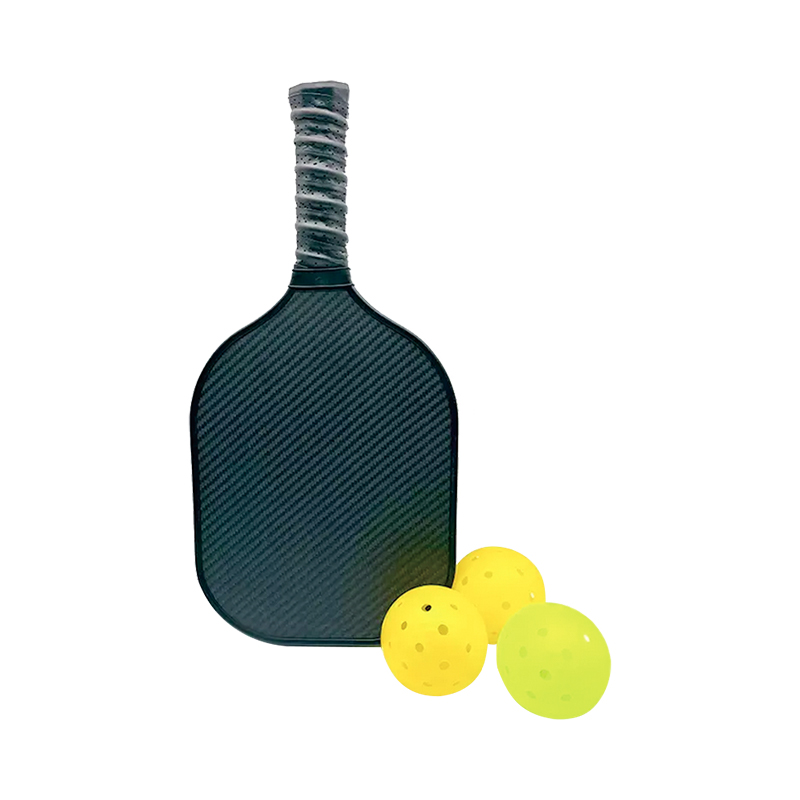
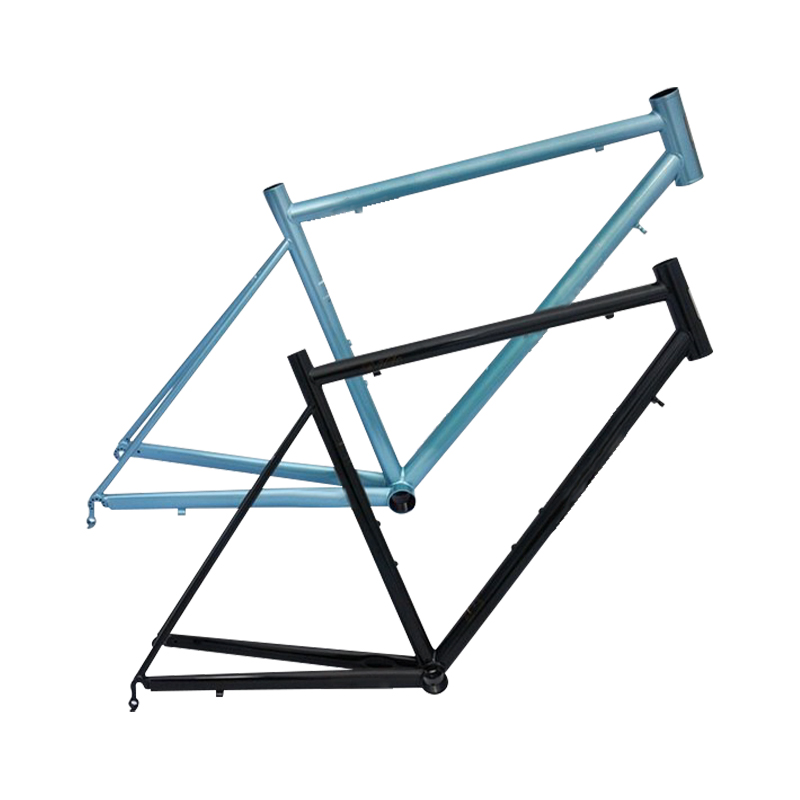
Carbon Fiber Fabric For Composite Reinforcement
Carbon Fiber Fabric For Composite Reinforcement is specifically engineered to enhance the structural integrity of composite laminates in critical load-bearing applications. Unlike general-purpose fabrics, this reinforcement fabric is designed with optimized weave architecture, tow alignment, and sizing chemistry to maximize stress transfer between fiber and matrix. The fabric provides targeted reinforcement in the 0° and 90° directions, with options for plain, twill, and satin weaves to suit different geometry requirements. Available in tow sizes from 3k to 24k and areal weights from 200 to 800 g/m². This fabric is compatible with epoxy, vinyl ester, and polyester resin systems, making it suitable for new construction, repair, and retrofitting applications.
Reinforcement Capabilities
Technical Specifications
Reinforcement Applications
Reinforcement Benefits
- Increased load-bearing capacity in existing structures
- Improved fatigue resistance in cyclic loading
- Enhanced durability and service life extension
- Reduced weight compared to steel reinforcement
- Corrosion-resistant alternative to steel plates
Frequently Asked Questions
Carbon fiber fabric offers five to ten times higher tensile strength than steel at one-fifth the weight. It is corrosion-resistant, easier to install, and does not require heavy lifting equipment. However, it has a lower modulus than steel, so multiple layers may be needed for stiffness-critical applications.
Epoxy resins are recommended for maximum bond strength and durability. For outdoor and marine applications, use a UV-stable epoxy or a vinyl ester system. The fabric's sizing is compatible with all standard reinforcement resins.
Yes. The fabric is designed for both new construction and repair applications. It can be applied to concrete, steel, timber, and masonry substrates using wet layup or prepreg systems. Surface preparation is critical for optimal bond strength.
This depends on the structural load requirements. For concrete strengthening, 1 to 4 layers are common. For seismic retrofitting, 2 to 6 layers may be required. Engineering analysis is recommended to determine the optimal number of plies.
Yes. When properly installed with a compatible resin system and protected with a UV-resistant coating or topcoat, carbon fiber reinforcement is durable in outdoor environments. The carbon fiber itself is UV resistant, but the resin matrix requires protection.
 +86-13961668677
 No. 61, Xingyuan Road, Jiefang Village, Gushan Town, Jiangyin City, Jiangsu Province, China.