 Get In Touch
 English
  中文简体
中文简体 عربى
عربى Tiếng Việt
Content
- 1 Is Fabric Carbon — What Woven Carbon Fiber Cloth Actually Is
- 2 How Carbon Fiber Cloth Is Made — From Precursor to Woven Fabric
- 3 How Woven Fabric Structure Affects Composite Performance
- 4 What Is Carbon Fiber Cloth Used For — Applications by Industry
- 5 Selecting Woven Carbon Fiber Cloth — Key Specification Parameters
- 6 Working with Woven Carbon Fiber Cloth — Handling, Cutting, and Safety
Is Fabric Carbon — What Woven Carbon Fiber Cloth Actually Is
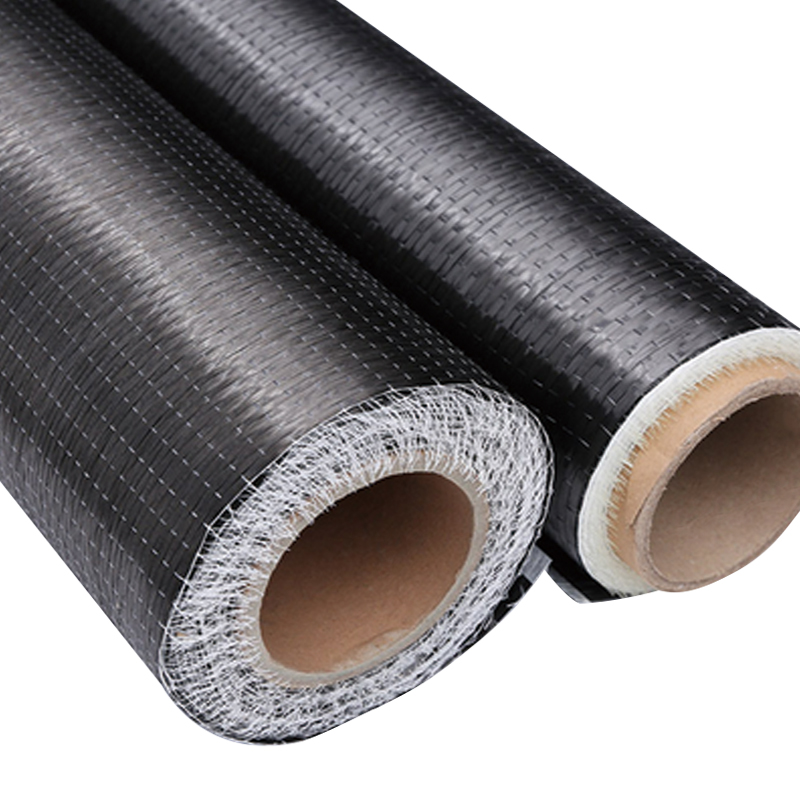
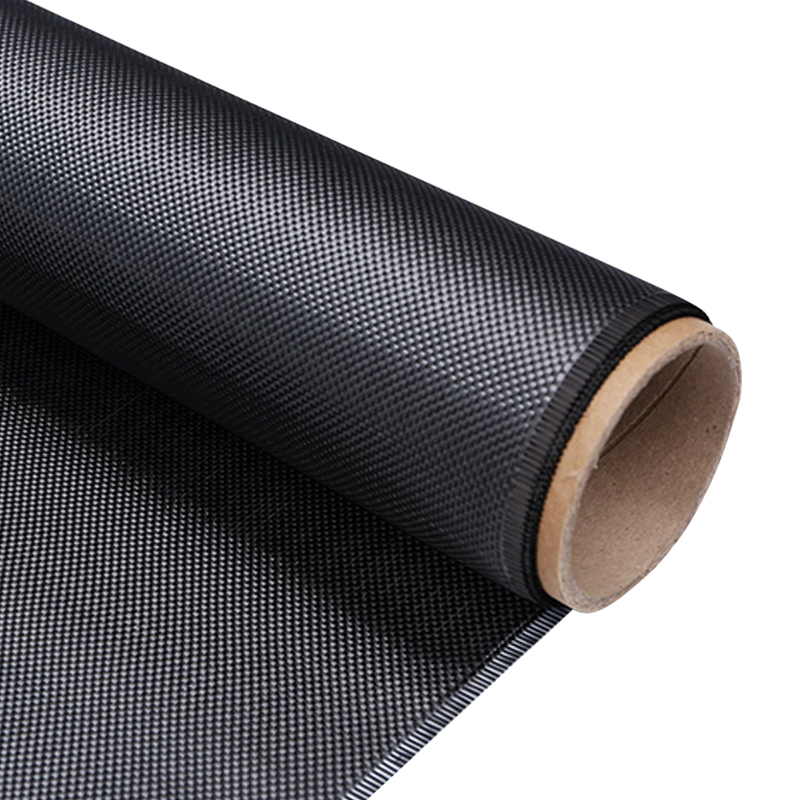
Carbon fiber cloth is simultaneously a textile and a structural engineering material. The fibers themselves are thin crystalline filaments — typically 5–10 microns in diameter, roughly one-tenth the diameter of a human hair — composed almost entirely of carbon atoms arranged in a graphitic crystal structure aligned along the fiber axis. This crystal alignment is what gives the fiber its extraordinary axial strength and stiffness.
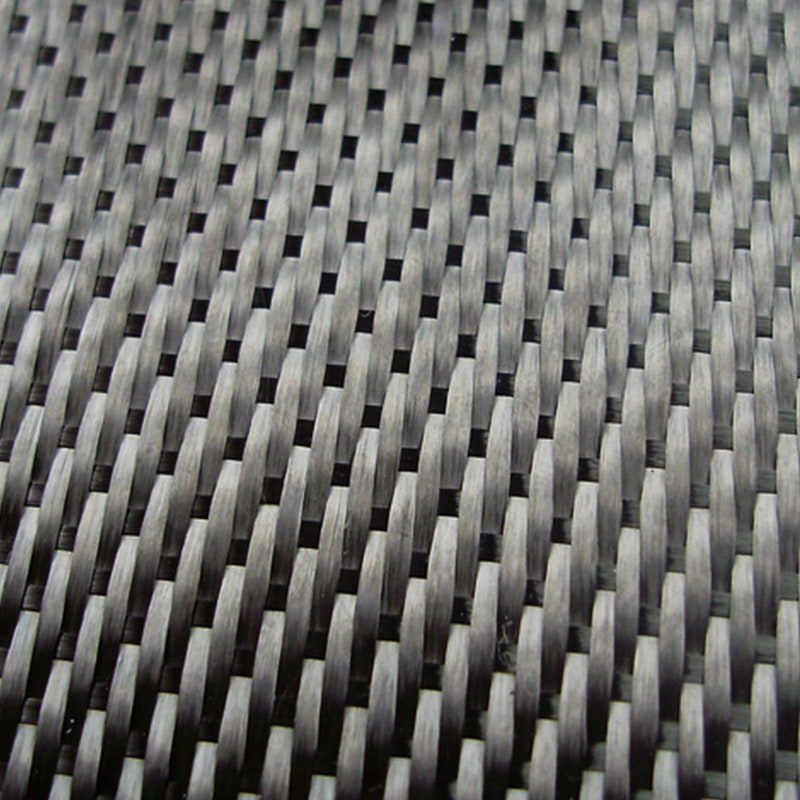
The individual filaments have no structural use on their own — they must be bundled into tows (typically 1,000, 3,000, 6,000, or 12,000 filaments, denoted 1K, 3K, 6K, 12K) and then woven, stitched, or laid in a specific orientation to create a usable fabric. When a woven carbon fiber fabric is combined with a resin matrix (epoxy, polyester, vinylester, or thermoplastic) and cured, the result is a carbon fiber reinforced polymer (CFRP) composite — the hard, rigid material seen in aircraft fuselages, racing car monocoques, and sporting goods.
In its dry (pre-impregnated or dry fabric) state, carbon fiber cloth handles exactly like a stiff, slightly slippery woven textile — it can be cut with scissors or a rotary cutter, draped over a mold surface, and shaped by hand. This formability is one of the primary reasons the woven format is preferred over unidirectional (UD) tape for complex three-dimensional shapes.
How Carbon Fiber Cloth Is Made — From Precursor to Woven Fabric
Carbon fiber production is a multi-stage chemical and thermal process that transforms an organic polymer precursor — most commonly polyacrylonitrile (PAN) — into a high-carbon crystalline fiber. Weaving is the final stage of a long manufacturing chain:
Polyacrylonitrile polymer is dissolved in solvent and extruded through spinnerets to produce fine white filaments — the PAN precursor fiber. The filament diameter, molecular weight, and crystal structure of the precursor are tightly controlled because they directly determine the properties of the final carbon fiber. PAN accounts for over 90% of global carbon fiber production; pitch-based and rayon-based precursors are used for specialist high-modulus applications.
PAN precursor tows are drawn through an oxidation oven at 200–300°C in air for 30–120 minutes while under tension. The tension is critical — it aligns the polymer chains along the fiber axis, maximising the eventual carbon crystal orientation and fiber stiffness. The chemical reaction converts the linear PAN chains into a ladder structure that can withstand subsequent high-temperature treatment without melting. The fiber turns from white to golden-brown during this stage.
Stabilised tows enter a carbonisation furnace under inert nitrogen atmosphere. In the first stage (low-temperature carbonisation), temperature rises to 700–900°C, driving off non-carbon elements (hydrogen, oxygen, nitrogen) as gases. In the second stage (high-temperature carbonisation), temperature reaches 1,200–1,600°C, densifying the carbon structure and forming the graphitic crystal alignment that provides high strength. The fiber loses approximately 50% of its original mass but only a small fraction of its volume, emerging as a stiff, black carbon fiber tow.
The carbon fiber surface is chemically inert and would bond poorly to resin matrices without surface treatment. Electrochemical oxidation etches the fiber surface, creating reactive functional groups (carboxyl, hydroxyl) that bond chemically with epoxy resins. A sizing (chemical coating, typically 0.5–2% by weight) is then applied — this improves handleability, protects the fiber during weaving, and further enhances fiber-matrix adhesion. Sizing is formulated for specific resin systems, so fiber and resin must be compatible.
Sized tows wound onto bobbins are loaded as warp (lengthwise) yarns on a loom. Weft tows are interlaced across the warp by a shuttle or rapier mechanism. The weave pattern — plain, twill, satin, or harness — is determined by the loom's heddle configuration. Carbon fiber weaving requires specialised looms with lower tension and speed settings than glass or synthetic fiber weaving because carbon tows are brittle under bending loads — mishandling during weaving causes filament breakage (fuzzing) that reduces composite strength. Finished fabric is wound onto rolls at widths from 100 mm to 2,000 mm.
How Woven Fabric Structure Affects Composite Performance
The weave pattern of a carbon fiber cloth is not merely aesthetic — it directly determines the mechanical properties, drapability, and surface finish of the resulting composite. Understanding weave architecture is essential for selecting the correct fabric for a structural application.
| Weave Type | Crimp Level | Drapability | Mechanical Performance | Typical Applications |
|---|---|---|---|---|
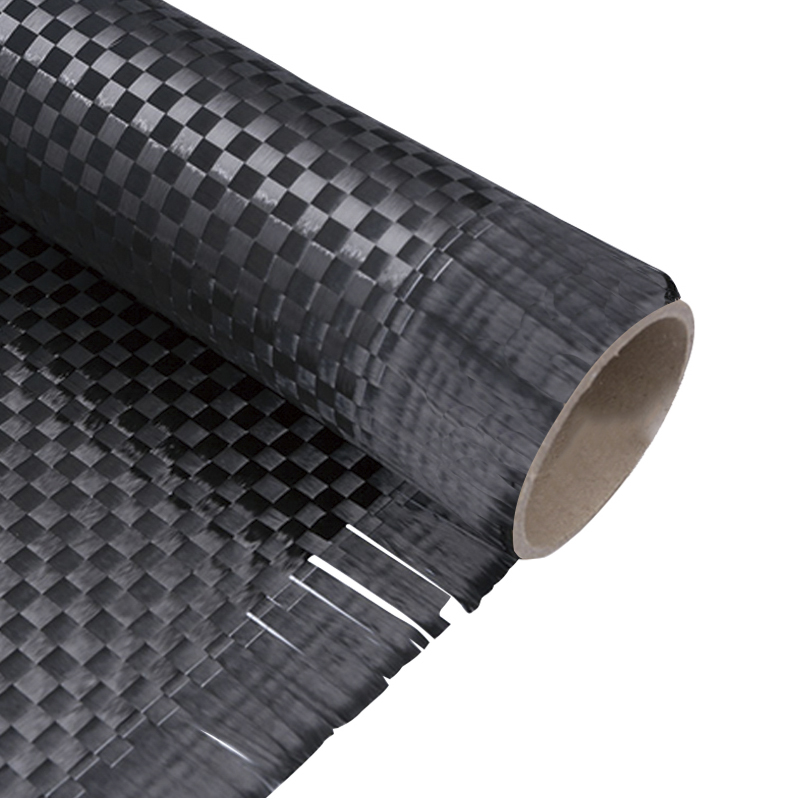
| Plain (1/1) | Highest | Low | Moderate — crimp reduces fiber efficiency | Flat panels, structural laminates, decorative facings |
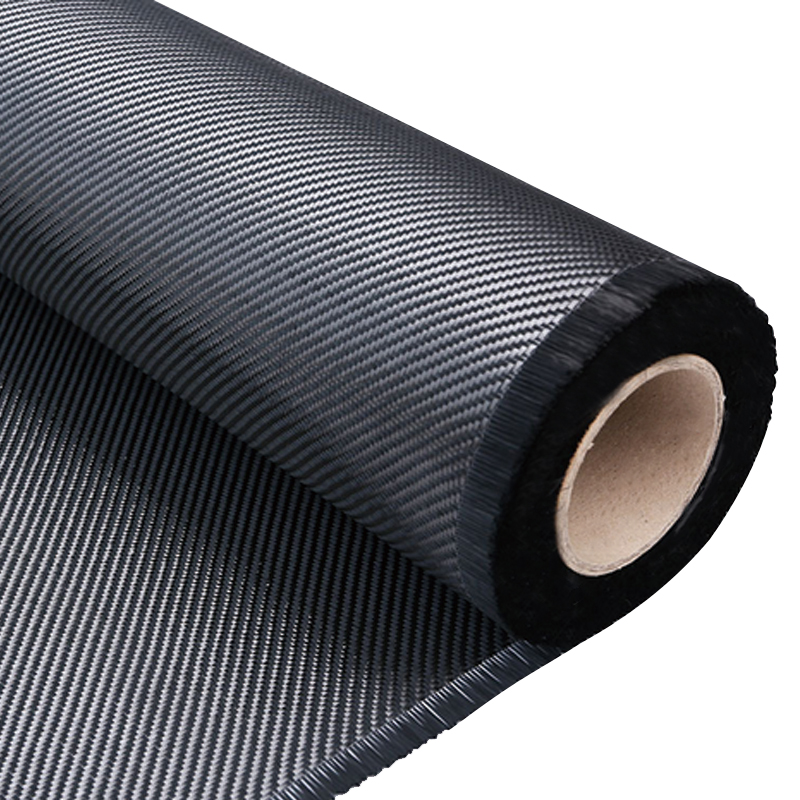
| 2/2 Twill | Medium | Good | Good — visible diagonal weave pattern | Automotive body panels, sports equipment, aerospace skins |
| 4H Satin | Low | Very good | High — low crimp maximises fiber strength | Complex curved parts, aircraft structures, pressure vessels |
| 8H Satin | Very low | Excellent | Highest — approaches UD performance | Aerospace primary structure, Formula 1 components |
| Basket (2/2 plain) | High | Low | Similar to plain but thicker per layer | Tooling, thick laminates requiring stiffness |
Crimp — the waviness introduced into fibers as they pass over and under crossing tows — is the key variable. A crimped fiber carries load at an angle to its axis, reducing its effective tensile contribution. A 2/2 twill weave, the most widely used pattern in commercial CFRP, achieves approximately 85–90% of the theoretical fiber tensile strength in the laminate. An 8H satin weave, where each tow passes over seven and under one adjacent tow before interlacing, approaches 95% fiber efficiency but at the cost of reduced weave stability (the fabric is more prone to distortion during handling and layup).
What Is Carbon Fiber Cloth Used For — Applications by Industry
The use cases for woven carbon fiber cloth span virtually every industry where structural weight reduction is a design objective. The specific weave, tow size, and areal weight selected vary significantly between applications based on the loading type, surface finish requirements, and manufacturing method used.
- Aerospace — primary and secondary structure: Aircraft fuselage skins, wing panels, control surfaces, and bulkheads use high-quality prepreg carbon fiber cloth (resin pre-impregnated fabric) cured in an autoclave under heat and pressure. A single-aisle commercial aircraft such as the Boeing 787 uses approximately 50% composite by weight, with woven carbon fiber cloth forming the majority of the load-bearing shell structure. Aerospace grades require traceability certification, tight areal weight tolerances (typically ±3%), and confirmation of fiber volume fraction in the cured laminate.
- Motorsport — monocoques, bodywork, and aerodevices: Formula 1 survival cells (monocoques), floor assemblies, and aerodynamic wings are almost entirely constructed from woven carbon fiber cloth laminates. The combination of extreme stiffness (preventing aerodynamic surface deflection under downforce) and impact energy absorption (required for FIA crash safety standards) is uniquely available in carbon fiber composites. A Formula 1 front wing assembly weighing under 8 kg carries aerodynamic loads exceeding 1,000 N at speed.
- Marine — hulls, decks, and spars: Racing yacht hulls, powerboat topsides, and carbon fiber masts use woven cloth for its combination of stiffness (resisting hull deflection under hydrostatic and wave loading) and weight reduction (critical for sailing performance). The filament-wound and hand-laid carbon fiber mast on an offshore racing yacht is typically 40–50% lighter than an equivalent aluminium mast, which lowers the centre of gravity and dramatically improves stability.
- Sports and recreational equipment: Bicycle frames, tennis rackets, golf shafts, paddles, hockey sticks, and ski poles use woven carbon fiber cloth as the primary structural material. A carbon fiber road bicycle frame weighing 700–900 g is measurably stiffer in the bottom bracket than an aluminium frame three times heavier — the stiffness efficiency translates directly to pedalling power transfer and rider feel.
- Civil and structural engineering — reinforcement and repair: Woven carbon fiber cloth bonded to concrete beams, columns, and bridge decks with structural epoxy adhesive provides externally bonded reinforcement that increases flexural and shear capacity without adding significant structural load. Carbon fiber reinforced polymer (CFRP) strengthening systems are widely used for seismic retrofit of existing buildings and load upgrade of bridges where increasing concrete section size is impractical. A single layer of 300 g/m² carbon fiber cloth bonded to the tension face of a concrete beam can increase its bending capacity by 30–60%.
- Industrial tooling and jigs: Precision machining jigs, inspection fixtures, and alignment tools made from carbon fiber composite maintain dimensional accuracy across temperature changes due to carbon fiber's near-zero coefficient of thermal expansion (approximately −0.5 to +1.5 × 10⁻⁶/°C in the fiber direction). Aluminium tooling expands and contracts measurably with workshop temperature variation; carbon fiber tools hold their geometry within microns over a 30°C temperature range.
Selecting Woven Carbon Fiber Cloth — Key Specification Parameters
Specifying the correct woven carbon fiber cloth for a structural application requires matching five parameters to the application's mechanical, processing, and surface finish requirements:
- Tow size (K count): The K number defines the filament count per tow — 1K (1,000 filaments), 3K, 6K, 12K. Smaller K values produce finer, tighter weaves with better surface finish and higher fiber volume fraction per ply, but at higher cost. 3K fabrics are the standard for visible structural surfaces (automotive, sports equipment) where appearance matters. 12K fabrics produce faster layup coverage and lower cost per square metre but have a coarser surface texture. For structural-only (hidden) applications, 12K is typically specified to reduce material cost.
- Areal weight (g/m²): The weight per unit area of the dry fabric, typically ranging from 80 g/m² (ultra-lightweight) to 600 g/m² (heavy structural). Lighter fabrics produce thinner laminates per ply and allow more precise control of laminate thickness and fiber orientation, but require more plies to achieve a target laminate thickness, increasing layup time. Heavy fabrics cover area faster but are less conformable to complex curves.
- Fiber grade (standard modulus, intermediate modulus, high modulus): Standard modulus carbon fiber (e.g. T300, T700) has a tensile modulus of approximately 230–250 GPa — the most widely used grade for structural composites. Intermediate modulus (IM6, T800) achieves 290–310 GPa, used in aerospace primary structure. High modulus (M40, M55) reaches 400–500+ GPa but becomes increasingly brittle (lower strain to failure) — used in precision structures where stiffness, not strength, is the design driver.
- Sizing compatibility: The chemical sizing applied to the fiber tow must be compatible with the intended resin system. Epoxy-compatible sizing is standard and covers most applications. Thermoplastic-compatible sizings are available for PEEK, nylon, and polypropylene matrix systems. Using a fiber with incompatible sizing results in poor fiber-matrix adhesion, reduced interlaminar shear strength, and premature delamination — a failure mode that is not visible externally until the composite has already lost structural integrity.
- Weave stability and selvage: Stable weaves (tighter interlacing) resist fiber distortion during handling and are easier to apply to flat or mildly curved surfaces. Unstable weaves (large harness satins) drape over complex curves more readily but can shift during layup, introducing fiber waviness and the associated strength knockdown. The selvage (edge finish) quality affects how cleanly the fabric can be cut and prevents fraying during handling — quality woven carbon fiber cloth has a clean, stable selvage on both longitudinal edges.
Working with Woven Carbon Fiber Cloth — Handling, Cutting, and Safety
Woven carbon fiber cloth requires different handling practices from conventional textiles and from glass fiber reinforcement. The key differences affect cutting technique, dust management, and personal protection:
- Cutting technique: Carbon fiber cloth should be cut with sharp, dedicated scissors, a rotary cutter on a cutting mat, or a carbide-tipped blade on a cutting table. Dull blades cause filament breakage at the cut edge, creating a frayed edge that loses structural integrity and produces excessive carbon dust. Scissors and rotary cutters used on carbon fiber become dull within a few metres of cutting and must be replaced or resharpened regularly — do not use cutting tools that have been in carbon fiber service on other fabrics without resharpening.
- Respiratory protection — mandatory: Carbon fiber cutting and sanding releases fine carbon filaments and particles. Inhalation of carbon fiber dust causes respiratory irritation, and fine filaments can embed in skin and mucous membranes. A minimum FFP2 (N95) particulate respirator must be worn during any dry cutting, grinding, or sanding of carbon fiber materials. A full-face air-fed respirator is required for extended machining operations. Wet cutting (using water to suppress dust) is strongly recommended for power tool work on cured carbon fiber composites.
- Electrical conductivity hazard: Carbon fiber is electrically conductive. Carbon fiber dust and cut fragments can short-circuit electronic equipment, PCBs, and electrical panels. Work areas where carbon fiber is cut or machined should be separated from electronic equipment. Carbon fiber fragments that enter electrical panels have caused significant equipment damage and fires in fabrication environments where containment procedures were not followed.
- Storage: Dry woven carbon fiber cloth should be stored rolled (not folded — fold creases cause fiber breakage) on cardboard or plastic cores in a cool, dry environment away from UV light. Prepreg fabric (resin pre-impregnated) must be stored frozen at -18°C to halt resin cure advancement and has a limited out-time (the total time it can be at room temperature before cure begins) specified by the manufacturer — typically 15–30 days cumulative out-time before the material must be used or scrapped.
 +86-13961668677
 No. 61, Xingyuan Road, Jiefang Village, Gushan Town, Jiangyin City, Jiangsu Province, China.