 Get In Touch
 English
  中文简体
中文简体 عربى
عربى Tiếng Việt
Content
- 1 Pure Carbon Fabric: The Complete Truth
- 2 Is Carbon Fiber Made of Pure Carbon?
- 3 Do Fabrics Contain Carbon?
- 4 Carbon-Enhanced Fabrics: A Growing Category
- 5 Why Is Carbon Fiber So Durable?
- 6 Carbon Fiber vs Competing Structural Materials
- 7 Weave Patterns in Pure Carbon Woven Fabric
- 8 Where Pure Carbon Fabric Is Used
- 9 What You Need to Know About Pure Carbon Fabric
Pure Carbon Fabric: The Complete Truth
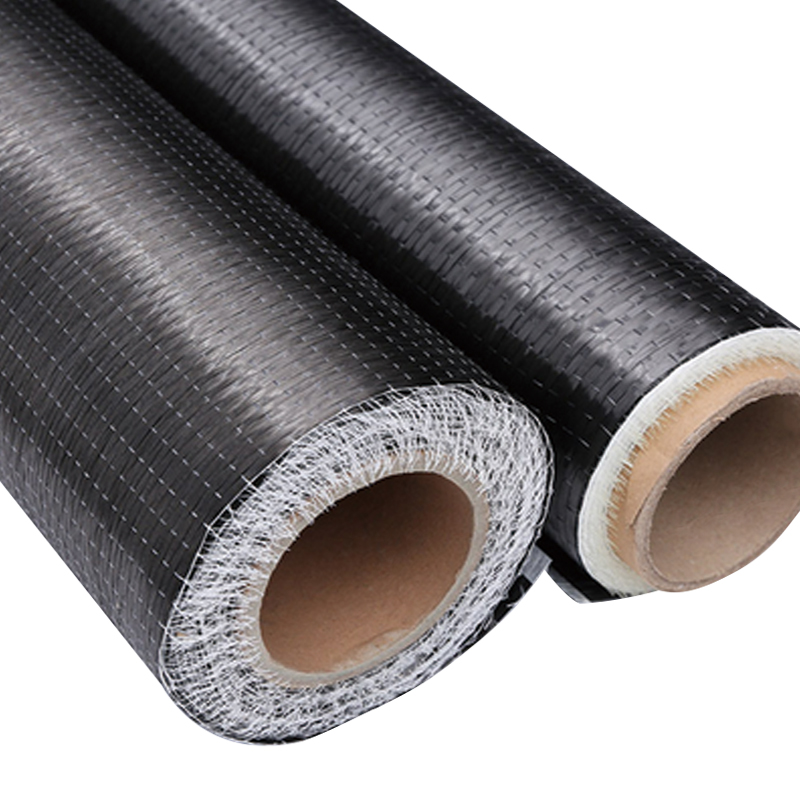
Carbon fiber is not 100% pure carbon — but pure carbon fabric comes close, reaching 92–99% carbon content after high-temperature carbonization. Its durability comes from the unique graphite crystal lattice that forms during that process — one of the strongest molecular architectures in nature.
Is Carbon Fiber Made of Pure Carbon?
Carbon fiber is not made of pure elemental carbon from the start — it is converted into high-carbon material through a controlled high-temperature process called carbonization. The precursor material is almost always polyacrylonitrile (PAN), a polymer that contains carbon, hydrogen, and nitrogen atoms. During pyrolysis, everything except carbon is driven off as gas, leaving behind an aligned, crystalline carbon structure.
The resulting fiber is 92–99% carbon by mass. The remaining 1–8% consists primarily of nitrogen and oxygen atoms that did not fully volatilize. The higher the processing temperature, the purer — and stiffer — the resulting fiber. This is why ultra-high modulus grades processed above 2,500°C can reach 99%+ carbon content, while standard-modulus fibers processed around 1,000–1,500°C remain closer to 92–95%.
| Fiber Grade | Processing Temp | Carbon Purity | Tensile Modulus | Primary Application |
| Standard Modulus (SM) | 1,000–1,500°C | 92–95% | 230–240 GPa | General composites, sporting goods |
| Intermediate Modulus (IM) | 1,200–1,700°C | 95–97% | 270–310 GPa | Aerospace structures, pressure vessels |
| High Modulus (HM) | 2,000–2,500°C | 97–98% | 350–450 GPa | Satellite structures, precision optics |
| Ultra-High Modulus (UHM) | 2,500–3,000°C | 98–99%+ | 500–900 GPa | Space applications, stiffness-critical parts |
Do Fabrics Contain Carbon?
All textile fibers are made of organic compounds, and all organic compounds contain carbon atoms by definition. Cotton, polyester, nylon, wool, silk — every conventional fabric is fundamentally a carbon-containing polymer. However, the carbon in these materials is bonded within long-chain molecules that give them softness and flexibility, not structural rigidity or tensile strength.
Carbon fiber fabric is categorically different. Instead of carbon locked inside a polymer backbone, the fiber itself is almost entirely carbon — arranged into turbostratic or graphitic crystal planes that run parallel to the fiber axis. This is what separates pure carbon fabric from every other textile: it is not just a material that contains carbon, it is a material that is carbon.
Carbon-Enhanced Fabrics: A Growing Category
Beyond structural carbon fiber, a growing category of carbon-enhanced textiles incorporates carbon at the coating or blending level. These include activated carbon fabrics used in chemical protection suits, carbon nanotube-infused smart fabrics for conductivity, and graphene-coated textiles for thermal management. None of these match pure carbon fiber in structural performance, but they expand the role of carbon across the textile industry.
| Fabric Type | Carbon Content | Carbon Role | Structural Performance |
| Cotton / Natural fibers | 40–45% by mass | Part of cellulose polymer | None (carbon not structural) |
| Synthetic fibers (PET, PA) | 60–75% by mass | Part of polymer backbone | None (polymer structure, not carbon) |
| Activated carbon fabric | 80–90% by mass | Adsorbent surface area | Low — filtration, not load-bearing |
| Carbon fiber woven fabric | 92–99% by mass | Load-bearing crystal structure | Exceptional — primary structural |
Why Is Carbon Fiber So Durable?
The extraordinary durability of carbon fiber — and by extension, pure carbon fabric — comes from three interlocking mechanisms: the strength of carbon-carbon covalent bonds, the crystalline alignment of those bonds along the fiber axis, and the complete absence of the failure modes that limit metals and polymers.
The C-C bond has a dissociation energy of approximately 347 kJ/mol — among the strongest single bonds between any two atoms. In graphitic carbon fiber, many of these bonds are sp2-hybridized, forming a planar hexagonal network with even higher in-plane bond energy (approximately 524 kJ/mol for the graphene pi-system). This makes individual carbon fiber filaments extraordinarily resistant to tensile failure.
Carbon fiber's graphite crystal planes are preferentially aligned parallel to the fiber's long axis during manufacturing. When tensile load is applied along the fiber, the strongest bonds in the crystal lattice are the ones bearing the load. This directional optimization is the key reason carbon fiber is used in unidirectional and woven forms — the fiber orientation determines where the strength is deployed.
Metals fail under repeated cyclic loading through a process called fatigue crack propagation — microscopic cracks grow with each load cycle until fracture. Carbon fiber composites do not propagate cracks the same way; load is transferred around damage through the matrix and adjacent fibers. Aerospace carbon fiber components routinely achieve 10 million load cycles at 60% of ultimate strength before showing measurable degradation — performance no aluminum alloy can match at equivalent weight.
Unlike steel or aluminum, carbon fiber does not oxidize or corrode under normal atmospheric conditions. Its coefficient of thermal expansion (CTE) is near zero or even slightly negative along the fiber axis — meaning structures made from pure carbon fabric can maintain dimensional tolerances within micrometers across temperature ranges that would expand steel by millimeters. This is why carbon fiber is used in telescope mirrors, satellite structures, and precision machine components.
Carbon Fiber vs Competing Structural Materials
| Material | Tensile Strength (MPa) | Density (g/cm³) | Specific Strength | Corrosion Resistance |
| Carbon Fiber (T700) | 3,500 | 1.80 | 1,944 kNm/kg | Excellent — inert |
| Steel (AISI 4340) | 1,080 | 7.85 | 138 kNm/kg | Poor — rusts |
| Aluminum 7075-T6 | 572 | 2.81 | 204 kNm/kg | Moderate — oxidizes |
| Titanium (Ti-6Al-4V) | 950 | 4.43 | 214 kNm/kg | Very good |
| E-Glass Fiber | 3,450 | 2.58 | 1,337 kNm/kg | Good |
The specific strength column (tensile strength divided by density) is the most useful comparison for structural applications — it shows how strong a material is per unit of weight. Carbon fiber's specific strength of 1,944 kNm/kg is 14 times higher than structural steel and nearly 10 times higher than aerospace-grade aluminum.
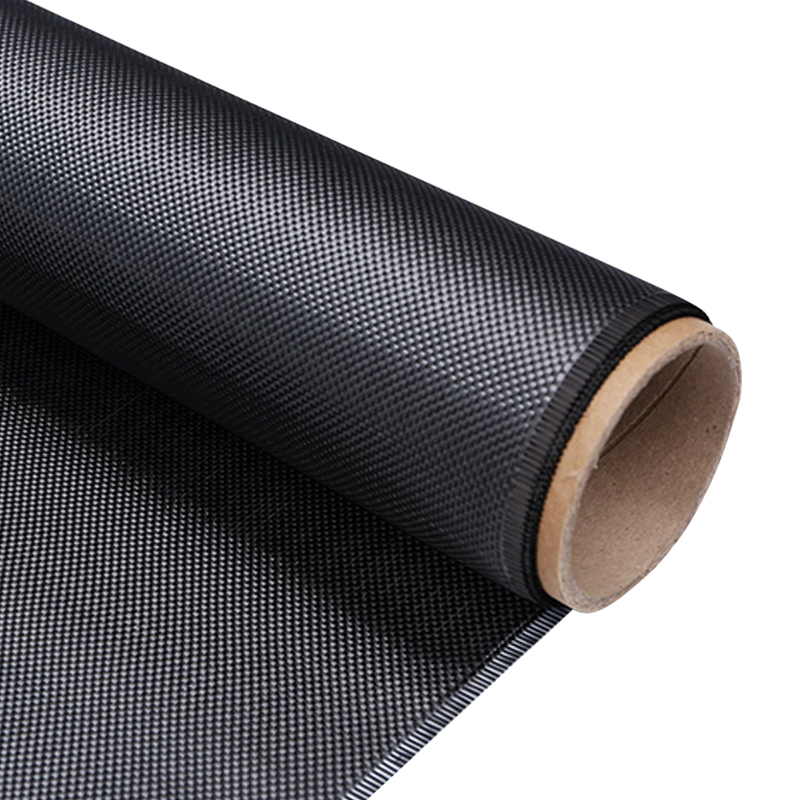
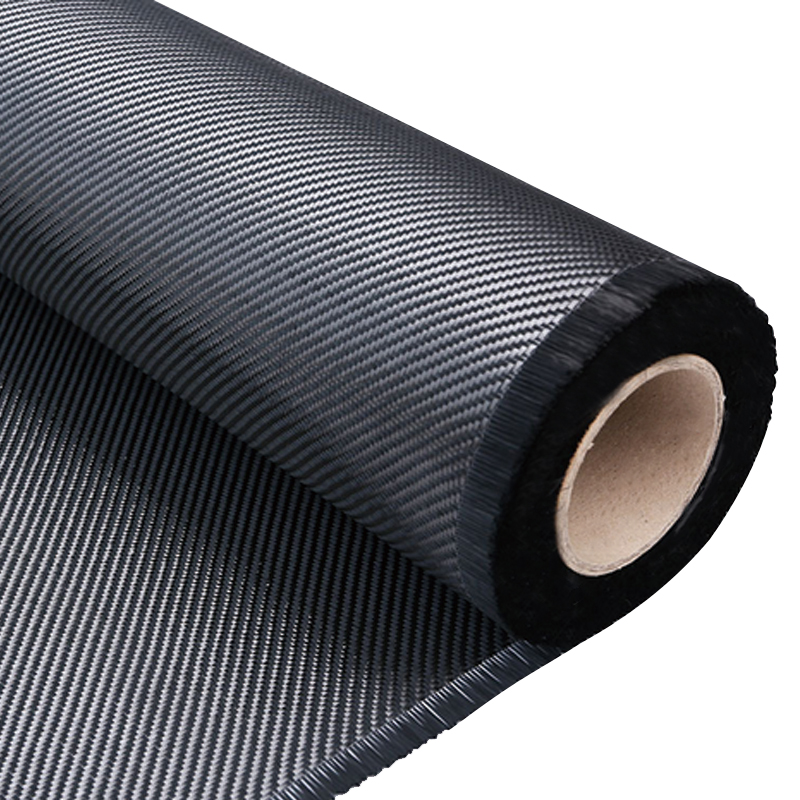
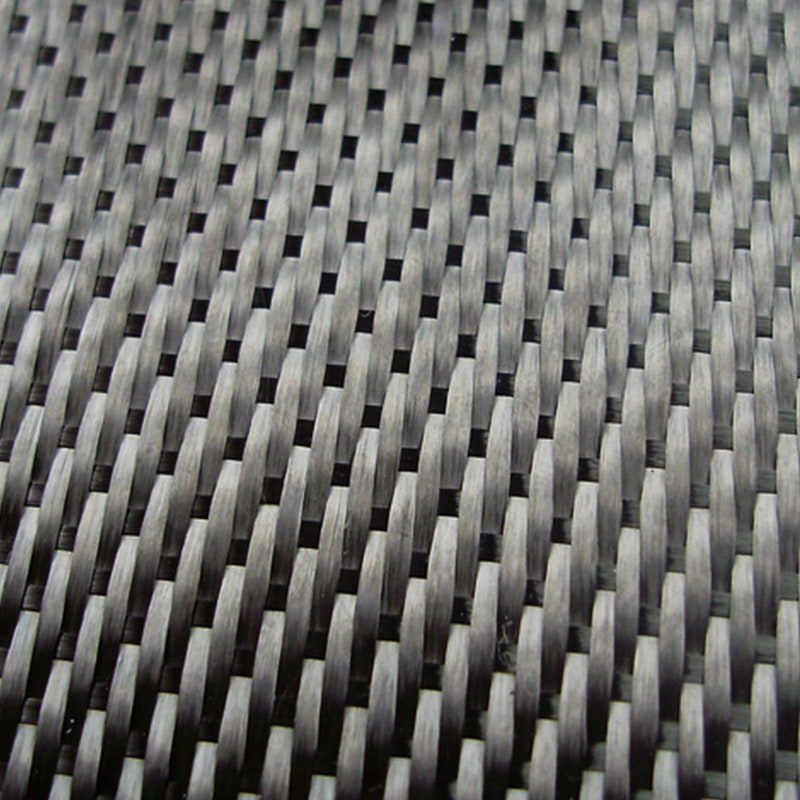
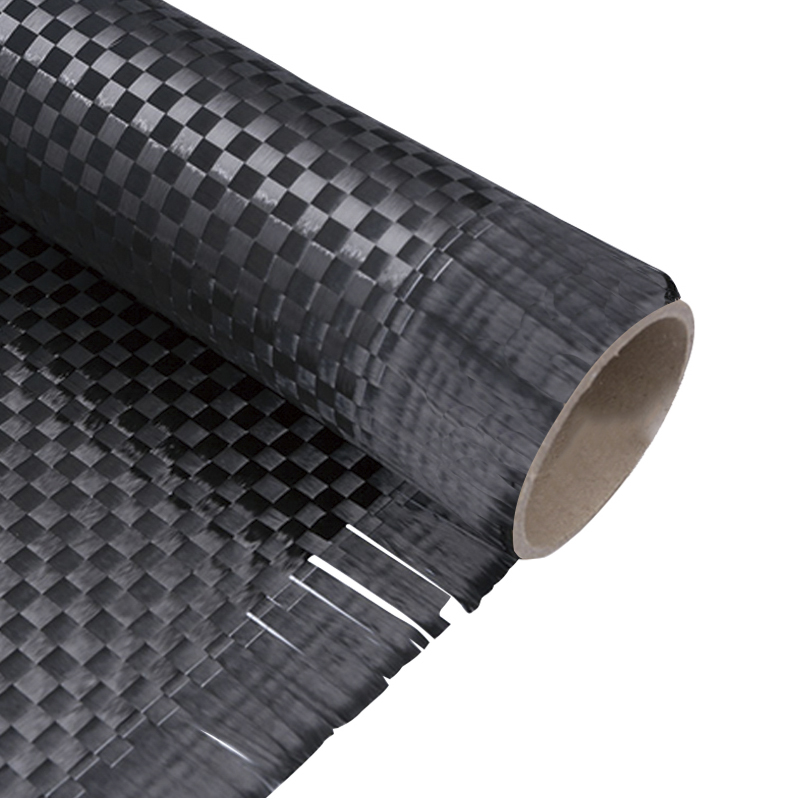
Weave Patterns in Pure Carbon Woven Fabric
The way individual carbon fiber tows are woven determines both the mechanical properties and the visual appearance of the finished fabric. Each weave pattern makes different trade-offs between drapability (how well the fabric conforms to curved molds), interlaminar strength, and surface finish quality.
Where Pure Carbon Fabric Is Used
Fuselage panels, wing skins, control surfaces, and engine nacelles. The Boeing 787 is 50% carbon fiber composite by weight — the first commercial aircraft to use it as the primary structural material.
Formula 1 monocoques have been constructed from carbon fiber since 1981. A complete F1 chassis weighs under 35 kg yet survives impacts exceeding 50G — a result only achievable with carbon composite construction.
Bicycle frames, tennis rackets, golf club shafts, and rowing shells. A carbon road bike frame can weigh under 700 g while meeting UCI strength and stiffness standards that eliminate steel as a competitive option.
Carbon fiber reinforced polymer (CFRP) is used to strengthen existing concrete bridges and columns. Wrapping a concrete column in CFRP fabric increases its seismic resistance by 30–200% with minimal added weight or footprint.
What You Need to Know About Pure Carbon Fabric
Carbon fiber is 92–99% carbon — close to pure but not entirely, because trace nitrogen and oxygen remain after carbonization. All fabrics contain carbon atoms chemically, but only carbon fiber fabric is structurally carbon. Its durability is rooted in the strength of carbon-carbon bonds and the crystal alignment that puts those bonds directly in line with applied loads. No other material delivers equivalent specific strength at equivalent weight. From aerospace to civil infrastructure, pure carbon fabric has become the defining structural material of modern engineering because physics — not marketing — makes it the optimal choice wherever strength, stiffness, and weight all matter simultaneously.
 +86-13961668677
 No. 61, Xingyuan Road, Jiefang Village, Gushan Town, Jiangyin City, Jiangsu Province, China.