 中文简体
中文简体 عربى
عربى Tiếng Việt
Advantages:
- Lightweight
- High strength
- Corrosion resistance, carbon fiber surfboards have good acid and alkali resistance and salt resistance, effectively improving service life.
- Good earthquake resistance
Welcome to visit the website of Jiangyin Dongli New Materials Technology Co., Ltd.
 Get In Touch
 English

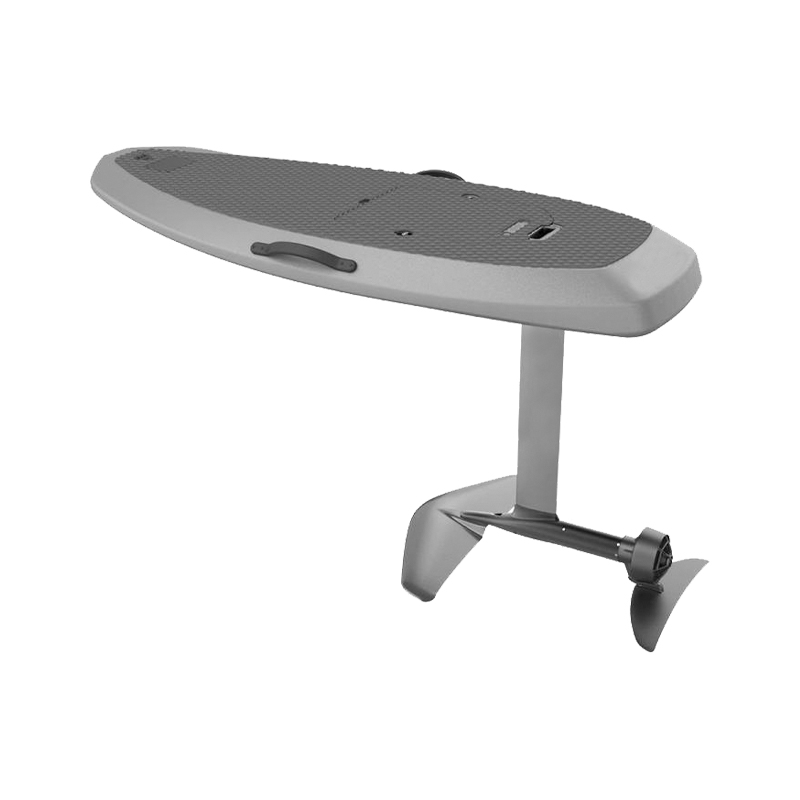
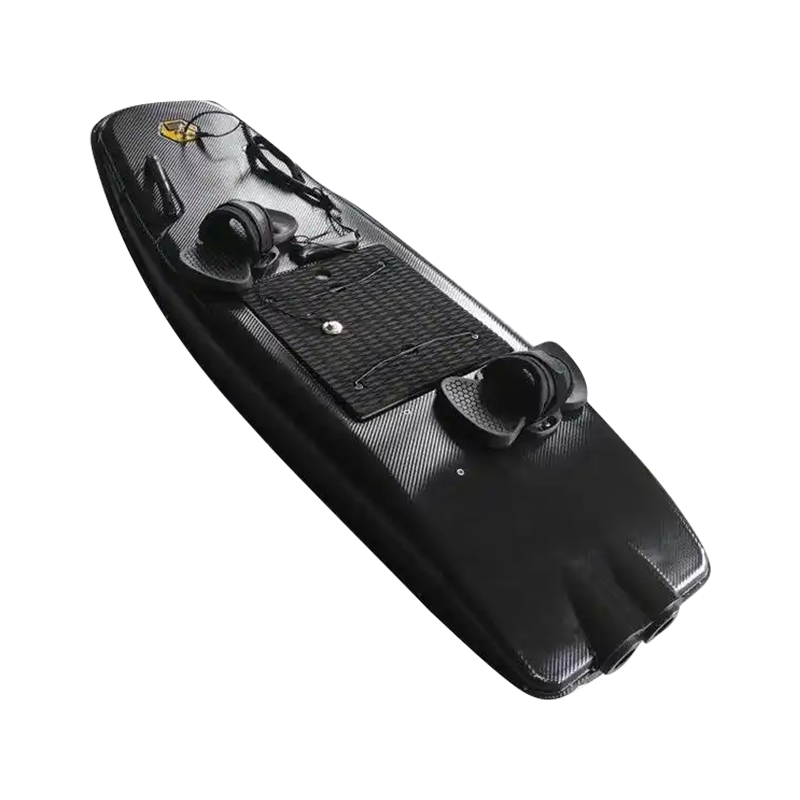
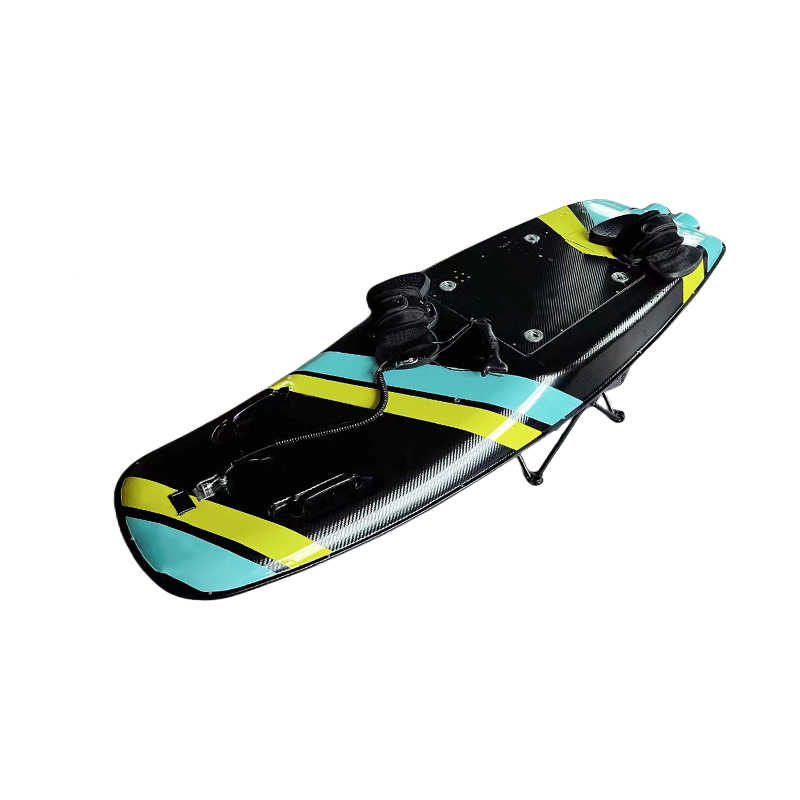
Advantages:
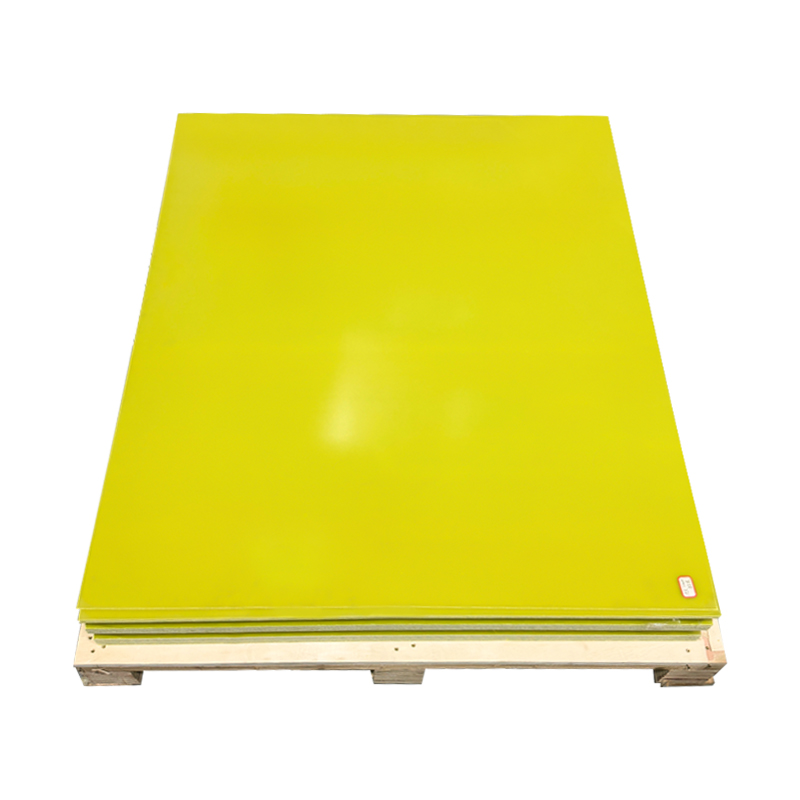 Yellow Epoxy Fiberglass Sheet 1240×1040×1mm
Size: 1240×1040×1mm Yellow Application: Circuit boards & insulation components Features: Excelle...
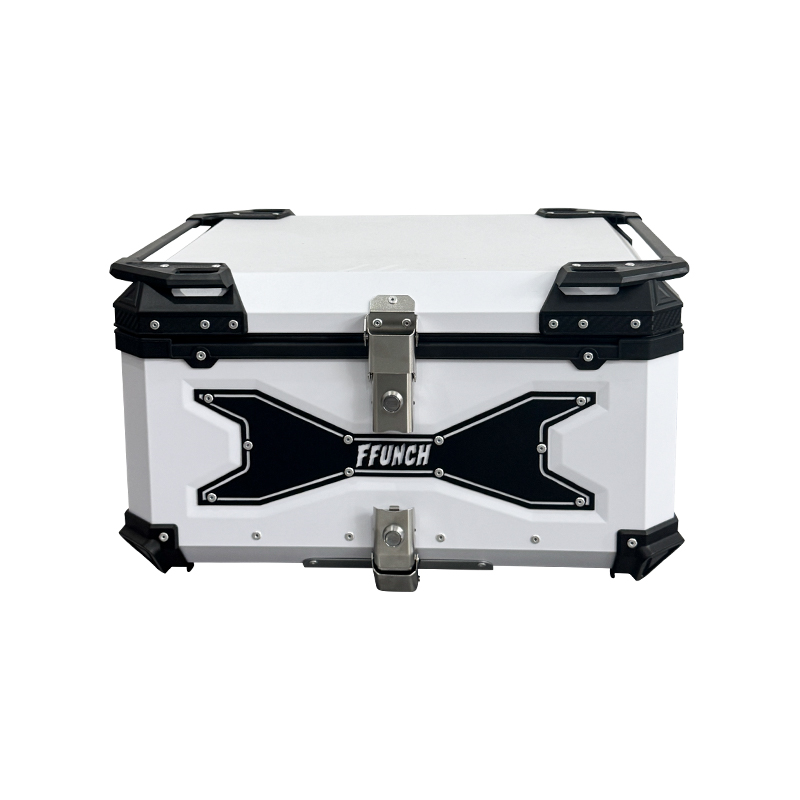 Lightweight Rigid Carbon Fiber Texture Takeout Delivery Box
This carbon fiber textured delivery case is mainly constructed with high-strength carbon fiber panel...
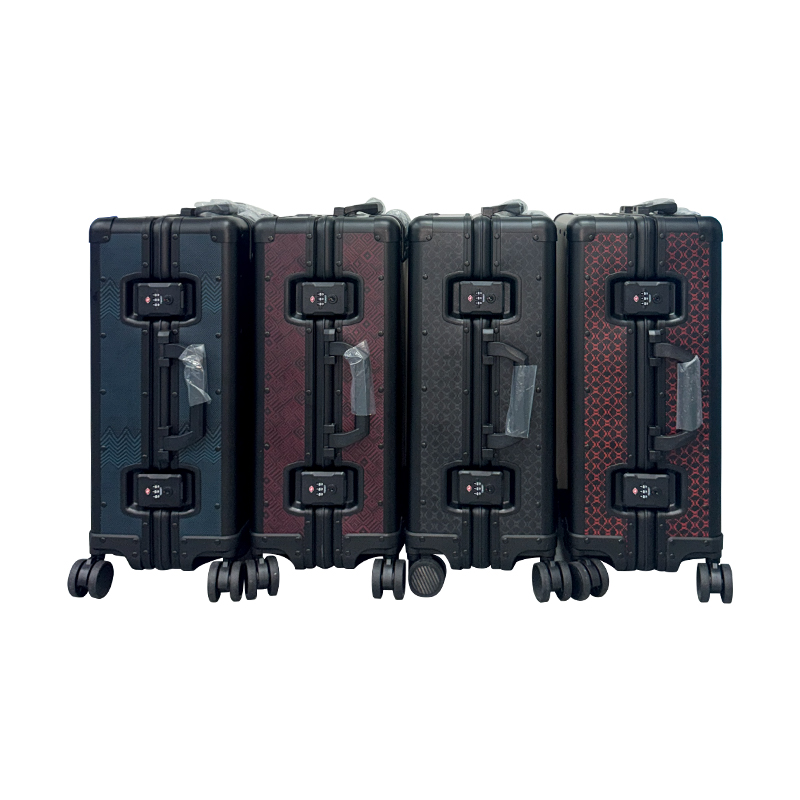 Carbon Fiber Suitcase with Spinner Wheels
Purely hand-customized, carbon fiber suitcases insist on traditional manual craftsmanship. With a to...
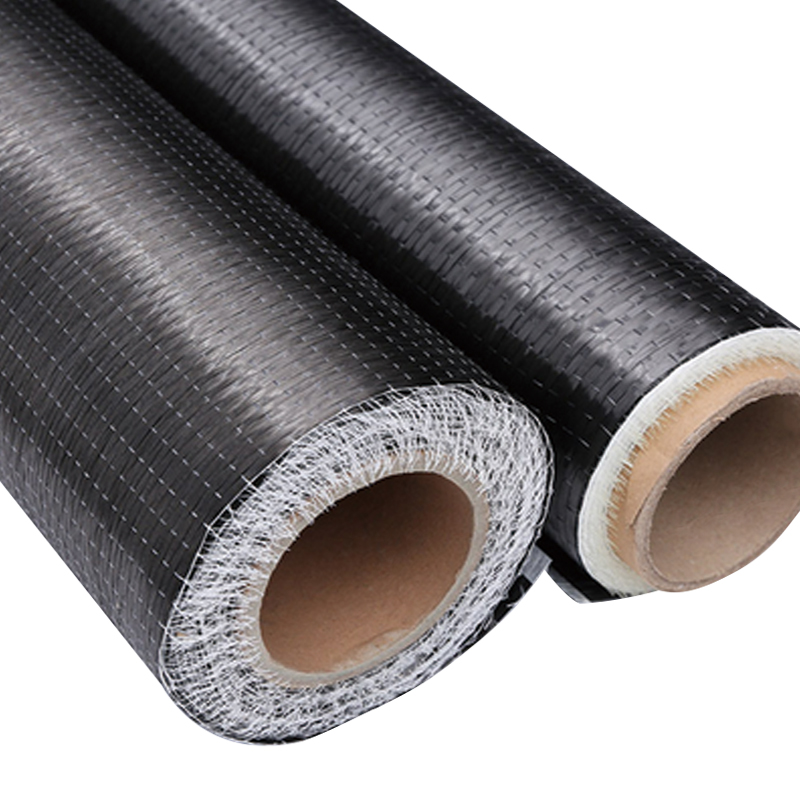 Highly Flexible Carbon Fiber Unidirectional UD Reinforcement Fabric
Highly flexible carbon fiber unidirectional UD reinforcement cloth is a high-performance composite m...
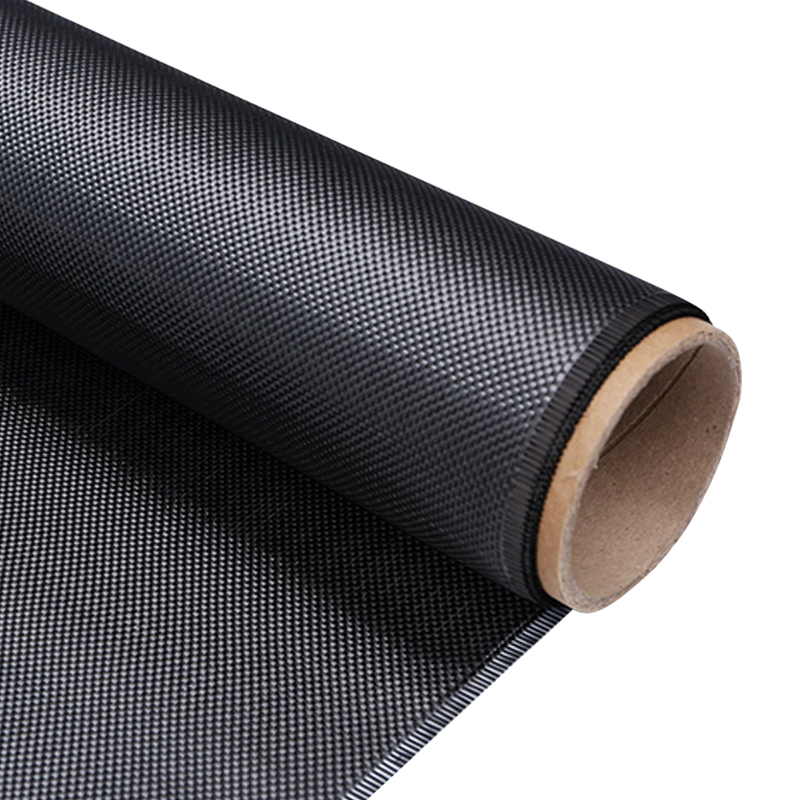 1k/3k/12k Carbon Fiber Plain Weave Fabric
1K, 3K, 12K carbon fiber plain weave fabrics are high-performance textile materials made from carbon...
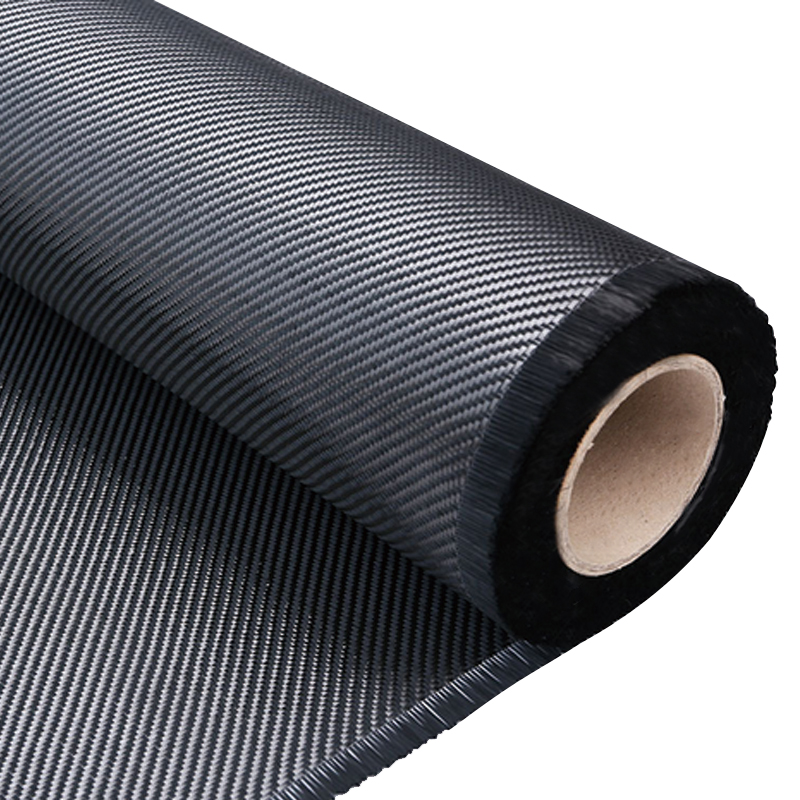 Abrasion-Resistant And High-Temperature-Resistant Carbon Fiber Twill Weave Fabric
Wear-resistant and heat-resistant carbon fiber twill weave fabric is made of carbon fiber yarns wove...
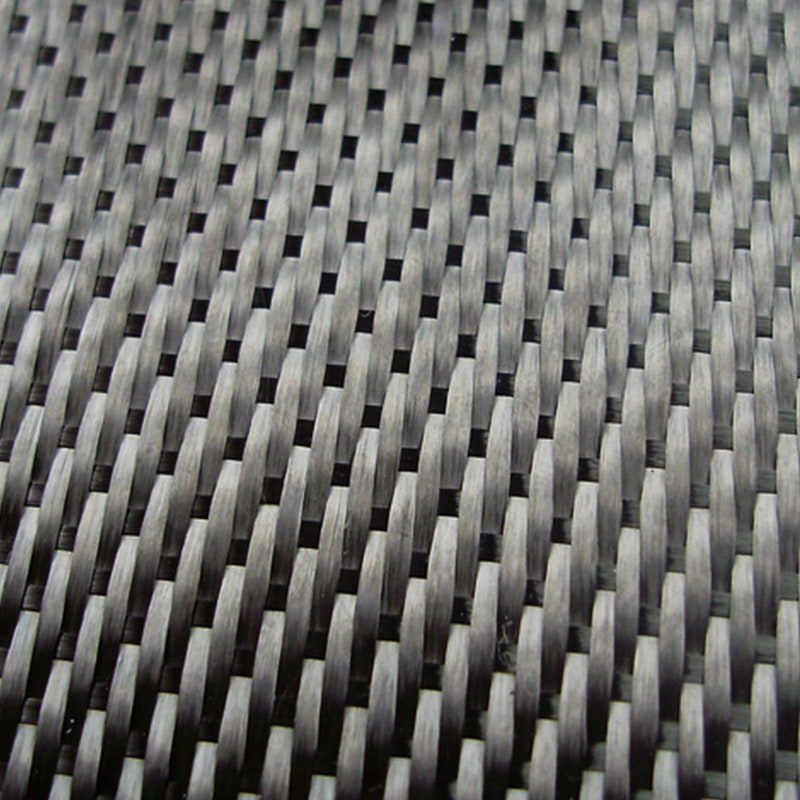 Corrosion-Resistant And Drug-Resistant Satin Carbon Fiber Weave Fabric
Corrosion-resistant and drug-resistant satin carbon fiber woven fabric adopts satin weaving technolo...
On the fifth load cycle, a drone arm molded from 3K plain-weave carbon fiber cloth cracked at the bolt hole, and the fracture line followed the weft exactly. Every ply had been oriented at 0 degrees to the arm axis, bu...
READ MOREQuoting a 200-unit run of drone canopy shells forces the same decision every composite shop eventually faces: how should the reinforcement be bought? One standard roll of 3K plain weave, 1,000 mm wide and 50 meters lon...
READ MORETwo rolls of aramid-carbon cloth labelled 200 g/m2 can land on the same dock at 194 g/m2 and 218 g/m2, and both mill certificates can be perfectly accurate. Dry areal weight on a woven hybrid is a target with a toleran...
READ MORE©Jiangyin Dongli New Materials Technology Co., Ltd. All rights reserved.
Custom High Strength Corrosion Resistance Lightweight Paddleboard Manufacturers

 +86-13961668677
 No. 61, Xingyuan Road, Jiefang Village, Gushan Town, Jiangyin City, Jiangsu Province, China.