 Get In Touch
 English
 中文简体
 عربى
 Tiếng Việt

Content
- 1 What Separates a Fabric Sheet From a Fabric Roll?
- 2 When a Roll Wins: Nesting, Continuity, and Cost per Square Meter
- 3 When a Sheet Makes Sense: Kitting Control Without the Capital
- 4 The Numbers That Decide It: Cost, Storage, and Shelf Life
- 5 Matching the Format to the Manufacturing Process
- 6 Frequently Asked Questions
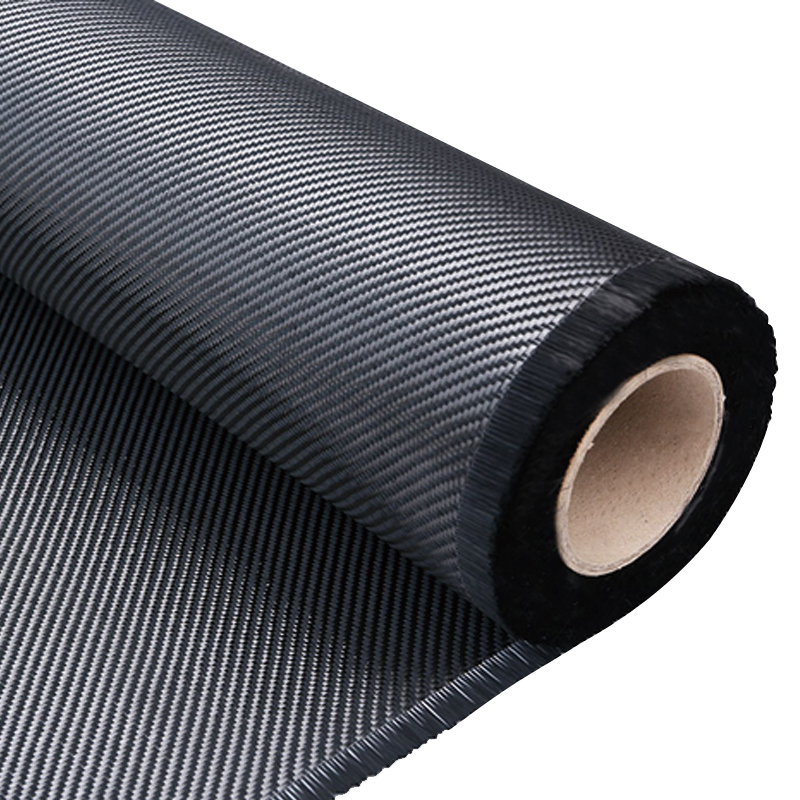
Quoting a 200-unit run of drone canopy shells forces the same decision every composite shop eventually faces: how should the reinforcement be bought? One standard roll of 3K plain weave, 1,000 mm wide and 50 meters long, carries roughly 50 square meters of uninterrupted cloth, enough to nest dozens of ply kits without a single splice. The identical weave, pre-cut into sheet blanks, lands on the bench ready to kit but costs more per square meter. That tradeoff between continuous length and pre-cut convenience quietly shapes material cost, scrap rates, labor hours, and even freezer space on every quote you send.
What Separates a Fabric Sheet From a Fabric Roll?
The difference is supply format, not fiber performance. Rolls deliver continuous woven reinforcement sold by length, sheets are pre-cut pieces of the same fabric, and once both are laminated with the same resin system they produce mechanically identical laminates.
Both formats come off the same loom. A 200 gsm 3K plain weave bought on a 50-meter roll and the same cloth bought as a 600 mm by 600 mm blank share fiber type, areal weight, and weave geometry. What changes is everything around the material: how it gets cut, kitted, stored, counted as scrap, and scheduled. Weavers such as Jiangyin Dongli New Materials Technology Co., Ltd. supply identical weaves in both formats, which is why experienced buyers treat this as a production-planning decision rather than a materials decision.
A roll fits when
- The same ply shapes repeat across many parts
- Cutting runs on a CNC table or disciplined manual bench
- Finished panels are wider than standard blanks
- Purchasing reports cost per square meter
A sheet fits when
- Volumes are low or prototyping-driven
- Parts are small, curved, or irregular
- No cutting equipment sits on the floor
- Storage space is tight and kitting errors are costly
When a Roll Wins: Nesting, Continuity, and Cost per Square Meter
Rolls earn their keep in production environments, where nesting efficiency and uninterrupted cloth convert directly into savings. Nesting software arranges ply shapes across the full roll width like a jigsaw, and shops that nest consistently report utilization in the 85 to 95 percent range, while manual cutting from a roll typically lands near 80 percent. Rectangular pre-cut sheets surrender the most material when part outlines are irregular, because every curved edge leaves an offcut behind.
Continuity matters as much as yield. A full-width wing skin, spoiler surface, or hull panel lays up in one piece with no splice, and splices are exactly where cosmetic parts show resin-rich lines and where structural laminates lose strength. A single roll is also a single weave lot, so panels laminated months apart still match in twill line and shade.
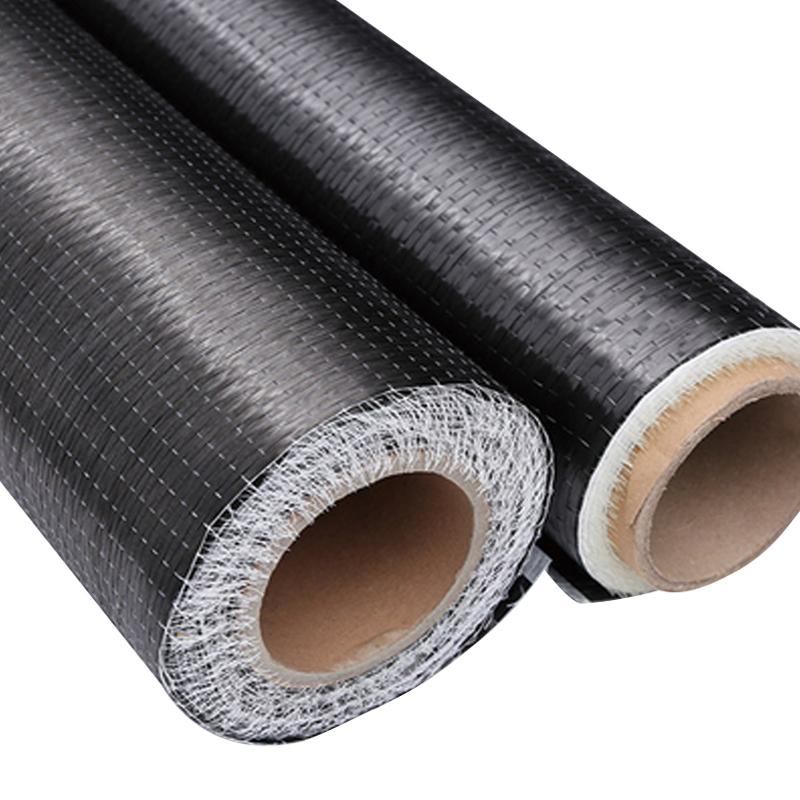
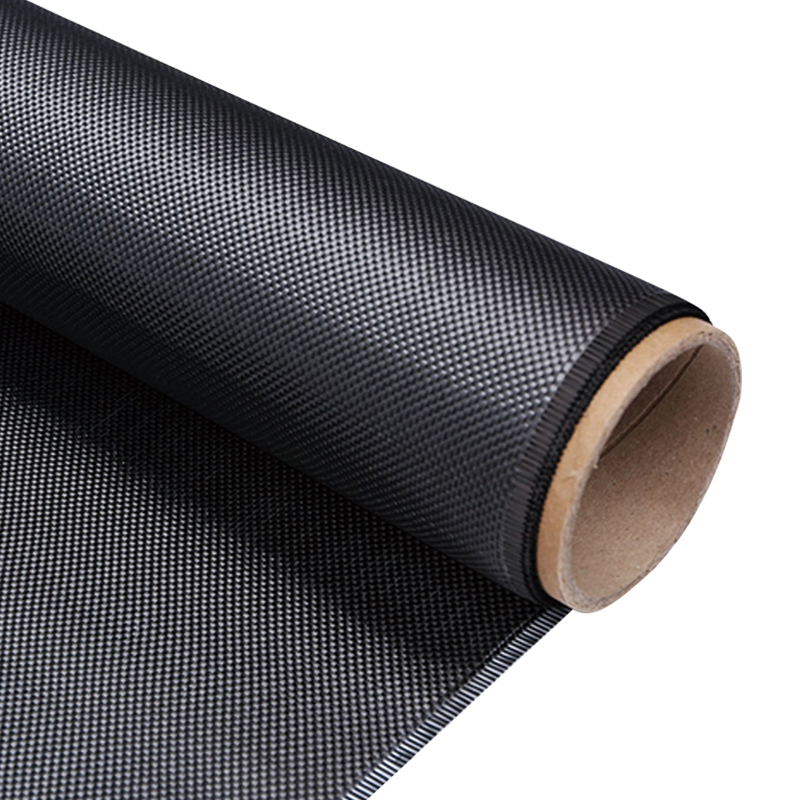
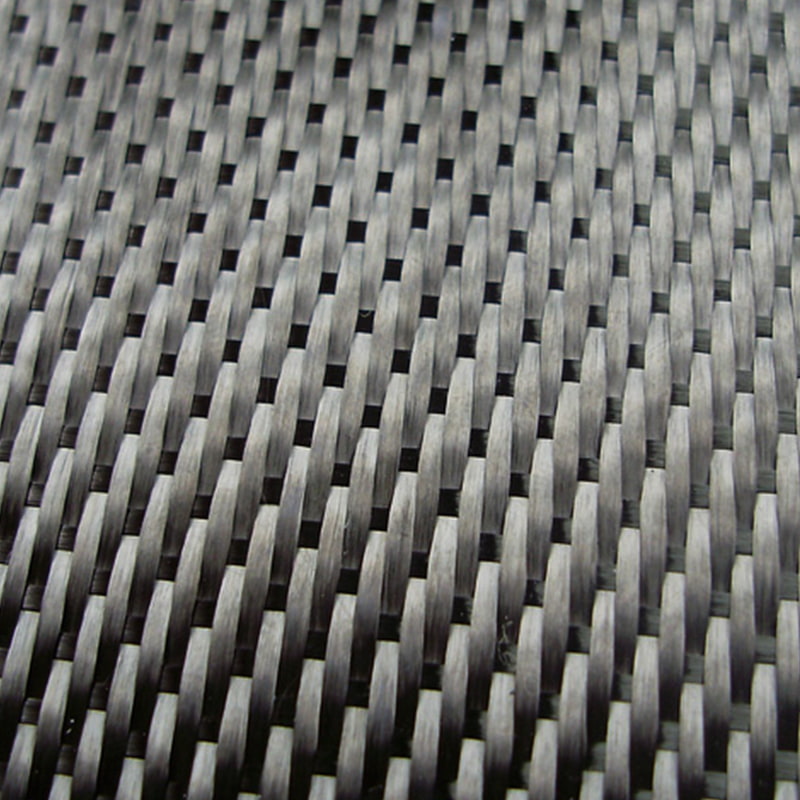
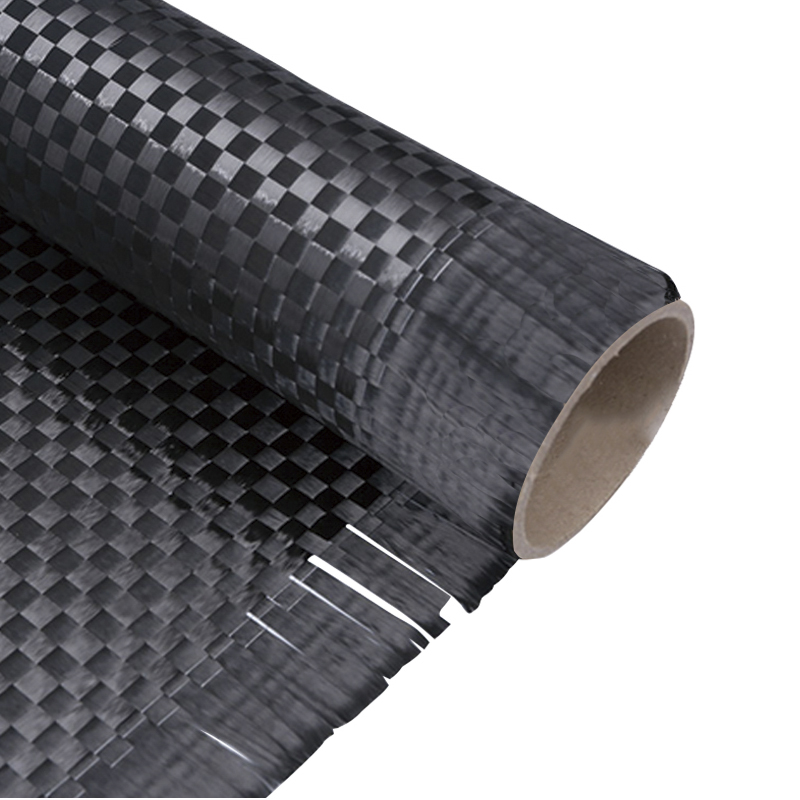
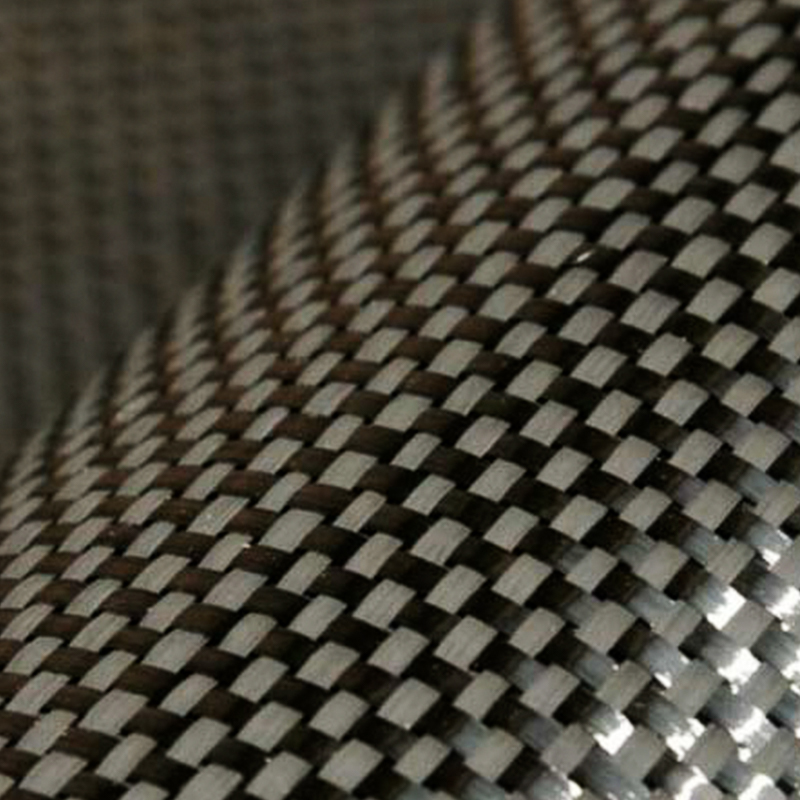 1k/3k/12k Carbon Fiber Plain Weave FabricAvailable in 1K, 3K, and 12K tow sizes, this plain weave fabric suits everything from precision small parts to large high-strength panels. Full-width rolls support one-piece layups with consistent weave and shade across batches.View Product →
Four signals usually settle the argument in favor of rolls:
- The same ply shape repeats on dozens of parts every week.
- A CNC knife or automated cutting table already sits on the floor.
- Finished plies exceed the largest sheet blank you can source economically.
- Cost per square meter, not cost per piece, drives purchasing decisions.
When a Sheet Makes Sense: Kitting Control Without the Capital
Sheets fit low-volume programs, small or curved parts, and any shop that cannot justify capital for cutting equipment. Every ply arrives at finished size, so kitting errors drop to near zero and new laminators produce consistent stacks on day one. Dry woven fabric also frays fast when cut in-house: edges fuzz, filaments lift, and handling damage turns into rejected plies. Supplier-cut sheets keep edges clean and ply counts exact, which matters in controlled environments where a contaminated edge means a re-layup.
There is a second meaning of sheet worth separating as well: the pre-consolidated laminate plate. For brackets, jigs, fixtures, and structural flat panels, a cured carbon fiber plate delivers flat, low-void stock that machines like aluminum at a fraction of the weight, with no layup, no cure cycle, and no bagging consumables.
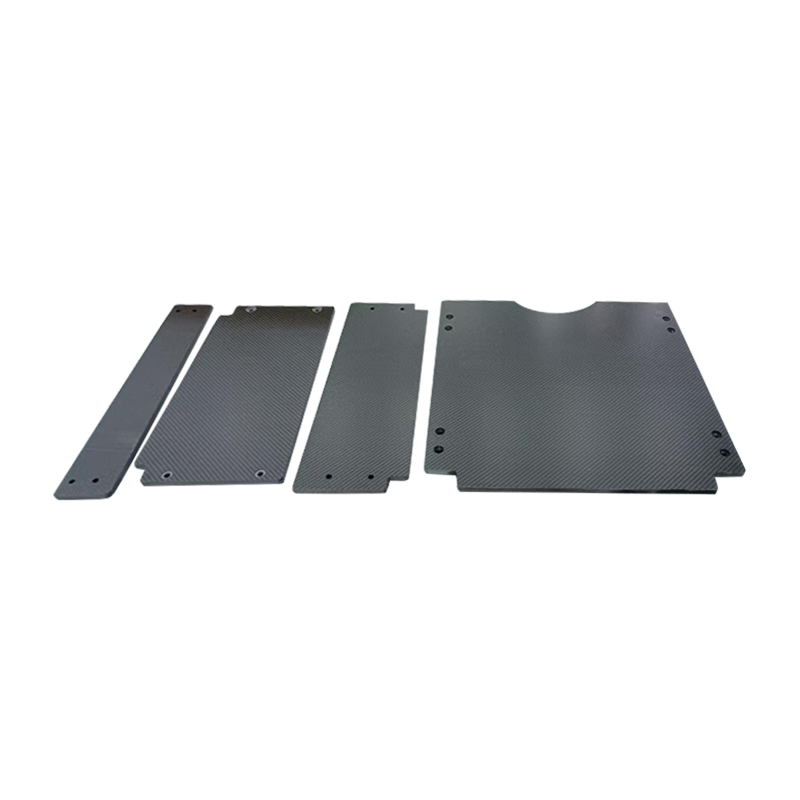 Lightweight Yet Rigid Carbon Fiber Sheet, Panels and PlatePre-consolidated carbon fiber plate in a wide thickness range offers flat, low-void stock that machines easily at low weight. Ideal for brackets, jigs, fixtures, and structural panels without layup or cure cycles.View Product →
The Numbers That Decide It: Cost, Storage, and Shelf Life
Rolls concentrate cost and storage burden up front, while sheets spread cost per part but carry a higher unit price. Storage requirements then split by whether the fabric is dry or preimpregnated.
Dry fabric rolls are forgiving. Keep them wound, sealed in their original packaging, off the floor, and away from sunlight, and they hold performance indefinitely, though abraded edges will shed fuzz over time. Epoxy prepreg is a different animal: it lives in a freezer at minus 18 degrees Celsius, typically carries six to twelve months of frozen shelf life, and every hour on the bench counts against a tracked out-time budget. Prepreg sheets shrink the freezer footprint and the out-time exposure per kit, but they lock ply geometry in at order time.
| Decision Factor | Fabric Rolls | Fabric Sheets |
| Best fit | Volume production with nested kits | Low volumes, prototypes, repair work |
| Material utilization | 85 to 95% nested; near 80% manual | Near zero bench waste; offcuts priced into unit cost |
| Cost per square meter | Lowest at volume tiers | Typically 15 to 30% higher |
| Equipment required | Cutting table or CNC knife | None |
| Storage demand | Bulk shelving; freezer if prepreg | Compact; freezer if prepreg |
| Splice risk on wide parts | None across full width | Blank size limits panel width |
Roll pricing is volume-driven, so the tier you buy at matters as much as the format itself. Our breakdown of bulk pricing and lead times for carbon fiber fabric rolls shows how order length moves the per-meter number and where quantity breaks usually sit.
Matching the Format to the Manufacturing Process
The process usually dictates the format before preference gets a vote. Wet layup and vacuum infusion reward continuous cloth: plies drape over the tool in one piece, resin fronts travel without crossing splices, and twill weaves stretch over compound curves while plain weave holds flat panels dimensionally stable.
Prepreg lamination accepts either format. Rolls are kitted frozen at the bench with out-time logged per roll, which suits varied product mixes; pre-cut prepreg kits load straight onto the tool and suit compressed schedules. Automated pressing and PCM lines effectively require sheet-format blanks, because a press cycle tolerates no on-the-fly trimming.
 Epoxy Carbon Fiber PrepregResin-impregnated under strictly controlled conditions, this prepreg supports both roll kitting with logged out-time and pre-cut sheet blanks for automated pressing, making it the standard route for most advanced composite production.View Product →
Frequently Asked Questions
Can I cut my own sheets from a roll to get both benefits?
Yes, and that is how most production shops operate. Rolled goods plus a cutting table produce kit-level sheets on demand. The economics hold once utilization stays above roughly 80 percent and the same shapes repeat often enough to amortize cutting setup time.
Do identical weaves laminate identically in both formats?
They do. Areal weight, weave pattern, fiber type, and resin system determine laminate properties. Supply format changes handling, waste, and cost, not strength or stiffness.
What roll widths and lengths are standard?
Most structural weaves ship 1,000 to 1,270 mm wide, with 50-meter rolls typical for 200 to 240 gsm cloth. Wider goods exist for marine, wind energy, and large tooling work.
Are pre-cut sheets available in prepreg, not just dry fabric?
Yes. Suppliers can kit frozen prepreg plies directly to a plybook, which cuts bench out-time and contamination risk. The tradeoff is less flexibility when a design changes mid-program.
Both formats have a place on the same shop floor, and most high-performing composite operations end up buying both. To see how one manufacturer supplies rolls, sheets, plates, and finished parts side by side, browse the carbon fiber fabrics, prepregs, and composite components from Dongli New Materials.
 +86-13961668677

 No. 61, Xingyuan Road, Jiefang Village, Gushan Town, Jiangyin City, Jiangsu Province, China.
