 Get In Touch
 English
 中文简体
 عربى
 Tiếng Việt

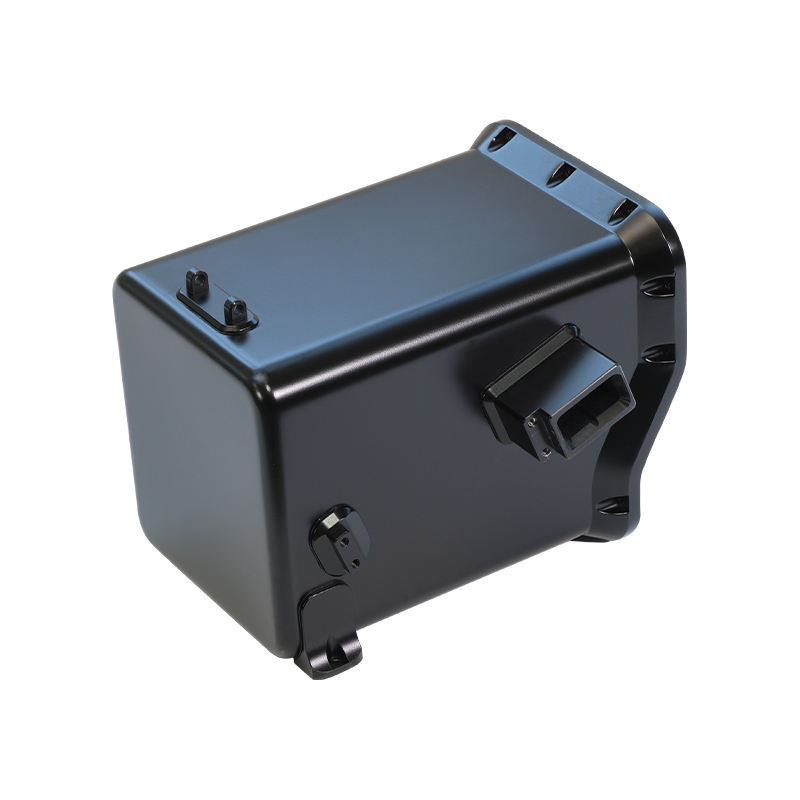
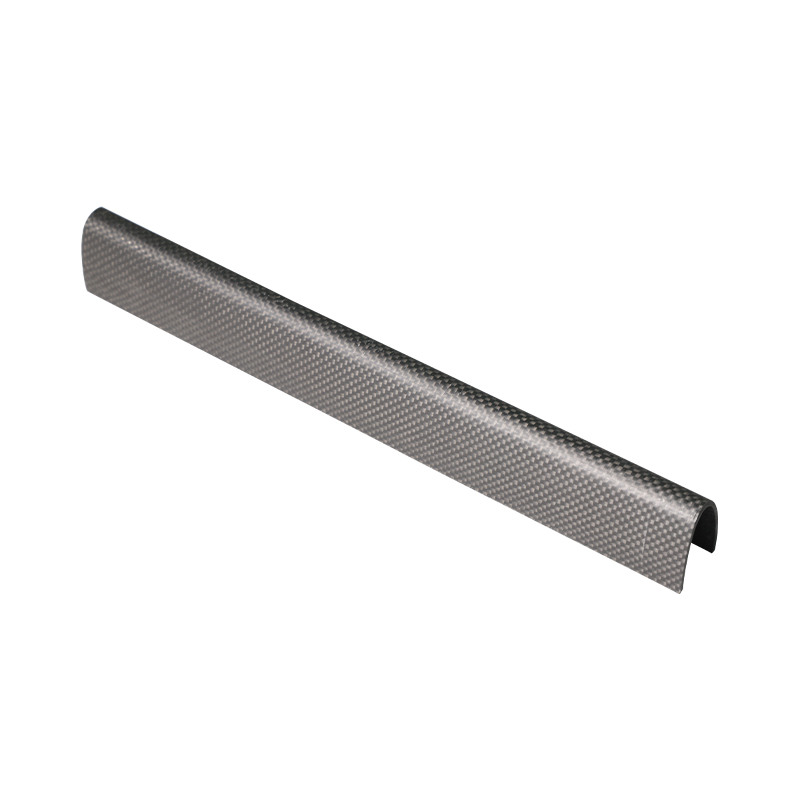

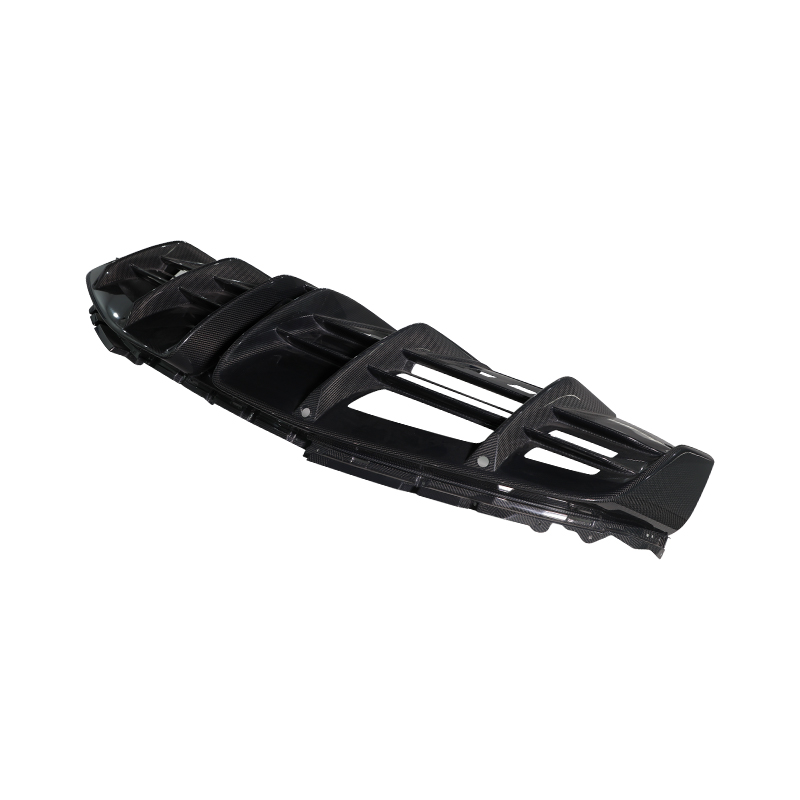
200gsm Carbon Fiber Fabric
200gsm Carbon Fiber Fabric is a lightweight carbon fiber textile designed for composite manufacturing, surface reinforcement, and selected structural reinforcement applications. With a nominal fabric weight of 200 grams per square meter, it provides a material option for projects that require controlled reinforcement weight, fiber alignment, and compatibility with resin-based composite processes.
The fabric can be supplied in different constructions, including unidirectional and woven configurations, depending on the intended application and manufacturing requirements. Its performance in a finished composite depends on the carbon fiber grade, fabric architecture, resin system, fiber volume fraction, curing process, and production conditions.
Understanding the 200gsm Fabric Specification
GSM refers to grams per square meter and describes the mass of the dry fabric over a defined area. For carbon fiber materials, this measurement helps buyers compare fabric constructions and estimate material consumption.
Nominal dry fabric weight
Used to estimate the dry reinforcement mass required for a specified composite area.
Helps calculate the total fabric weight when multiple reinforcement layers are specified.
Provides a reference for comparing different carbon fiber fabric weights and constructions.
Basic Material Quantity Calculation
For a fabric with a nominal areal weight of 200 g/m², the theoretical dry fabric mass can be estimated using the following formula:
For example, 10 m² of fabric represents approximately 2,000 g of dry fabric before accounting for cutting waste, overlaps, or production allowances.
Available Carbon Fiber Fabric Constructions
A 200gsm specification describes fabric weight rather than weave pattern or fiber direction. The required construction should be confirmed separately according to the composite design and processing method.
Plain Weave Carbon Fiber Fabric
Warp and weft yarns cross alternately, creating a balanced woven structure. This construction provides dimensional stability and consistent fabric handling for suitable composite applications.
Twill Weave Carbon Fiber Fabric
Twill construction produces a diagonal weave pattern and can offer improved drapability compared with some plain weave configurations. It may be considered for composite parts with curved or shaped surfaces.
Unidirectional Carbon Fiber Fabric
Most reinforcing fibers are aligned along one primary direction. This construction is suitable for composite designs where reinforcement is concentrated along a defined load path.
Not every weave or fiber arrangement is necessarily available at 200gsm. Confirm the required construction, yarn count, fiber grade, and fabric weight with the supplier before placing an order.
Technical Parameters for Purchasing and Evaluation
Buyers should evaluate more than nominal GSM when comparing 200gsm carbon fiber fabrics. The following parameters help define material consistency and suitability for a particular production process.
Fabric Weight
Nominal areal weight of 200 g/m², with actual tolerance confirmed by the supplier.
Carbon Fiber Grade
Fiber grade and mechanical properties should match the intended composite design.
Weave Pattern
Plain, twill, unidirectional, or another specified fabric construction.
Fabric Width
Roll width affects cutting plans, material utilization, and production setup.
Fiber Count
Warp and weft yarn specifications influence fabric structure and reinforcement distribution.
Resin Compatibility
Compatibility with epoxy, polyester, vinyl ester, or other specified resin systems must be verified.
Roll Length
Confirm roll length, packaging dimensions, and quantity requirements for production planning.
Technical Documentation
Request available product specifications, test data, and batch traceability information.
Processing Considerations for 200gsm Carbon Fiber Fabric
The fabric is used as a dry reinforcement layer in composite manufacturing. The processing route depends on the selected resin system, component geometry, production volume, and required composite properties.
Material Inspection
Check fabric weight, roll condition, fiber alignment, surface cleanliness, and construction consistency before processing.
Cutting and Layup
Cut the fabric according to component dimensions and arrange the reinforcement layers in the specified fiber directions.
Resin Impregnation
Apply or introduce the compatible resin through the selected production method, ensuring suitable wet-out and fiber distribution.
Molding and Consolidation
Use the specified molding or consolidation process to achieve the required component geometry and laminate structure.
Curing and Inspection
Complete curing under the required process conditions and inspect the finished composite for relevant production defects.
Where 200gsm Carbon Fiber Fabric Can Be Used
The material can be considered for lightweight composite structures and reinforcement layers where its fabric weight, fiber construction, and mechanical properties meet the project requirements.
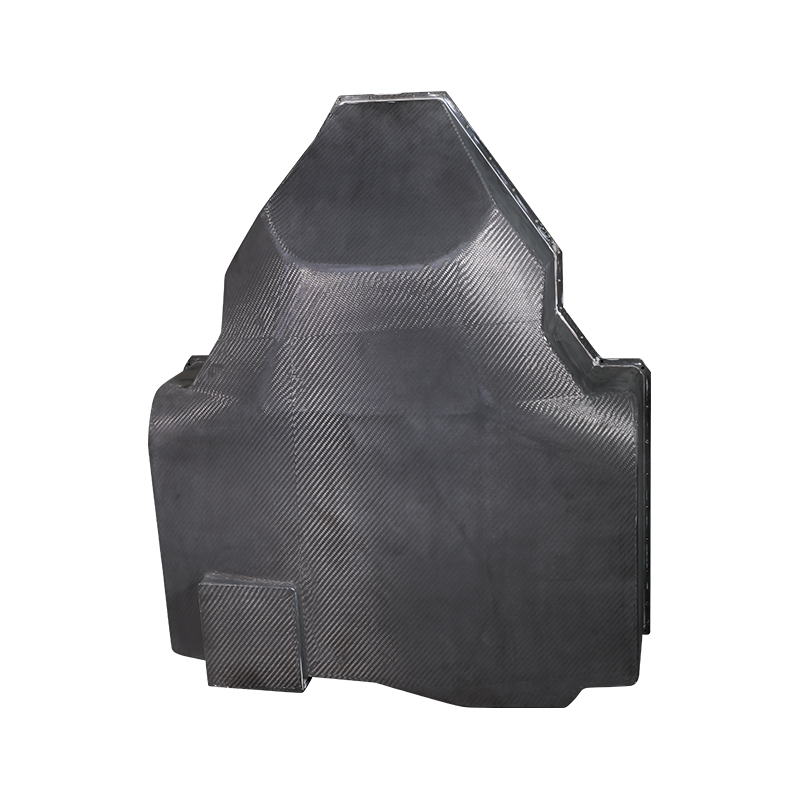
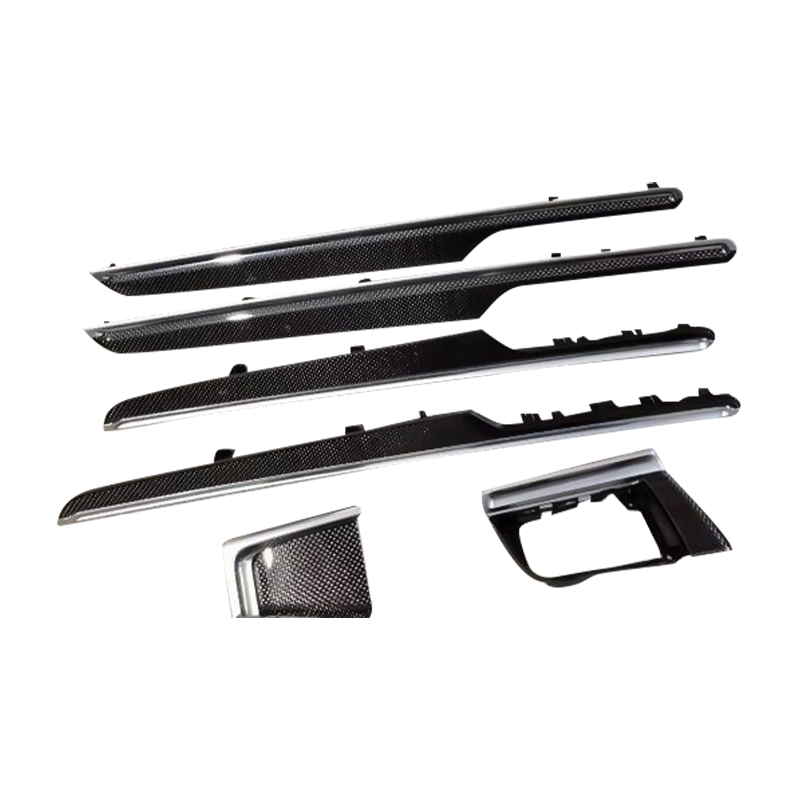
Composite panels, interior components, covers, and selected lightweight structural parts.
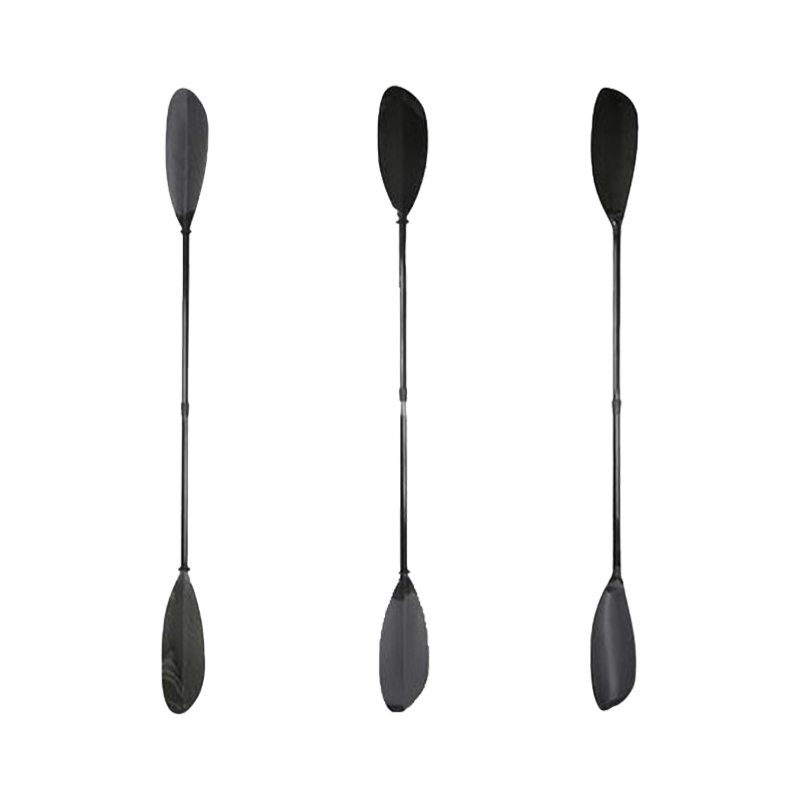
Selected boat components, composite housings, covers, and lightweight reinforcement structures.
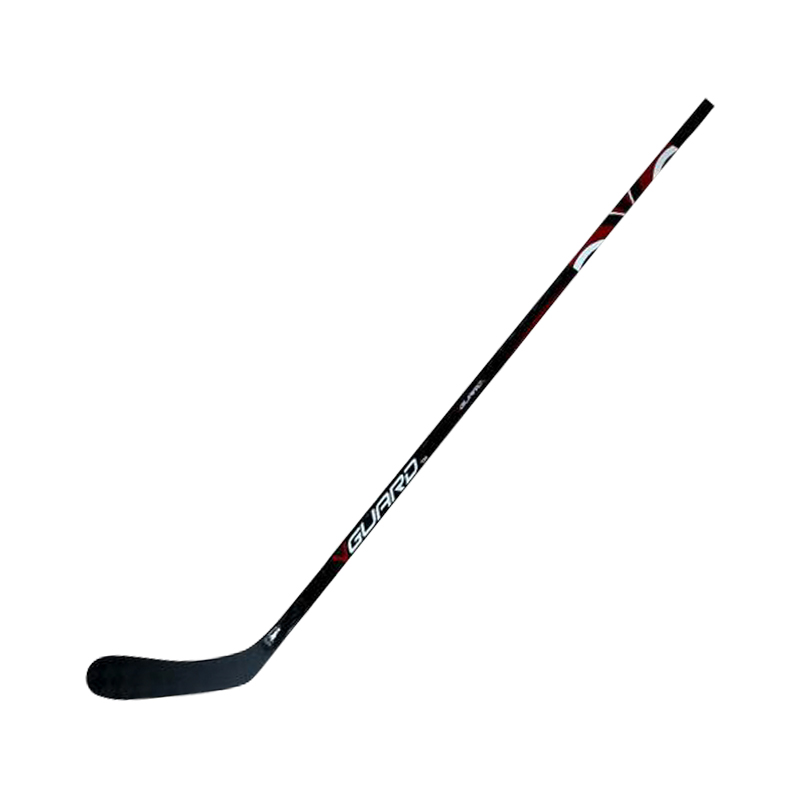
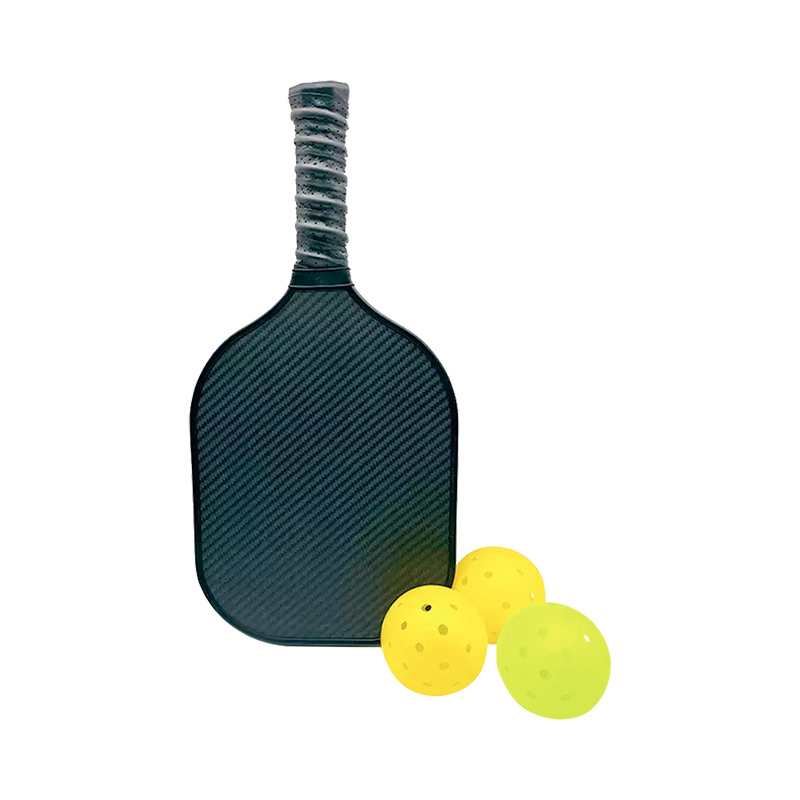
Composite sporting goods and equipment components requiring controlled fiber reinforcement.
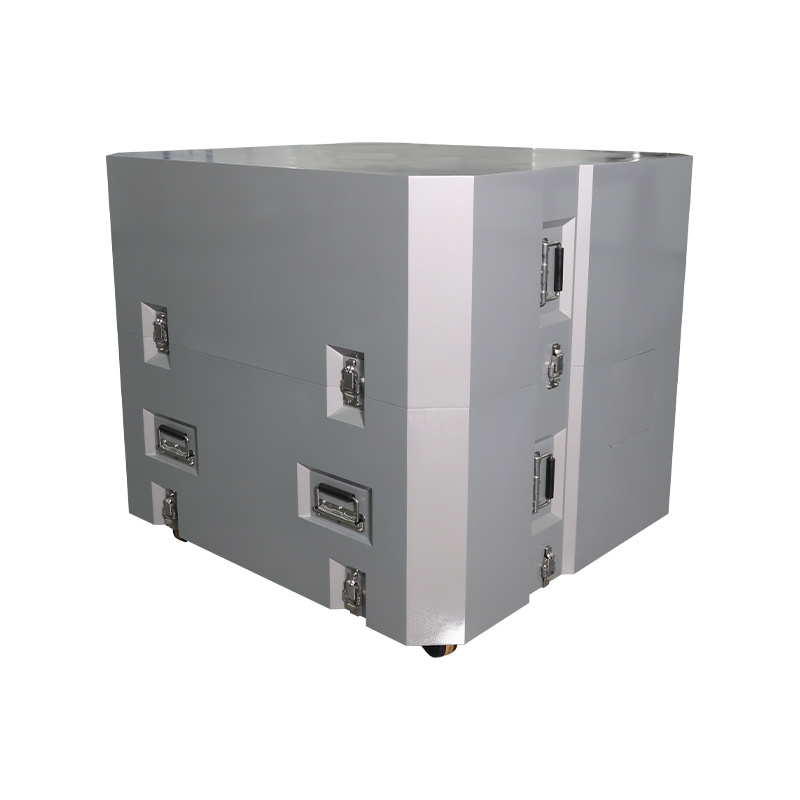
Lightweight housings, composite panels, machine covers, and selected equipment parts.
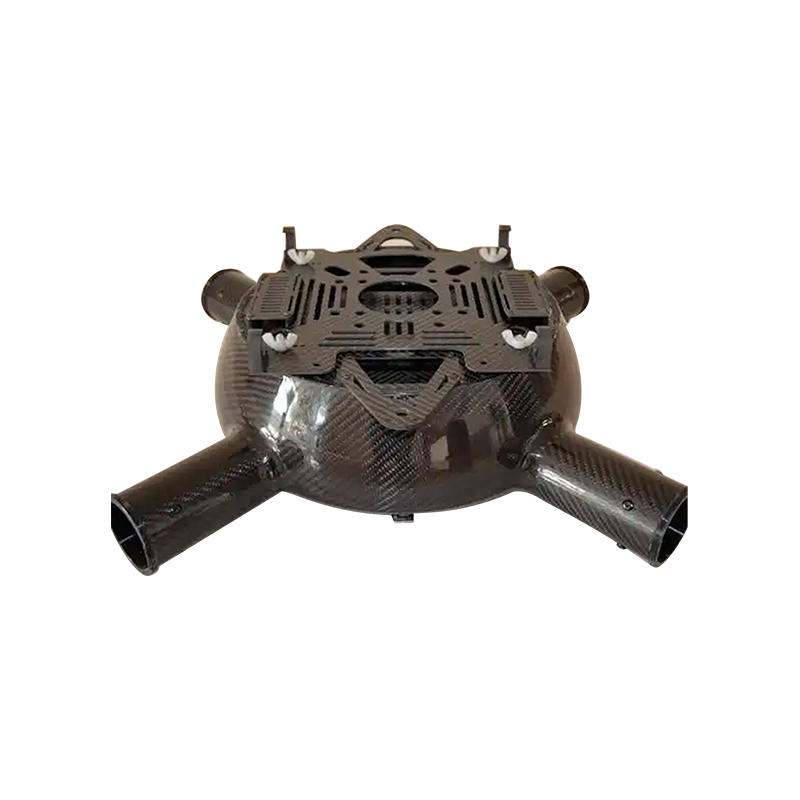
Selected non-critical or specified composite components where the fiber grade and material qualification meet applicable aerospace requirements.
Suitable composite reinforcement and repair systems where the fabric properties and resin compatibility meet the engineering specification.
200gsm vs. Other Carbon Fiber Fabric Weights
Fabric weight is one factor in composite material selection. Different areal weights affect dry material consumption, layer planning, handling, and laminate design. The correct specification depends on the required composite thickness, fiber volume fraction, and mechanical performance.
May be considered where a lighter reinforcement layer is specified.
Provides a defined dry fabric weight for material calculation and laminate planning.
May be considered where the design calls for a different reinforcement mass per layer.
These values are examples of fabric weight categories, not a performance ranking. Actual availability and mechanical properties depend on the fiber grade and fabric construction.
Frequently Asked Questions About 200gsm Carbon Fiber Fabric
Product specification and application questions for composite manufacturers, material distributors, and industrial buyers.
01 What does 200gsm mean in carbon fiber fabric?
200gsm means the carbon fiber fabric has a nominal areal weight of 200 grams per square meter. It describes the mass of the dry fabric, not the weight of the finished resin-impregnated composite. Actual weight tolerance should be confirmed in the supplier's technical specification.
02 Is 200gsm carbon fiber fabric suitable for composite manufacturing?
It can be used in suitable composite manufacturing processes when its fiber grade, construction, mechanical properties, and resin compatibility meet the component design requirements. Buyers should confirm the processing method and laminate specifications before selecting the material.
03 What weave patterns are available for 200gsm carbon fiber fabric?
Potential constructions include plain weave, twill weave, and unidirectional arrangements. Availability depends on the manufacturer's product range and production specifications. The required weave pattern should be stated separately from the 200gsm weight requirement.
04 How much does one square meter of 200gsm carbon fiber fabric weigh?
One square meter has a nominal dry fabric mass of 200 grams. For example, 25 square meters represents approximately 5 kilograms of dry fabric, excluding packaging, cutting waste, overlaps, and resin.
05 Can 200gsm carbon fiber fabric be used with epoxy resin?
Carbon fiber fabric is commonly used with epoxy resin in composite manufacturing. However, the specific resin formulation, viscosity, curing conditions, and processing method must be compatible with the fabric construction and intended component.
06 What is the difference between 200gsm and 300gsm carbon fiber fabric?
The main stated difference is dry fabric weight per unit area. A 300gsm fabric has a higher nominal areal weight than a 200gsm fabric. This can affect material consumption and laminate design, but it does not by itself establish which fabric has higher tensile strength or better composite performance. Fiber grade and construction must also be considered.
07 How should 200gsm carbon fiber fabric be stored?
Store the fabric in its original packaging in a clean, dry environment. Protect rolls from moisture, dust, direct contamination, and mechanical damage. Follow the supplier's storage recommendations to maintain fabric condition before processing.
08 What specifications should buyers provide when ordering 200gsm carbon fiber fabric?
Buyers should provide the required carbon fiber grade, weave pattern, fiber orientation, fabric width, roll length, quantity, and intended application. Resin compatibility, mechanical property requirements, packaging, and technical documentation should also be discussed before confirming the order.
Specify the Right 200gsm Fabric for Your Composite Production
Share your required weave pattern, carbon fiber grade, fabric width, roll quantity, and application details to support product specification review and supply planning.
GSM
 +86-13961668677

 No. 61, Xingyuan Road, Jiefang Village, Gushan Town, Jiangyin City, Jiangsu Province, China.
