 Get In Touch
 English
 中文简体
 عربى
 Tiếng Việt

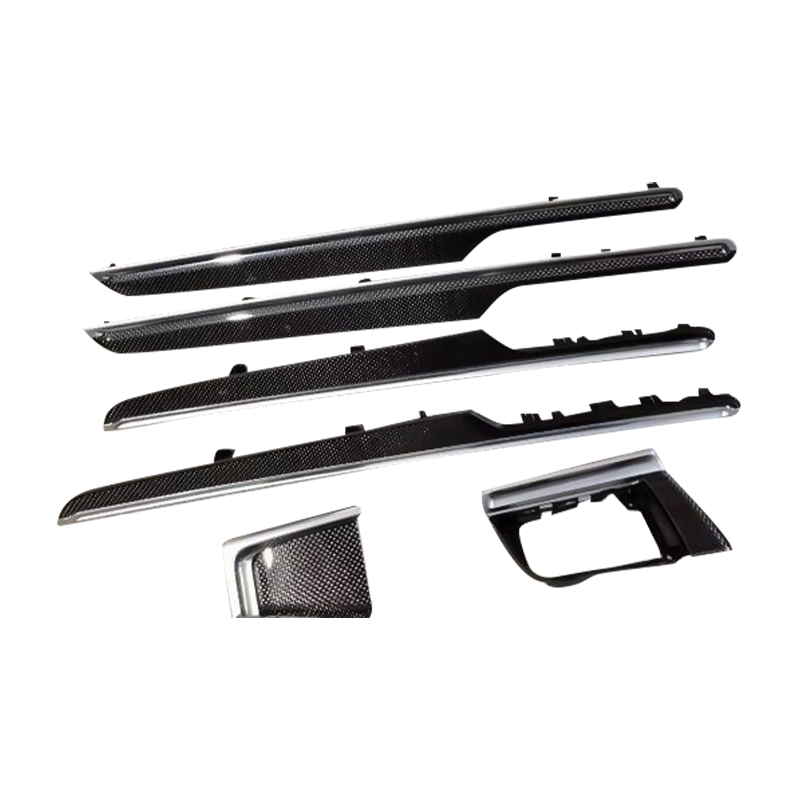
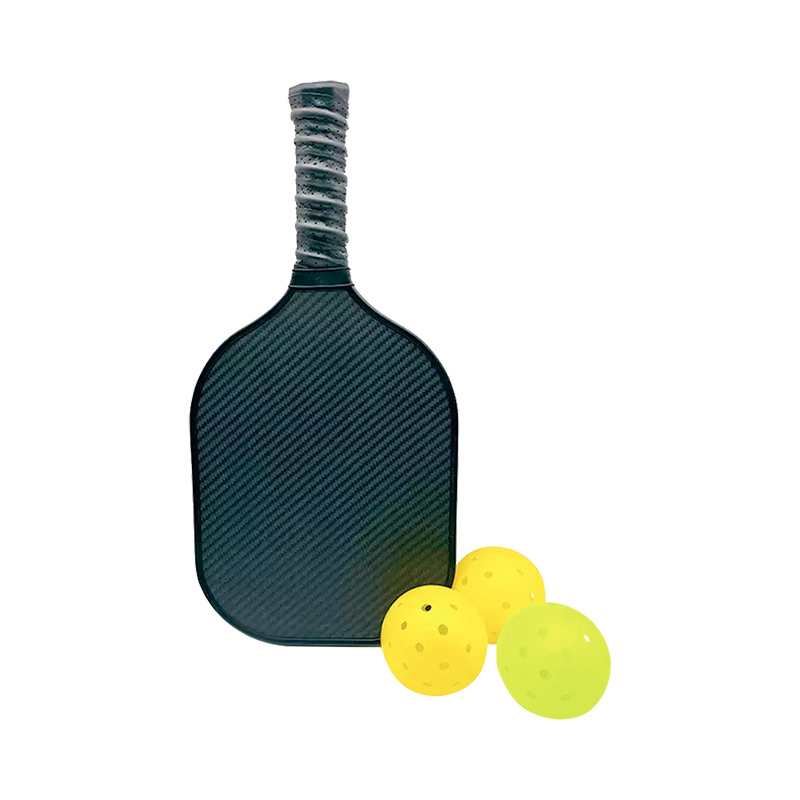
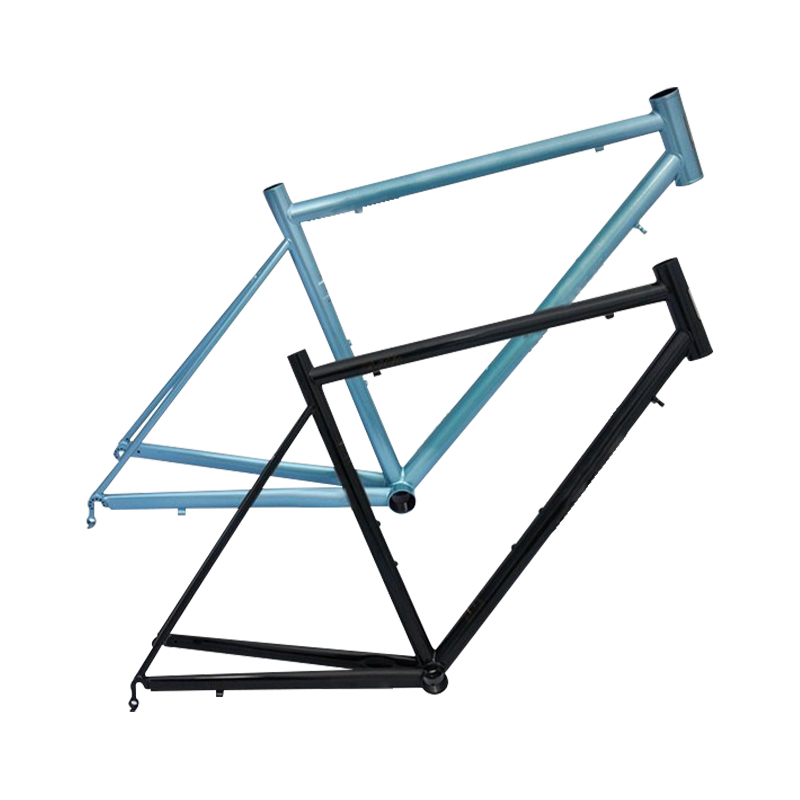
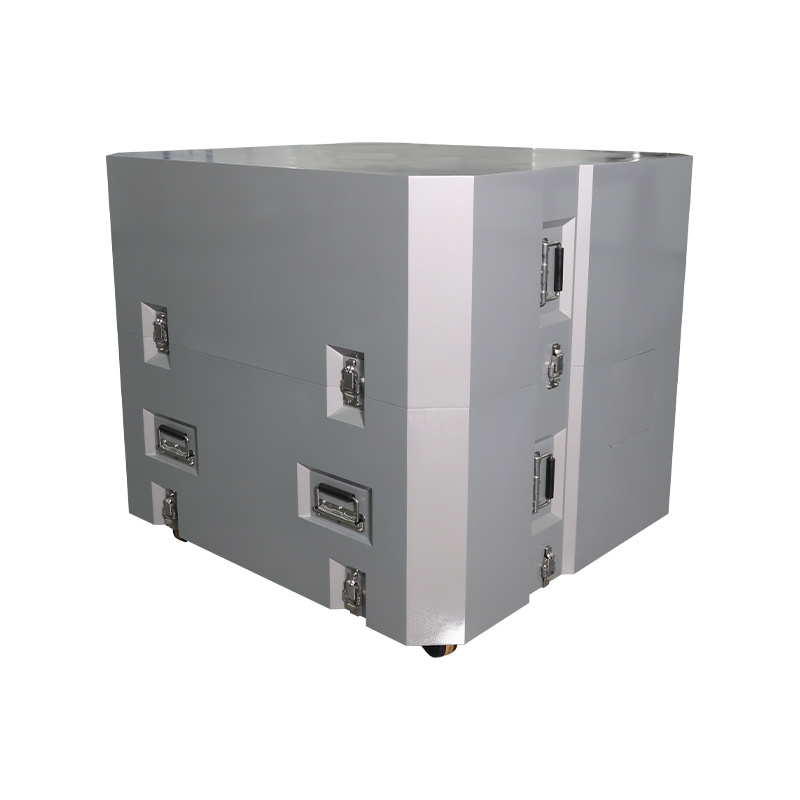
Aerospace Grade Carbon Fiber Fabric
Aerospace Grade Carbon Fiber Fabric is a carbon fiber reinforcement material intended for composite manufacturing applications with defined mechanical, dimensional, and material consistency requirements. It is used in resin-based composite structures where lightweight construction, controlled fiber orientation, and predictable material properties are important to engineering design.
The fabric consists of carbon fiber yarns arranged in a specified textile construction, including woven configurations or other approved reinforcement formats. Its technical characteristics depend on the fiber grade, tensile modulus, tensile strength, weave architecture, areal weight, sizing system, and manufacturing controls. These parameters influence laminate performance, resin compatibility, and the behavior of finished composite components.
Aerospace composite manufacturers, engineering contractors, and qualified material distributors evaluate this type of reinforcement according to application-specific requirements, including technical specifications, material traceability, inspection records, and applicable aerospace qualification standards. Material selection must be based on verified documentation rather than the product designation alone.
Key Characteristics for Aerospace Composite Manufacturing
Aerospace material selection involves more than lightweight reinforcement. Engineers and procurement teams must consider mechanical properties, material consistency, process compatibility, and the documentation required for the intended application.
High Strength-to-Weight Potential
Carbon fiber reinforcement offers a high strength-to-weight potential compared with many conventional structural materials. Properly designed composite laminates can help reduce component mass while meeting specified structural requirements.
Controlled Fiber Orientation
Fiber orientation determines how reinforcement contributes to the load-bearing behavior of a composite laminate. Fabric architecture and stacking sequence must be matched with the anticipated loading directions and engineering design.
Defined Mechanical Properties
Tensile strength, tensile modulus, elongation, and other mechanical parameters are associated with the selected carbon fiber grade. Actual values should be supported by technical data and applicable test documentation.
Composite Process Compatibility
Fabric construction and fiber surface treatment influence resin impregnation and interfacial bonding. Material compatibility should be evaluated against the specified resin chemistry and curing conditions.
Dimensional and Batch Consistency
Fabric width, areal weight, yarn density, and textile construction are important parameters for repeatable composite layup. Consistent specifications help manufacturers control material consumption and laminate preparation.
Material Identification and Traceability
Aerospace-related procurement may require documented identification of fiber grade, production batch, material source, and inspection status. Traceability requirements should be established before purchasing.
Fabric Construction and Reinforcement Options
The reinforcement architecture affects fiber distribution, laminate design, forming behavior, and the mechanical response of composite components. Selection should follow the structural requirements and manufacturing process.
Woven Carbon Fiber Reinforcement
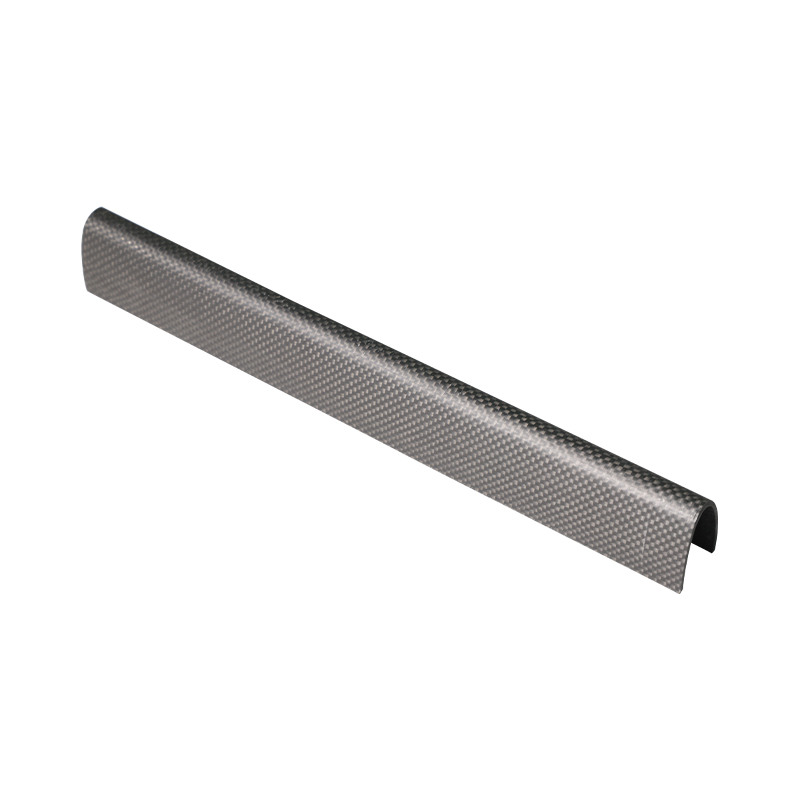
Woven fabric uses interlaced yarns in warp and weft directions. Common textile configurations include plain, twill, and satin constructions. These structures provide reinforcement in two fabric directions and offer different handling and draping characteristics.
Woven materials are considered for composite panels, covers, interior structures, and other components where the selected textile architecture matches the design requirements.
Unidirectional Carbon Fiber Reinforcement
Unidirectional reinforcement primarily aligns fibers along one main direction, allowing engineers to place a greater proportion of fibers along selected load paths. It is commonly considered in laminate designs where directional stiffness and strength are critical.
Fiber orientation and stacking sequence must be established through structural analysis and manufacturing specifications.
Multidirectional Composite Layup
Multiple reinforcement layers can be arranged at different orientations to develop the required laminate response. The final properties depend on the individual material specifications, layer sequence, resin content, and curing conditions.
This approach allows composite designers to address different loading directions within a single component.
Material Parameters and Quality Verification
Each material specification should be supported by appropriate technical records. The following parameters are relevant to aerospace-oriented carbon fiber fabric procurement.
Specification Category
Evaluation Requirements
Procurement Relevance
Aerospace qualification is application- and specification-dependent. Buyers should confirm whether the material has been tested, qualified, or approved under the specific requirements of their project. Do not assume that general carbon fiber technical data establishes aerospace certification or airworthiness.
Applications in Aerospace and Advanced Composite Systems
Aerospace-related carbon fiber reinforcement is selected according to component design, load conditions, manufacturing procedures, and applicable qualification requirements.
Aircraft Interior Components
Carbon fiber composite materials can be considered for selected interior panels, equipment housings, seat structures, and lightweight cabin components. Material selection must account for applicable fire, smoke, toxicity, mechanical, and project-specific requirements.
Aircraft Structural Composite Parts
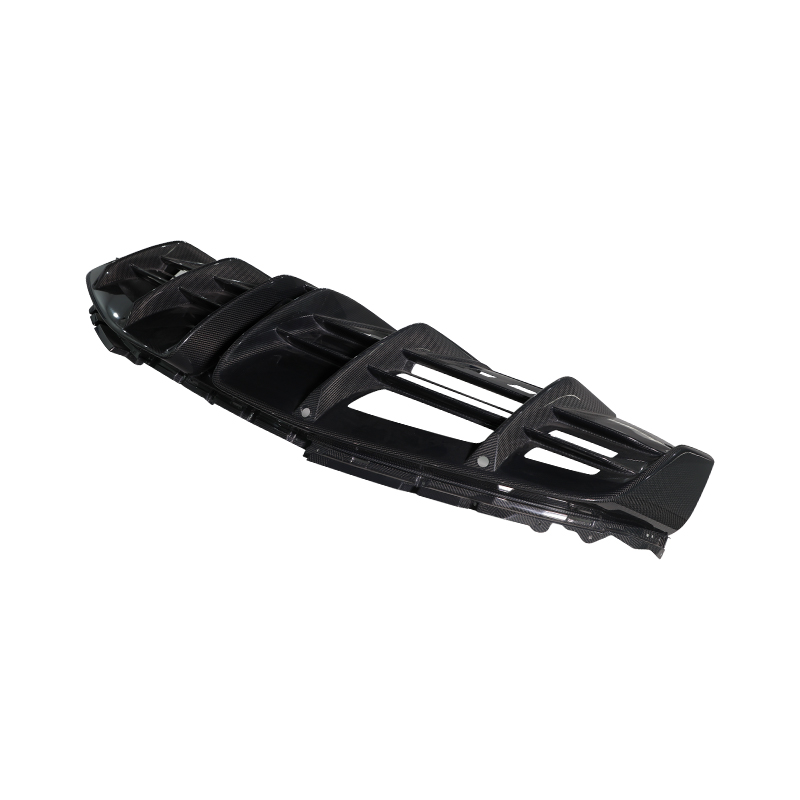
Carbon fiber reinforcement is used in the development and manufacture of selected aircraft composite structures. Applications require engineering validation of fiber orientation, laminate configuration, mechanical properties, environmental resistance, and structural performance.
Unmanned Aerial Vehicle Components
Composite manufacturers may use carbon fiber reinforcement in UAV frames, fuselage sections, protective housings, and lightweight support structures. The required material depends on payload, vibration, flight loads, component geometry, and manufacturing scale.
Aerospace Equipment and Enclosures
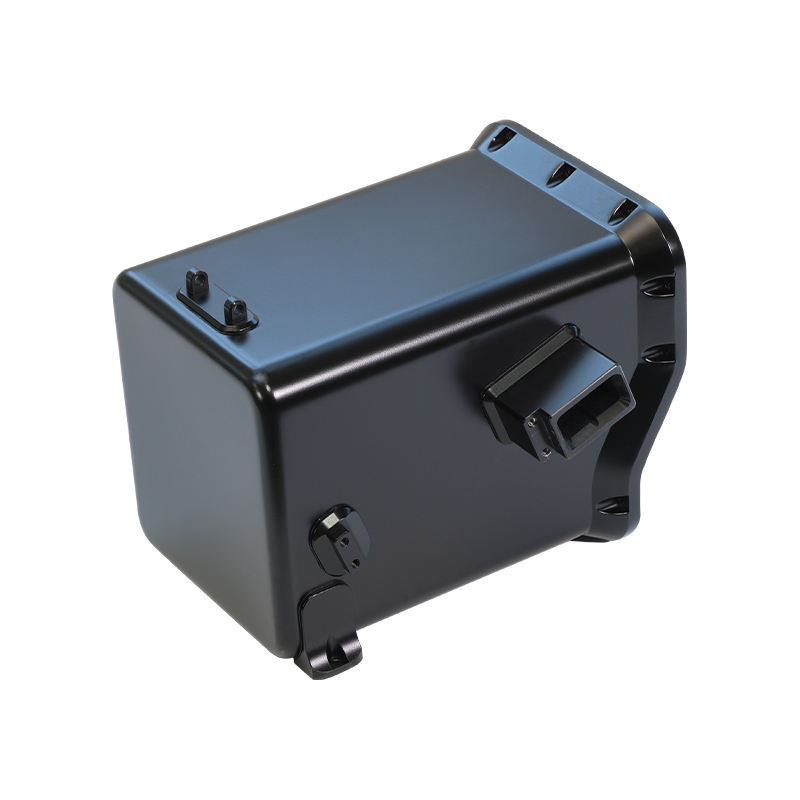
Selected equipment covers, support panels, and composite enclosures can incorporate carbon fiber reinforcement where weight and structural requirements justify its use. Environmental exposure and equipment integration requirements should be reviewed during material selection.
Advanced Composite Research and Development
Research organizations and engineering teams use carbon fiber reinforcement to evaluate laminate configurations, resin systems, structural concepts, and composite processing parameters before finalizing a production material specification.
Manufacturing Control and Material Traceability
For aerospace-oriented procurement, the supplier's ability to identify materials, maintain production records, and provide consistent technical documentation is an important part of the material evaluation process.
Incoming Material Verification
Raw carbon fiber identification should be checked against the approved material specification. Relevant records may include supplier information, fiber grade, batch numbers, and accompanying technical documents.
Process Parameter Control
Where fabric weaving or conversion is performed, relevant production parameters should be controlled according to the defined construction, yarn arrangement, and dimensional requirements.
In-Process and Finished Fabric Inspection
Inspection criteria may cover fabric width, areal weight, visible damage, yarn alignment, weave consistency, and roll condition. The inspection scope should reflect the approved product specification.
Batch Identification and Record Retention
Material identification and production records support the comparison of different batches and help buyers trace material information during incoming inspection and subsequent manufacturing activities.
Packaging and Storage Protection
Protective packaging should minimize contamination, moisture exposure, physical damage, and handling defects. Storage conditions should follow the material supplier's recommendations and the applicable project requirements.
Procurement Requirements for Aerospace Carbon Fiber Materials
Buyers should establish technical and commercial requirements before requesting quotations or approving a material source.
Frequently Asked Questions
Answers to common technical and procurement questions about aerospace-oriented carbon fiber reinforcement materials.
1. What makes carbon fiber fabric suitable for aerospace applications?
Carbon fiber fabric can provide a high strength-to-weight potential, defined reinforcement architecture, and the ability to engineer laminate properties through fiber orientation and layer arrangement. Aerospace suitability also depends on material grade, resin compatibility, qualification status, manufacturing controls, and compliance with the specific project requirements.
2. Does aerospace grade carbon fiber fabric automatically have aerospace certification?
No. The term aerospace grade does not automatically establish certification, qualification, or approval for aircraft use. Buyers should verify the actual material specification, manufacturer documentation, test records, traceability information, and applicable approvals required by the project or customer.
3. How should buyers select the carbon fiber modulus for aerospace composite parts?
Modulus selection should follow structural design requirements, anticipated loading conditions, allowable deformation, laminate configuration, and engineering analysis. Higher modulus fibers are not automatically suitable for every application because stiffness, strength, strain capacity, and manufacturing considerations must be evaluated together.
4. What is the difference between aerospace carbon fiber fabric and standard industrial carbon fiber fabric?
The distinction depends on the specified fiber grade, mechanical property requirements, manufacturing controls, inspection criteria, and documentation. Aerospace projects may require stricter material qualification, traceability, and approval procedures than general industrial applications. The actual difference must be established through verifiable technical specifications.
5. Can aerospace carbon fiber fabric be used with different resin systems?
Resin compatibility depends on the fiber sizing, surface condition, resin chemistry, and curing conditions. Epoxy systems are commonly used in advanced structural composites, but the suitability of a specific fabric must be confirmed through technical documentation and appropriate material testing.
6. What documentation should buyers request from a carbon fiber fabric supplier?
Depending on the project, buyers may request a technical data sheet, fiber grade identification, material batch records, inspection reports, mechanical test results, certificate of conformity, and applicable qualification documents. Documentation requirements should be defined in the purchase specification before the order is placed.
7. How can buyers verify the consistency of different material batches?
Buyers can compare batch identification, material specifications, areal weight, fabric dimensions, textile construction, and relevant inspection or test records. For critical applications, an agreed incoming inspection plan and defined acceptance criteria help maintain material consistency across repeat purchases.
8. What information is needed when requesting an aerospace carbon fiber fabric quotation?
A complete inquiry should identify the fiber grade, reinforcement architecture, weave pattern, areal weight, fabric width, required quantity, and intended application. Buyers should also specify applicable aerospace standards, qualification requirements, traceability expectations, test documentation, sample requirements, and delivery conditions.
Review Your Aerospace Composite Material Specifications
Provide the required carbon fiber grade, reinforcement structure, mechanical property targets, technical standards, and purchasing quantity. These details help establish material suitability, documentation requirements, and supply feasibility for your composite manufacturing project.
 +86-13961668677

 No. 61, Xingyuan Road, Jiefang Village, Gushan Town, Jiangyin City, Jiangsu Province, China.
