 Get In Touch
 English
  中文简体
中文简体 عربى
عربى Tiếng Việt
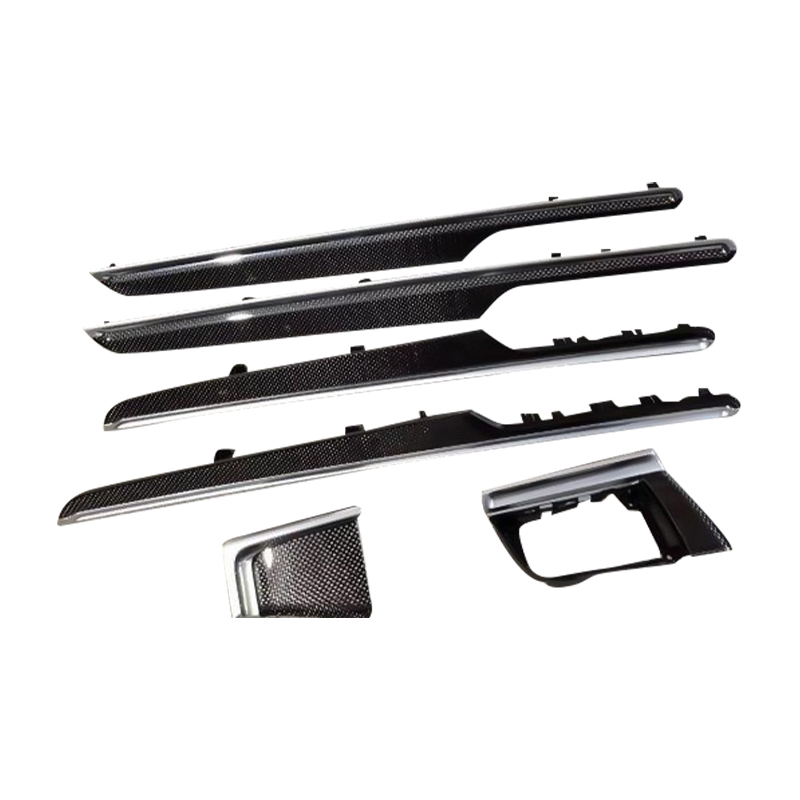
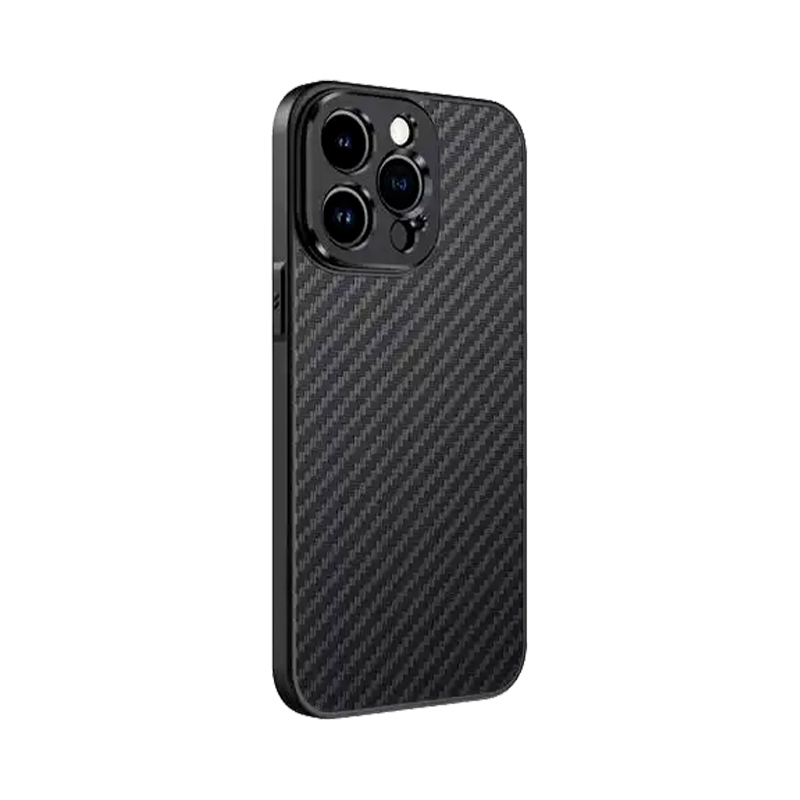
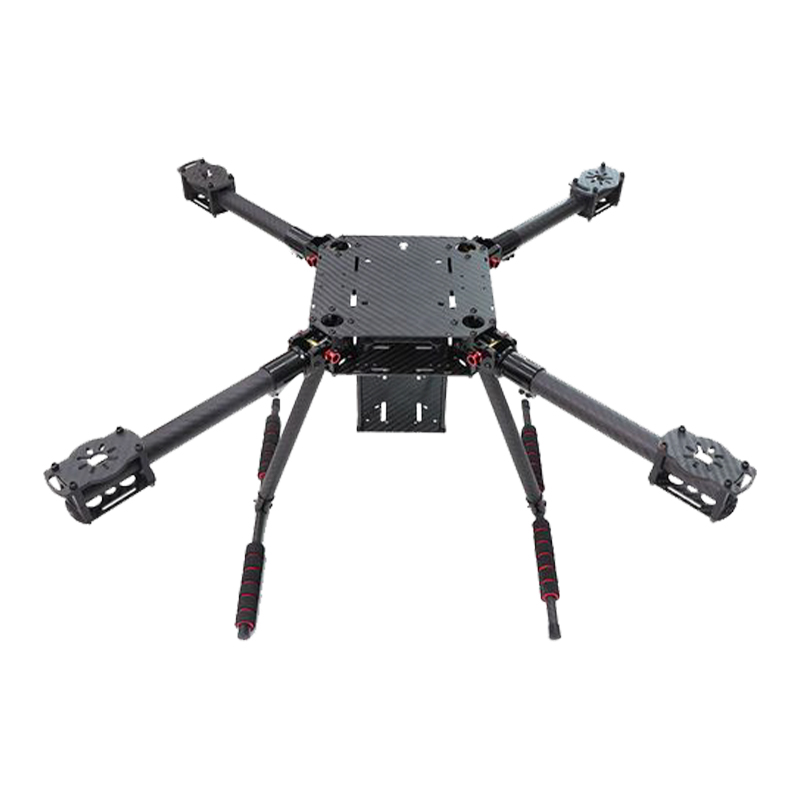
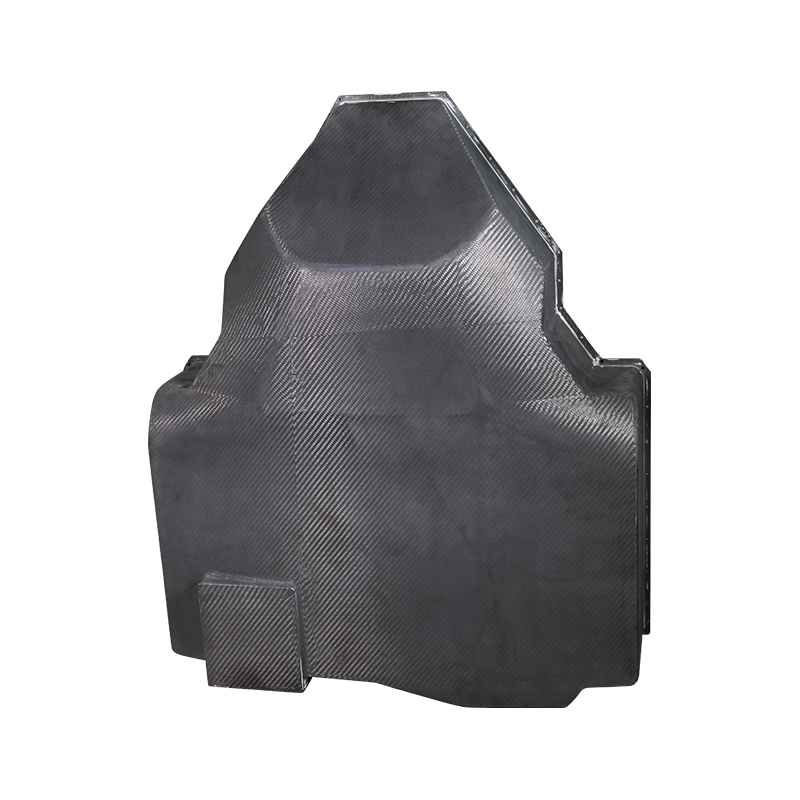
Carbon Kevlar Fabric For Automotive Parts
Carbon Kevlar Fabric For Automotive Parts is a specialized hybrid reinforcement engineered specifically for the automotive industry. This fabric combines high-strength carbon fiber (3500–4200 MPa) with yellow Kevlar fiber, delivering the perfect balance of structural performance, impact resistance, and aesthetic appeal. The 2×2 twill weave provides a distinctive visual pattern that is highly valued in automotive applications — from visible body panels to interior trim. The fabric is available in 3k carbon / 1000d Kevlar configurations with areal weights from 200 to 400 g/m². Compatible with automotive-grade epoxy and vinyl ester resin systems, this fabric is ideal for performance vehicles, custom builds, and aftermarket parts where both strength and style matter.
Automotive Features
Technical Specifications
Automotive Advantages
- Lightweight — reduces vehicle weight for improved performance
- Cosmetic-grade weave — clear coat ready
- Impact resistant — Kevlar enhances durability
- Corrosion resistant — ideal for exterior applications
- Compatible with automotive resin systems
- Distinctive visual appeal — yellow Kevlar contrast
Typical Automotive Parts
Frequently Asked Questions
Carbon Kevlar combines the high strength and stiffness of carbon with the impact resistance and toughness of Kevlar. This makes it ideal for automotive parts that must withstand road impacts, vibrations, and potential debris strikes while maintaining a lightweight, cosmetic appearance.
Yes. When properly coated with a UV-stable automotive clear coat, Carbon Kevlar is suitable for exterior applications. The Kevlar fibers are naturally UV-resistant, and the clear coat protects the resin matrix. The 2×2 twill pattern is particularly popular for visible exterior parts.
Automotive-grade epoxy resin systems provide the best mechanical properties, adhesion, and cosmetic finish. For exterior parts, use a UV-stable epoxy or vinyl ester. The fabric's sizing is specifically formulated for epoxy compatibility.
To achieve a perfect clear coat finish, ensure the fabric is evenly compacted, fill surface porosity with compatible filler, sand with progressively finer grits (400, 800, 1200, 2000), and apply multiple layers of UV-stable automotive clear coat with sanding between coats for optimal depth and gloss.
 +86-13961668677
 No. 61, Xingyuan Road, Jiefang Village, Gushan Town, Jiangyin City, Jiangsu Province, China.