 Get In Touch
 English
  中文简体
中文简体 عربى
عربى Tiếng Việt
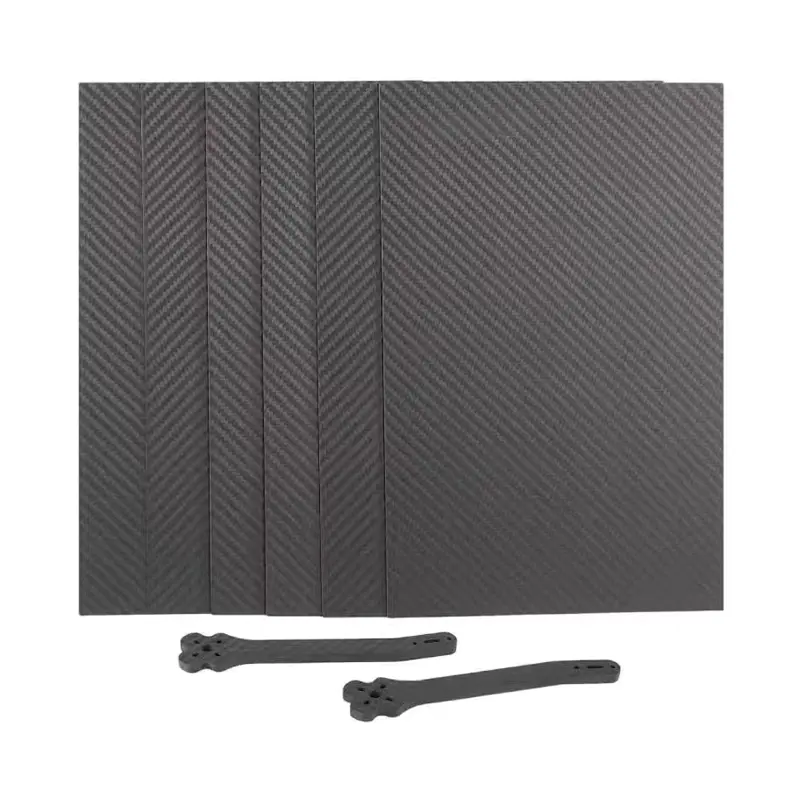
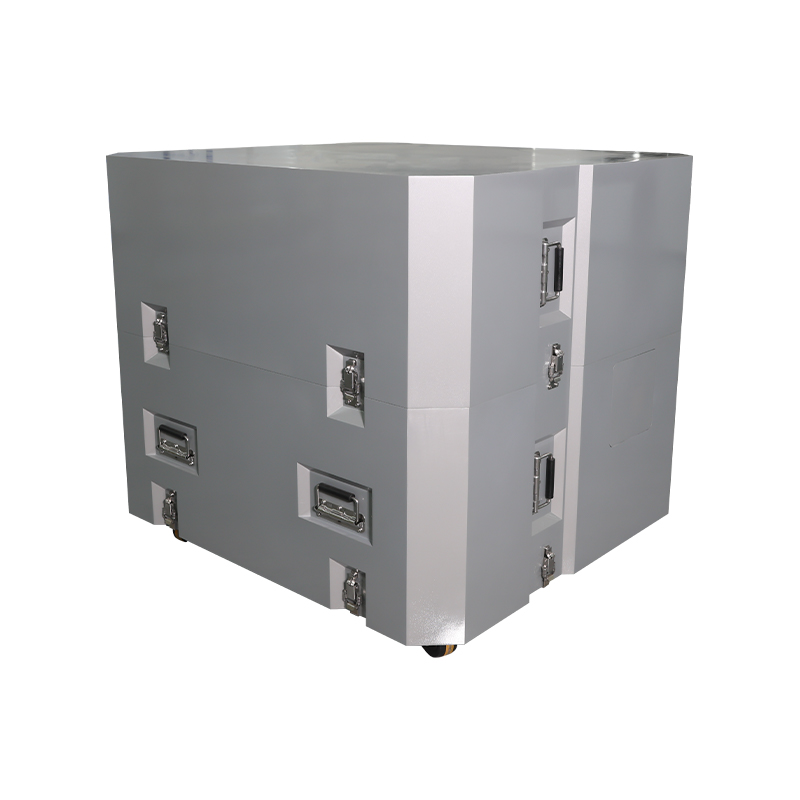
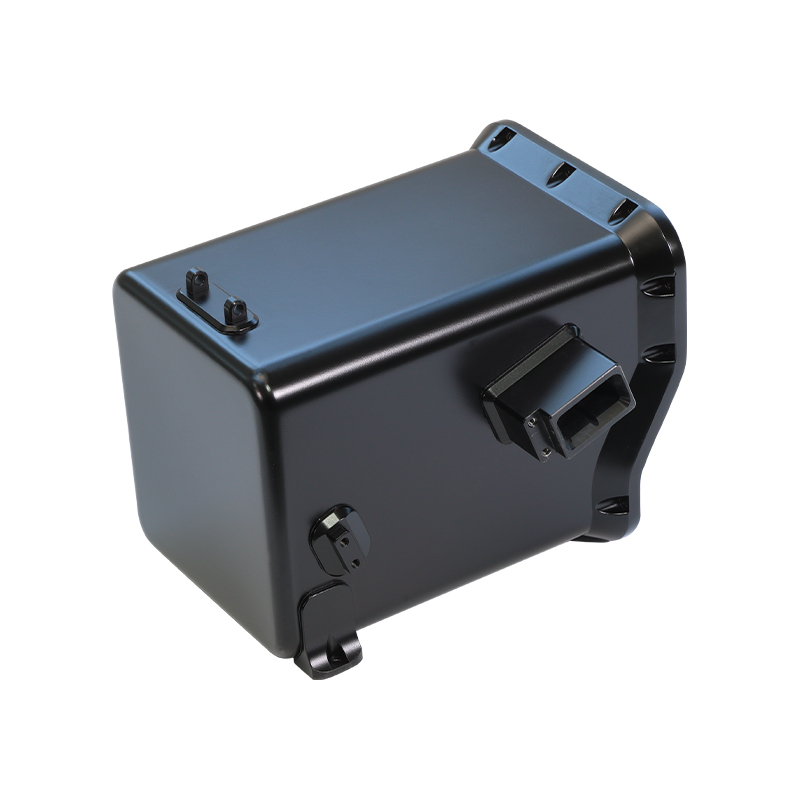
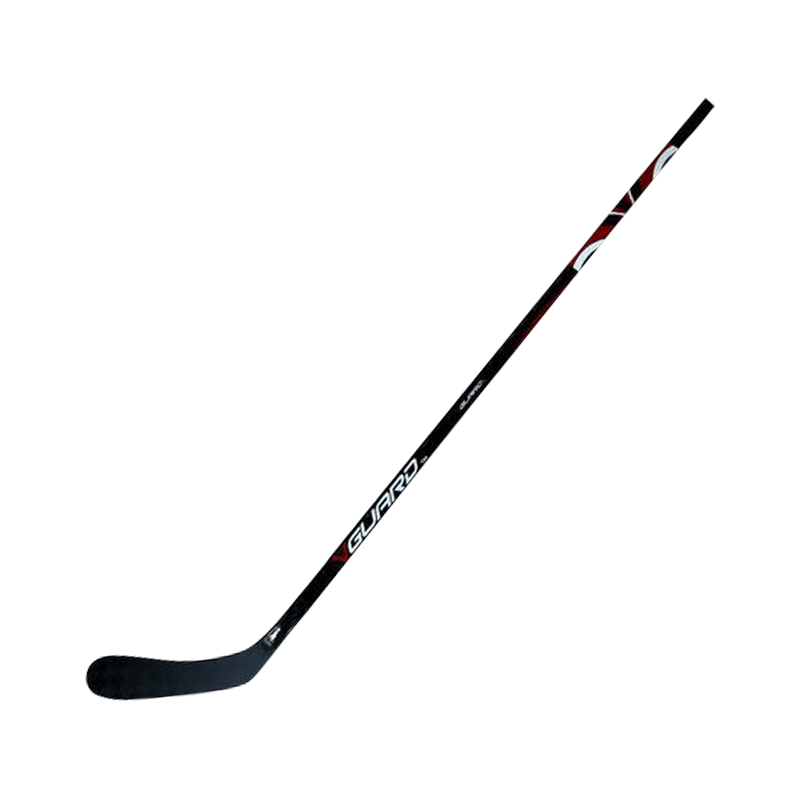
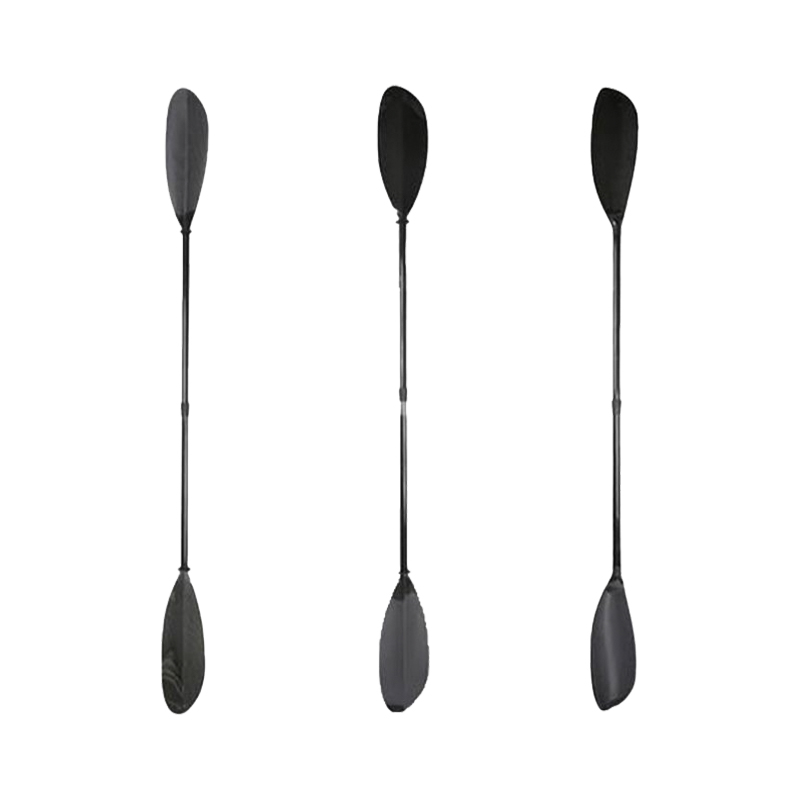
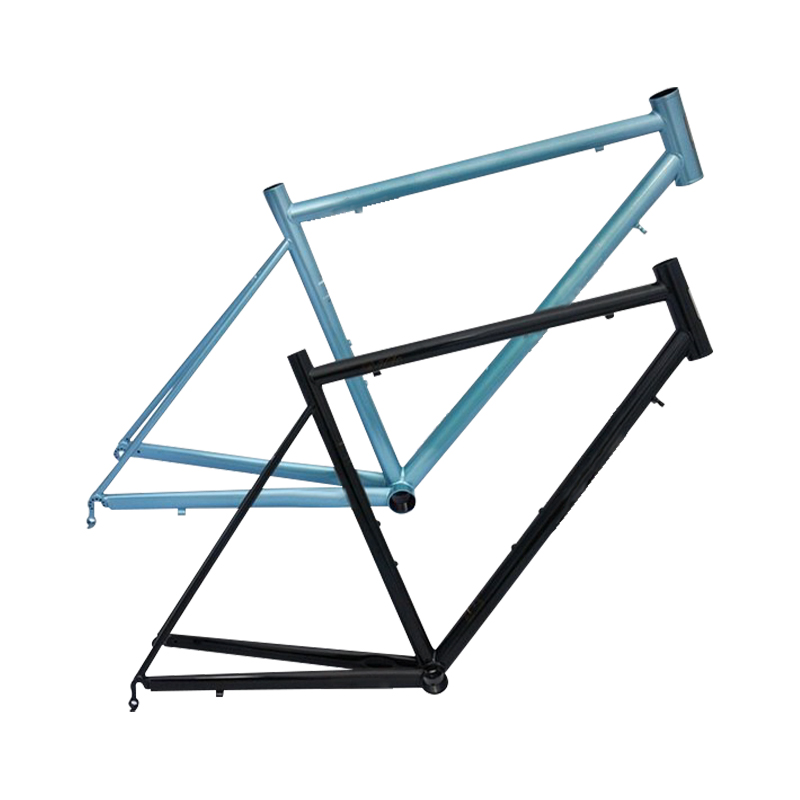
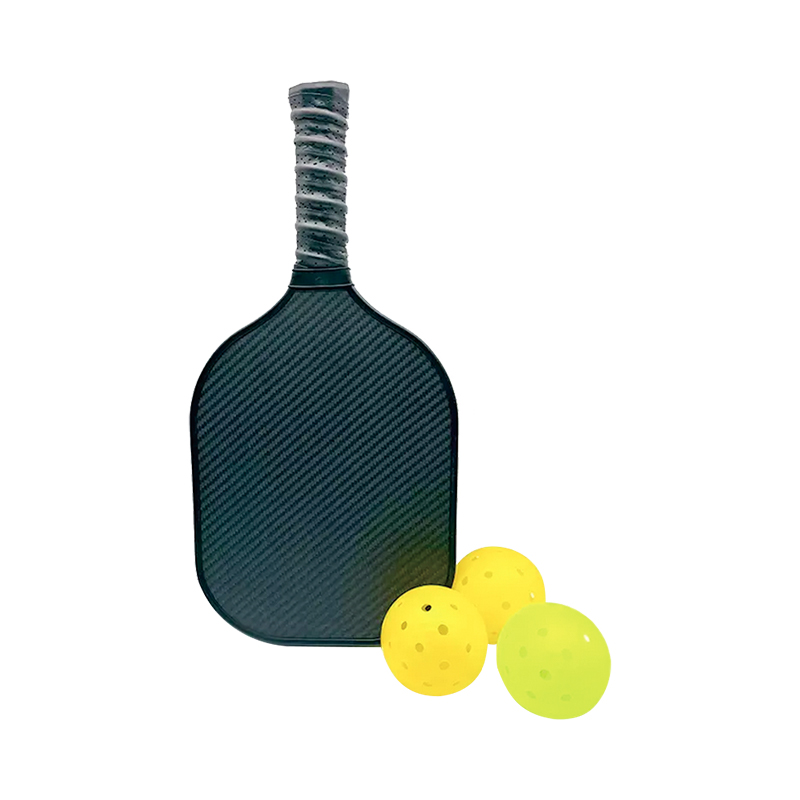
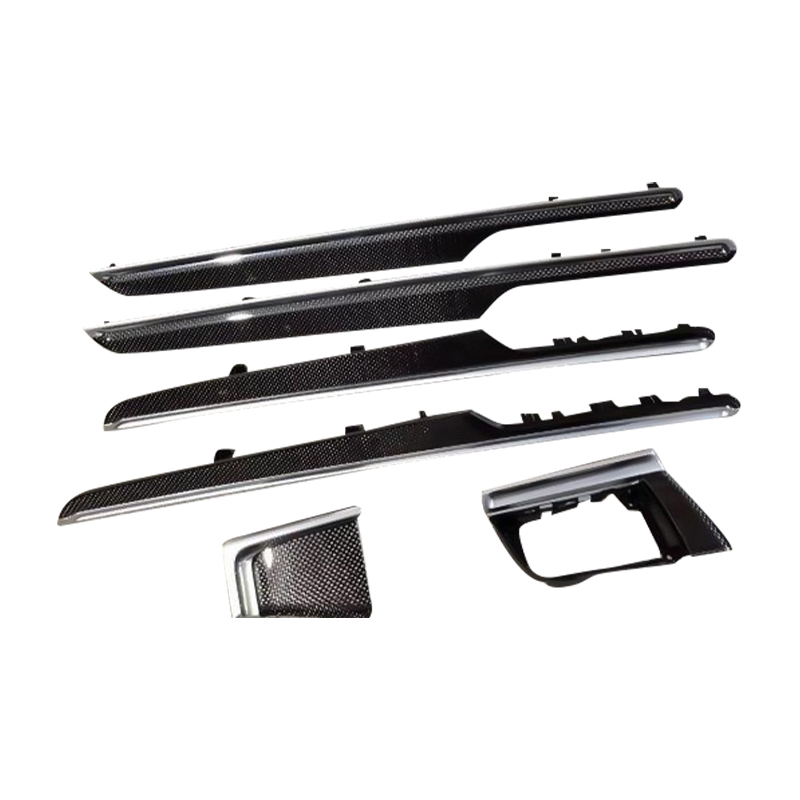
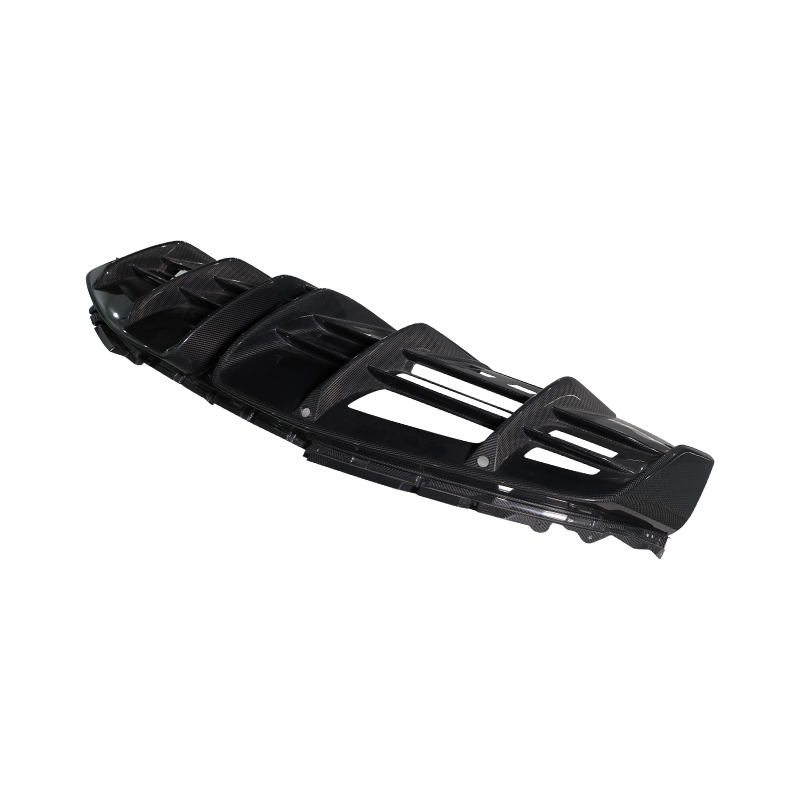
Carbon Fiber Woven Fabric Reinforcement is engineered to enhance the structural integrity of composite laminates and strengthen existing structures. The balanced weave architecture ensures uniform stress distribution and efficient load transfer from the substrate to the reinforcement. Available in a comprehensive range of tow sizes (1k to 24k), weave patterns (plain, twill, satin, unidirectional), and areal weights (60 to 1200 g/m²). This reinforcement fabric is compatible with all standard resin systems including epoxy, polyester, vinyl ester, and phenolic. It is the preferred choice for structural upgrading, seismic retrofitting, composite repair, and new construction across aerospace, automotive, marine, and infrastructure sectors.
Increased Load Capacity
Enhances flexural, shear, and compressive strength of existing structures and new composite components.
Corrosion Resistant
Carbon fiber is inert and does not corrode — ideal for aggressive environments and marine applications.
Versatile Application
Works on concrete, steel, masonry, timber, and composite substrates with appropriate surface preparation.
Thin Profile
Minimal added thickness — preserves architectural clearances and structural dimensions.
Product Characteristics
Application Scenarios
Frequently Asked Questions
Carbon fiber fabric can reinforce concrete, steel, masonry, timber, and composite structures. Applications include buildings, bridges, industrial facilities, and historical structures. The fabric is suitable for flexural, shear, seismic, and confinement strengthening.
Depending on the application and number of layers, load capacity increases of 20% to 100% are achievable. Flexural strengthening typically increases capacity by 30%–60%, shear strengthening by 40%–80%. Engineering analysis is required to determine the exact increase.
Concrete surfaces must be sandblasted or ground to achieve a minimum tensile bond strength of 1.5 MPa. Steel surfaces require abrasive blasting to a near-white finish (SSPC-SP10). Masonry and timber surfaces require cleaning and levelling with appropriate fillers.
Key guidelines include ACI 440.2R (USA), FIB Bulletin 14 (Europe), IBC (International Building Code), JSCE (Japan), and GB 50608 (China). The fabric is designed to meet the material requirements of these international standards.
 +86-13961668677
 No. 61, Xingyuan Road, Jiefang Village, Gushan Town, Jiangyin City, Jiangsu Province, China.