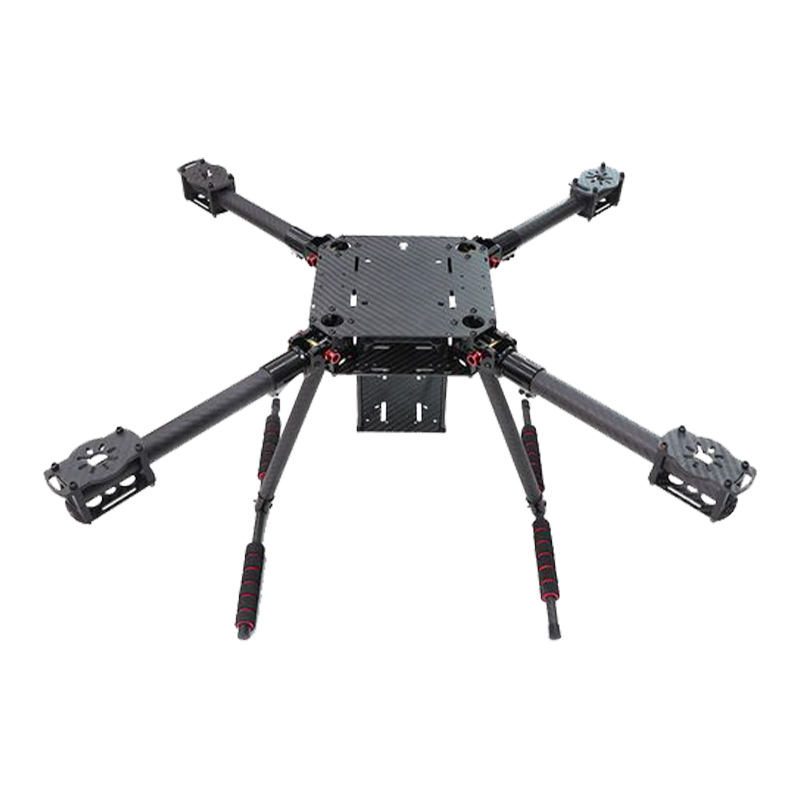
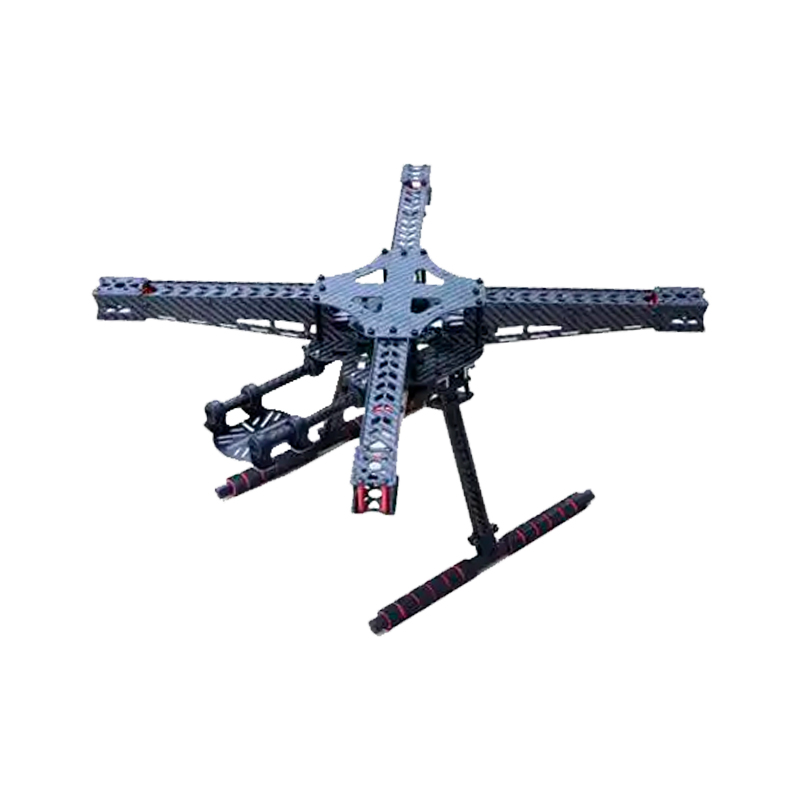
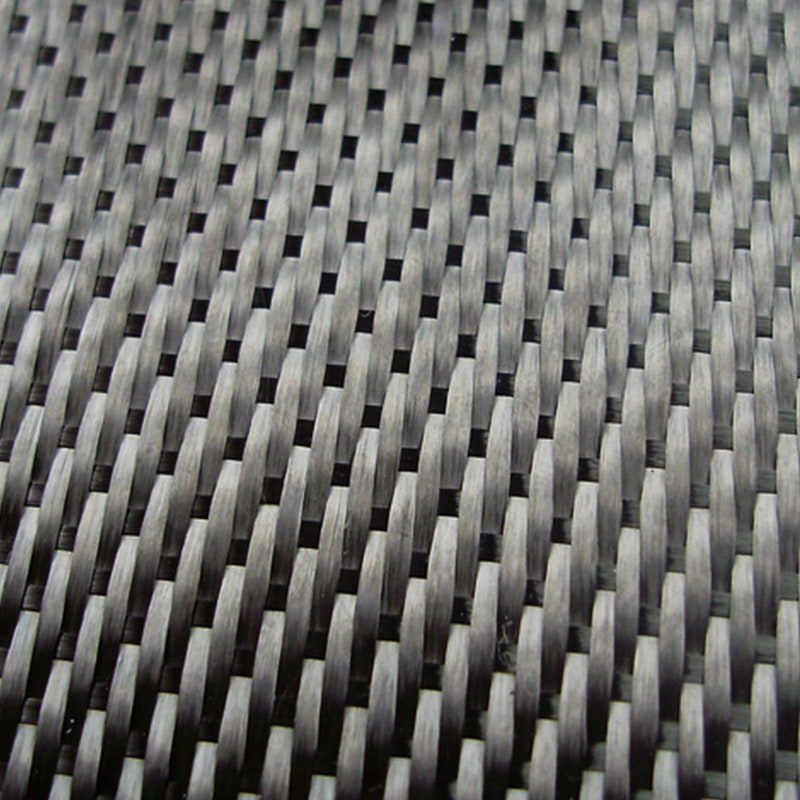
Carbon Fiber Unmanned Aerial Vehicle (UAV) Landing Gear
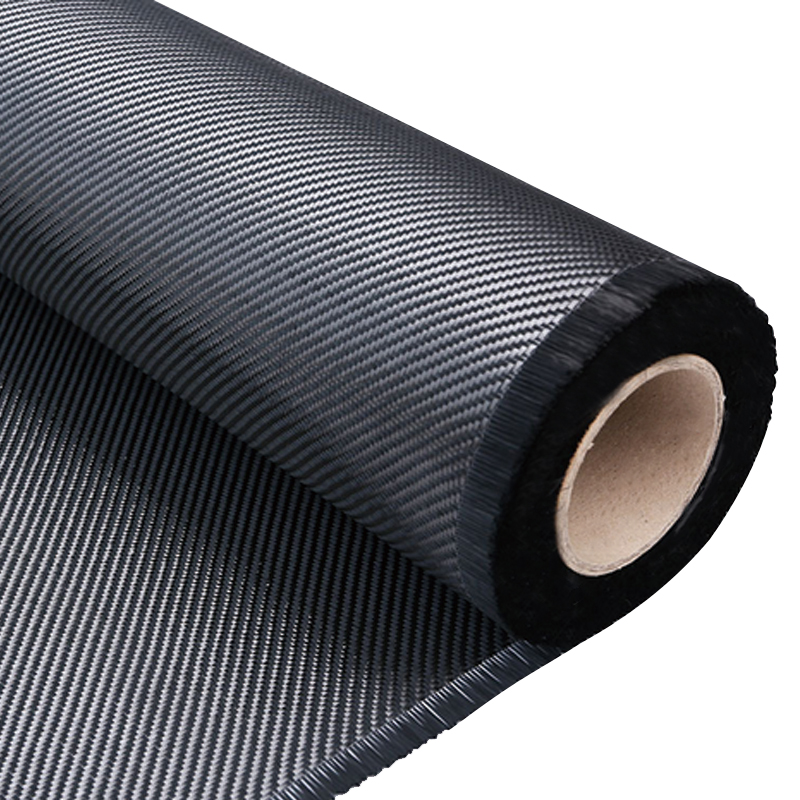
The Carbon Fiber UAV Landing Gear is a structural component engineered for multi-rotor and fixed-wing unmanned aircraft systems. Constructed from 3K twill weave carbon fiber and reinforced with epoxy resin, this landing system utilizes a high strength-to-weight ratio to minimize the aircraft's take-off weight (MTOW). The landing gear is manufactured through a vacuum bagging or autoclave process, ensuring a consistent wall thickness and internal structural integrity. Its streamlined profile is designed to reduce aerodynamic drag during flight, while the inherent vibration-damping properties of carbon fiber composites protect onboard sensors and gimbal payloads during touchdown sequences.
Technical Specifications and Core Advantages
| Material Composition |
Toray Carbon Fiber / Epoxy Resin Matrix |
| Surface Finish |
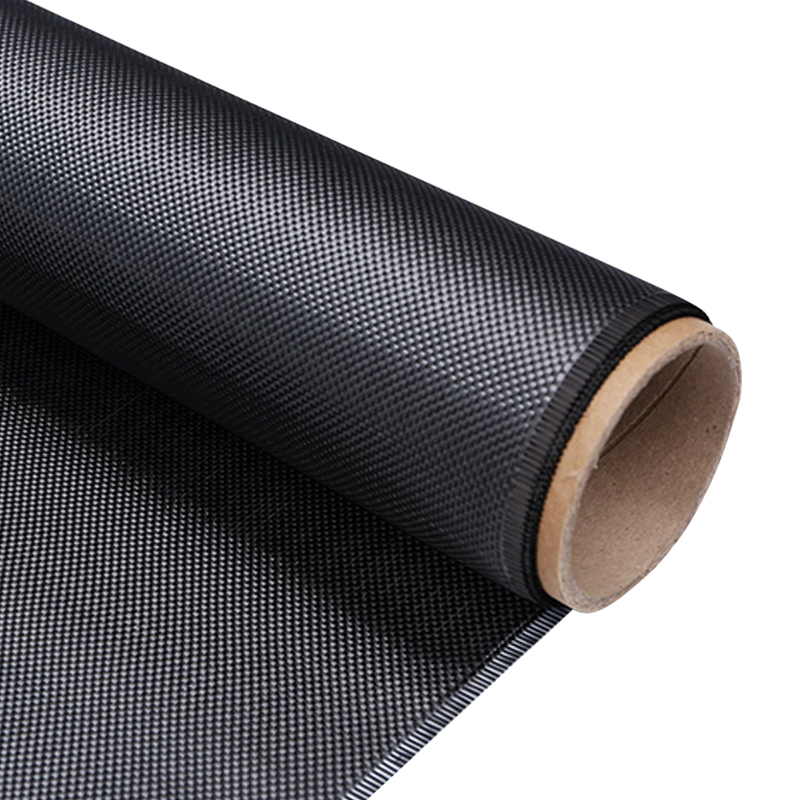
3K Matte / Glossy Twill or Plain Weave |
| Weight Reduction |
40% - 60% lighter than aluminum alloy alternatives |
| Load Capacity |
Scalable from 5kg to 100kg+ MTOW |
| Thermal Stability |
Operational range from -40°C to 80°C |
Functional Characteristics
- High Tensile Strength: Provides rigid support for heavy-lift UAVs, maintaining structural geometry under maximum payload conditions.
- Corrosion Resistance: Unlike metallic components, carbon fiber does not oxidize, making it suitable for maritime and coastal operations.
- Fatigue Endurance: Resists structural softening over repeated landing cycles, extending the operational lifecycle of the airframe.
- Vibration Absorption: The composite matrix dissipates kinetic energy upon impact, reducing the mechanical stress transferred to the fuselage.
- Electromagnetic Compatibility: Designed with clearances that minimize interference with bottom-mounted GPS antennas or transmission modules.
Primary Application Fields
Agricultural Spraying Drones
Supports the heavy weight of liquid tanks and spraying hardware. The chemical resistance of the carbon fiber ensures the gear does not degrade when exposed to fertilizers or pesticides.
Geospatial Mapping and Surveying
Provides a stable, lightweight platform for LiDAR scanners and multispectral cameras. The weight savings directly translate into increased flight endurance for large-area mapping missions.
Search and Rescue (SAR) Operations
Enables rapid deployment in diverse environments. The rugged construction allows for landings on uneven or unprepared terrain without permanent deformation of the struts.
Maintenance and Operational Guidelines
Installation Precautions
- Use torque-limiting drivers when securing mounting bolts to prevent crushing the composite laminate.
- Install rubber dampening grommets between the landing gear mount and the carbon fiber plate to further isolate high-frequency motor vibrations.
Inspection and Storage
- Impact Inspection: After any hard landing, inspect the surface for delamination or hairline fractures. Damaged carbon fiber components should be replaced immediately as they cannot be straightened or welded.
- UV Exposure: While treated with UV-resistant coatings, long-term storage should be in a shaded area to prevent resin degradation over years of service.
- Cleaning: Use non-abrasive detergents; avoid solvent-based cleaners that may affect the epoxy resin finish.