Classic weave architecture · Versatile reinforcement

Woven Carbon Fiber Cloth

Traditional woven construction offering proven performance across a broad spectrum of composite applications, from sporting goods to industrial components.

Plain Twill Satin

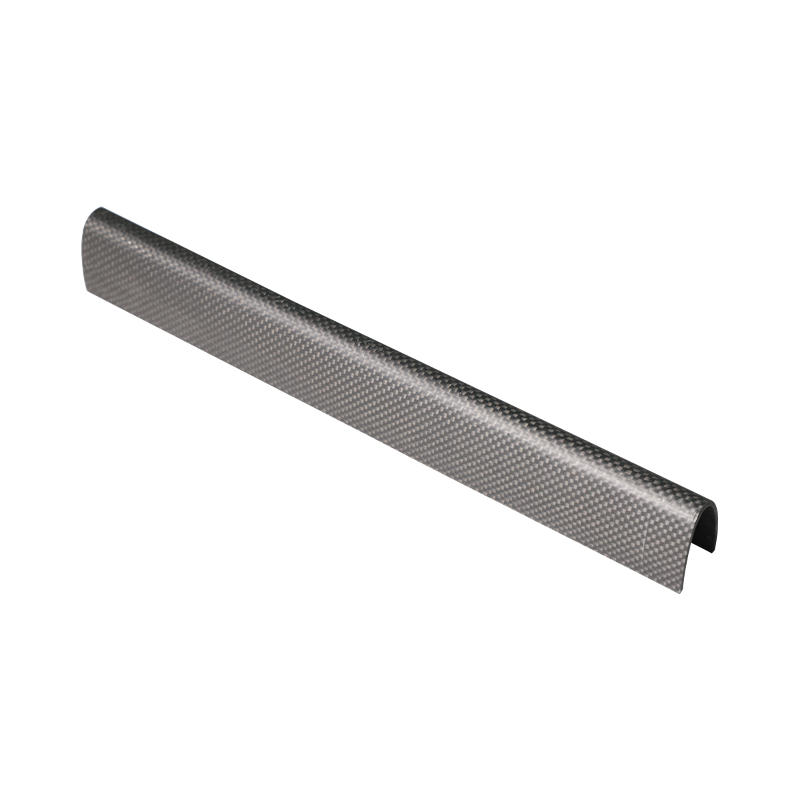
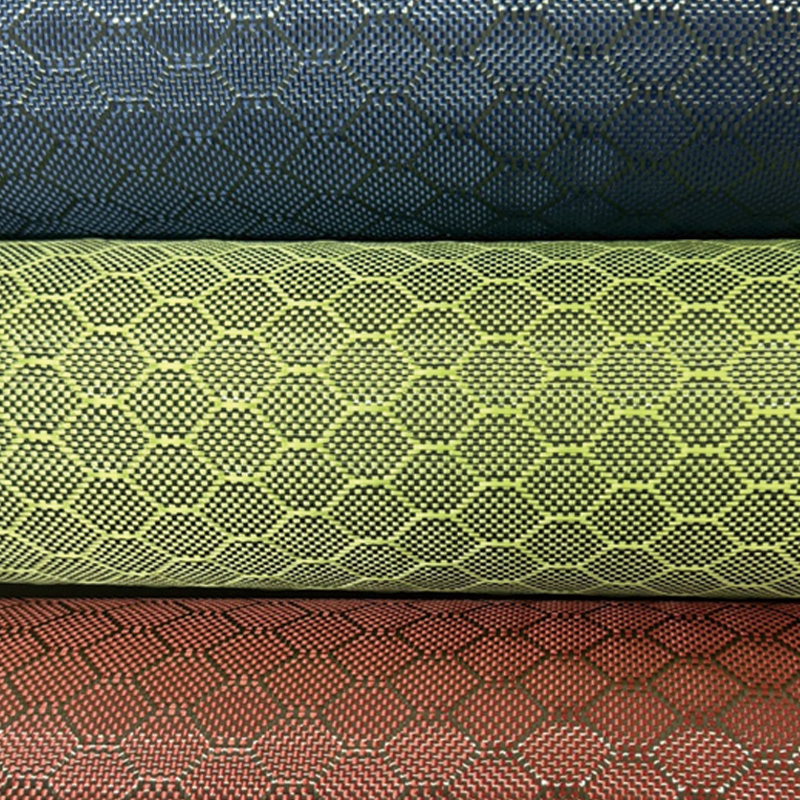
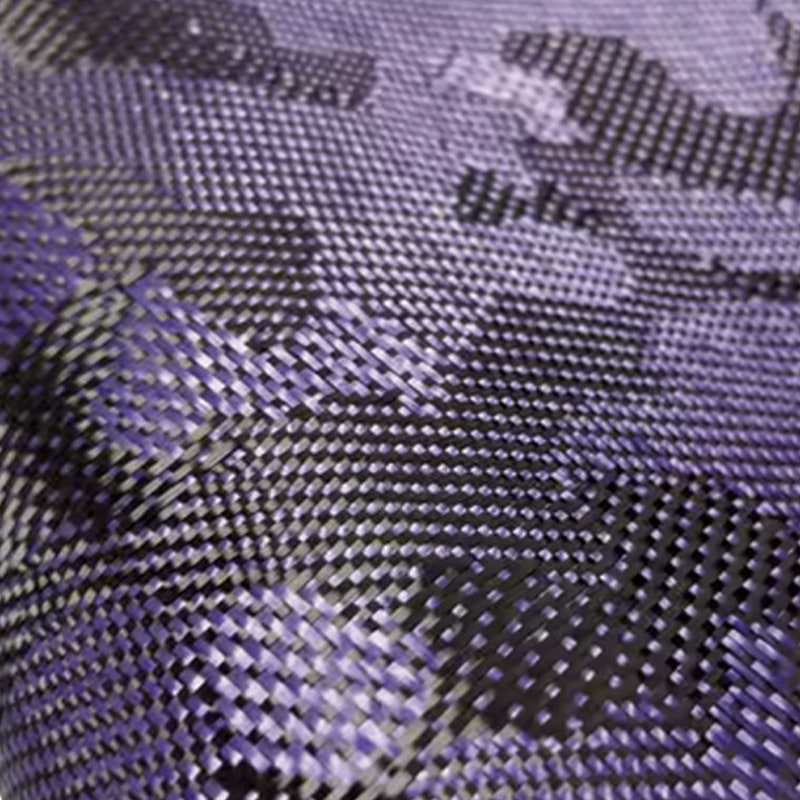
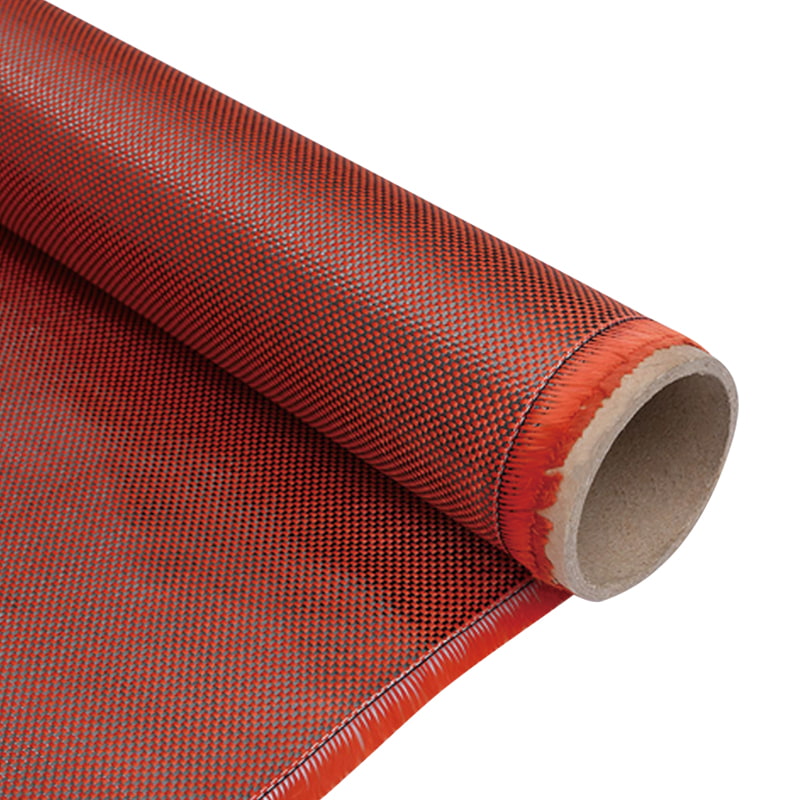
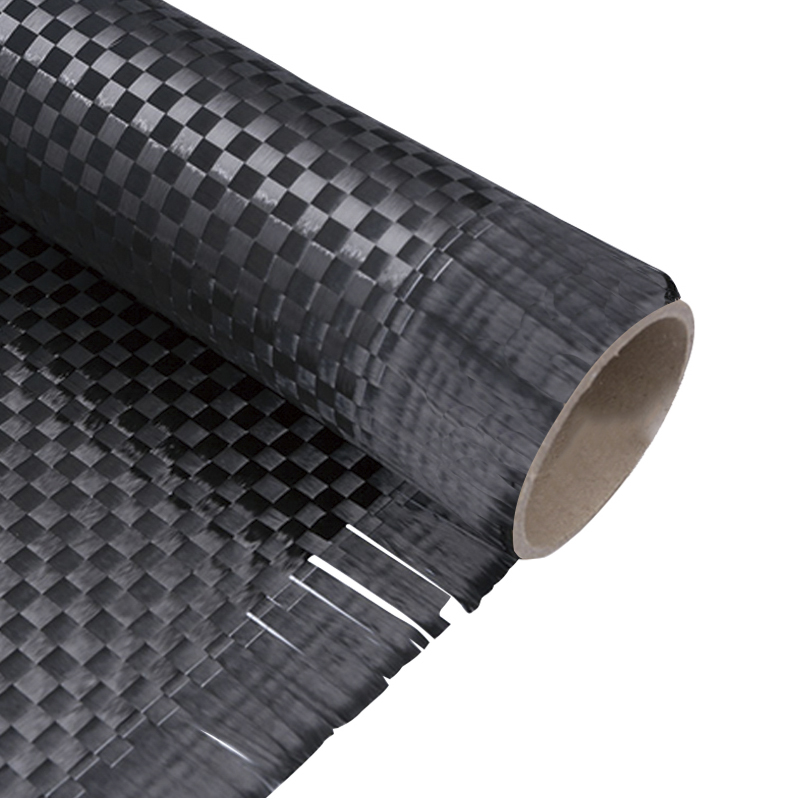
Woven Carbon Fiber Cloth represents the most widely used reinforcement form in composite manufacturing. The fabric is produced by interlacing warp and weft tows in a repeating pattern, creating a stable, drapeable textile that conforms to tool surfaces while maintaining fiber orientation. Available in multiple weave styles—plain, twill, and satin—each offering distinct handling characteristics and surface finish properties. Tow sizes range from 1k to 24k, with areal weights from 60 to 1200 g/m². The woven construction provides inherent dimensional stability during layup and is compatible with all common resin systems including epoxy, polyester, vinyl ester, and phenolic.

Weave Pattern Guide

Plain weave Each warp tow passes alternately over and under each weft tow. Maximum stability, minimum drape. Surface finish: textured. Flat panels, tooling boards, repair patches
2x2 Twill weave Warp passes over two weft tows, then under two. Improved drape and conformability with moderate crimp. Automotive parts, marine hulls, bicycle frames
4-Harness satin Warp floats over three weft tows, under one. Low crimp, smooth surface, excellent drape. Aerospace skins, cosmetic surfaces, complex curves
8-Harness satin Longest float length (7 over, 1 under). Minimal crimp, maximum drape, smoothest surface. Deep-draw tooling, highly contoured structures

Typical Properties by Weave (400 g/m² Laminate)

Property Plain Twill 4HS
Tensile strength (MPa) 380 410 440
Tensile modulus (GPa) 42 44 46
Flexural strength (MPa) 520 560 590
Drape rating (1–10) 3 6 9
Surface smoothness Fair Good Excellent
Values are typical for epoxy matrix at 55% fiber volume. Drape rating: 1 = stiff, 10 = highly conformable.

Standard Specifications

Tow sizes 1k, 3k, 6k, 12k, 24k
Areal weight range 60 – 1200 g/m²
Weave patterns Plain, twill, 4HS, 8HS
Thickness range 0.08 – 1.50 mm
Sizing options Epoxy, polyester, vinyl ester, phenolic
Roll widths 600, 1000, 1270, 1600 mm
Roll lengths 10, 25, 50, 100 m

Selection Guidelines

Flat or low-curvature parts Plain weave preferred for stability and dimensional accuracy.
Moderate curvature Twill weave provides good conformability without excessive fraying.
Complex / double-curvature 4HS or 8HS satin weaves offer maximum drape and smooth finish.
High fiber volume Plain weave with compaction pressure achieves 58% – 62% Vf.

Common Questions

What is the difference between woven and UD cloth? Woven cloth has fibers in two directions (0°/90°). UD has fibers in a single direction and requires cross-plying for multi-directional strength.
How do I prevent fraying when cutting? Use sharp shears or a hot-knife. Seal cut edges with tape or edge coating for large production runs.
What is the typical shelf life? 18 months when stored in original packaging at 15–28 °C and ≤ 60% RH.
Can woven cloth be used for prepreg? Yes. Pre-impregnated versions are available with various resin systems and tack levels.
✦ Est. 2018 · Jiangyin
Dongli New Materials
⬡ High-performance Fiber Composites · ◈ Precision Engineering · ◉ Global Reach
32,000 ▣ Factory Area (㎡)
7 ◆ Years Experience
10 ◼ Production Lines
24 ◉ Technical Personnel
⬡ Aerospace ◈ Automotive ◉ Sports Equipment ✦ R&D Innovation ◆ Global Partner ◼ Sustainability

◉ Founded 2018

Jiangyin Dongli New Materials Technology Co., Ltd. focuses on the comprehensive development and manufacturing of high-performance fiber composite materials. We are China Woven Carbon Fiber Cloth Manufacturers and Wholesale Woven Carbon Fiber Cloth Suppliers. Operating from a 32,000‑square‑meter industrial complex featuring precision‑controlled environments, including climate‑regulated workshops and 100,000‑grade purification zones.

We integrate material innovation with engineering expertise to serve aerospace, automotive, and sports equipment sectors.

◈ One‑Stop Factory

With full process control, we integrate material innovation with engineering expertise. Our capabilities include R&D and production of high‑performance fiber fabrics through weaving and prepreg processes, as well as composite products utilizing autoclave, RTM, RMCP, PCM, WCM, and spraying technologies.

⬡ Aerospace ◈ Automotive ◉ Sports ✦ R&D

Global Vision & Breakthrough Solutions

Dongli New Materials aims to expand its global influence, enhance its research and development capabilities, and continue to provide breakthrough solutions for global partners.

In the years to come, Dongli will continue to make significant contributions to the industry through relentless innovation and collaboration. We are committed to developing cutting‑edge technologies that not only enhance product performance but also promote social progress. With the continuous evolution of the industry, we always insist on creating solutions with far‑reaching impact and sustainability, ensuring that we become a trusted partner and helping enterprises fully realize their potential in the ever‑changing global environment.

◉ Autoclave ◈ RTM ⬡ RMCP ✦ PCM ◆ WCM ▣ Spraying ◼ Weaving ◉ Prepreg
Recommended LINKS