 Get In Touch
 English
  中文简体
中文简体 عربى
عربى Tiếng Việt
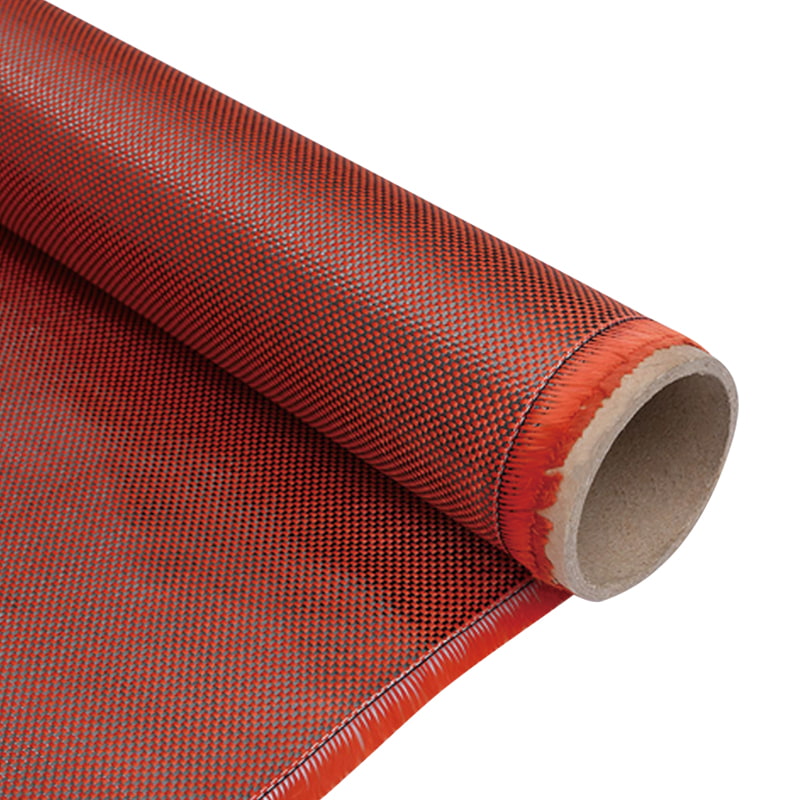
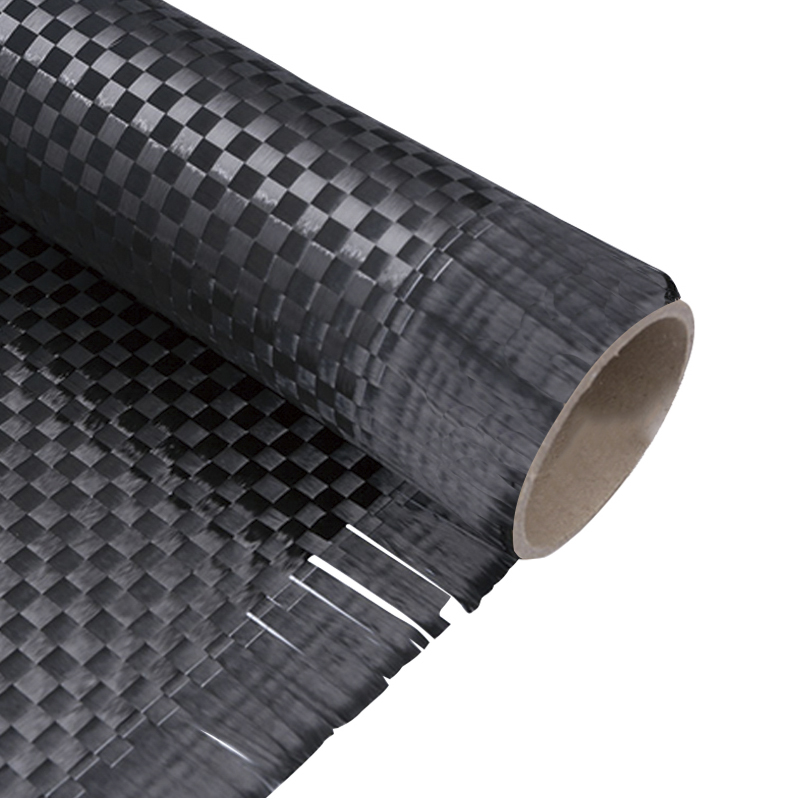
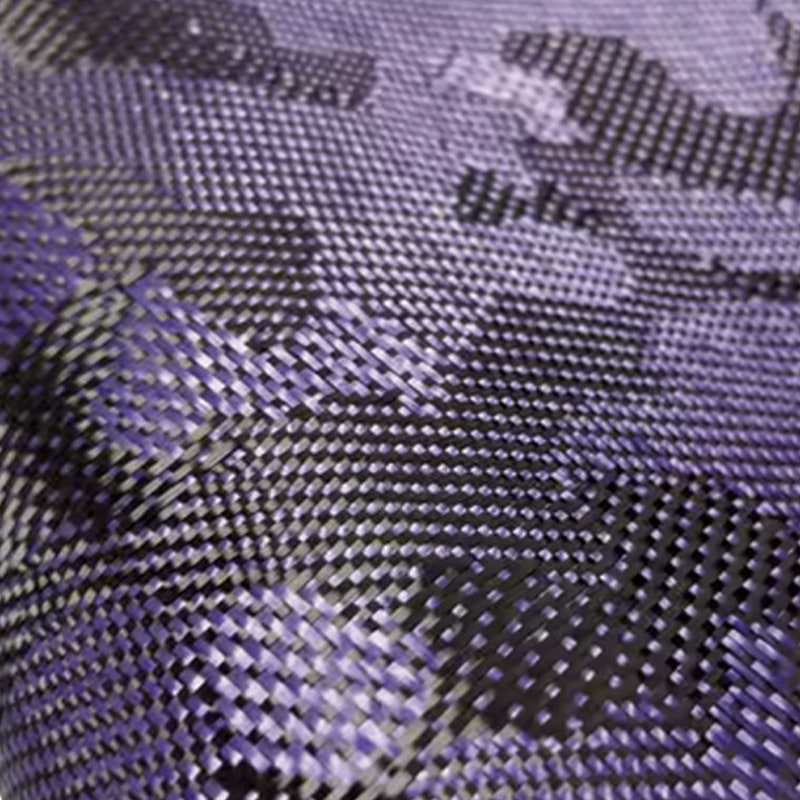
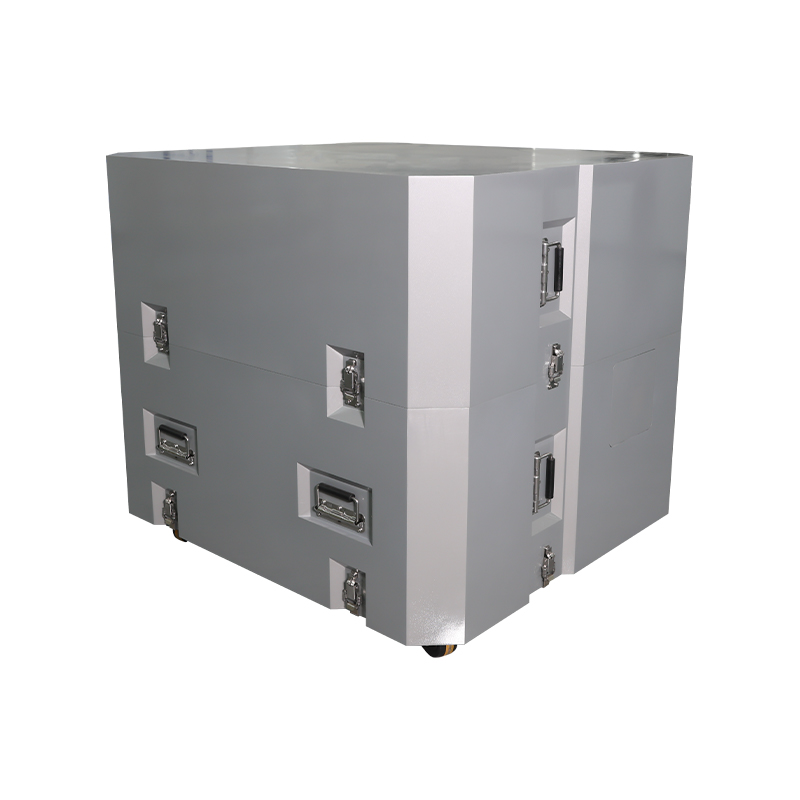
Woven Carbon Fiber Fabric
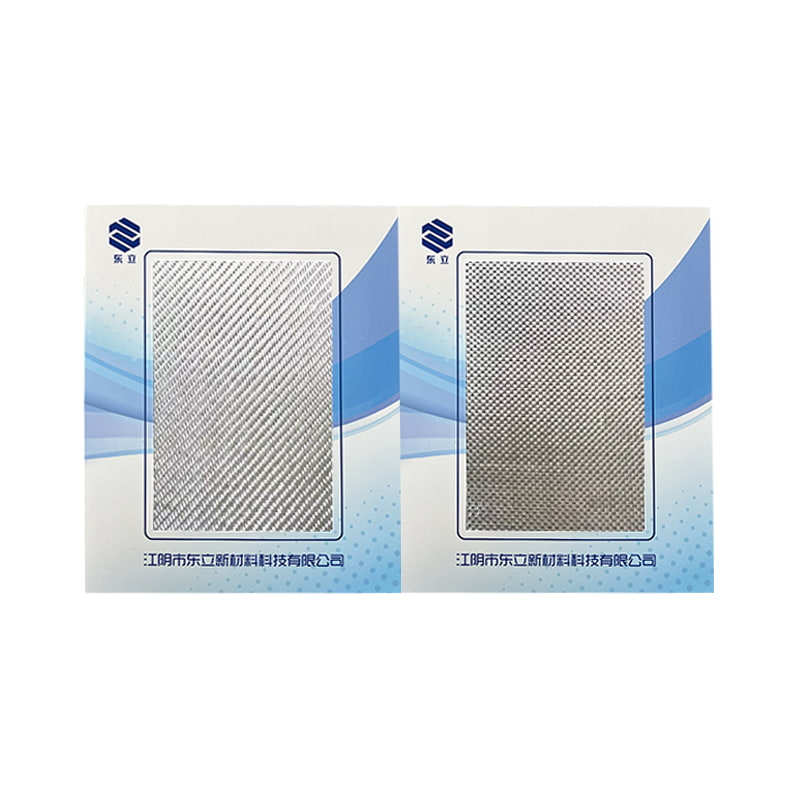
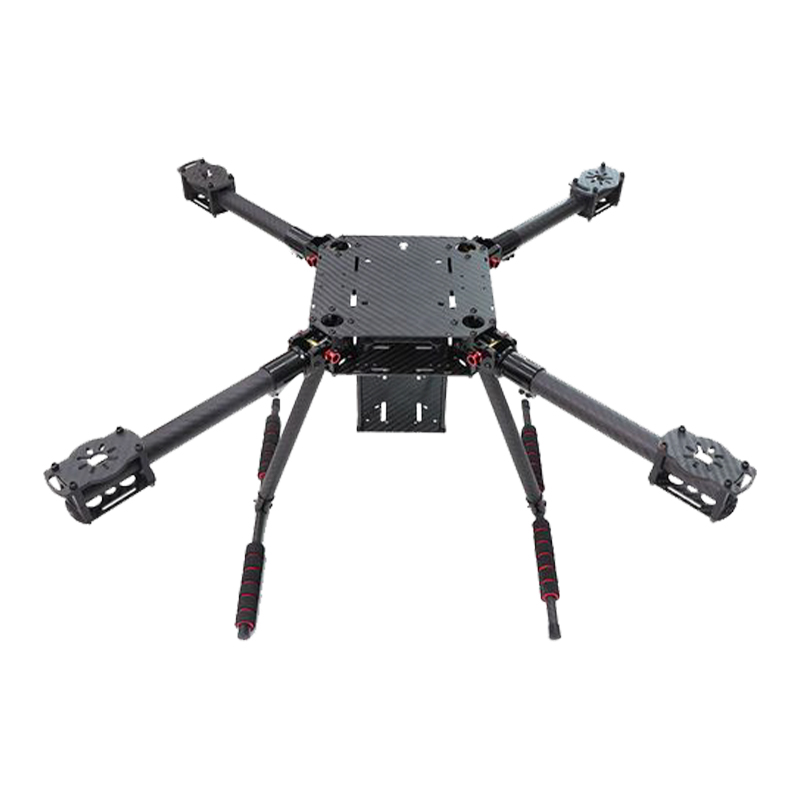
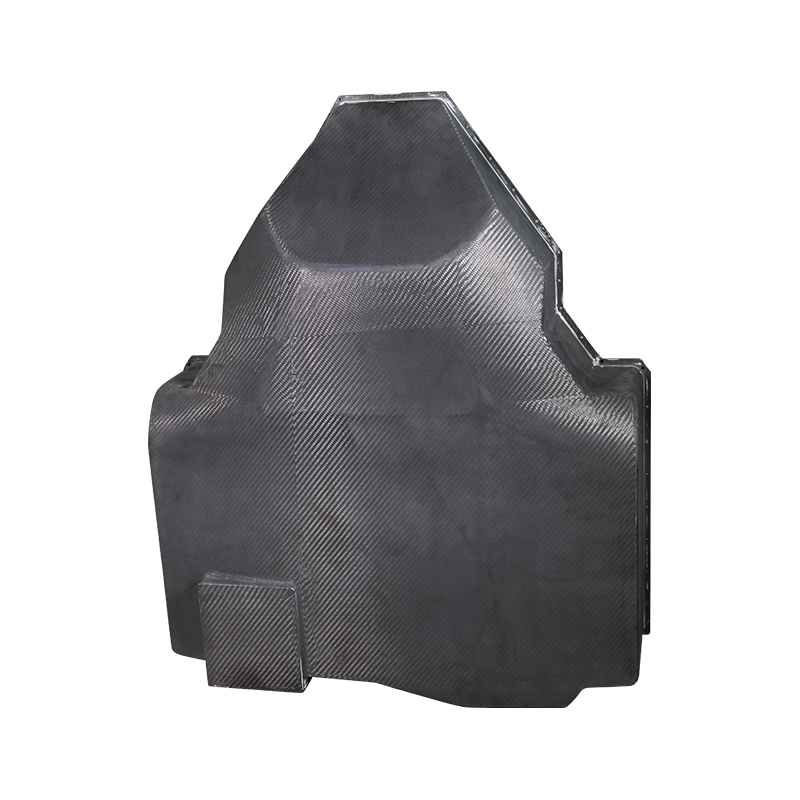
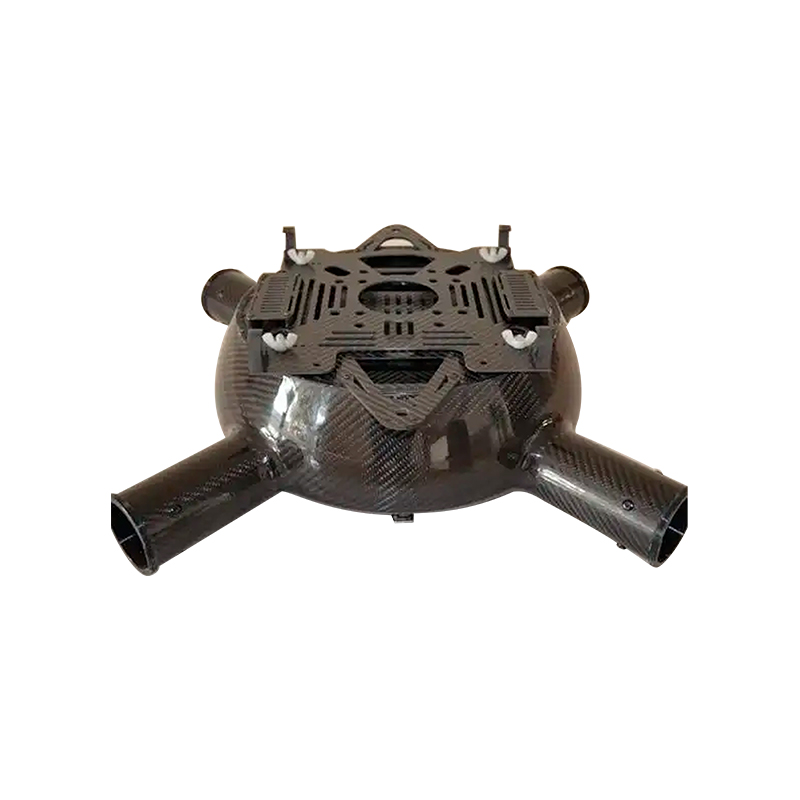
Woven Carbon Fiber Fabric represents the most recognizable and versatile form of carbon fiber reinforcement. Constructed by interlacing warp and weft tows in a repeating pattern, woven fabric provides balanced in-plane properties with excellent dimensional stability. The interlace structure locks fibers in place, preventing distortion during handling and layup. Available in multiple weave styles — plain, twill, and satin — each offering distinct handling characteristics and surface aesthetics. Tow sizes range from 1k to 24k with areal weights from 60 to 1200 g/m². This fabric is compatible with all resin systems and processing methods, making it the universal choice for composite manufacturing.
Weave Style Comparison
Technical Specifications
Key Features
- Balanced 0°/90° mechanical properties
- Excellent dimensional stability during layup
- Wide range of weave styles and weights
- Compatible with all processing methods
- Distinctive woven surface aesthetic
- Proven performance in every industry
Applications
Frequently Asked Questions
Woven fabric has fibers in both 0° and 90° directions providing balanced properties. UD fabric has fibers in a single direction for maximum stiffness in one axis. Choose woven for multi-directional loads and UD for uniaxial loads.
Plain for maximum stability and flat panels. Twill for a premium cosmetic finish and good drape. Satin for complex contours and the smoothest surface finish. Consider your part geometry and surface finish requirements.
Yes. Woven fabric is well-suited for vacuum infusion. The open weave structure allows good resin flow. Use flow media as needed for large panels. Recommended resin viscosity: 80–300 cP.
With vacuum bagging: 50% – 55%. With autoclave or compression molding: 55% – 60%. The weave structure limits maximum Vf compared to UD, but provides better handling and balanced properties.
Store in the original moisture-barrier packaging at 15–28°C and ≤ 60% relative humidity. Shelf life is 18 months from the date of manufacture. Avoid direct sunlight, UV light, and ozone sources.
 +86-13961668677
 No. 61, Xingyuan Road, Jiefang Village, Gushan Town, Jiangyin City, Jiangsu Province, China.