 Get In Touch
 English
 中文简体
 عربى
 Tiếng Việt

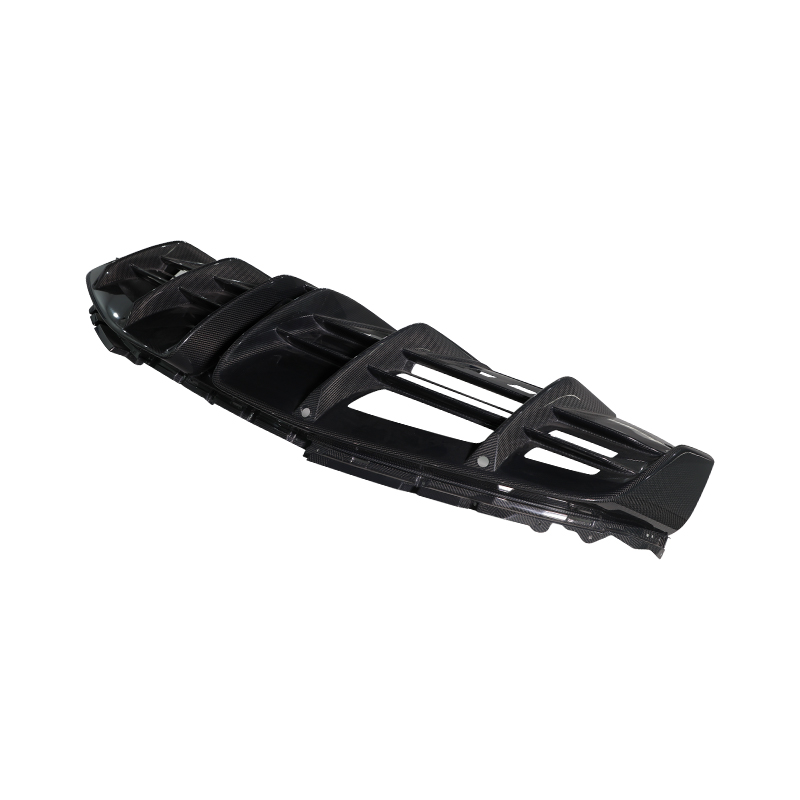
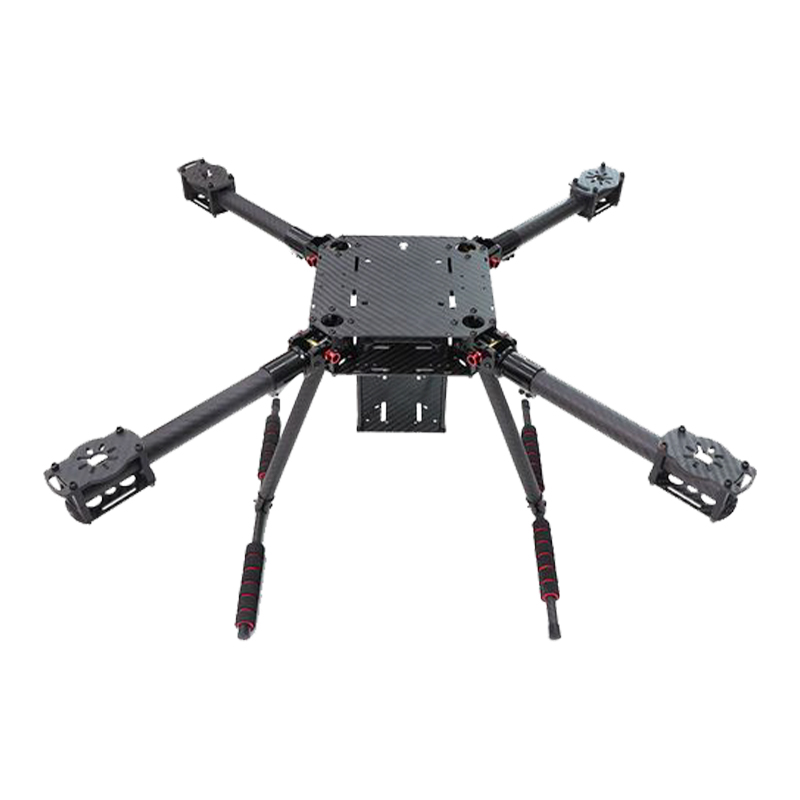
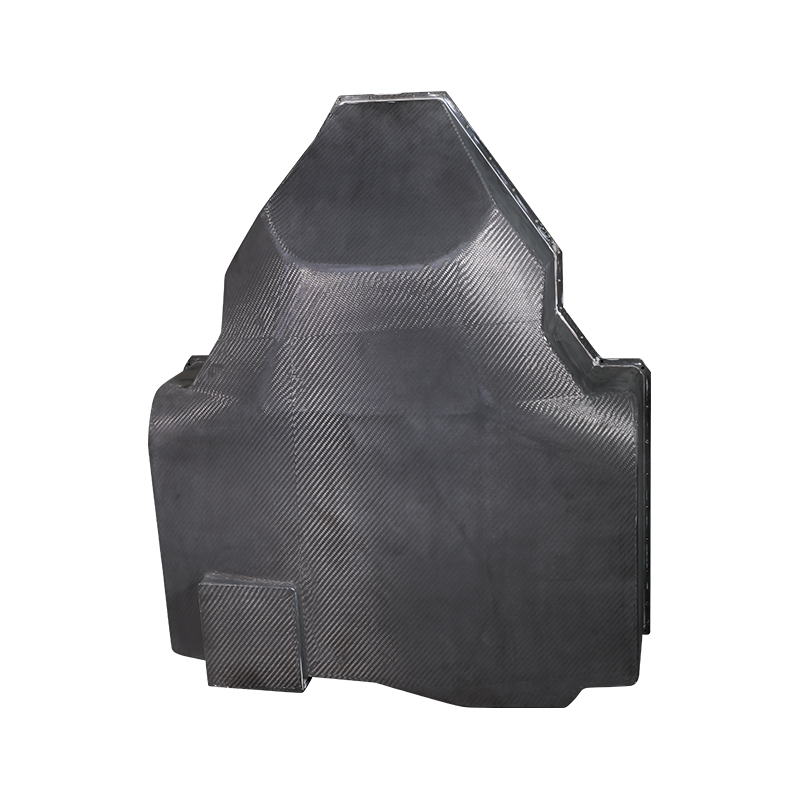
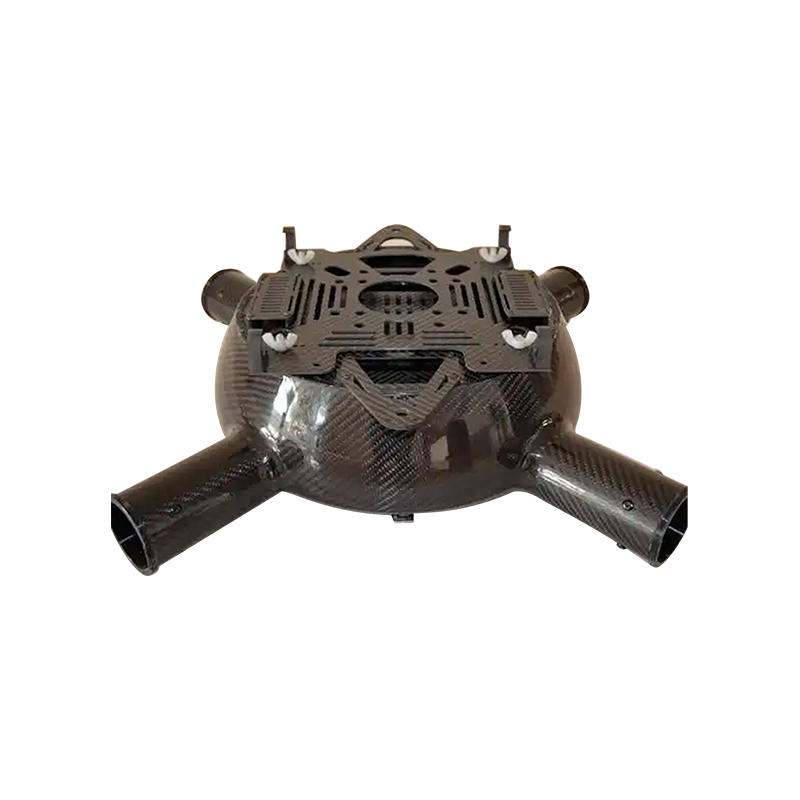
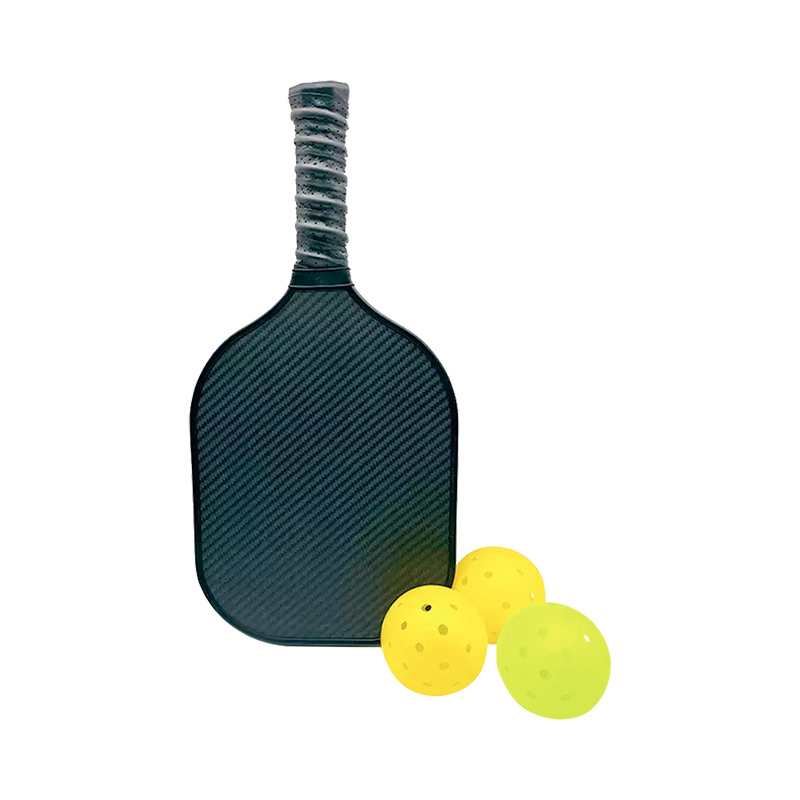
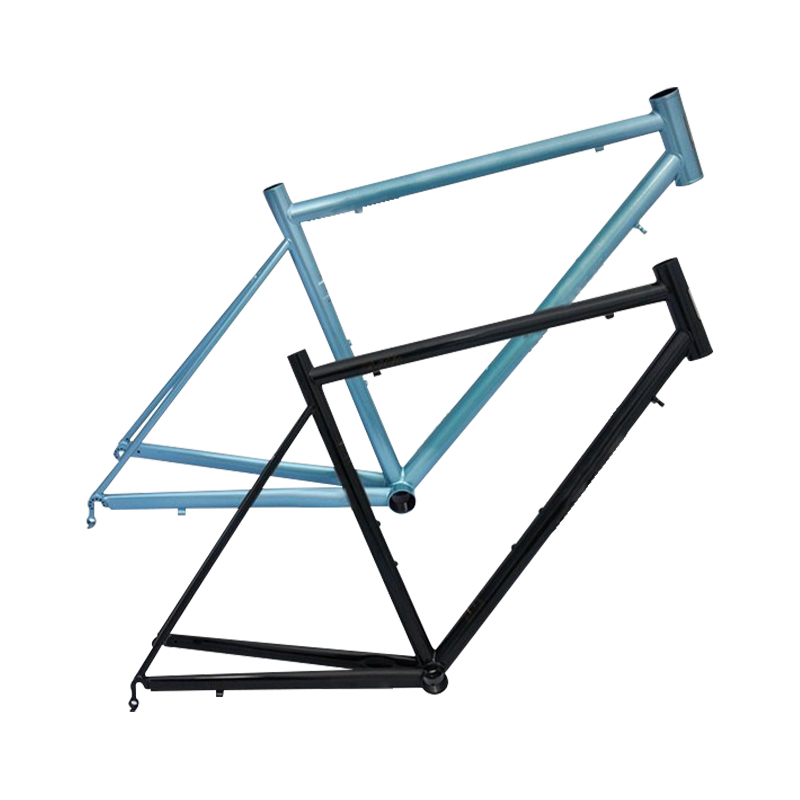
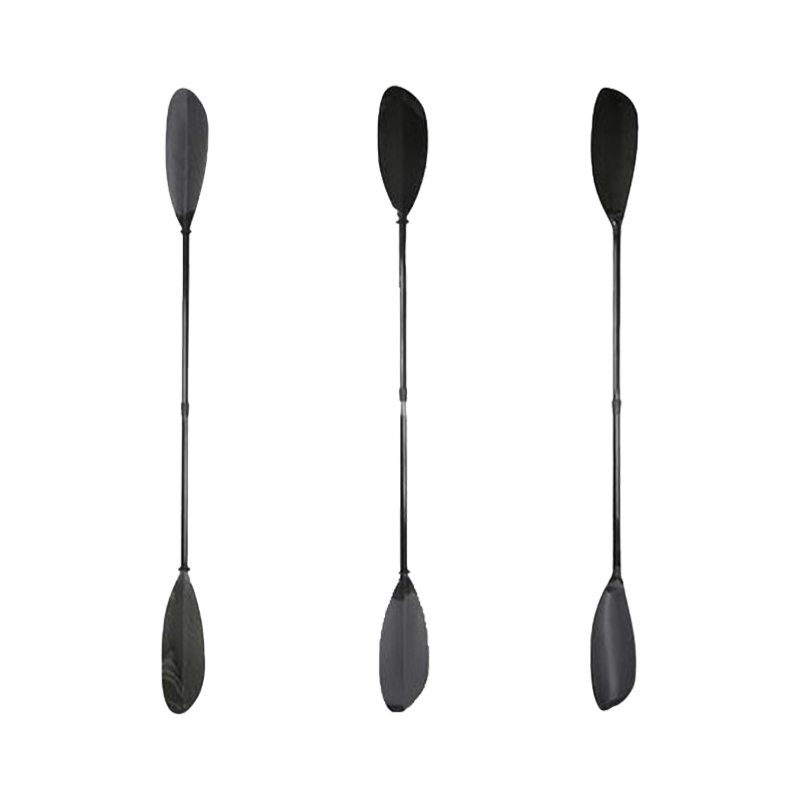
240gsm Carbon Fiber Fabric
240gsm Carbon Fiber Fabric is a carbon fiber reinforcement textile with a nominal areal weight of 240 grams per square meter. It is used in resin-based composite manufacturing where fabric weight, fiber orientation, and reinforcement construction need to be defined according to component design and production requirements.
This fabric weight can be considered for composite panels, molded components, equipment housings, marine parts, automotive components, and other engineered composite products. The actual mechanical performance of the finished laminate depends on the carbon fiber grade, yarn arrangement, weave structure, resin system, curing conditions, and fiber volume fraction.
Nominal dry fabric areal weight
What Defines a 240gsm Carbon Fiber Fabric?
The 240gsm designation identifies the nominal mass of dry carbon fiber fabric per square meter. It is an important material specification for calculating reinforcement consumption, planning laminate layers, and comparing fabric options.
Fabric Weight Is Not the Same as Composite Weight
The 240gsm value refers to the dry reinforcement textile before resin impregnation. Once the fabric is combined with resin, the finished laminate weight also includes the resin content and any additional materials used in the manufacturing process.
For procurement and production planning, buyers should distinguish between dry fabric weight, resin uptake, cured laminate thickness, and finished composite weight.
Dry Fabric Consumption Reference
Illustrative calculations based on nominal 240gsm fabric weight.
Calculated values exclude cutting waste, overlaps, packaging, and resin. Actual purchasing quantities should include the material allowance required by the production plan.
Fabric Structure and Fiber Arrangement
Areal weight alone does not define the fabric architecture. The weave pattern, warp and weft arrangement, and carbon fiber specifications should be confirmed separately.
Plain Weave
A regular over-and-under interlacing structure in which warp and weft yarns cross alternately. This construction provides a balanced woven arrangement and is commonly considered for flat or moderately shaped composite parts.
REGULAR INTERLACINGTwill Weave
A diagonal interlacing pattern that can provide greater drapability than some plain weave constructions. It may be useful for composite components with curved surfaces or more complex molding geometries.
DIAGONAL WEAVE PATTERNUnidirectional Construction
Reinforcing fibers are primarily aligned along one main direction. This arrangement is used where the composite design requires concentrated reinforcement along a specified load path.
PRIMARY FIBER DIRECTIONThe availability of each construction at 240gsm depends on the manufacturer's production range. Confirm fiber type, yarn specifications, fabric tolerance, and weave pattern before ordering.
Key Material Properties for Technical Evaluation
A 240gsm carbon fiber fabric should be evaluated through its complete specification rather than nominal weight alone. These parameters help determine whether the material is appropriate for a particular composite process.
Nominal fabric areal weight
Carbon fiber grade and associated mechanical properties.
Plain weave, twill weave, unidirectional, or other specified arrangement.
Warp and weft tow size, filament count, and yarn distribution.
Fiber tensile strength and modulus based on the relevant material data.
Roll width, length, and dimensional tolerances.
Suitability for the specified resin chemistry and impregnation process.
Why mechanical data must be checked separately
Two carbon fiber fabrics with the same 240gsm weight may have different tensile properties because of differences in fiber grade, tow size, weave construction, and yarn density. The fabric's dry weight cannot be used as a substitute for tensile strength or modulus data.
How 240gsm Carbon Fiber Fabric Fits into Composite Manufacturing
Fabric selection and processing conditions influence the consistency of the finished composite. The following production considerations should be reviewed before starting a new material application.
Material Verification
Check the fabric weight, roll condition, fiber alignment, width, and construction against the purchase specification.
Cutting and Layer Arrangement
Cut the reinforcement to the required dimensions and position each layer according to the laminate design.
Resin Integration
Apply or introduce the compatible resin using the selected wet layup, infusion, or other suitable process.
Molding and Curing
Consolidate the laminate and cure it under the conditions specified for the resin and component design.
Resin viscosity, wet-out, air removal, layer orientation, consolidation pressure, and curing conditions should be controlled according to the selected composite manufacturing system.
Applications Across Composite Product Manufacturing
240gsm carbon fiber fabric can be evaluated for different composite applications where its construction and mechanical properties meet the component requirements.
Lightweight Structural and Functional Parts
The fabric can be incorporated into selected composite laminates to provide fiber reinforcement while allowing manufacturers to define the layer arrangement and resin content.
Selected body panels, interior parts, covers, and composite structural components.
Composite panels, equipment covers, hull-related components, and selected marine structures.
Composite equipment parts where controlled fiber reinforcement is specified.
Machine housings, protective covers, lightweight panels, and engineered composite parts.
Selected components where the fiber grade, material qualification, and manufacturing process satisfy applicable aerospace requirements.
Composite reinforcement systems where fabric properties and resin compatibility meet the engineering specification.
Comparing 200gsm, 240gsm, and 300gsm Carbon Fiber Fabric
Buyers often compare adjacent fabric weights when balancing reinforcement consumption, layer planning, and component design. The following comparison focuses on nominal dry fabric mass.
Lower nominal areal weight
Specified fabric weight
Higher nominal areal weight
May be selected when a lower dry reinforcement mass per layer is specified.
Provides a nominal dry fabric mass of 240 grams per square meter for laminate calculations.
May be considered when a different reinforcement mass per layer is required by the design.
A higher GSM value does not automatically mean higher tensile strength or better composite performance. Fiber grade, fiber orientation, weave structure, resin content, and laminate design remain essential evaluation factors.
Purchasing Specifications for 240gsm Carbon Fiber Fabric
A complete inquiry should define the material, fabric construction, dimensions, and intended application. This helps reduce specification gaps during quotation and sample evaluation.
240gsm nominal areal weight and acceptable tolerance.
Required fiber type and mechanical property data.
Plain, twill, unidirectional, or specified fabric architecture.
Fabric width, roll length, and dimensional requirements.
Resin type and intended composite processing method.
Estimated area, roll quantity, and expected purchasing frequency.
Technical data sheets, test reports, and batch information as required.
Packaging, labeling, destination, and delivery schedule.
Sample Evaluation Before Bulk Purchasing
For new composite applications, buyers should consider checking sample fabric for weight consistency, weave appearance, handling characteristics, and compatibility with the intended resin and manufacturing process.
Frequently Asked Questions
Answers to common questions about 240gsm carbon fiber fabric specifications, processing, and material selection.
Q1 What does 240gsm mean for carbon fiber fabric?
240gsm means the dry carbon fiber fabric has a nominal areal weight of 240 grams per square meter. It is a measurement of fabric mass per unit area, not the weight of the finished resin-impregnated composite.
Q2 How much does a 10-square-meter roll section of 240gsm fabric weigh?
Based on the nominal weight, 10 square meters of 240gsm carbon fiber fabric weighs approximately 2.4 kilograms before resin impregnation. Actual material calculations should also account for cutting waste and production allowances.
Q3 Is 240gsm carbon fiber fabric available in plain and twill weave?
Plain and twill weave are possible carbon fiber fabric constructions, but availability at 240gsm depends on the manufacturer's product range. Confirm the required weave pattern, fiber grade, and yarn specifications when requesting a quotation.
Q4 Can 240gsm carbon fiber fabric be used with epoxy resin?
Carbon fiber fabric is commonly incorporated into epoxy-based composite systems. The selected resin should have suitable viscosity, wet-out behavior, curing characteristics, and compatibility with the intended production process.
Q5 Does 240gsm carbon fiber fabric have higher strength than 200gsm fabric?
Not necessarily. GSM indicates fabric weight rather than tensile strength. Mechanical performance depends on the carbon fiber grade, tow specifications, weave architecture, fiber direction, and the finished laminate design. Technical data should be compared before material selection.
Q6 What is the difference between 240gsm woven and unidirectional carbon fiber fabric?
Woven fabric contains interlaced warp and weft yarns, while unidirectional fabric concentrates most reinforcing fibers along one primary direction. Both can have a nominal weight of 240gsm, but their reinforcement behavior and suitable applications differ.
Q7 What information should be provided when requesting a quotation?
Provide the required fabric weight, carbon fiber grade, weave pattern, fabric width, roll length, order quantity, and intended application. Resin system, technical documentation, packaging, and delivery requirements should also be included where applicable.
Q8 How should 240gsm carbon fiber fabric be stored before use?
Keep the fabric in its original packaging in a clean, dry storage area. Avoid moisture, dust, chemical contamination, and mechanical damage. Follow the supplier's storage instructions and inspect the roll condition before production.
Source 240gsm Carbon Fiber Fabric for Your Production Requirements
Specify the required fiber grade, weave construction, fabric width, roll length, and order quantity to support material evaluation and purchasing coordination.
 +86-13961668677

 No. 61, Xingyuan Road, Jiefang Village, Gushan Town, Jiangyin City, Jiangsu Province, China.
