 Get In Touch
 English
  中文简体
中文简体 عربى
عربى Tiếng Việt
Bidirectional Carbon Fiber Fabric
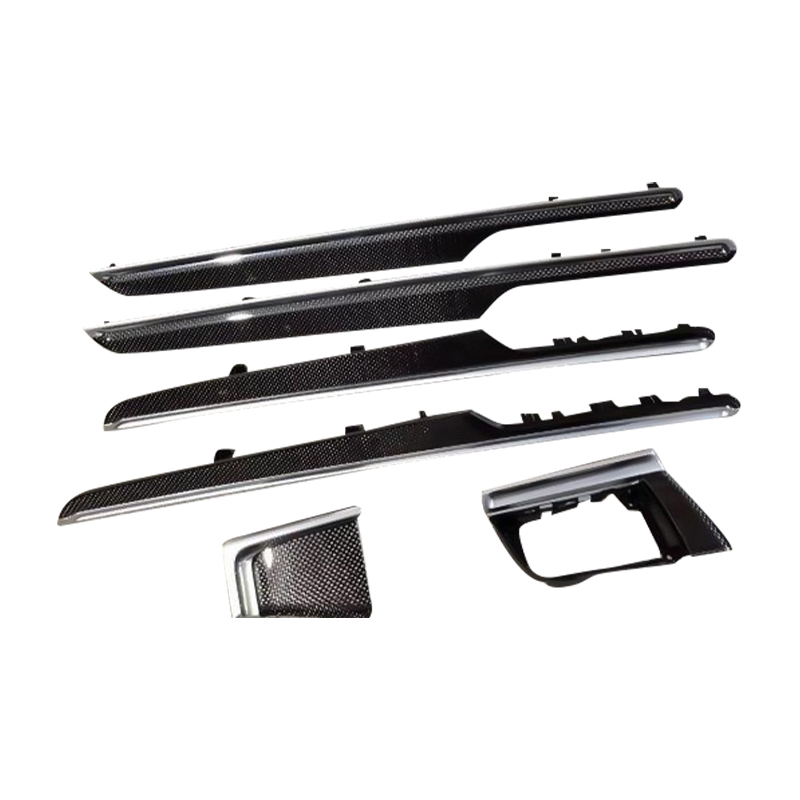
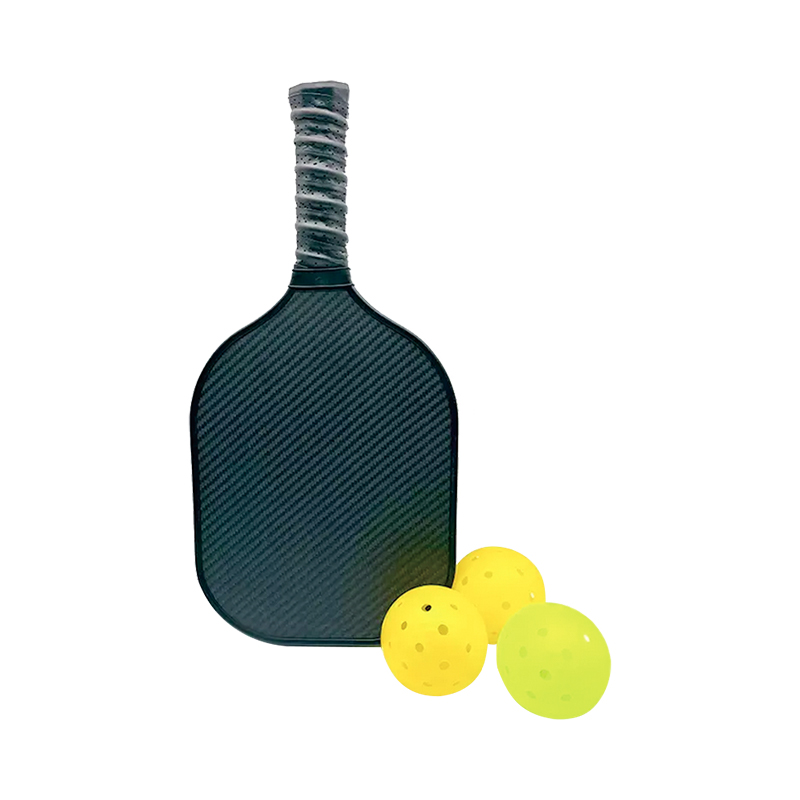
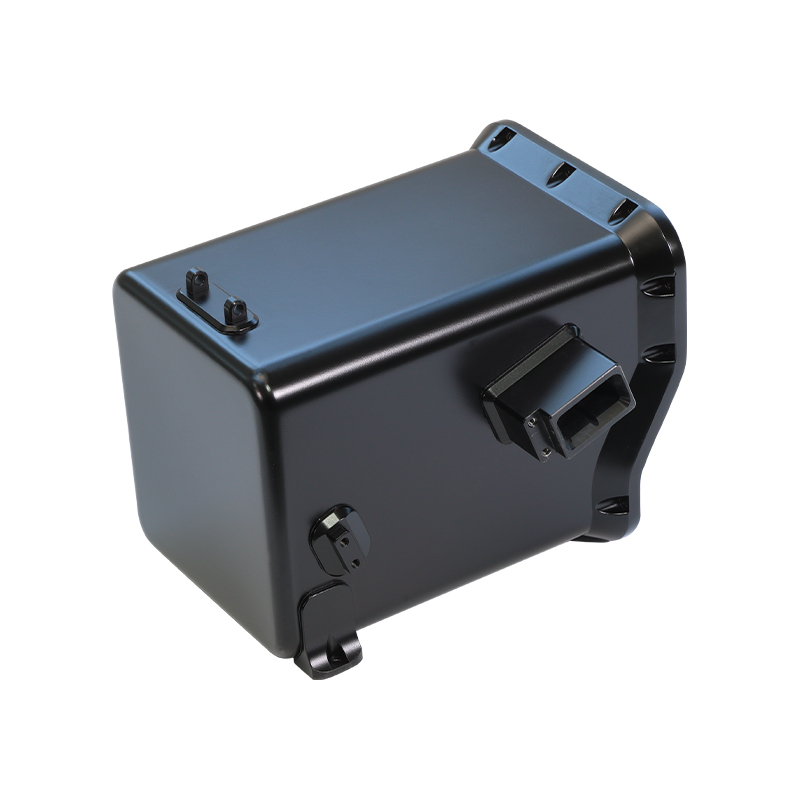
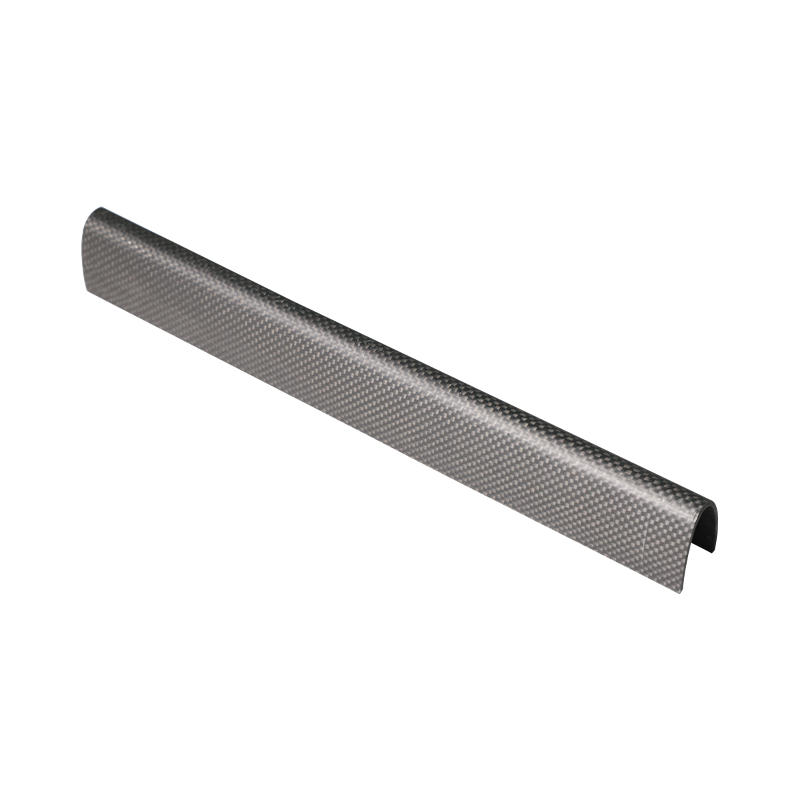
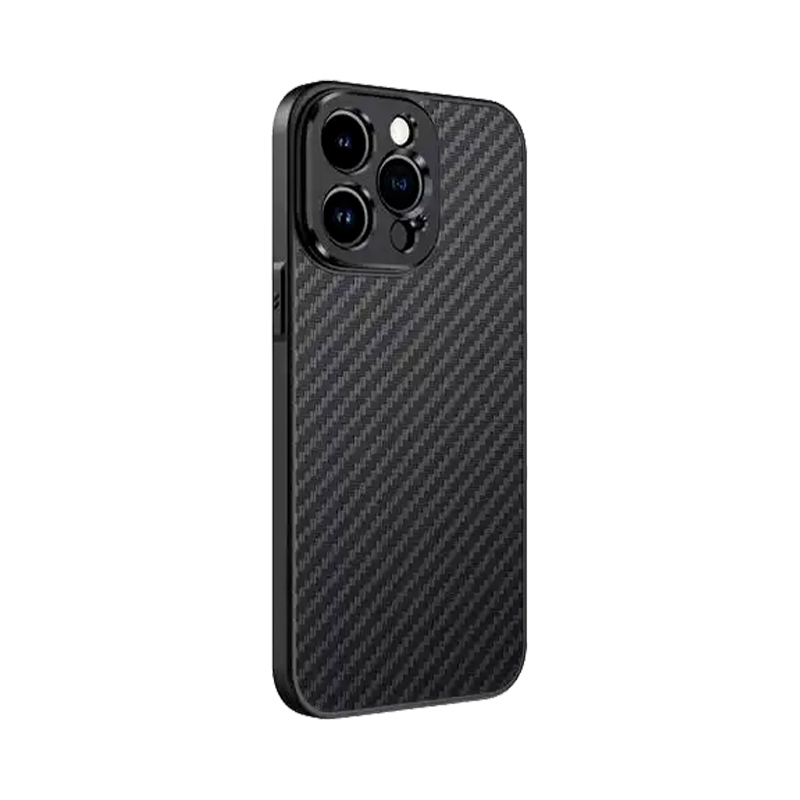
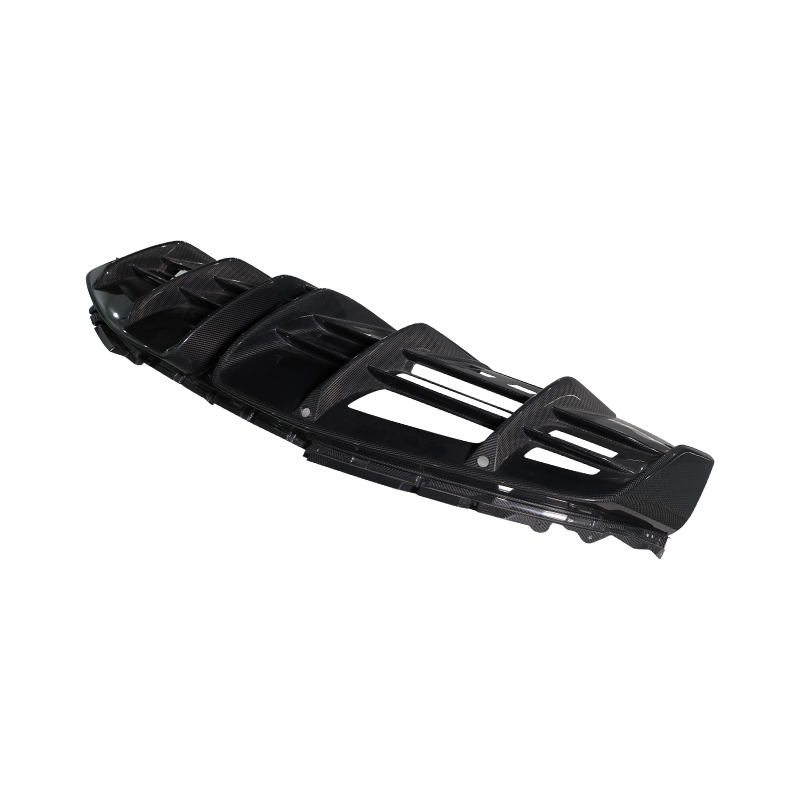
Bidirectional Carbon Fiber Fabric features a balanced 0°/90° weave architecture where equal fiber volume is oriented in both principal directions. This symmetric construction provides near-isotropic in-plane stiffness and strength, eliminating the need for complex ply stacking sequences in many applications. The fabric is available in plain, twill, and satin weaves with tow sizes from 3k to 12k and areal weights ranging from 160 to 800 g/m². The balanced fiber distribution ensures consistent mechanical response regardless of load direction, making it suitable for panels, enclosures, and structural skins where multi-directional loading is anticipated. The symmetric architecture simplifies design and analysis, reduces layup errors, and provides uniform thermal expansion behavior.
Balanced Mechanical Properties
Bidirectional Advantages
- Eliminates ply orientation errors during layup
- Reduces design and analysis complexity for symmetric laminates
- Provides uniform thermal expansion behavior in all in-plane directions
- Simplifies quality control with symmetrical weave inspection
- Minimizes warpage during cure due to balanced shrinkage
Specification Summary
Layup & Design Tips
Frequently Asked Questions
Near-isotropic in-plane; for true quasi-isotropic, add ±45° plies or use multi-axial fabric. Bidirectional cloth alone provides balanced 0°/90° properties but lacks ±45° shear capability.
Yes. Rotating the cloth by 45° creates a ±45° bias layup for shear-dominated applications. This is common in aerospace and automotive applications where shear stiffness is critical.
With vacuum bagging: 50% – 55%. With compression molding or autoclave: 55% – 60%. The balanced weave allows consistent compaction without fiber distortion.
Bidirectional fabric provides balanced properties in both 0° and 90° directions, eliminating the need for cross-plying. Unidirectional fabric provides maximum stiffness in one direction but requires additional plies for multi-directional loads.
 +86-13961668677
 No. 61, Xingyuan Road, Jiefang Village, Gushan Town, Jiangyin City, Jiangsu Province, China.