 Get In Touch
 English
  中文简体
中文简体 عربى
عربى Tiếng Việt
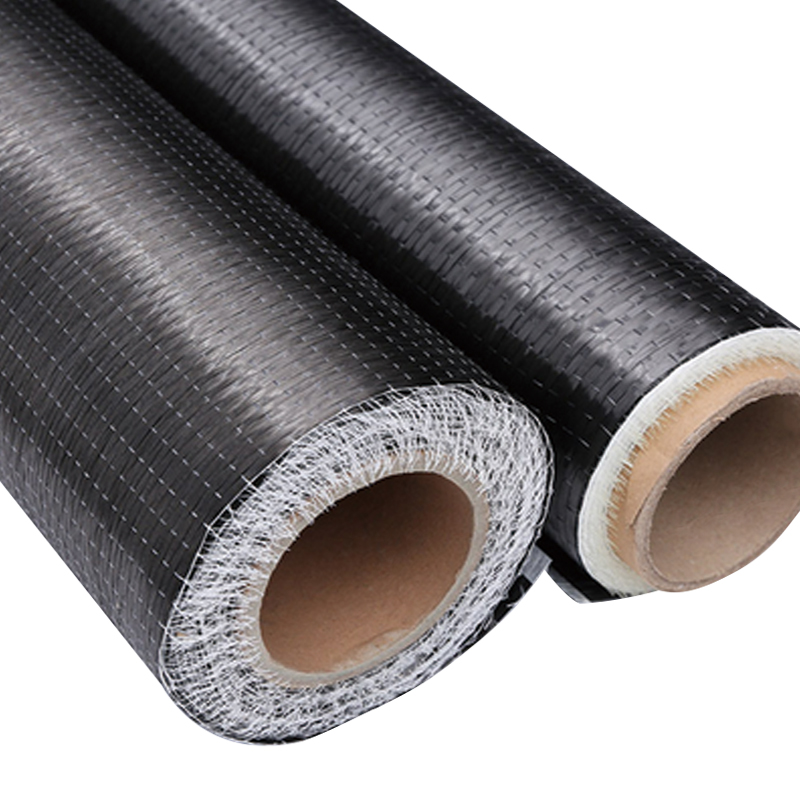
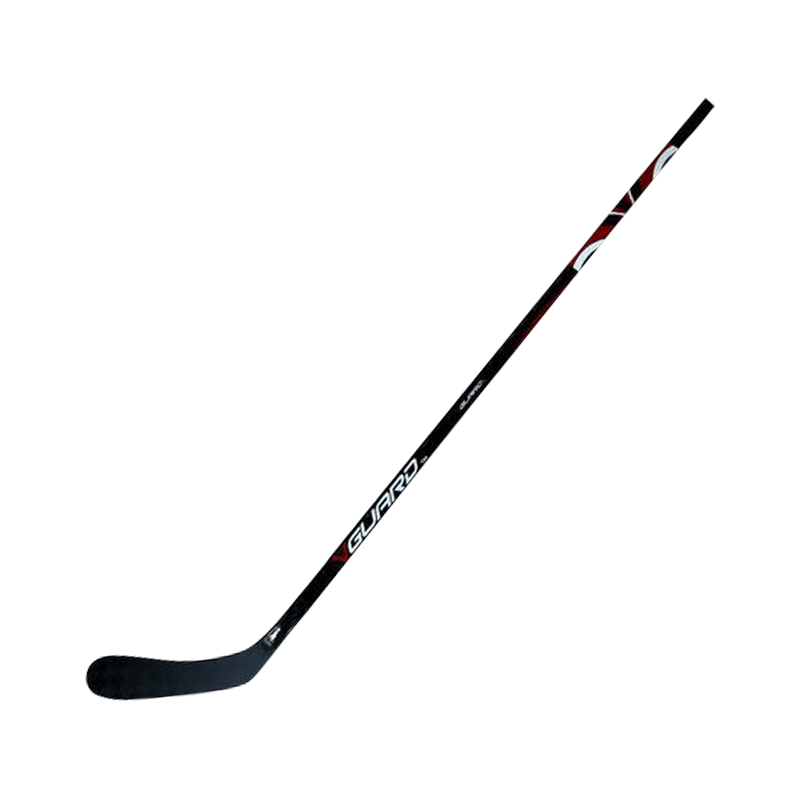
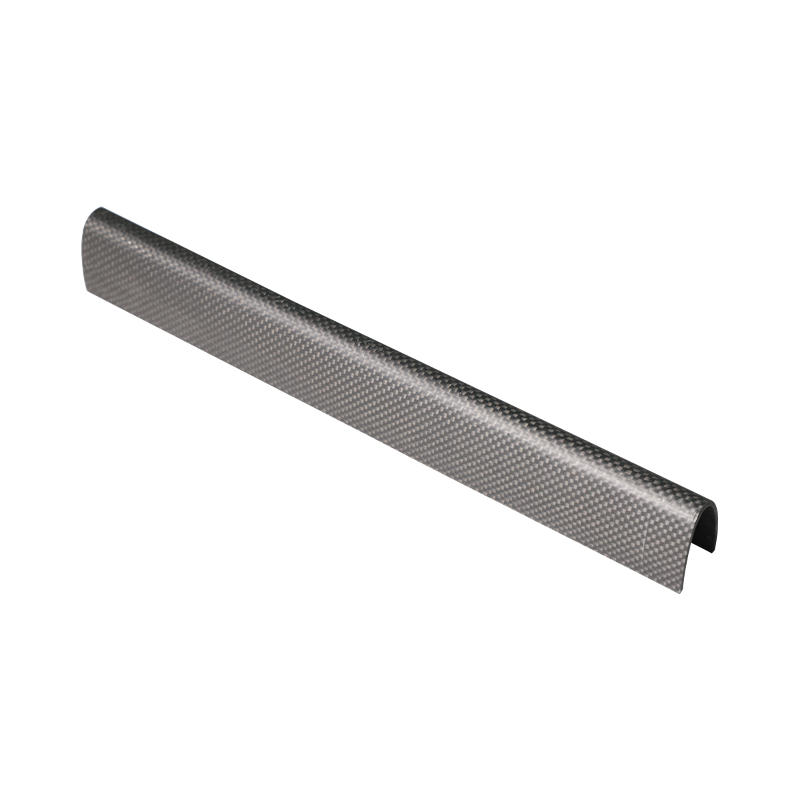
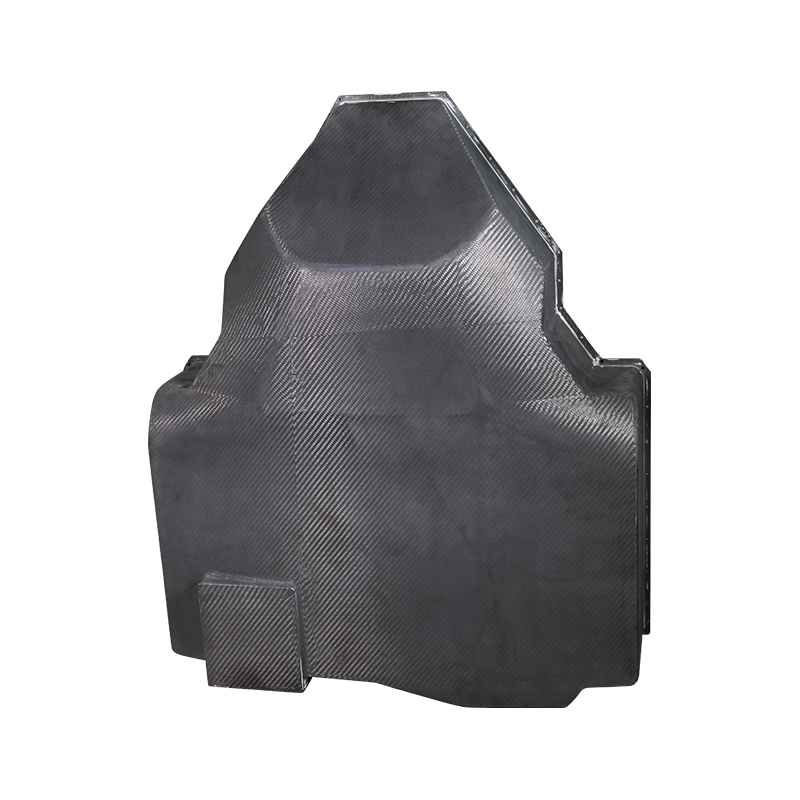
Unidirectional Carbon Fiber Fabric
Unidirectional Carbon Fiber Fabric consists of carbon fiber tows oriented in a single direction (0°) with minimal transverse reinforcement, providing exceptional stiffness and strength along the primary load axis. The fabric is stabilized with a lightweight binder or a fine cross-weave that holds the tows in position without compromising mechanical properties. This architecture delivers the highest possible fiber volume fraction and modulus in the load direction, making it ideal for applications where load is primarily in one axis. Available in areal weights from 100 to 1200 g/m², with tow sizes from 3k to 24k. The fabric is compatible with epoxy, vinyl ester, and polyester resin systems.
Mechanical Properties (0° Direction)
Technical Specifications
Primary Applications
Unidirectional Advantages
- Maximum specific stiffness in the primary load direction
- Highest achievable fiber volume fraction (≥ 62%)
- Minimal fiber crimp for superior stress transfer
- Reduces ply count for thick laminates
- Optimized for pultrusion and filament winding
Frequently Asked Questions
Unidirectional fabric has 95%+ of fibers oriented in a single direction (0°). Woven fabric has fibers in both 0° and 90° directions. UD fabric provides much higher stiffness and strength in the fiber direction but requires cross-plying for multi-axial loads. Woven fabric offers balanced properties but lower stiffness in any one direction.
Yes. UD fabric should be cross-plied with layers oriented at 0°, 90°, and ±45° to create balanced laminates. For uniaxial load applications (e.g., spar caps), all plies can be oriented in the same direction for maximum efficiency.
The binder (thermoplastic powder or cross-weave) holds the fibers in position during handling and layup. It dissolves into the resin during cure and does not affect mechanical properties. The binder content is typically 3% – 6% by weight.
Yes. UD fabric is well-suited for vacuum infusion. However, the tightly packed tows require lower viscosity resins (≤ 200 cP) and slightly lower injection pressure (0.3–0.5 bar) for complete wet-out. Using flow media on both sides of the fabric improves infiltration.
With vacuum bagging: 55% – 58%. With autoclave or compression molding: 60% – 65%. The high fiber alignment allows excellent compaction without fiber distortion, achieving some of the highest Vf values of any carbon fabric form.
 +86-13961668677
 No. 61, Xingyuan Road, Jiefang Village, Gushan Town, Jiangyin City, Jiangsu Province, China.