 Get In Touch
 English
  中文简体
中文简体 عربى
عربى Tiếng Việt
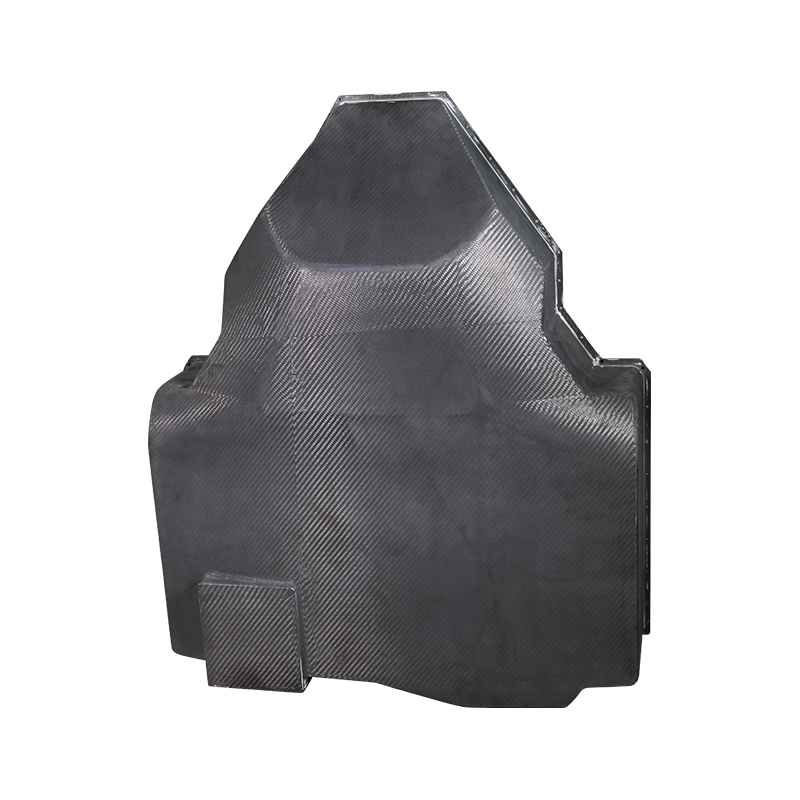
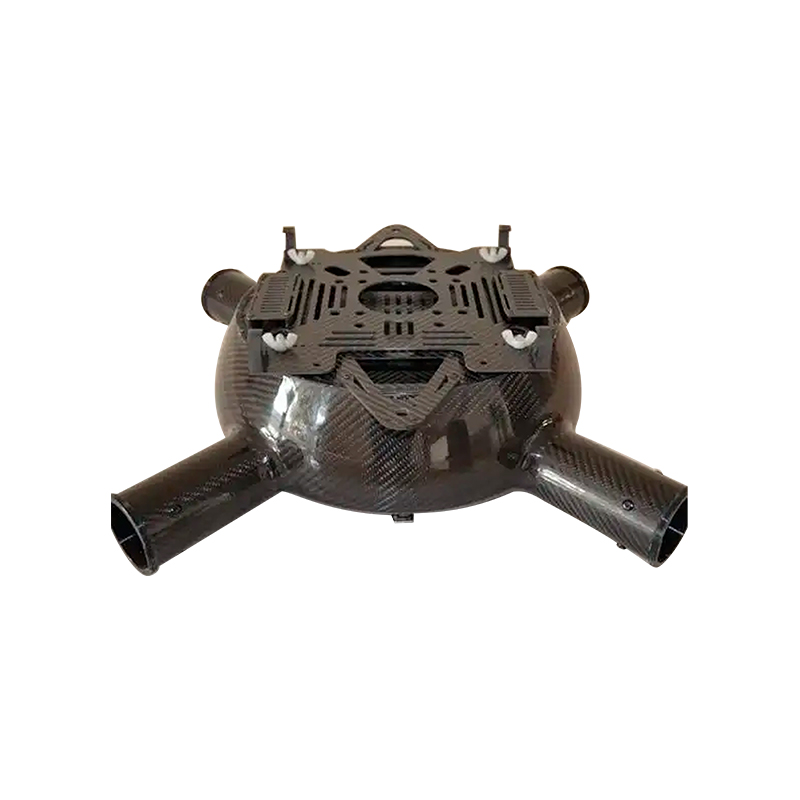
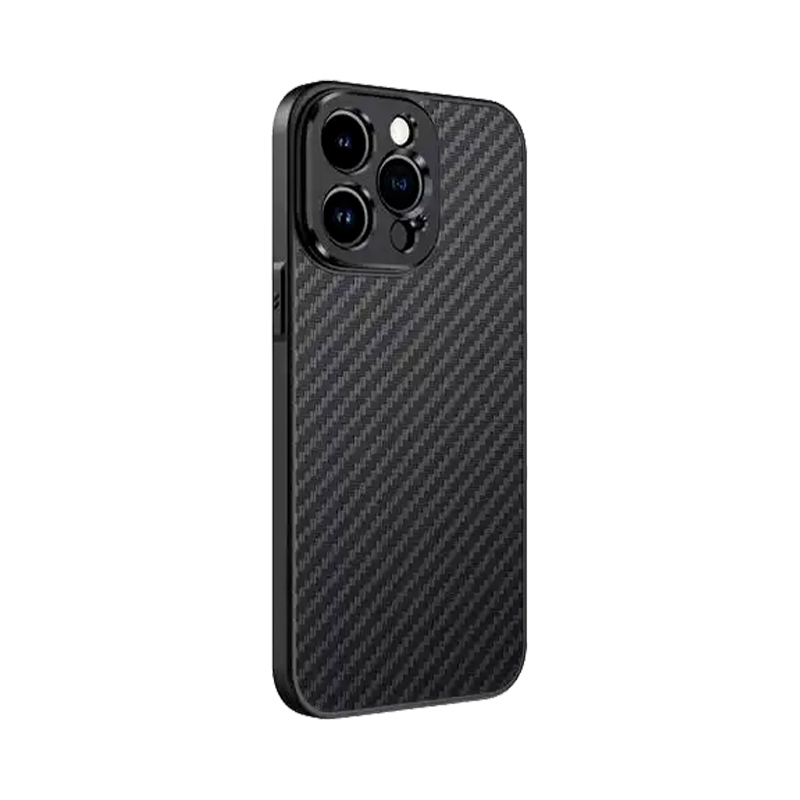
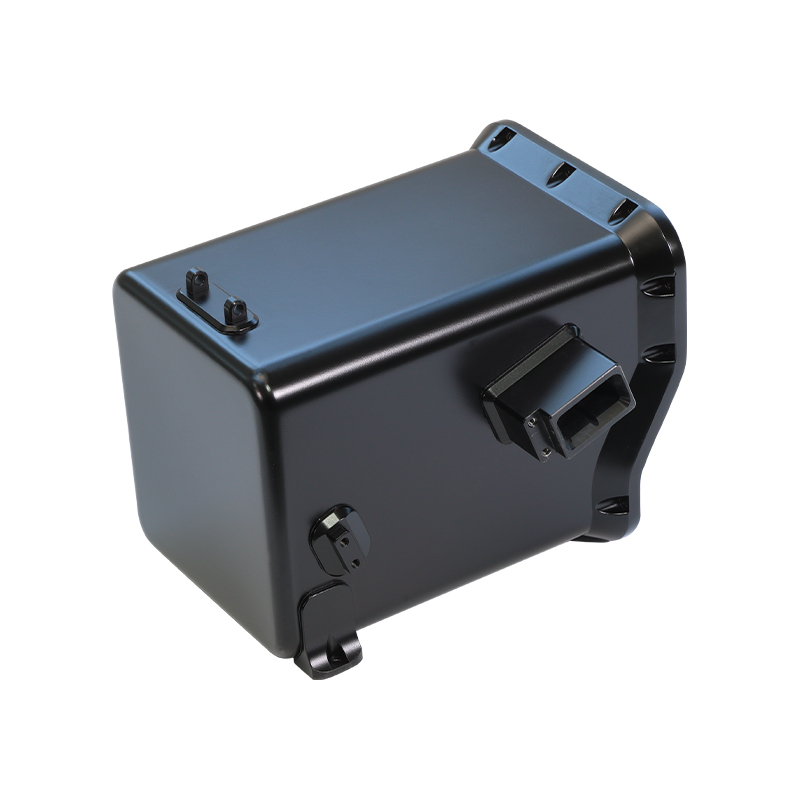
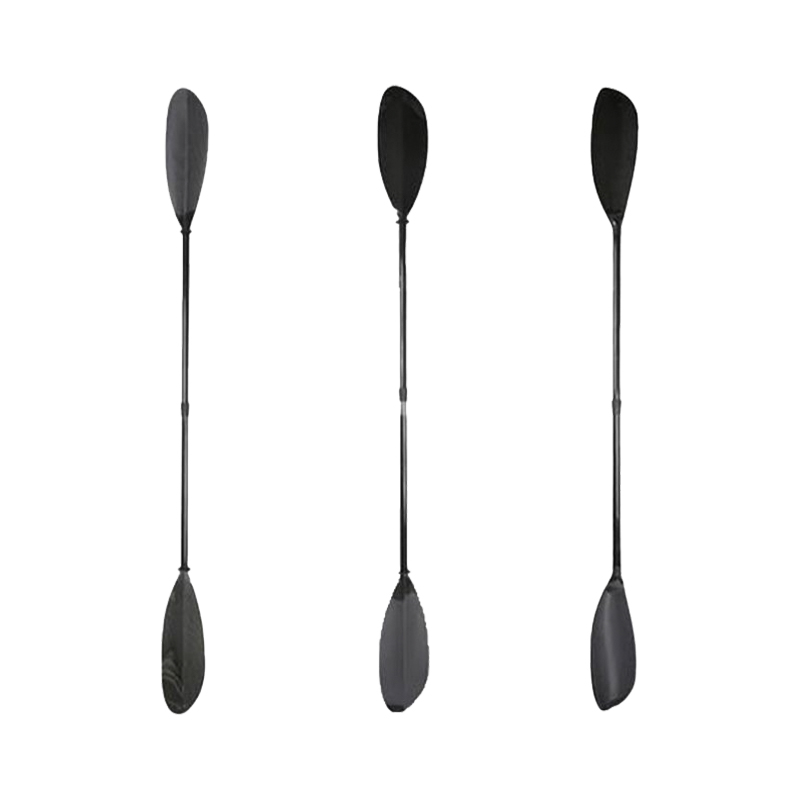
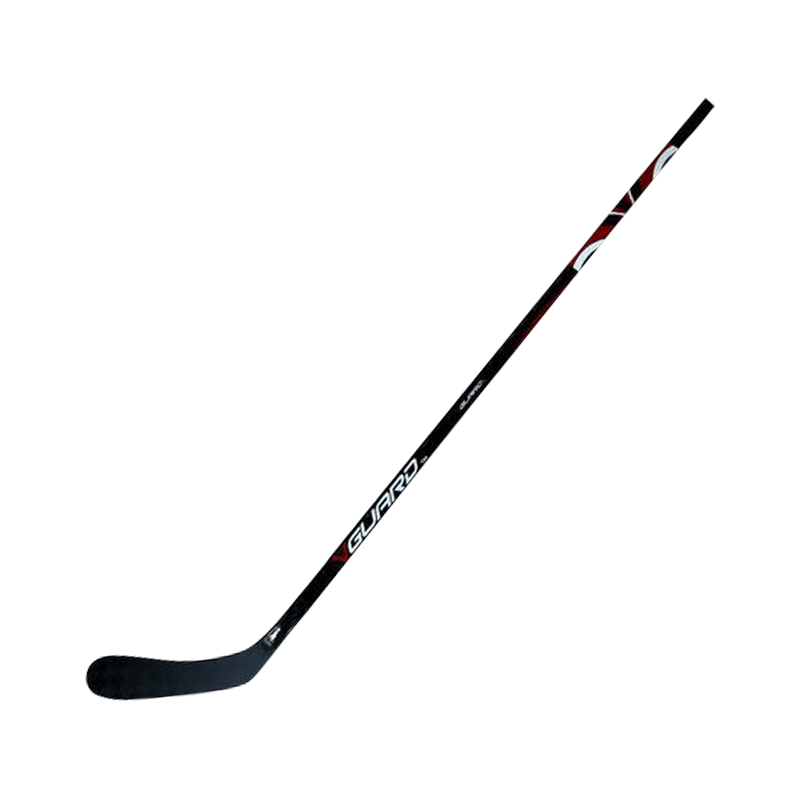
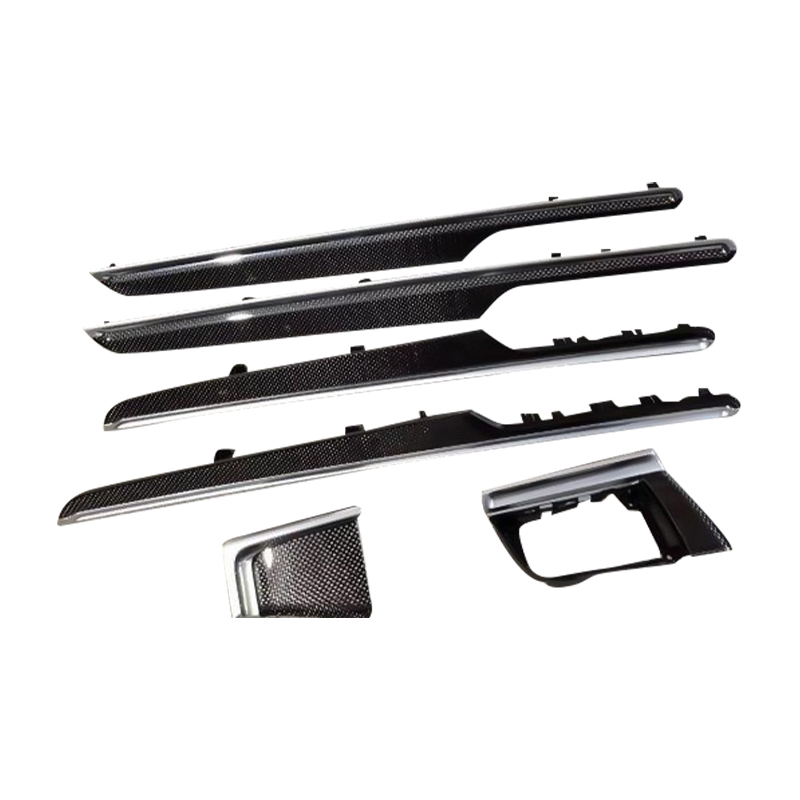
Carbon Kevlar Fabric For Drone Parts
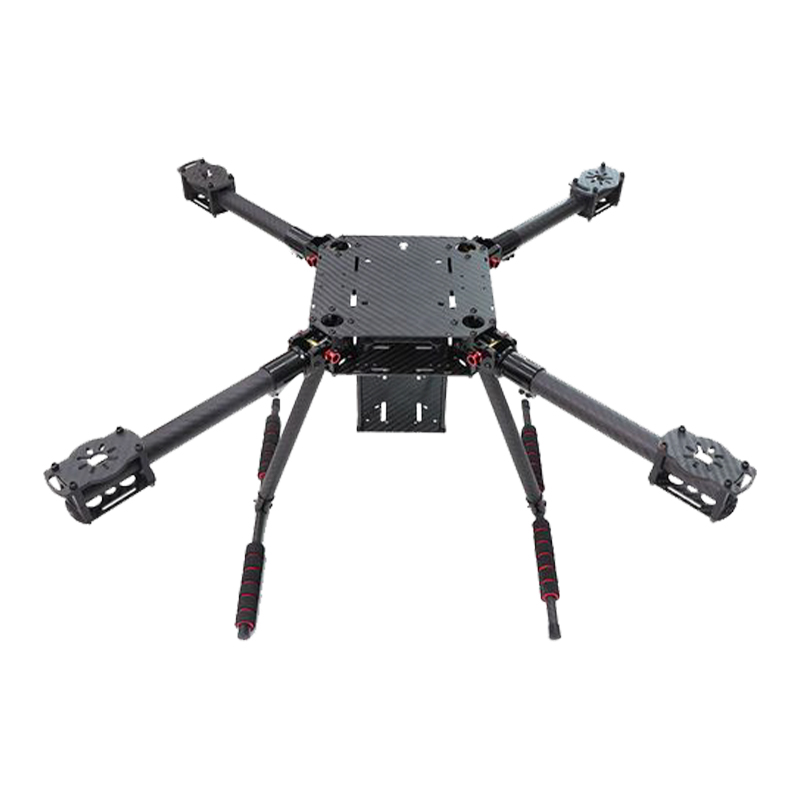
Carbon Kevlar Fabric For Drone Parts is a specialized hybrid reinforcement engineered for the unique demands of unmanned aerial vehicle construction. This fabric combines high-strength carbon fiber (3500–4200 MPa) with Kevlar fiber, delivering exceptional strength-to-weight ratio, impact resistance, and vibration damping. The lightweight construction (160–240 g/m²) minimizes mass while providing structural integrity for airframes, arms, landing gear, and payload bays. Available in 2×2 twill weave with 3k carbon / 1000d Kevlar configurations. Compatible with epoxy and vinyl ester resin systems. This fabric is ideal for racing drones, commercial UAVs, agricultural drones, and lightweight aerial platforms where performance and durability are critical.
Drone-Specific Properties
Technical Specifications
Drone Advantages
- Lightweight — reduces power consumption and extends flight time
- Impact resistant — protects against hard landings and crashes
- Vibration damping — stabilizes electronics and sensors
- High stiffness — improves control precision and maneuverability
- Durable — resists fatigue and environmental damage
- Cosmetic — clear coat ready for professional finish
Drone Components
Frequently Asked Questions
Carbon Kevlar provides the ideal combination of lightweight construction, structural stiffness, and impact resistance for drone applications. The carbon delivers rigidity and control precision, while the Kevlar protects against hard landings and crash impacts without adding significant weight.
160–240 g/m² is recommended for most drone applications. Lighter weights (160 g/m²) are ideal for weight-critical racing drones. Heavier weights (240 g/m²) provide more stiffness and impact resistance for larger commercial UAVs.
Yes. This fabric is excellent for repairing cracked or damaged drone parts. Apply with epoxy resin over the damaged area — the Kevlar provides impact resistance for future flights, and the carbon restores structural integrity.
Yes — positively. The lightweight construction reduces overall mass, extending flight time and improving maneuverability. The stiffness improves control precision, and the vibration damping stabilizes onboard electronics and sensors.
 +86-13961668677
 No. 61, Xingyuan Road, Jiefang Village, Gushan Town, Jiangyin City, Jiangsu Province, China.