Energy Dissipation · Multi-Threat

Carbon Kevlar Fabric For Impact Protection

Dual-fiber architecture engineered to stop projectiles, absorb crash energy, and maintain structural integrity under extreme dynamic loads.

35% Higher energy absorption vs. standard carbon
2x2 Twill weave for balanced drape and stability
200-600 g/m2 · Scalable protection levels
How It Works

Carbon and Kevlar: A Protective Synergy

When a high-velocity impact strikes, the Kevlar fibers elongate and spread the energy laterally across the fabric plane, while the carbon fibers lock the structure in place, preventing perforation. This dual-phase response creates a protective barrier that outperforms single-fiber systems by a measurable margin.

  • Carbon phase: Load bearing · Stiffness · Shape retention
  • Kevlar phase: Energy spreading · Ductility · Abrasion defense
C K C K K C K C

Alternating tow architecture in 2x2 twill weave

Performance Verified

Protection Metrics

650 J Energy absorption per layer (Charpy impact)
15 % Back-face deformation reduction vs. standard carbon
4 layers Recommended for NIJ IIIA ballistic protection
12 g Areal weight per layer (200 g/m2 configuration)
Material Data

Technical Profile

Fiber types 3k Carbon + 1000d Kevlar
Weave pattern 2x2 Twill (impact-optimized)
Fiber ratio 50% carbon / 50% Kevlar
Areal weight range 200 - 600 g/m2
Thickness range 0.26 - 0.80 mm
Tensile strength (carbon) 3500 - 4200 MPa
Tensile strength (Kevlar) 2800 - 3100 MPa
Tensile modulus (carbon) 225 - 240 GPa
Sizing compatibility Epoxy, vinyl ester, polyester
Roll widths 1000, 1270 mm
Roll lengths 25, 50, 100 m
Where It Is Used

Protection Applications

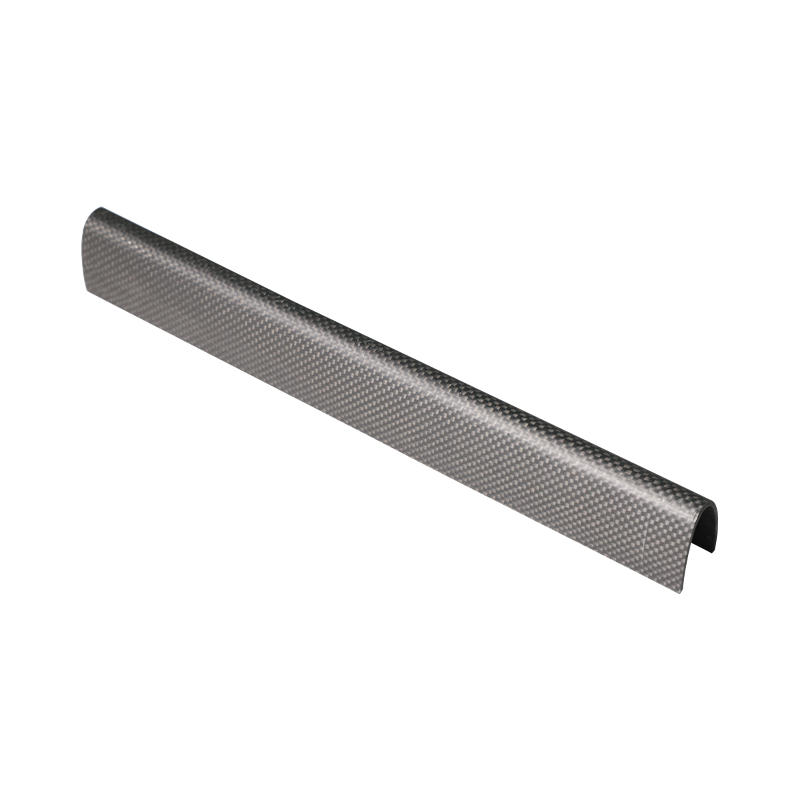
Ballistic armor Personal protection · Vehicle plating · Blast shields
Industrial safety Machine guards · Impact barriers · Drop protection
Automotive Underbody armor · Crash beams · Battery protection
Defense Combat helmets · Vehicle armor · Field fortifications
Q and A

Protection Questions

The Kevlar fibers absorb and dissipate impact energy through fiber deformation and elongation. The carbon fibers provide structural support and prevent complete penetration. The hybrid construction creates a synergistic effect — the Kevlar captures and spreads the impact, while the carbon maintains structural integrity.

Protection level depends on the number of layers and resin system. Lightweight configurations (4-6 layers) can stop fragmentation and low-velocity threats. Heavy configurations (10-20 layers) with toughened epoxy can provide ballistic protection up to NIJ Level IIIA and higher. Consult with ballistic engineers for specific threat levels.

Toughened epoxy systems with high elongation-to-break (greater than 3%) are recommended for maximum impact resistance. These resins allow the Kevlar fibers to elongate and absorb energy without premature failure. For ballistic applications, use specialized ballistic-grade resins.

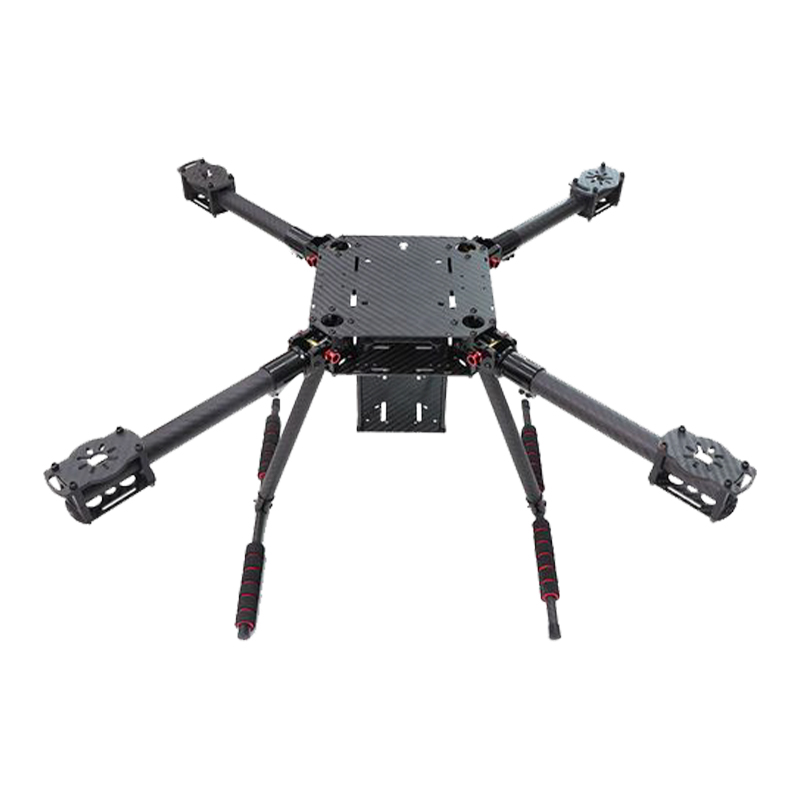
Yes. Lower areal weight configurations (200-300 g/m2) provide lightweight protection against fragmentation and low-velocity impacts. These are ideal for personal protective equipment, UAV protection, and weight-critical armor applications.

✦ Est. 2018 · Jiangyin
Dongli New Materials
⬡ High-performance Fiber Composites · ◈ Precision Engineering · ◉ Global Reach
32,000 ▣ Factory Area (㎡)
7 ◆ Years Experience
10 ◼ Production Lines
24 ◉ Technical Personnel
⬡ Aerospace ◈ Automotive ◉ Sports Equipment ✦ R&D Innovation ◆ Global Partner ◼ Sustainability

◉ Founded 2018

Jiangyin Dongli New Materials Technology Co., Ltd. focuses on the comprehensive development and manufacturing of high-performance fiber composite materials. We are China Carbon Kevlar Fabric For Impact Protection Manufacturers and Wholesale Carbon Kevlar Fabric For Impact Protection Suppliers. Operating from a 32,000‑square‑meter industrial complex featuring precision‑controlled environments, including climate‑regulated workshops and 100,000‑grade purification zones.

We integrate material innovation with engineering expertise to serve aerospace, automotive, and sports equipment sectors.

◈ One‑Stop Factory

With full process control, we integrate material innovation with engineering expertise. Our capabilities include R&D and production of high‑performance fiber fabrics through weaving and prepreg processes, as well as composite products utilizing autoclave, RTM, RMCP, PCM, WCM, and spraying technologies.

⬡ Aerospace ◈ Automotive ◉ Sports ✦ R&D

Global Vision & Breakthrough Solutions

Dongli New Materials aims to expand its global influence, enhance its research and development capabilities, and continue to provide breakthrough solutions for global partners.

In the years to come, Dongli will continue to make significant contributions to the industry through relentless innovation and collaboration. We are committed to developing cutting‑edge technologies that not only enhance product performance but also promote social progress. With the continuous evolution of the industry, we always insist on creating solutions with far‑reaching impact and sustainability, ensuring that we become a trusted partner and helping enterprises fully realize their potential in the ever‑changing global environment.

◉ Autoclave ◈ RTM ⬡ RMCP ✦ PCM ◆ WCM ▣ Spraying ◼ Weaving ◉ Prepreg
Recommended LINKS