 Get In Touch
 English
  中文简体
中文简体 عربى
عربى Tiếng Việt
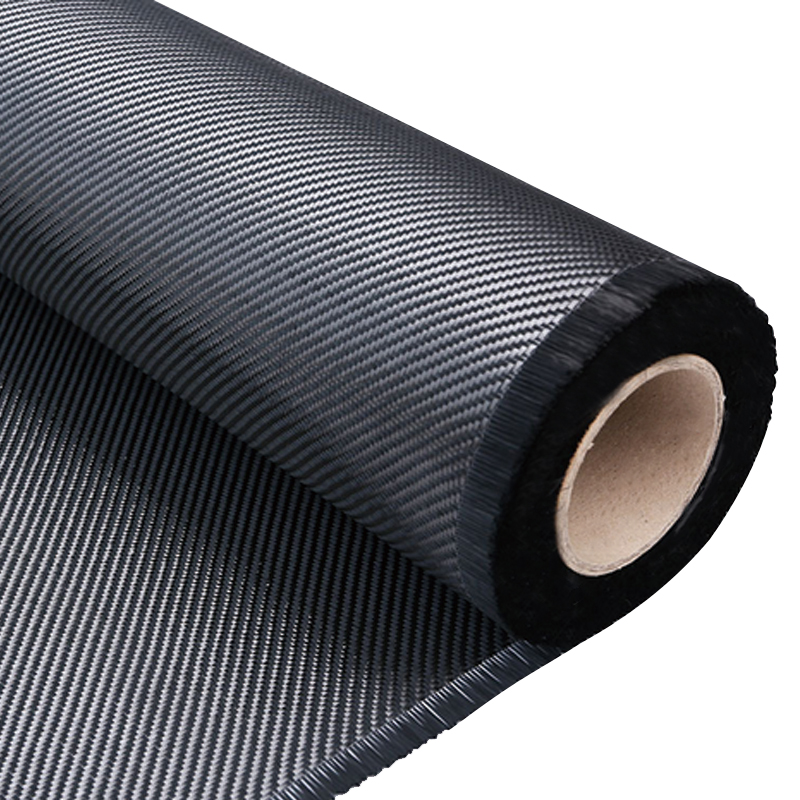
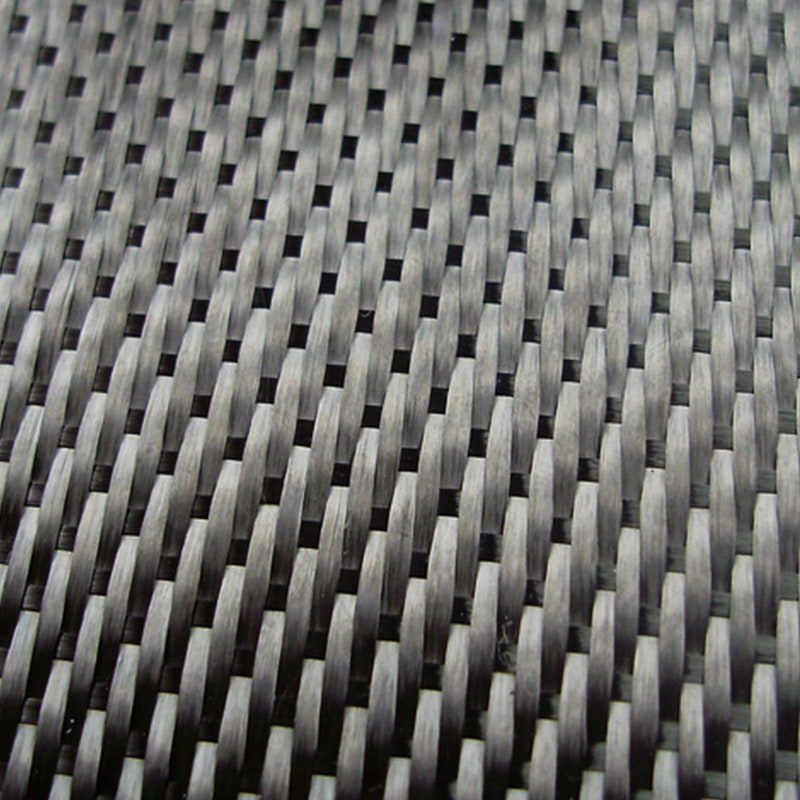
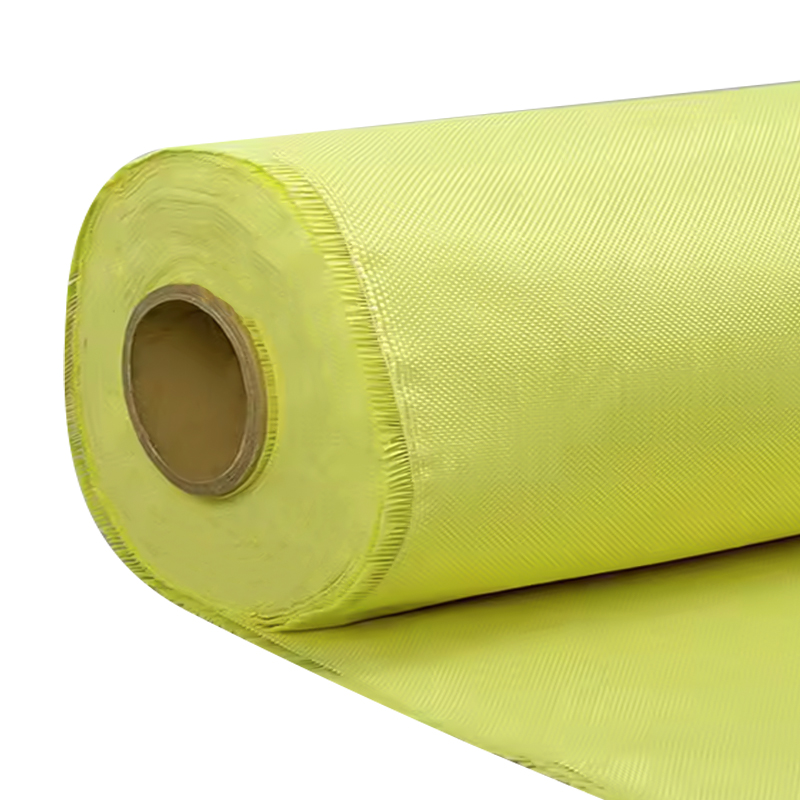
Impact Resistant Carbon Kevlar Fabric
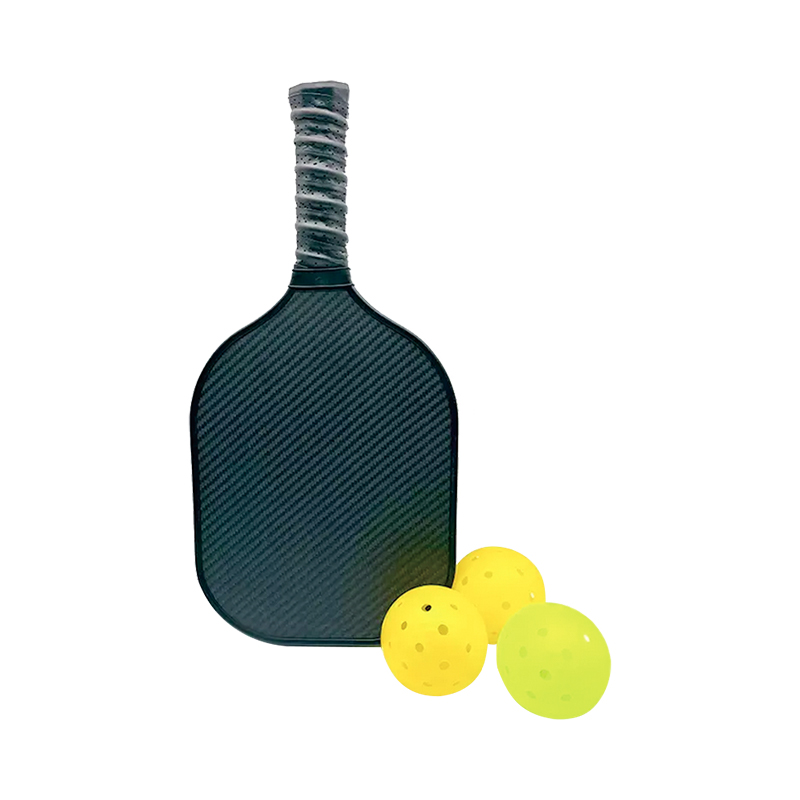
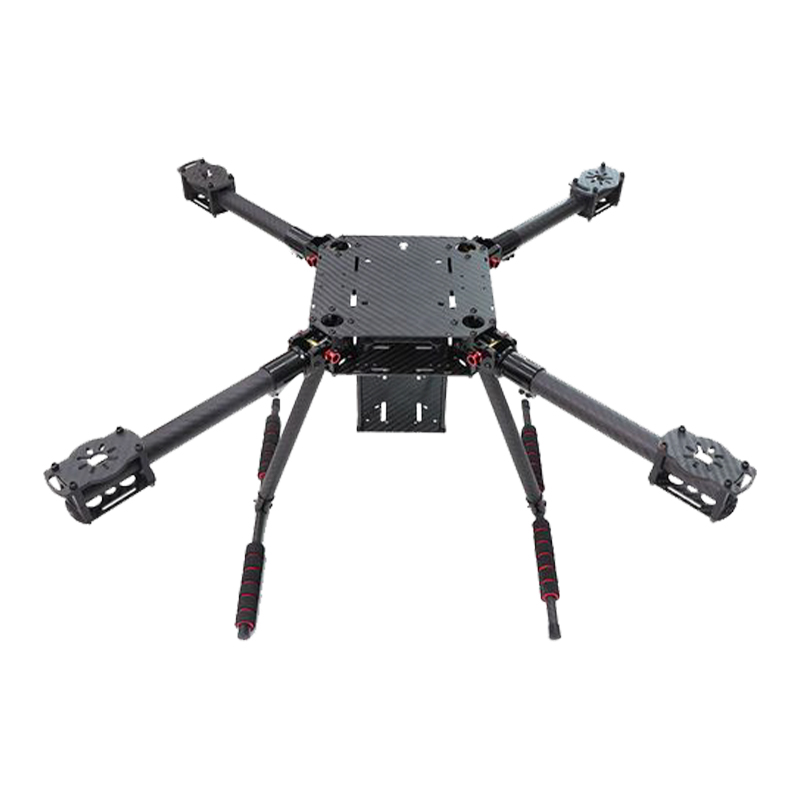
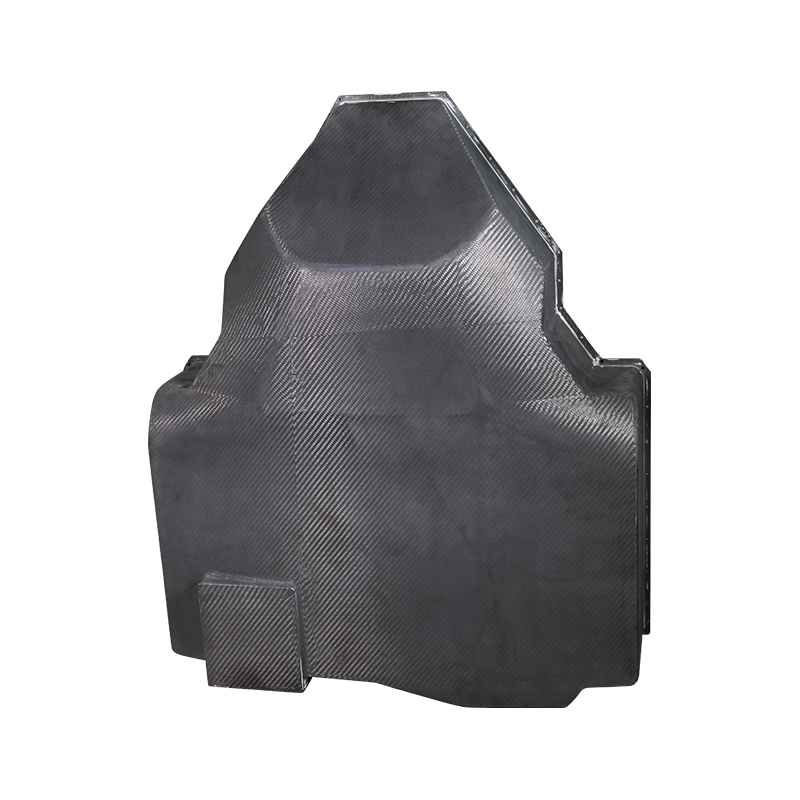
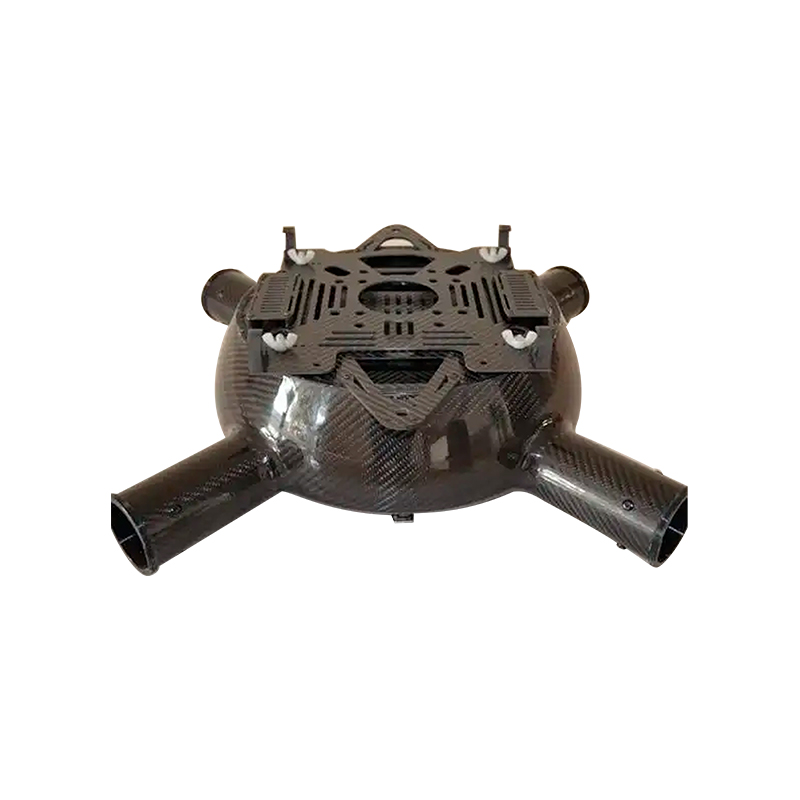
Impact Resistant Carbon Kevlar Fabric is a specialized hybrid reinforcement engineered to provide maximum protection against impact, shock, and ballistic threats. This fabric combines high-strength carbon fiber (3500–4200 MPa) with Kevlar fiber — the material known for its exceptional energy absorption and ballistic resistance. The result is a fabric that delivers structural strength while effectively dissipating impact energy across the composite matrix. Available in 2×2 twill weave with 3k carbon / 1000d Kevlar configurations. Areal weights range from 200 to 600 g/m². This fabric is ideal for ballistic panels, vehicle armor, protective equipment, blast shields, and industrial safety applications where impact resistance is critical.
Impact Properties
Technical Specifications
Impact Protection Features
- Superior impact energy absorption and dissipation
- High ballistic resistance — fragmentation and penetration
- Damage-tolerant — resists crack propagation
- Lightweight — minimizes added mass
- Durable — excellent abrasion and wear resistance
- Versatile — suitable for multiple threat levels
Impact Applications
Frequently Asked Questions
The Kevlar fibers absorb and dissipate impact energy through fiber deformation and elongation. The carbon fibers provide structural support and prevent complete penetration. The hybrid construction creates a synergistic effect — the Kevlar captures and spreads the impact, while the carbon maintains structural integrity.
Protection level depends on the number of layers and resin system. Lightweight configurations (4–6 layers) can stop fragmentation and low-velocity threats. Heavy configurations (10–20 layers) with toughened epoxy can provide ballistic protection up to NIJ Level IIIA and higher. Consult with ballistic engineers for specific threat levels.
Toughened epoxy systems with high elongation-to-break (> 3%) are recommended for maximum impact resistance. These resins allow the Kevlar fibers to elongate and absorb energy without premature failure. For ballistic applications, use specialized ballistic-grade resins.
Yes. Lower areal weight configurations (200–300 g/m²) provide lightweight protection against fragmentation and low-velocity impacts. These are ideal for personal protective equipment, UAV protection, and weight-critical armor applications.
 +86-13961668677
 No. 61, Xingyuan Road, Jiefang Village, Gushan Town, Jiangyin City, Jiangsu Province, China.