 Get In Touch
 English
 中文简体
 عربى
 Tiếng Việt

Content
- 1 The Four Numbers That Define a Carbon Fiber Epoxy Prepreg
- 2 Match the Cure Temperature to the Equipment You Actually Run
- 3 Fiber Format: Tow Size, Weave and Drapability
- 4 Out-Life, Storage and Shop Handling
- 5 When Epoxy Is Not Enough: Heat, Dielectric and Insulation Demands
- 6 Verify the First Roll Before You Scale the Run
- 7 Supplier Questions That Decide Lead Time and Scrap Rate
- 8 Working Answers for Production and Engineering Teams
A 200 gsm roll of carbon fiber epoxy prepreg looks identical whether it was formulated for a 120 °C vacuum-bag cure or a 180 °C autoclave cycle. The difference appears sixty plies deep, after cure, when short-beam interlaminar shear comes back under the 60 MPa the drawing calls for and the part goes into the scrap bin.
Prepreg selection is a specification exercise, not a brand exercise. Four values printed on the datasheet decide whether a material survives your process: fiber areal weight, resin content, cure temperature and out-life. Tow size, weave, tack and shelf life only narrow the choice inside those four boundaries.
The Four Numbers That Define a Carbon Fiber Epoxy Prepreg
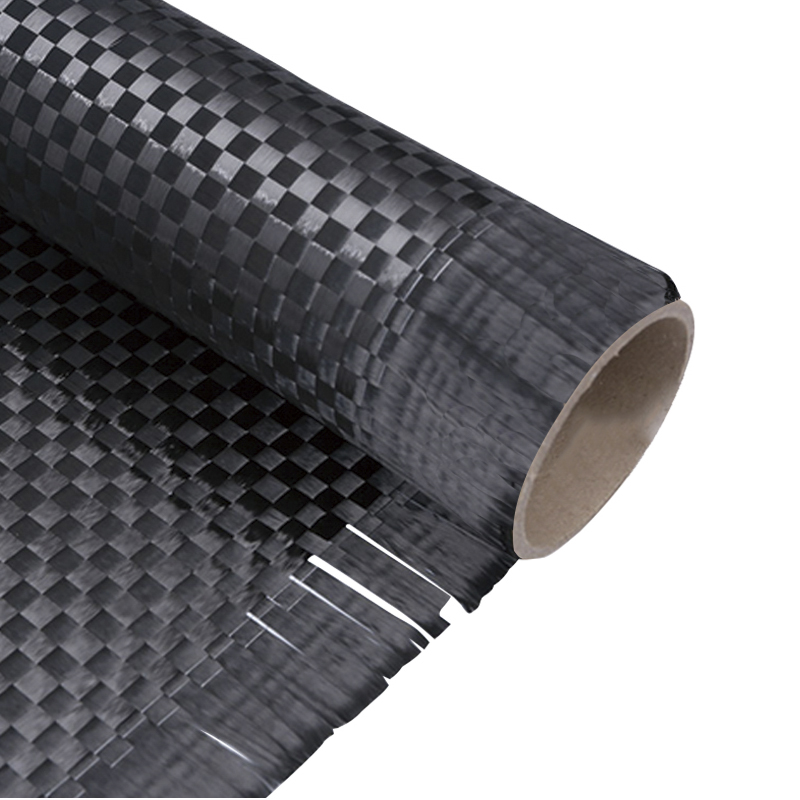
A carbon fiber epoxy prepreg is a carbon fabric or unidirectional tape impregnated with a partially cured epoxy resin in the B-stage, supplied as one tacky sheet with the resin-to-fiber ratio fixed at the factory.
That fixed ratio is the entire point of the format. In wet layup the operator controls the mix, so an error is corrected in the next batch. In prepreg the mix is locked before the roll leaves the plant, which means one specification mistake repeats itself across every ply of every part in the run.
| Specification parameter | Typical window | What it controls |
| Fiber areal weight (FAW) | 100-300 gsm, tolerance 3 percent | Ply thickness and laminate stack height |
| Resin content by weight | 32-42 percent, tolerance 2 points | Void content, surface finish, resin flow |
| Volatile content | 2 percent maximum, ASTM D3530 | Outgassing and void nucleation during cure |
| Resin flow | 2-15 percent | Bleed or no-bleed layup design |
| Gel time at cure temperature | 8-20 minutes | Usable ramp rate and dwell window |
Match the Cure Temperature to the Equipment You Actually Run
Cure temperature is the first filter, not the last. Standard epoxy prepreg cures at 120-130 °C, toughened structural grades need 180 °C, and a 180 °C system processed below its specified dwell never reaches full conversion, so glass transition temperature and interlaminar shear both finish under the datasheet values even when the roll was perfect.
The second filter is pressure. Autoclave and out-of-autoclave (OOA) prepregs frequently share a resin chemistry family and still behave as different products on the shop floor.
Autoclave cure
Out-of-autoclave vacuum bag
 Epoxy Carbon Fiber PrepregCurrently, 70% of advanced composite products are made of prepregs that are stacked and cured. Prepregs are semi-finished products that are stored and prepared after f...View Product →
Ramp profile matters more than peak pressure once a laminate passes roughly 12 mm thick, because the exotherm in the middle of the stack drives the resin ahead of the thermocouple reading. A closer look at vacuum-bag and autoclave processing for the same epoxy chemistry is worth the twenty minutes before tooling is committed.
Fiber Format: Tow Size, Weave and Drapability
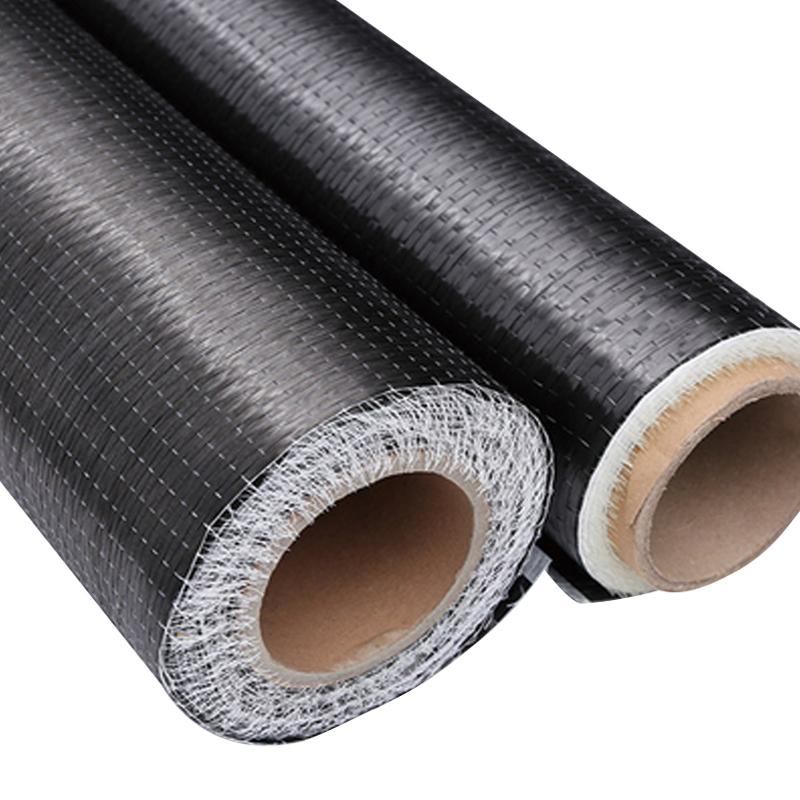
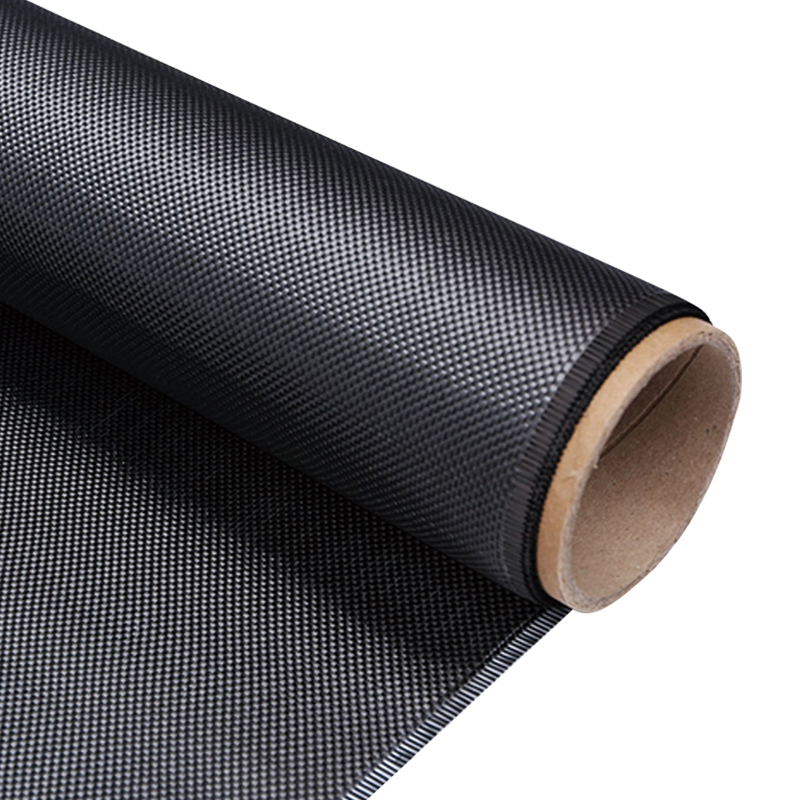
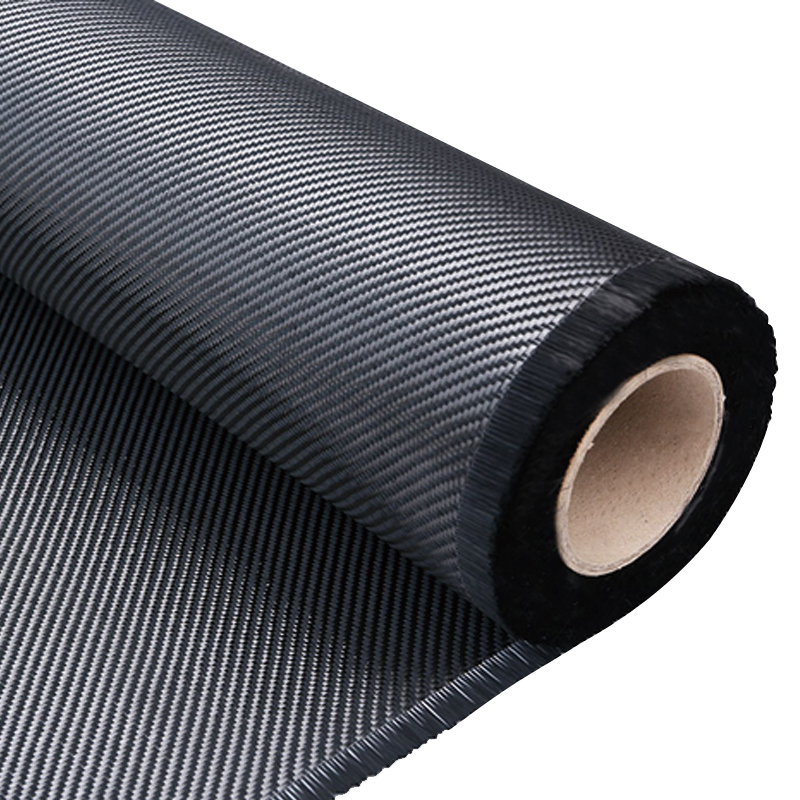
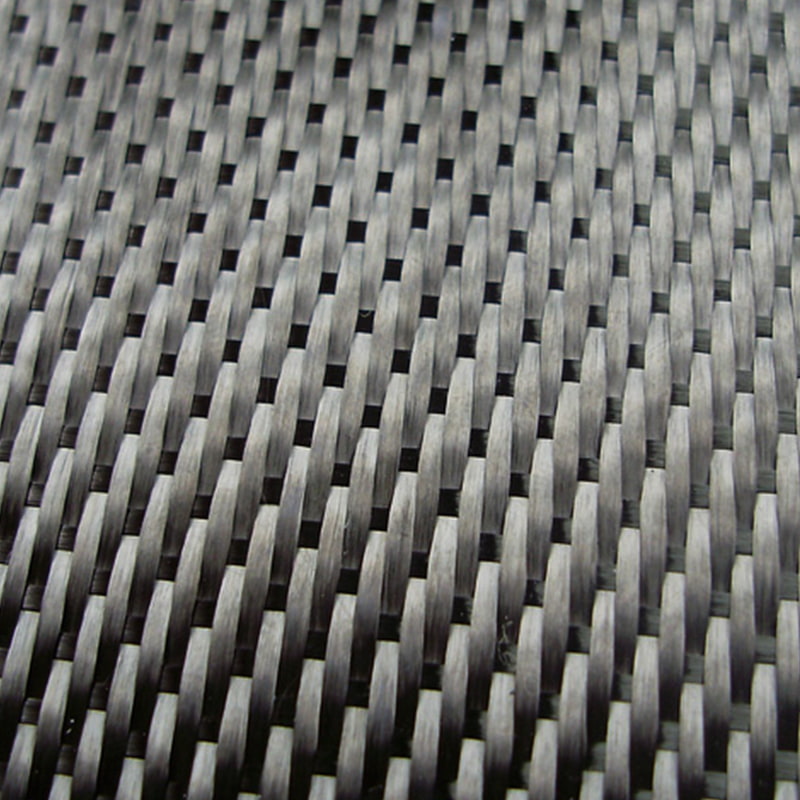
Tow size and weave decide how the dry reinforcement behaves on the tool, before the resin matters at all. 3K plain weave produces a balanced, symmetrical laminate with predictable handling, while 12K twill lowers fabric cost per kilogram and suits large, gently curved or flat geometry.
Out-Life, Storage and Shop Handling
Out-life is the time a thawed roll can remain at 23 °C and still meet its tack, drape and flow specification, and most 180 °C epoxy prepregs carry a 10 to 30 day ambient rating.
- Store sealed at -18 °C or colder; manufacturers typically rate shelf life at 6 to 12 months from the production date.
- Thaw in the sealed bag for 4 to 8 hours before opening, so condensation does not land on the resin surface.
- Log hours per roll on a traveller card. Two hours out of the freezer on five different days consumes ten hours of out-life.
- Cut and lay up inside the tack window; a roll that no longer holds to the Tool surface will trap air regardless of vacuum quality.
When Epoxy Is Not Enough: Heat, Dielectric and Insulation Demands
Above roughly 150 °C continuous service, or wherever dielectric loss appears in the specification, cyanate ester prepreg replaces epoxy, with cured glass transition temperatures of 250 °C and higher.
Cyanate ester absorbs less moisture than epoxy, holds its dielectric constant across a wider temperature range and resists microcracking in thermal cycling, which is why it is specified for radomes, antenna housings and satellite structure. It also cures hotter and costs more, so it belongs on the drawing only when the service temperature or the electrical requirement demands it.
 Cyanate Carbon Fiber Prepreg SuppliersCyanate prepreg is a semi-finished material formed by impregnating fibers or fabrics with cyanate resin. It combines the high performance of cyanate resin and the rein...View Product →
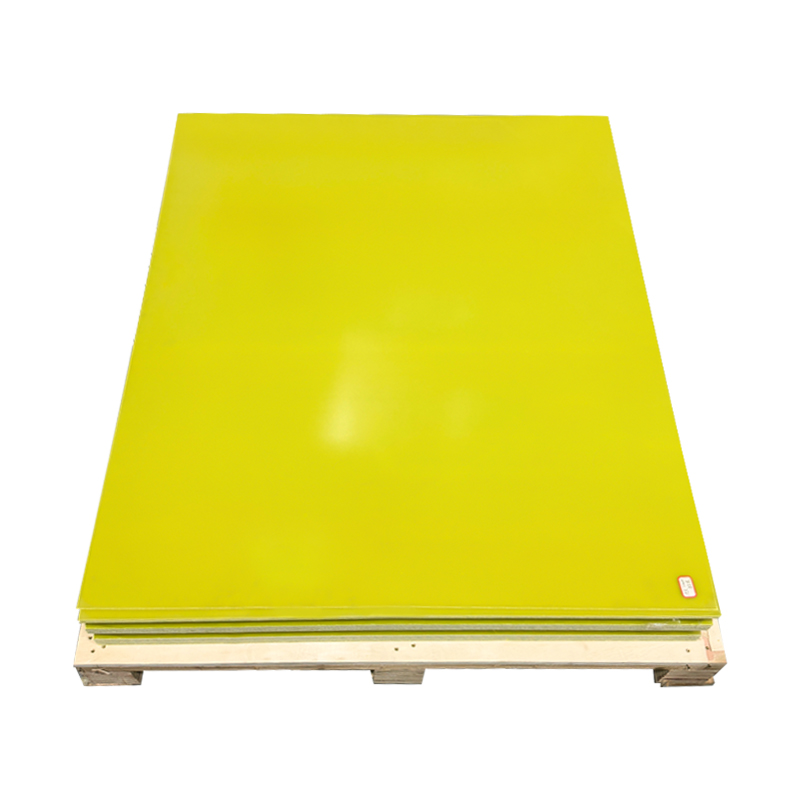
Where the requirement is dielectric strength rather than structural stiffness, the answer is usually a laminate rather than a carbon prepreg. An epoxy glass fiber insulation plate rated UL94 V0 covers lithium battery separators, switchgear panels and PCB fixtures, and machines like a standard composite sheet.
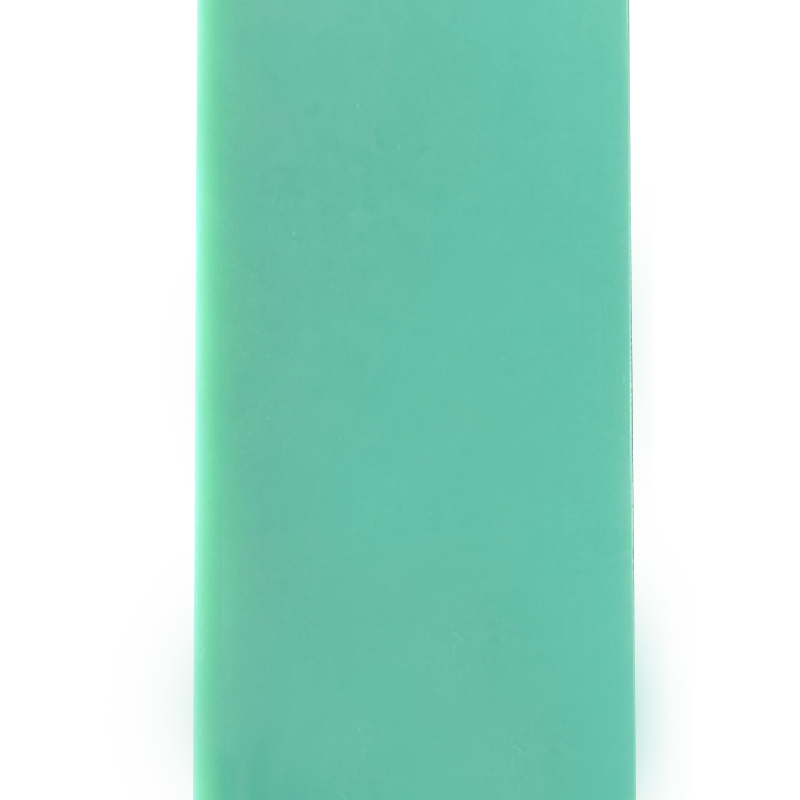 Epoxy Resin Glassfiber Insulation BoardArc resistance: 180+ seconds without tracking (ASTM D495), specified for high-voltage switchgear and contactors.View Product →
Verify the First Roll Before You Scale the Run
Run five tests on the first roll of every new prepreg lot: constituent content per ASTM D3529, volatiles per ASTM D3530, fiber volume per ASTM D3171, void content per ASTM D2734 and short-beam interlaminar shear per ASTM D2344.
| Test | Standard | Typical acceptance point |
| Constituent content | ASTM D3529 | Within 2 points of the purchase specification |
| Volatile content | ASTM D3530 | 2 percent maximum |
| Fiber volume fraction | ASTM D3171 | 55-60 percent for structural laminates |
| Void content | ASTM D2734 | Below 2 percent structural, below 1 percent aerospace |
| Short-beam interlaminar shear | ASTM D2344 | 60 MPa minimum for 180 °C toughened systems |
| Glass transition temperature | ASTM D7028 | At or above the cure class rating |
Supplier Questions That Decide Lead Time and Scrap Rate
Five questions separate a material seller from a manufacturing partner: roll-level certification, minimum order, out-life at shipment, a published cure profile and the equipment standing behind the quote.
- Ask for resin content and areal weight measured per roll, not averaged across a batch.
- Confirm whether 300 mm, 600 mm and 1000 mm widths come from the same master roll, because re-slitting changes edge quality and tack.
- Request out-life remaining at the moment of shipment, not at the moment of manufacture.
- Demand a written ramp rate, dwell temperature, pressure application point and cool-down rate.
- Check the forming equipment available: autoclave, resin transfer moulding, prepreg compression moulding and winding capacity decide whether a supplier can deliver a cured part as well as a roll.
Jiangyin Dongli New Materials Technology Co., Ltd. is a useful reference point for that last question. The company operates a 32,000 square metre plant in Jiangyin with 10 production lines, 24 technical staff, a constant-temperature weaving workshop and a Class 100,000 clean area, and it produces both the woven carbon reinforcement and the epoxy prepreg in one flow. That vertical coverage is the practical condition for holding a 2 point resin content tolerance after slitting, because the same team controls the fabric and the impregnation line. You can review the company profile and full product structure at dlcarbontech.com.
Working Answers for Production and Engineering Teams
What resin content should I specify for a vacuum-bag part?
Start at 35 percent by weight with a 2 point tolerance for a 180 °C toughened epoxy. Out-of-autoclave grades are often formulated nearer 36 to 38 percent, because the resin must flow and de-gas without autoclave pressure to land under the 2 percent void ceiling.
How long can a thawed roll of epoxy prepreg stay in the shop?
Between 10 and 30 days at 23 °C for most 180 °C systems. The clock is cumulative rather than continuous, so a roll that spends two hours out of the freezer on five separate layups has already consumed ten hours of its rating.
What is the difference between areal weight and fiber areal weight?
Fiber areal weight counts only the carbon reinforcement; total areal weight adds the resin. A 200 gsm FAW tape at 35 percent resin content gives 308 gsm total, which cures to approximately 0.20 mm per ply at 56 percent fiber volume.
Do tooling laminates need the same prepreg as production parts?
No. Tooling laminates usually run a lower-cost 120 °C cure epoxy prepreg at a heavier areal weight, because the tool only has to hold shape at the part's cure temperature. Reserving the 180 °C structural grade for the part keeps material cost aligned with the drawing.
The right carbon fiber epoxy prepreg is the one whose four datasheet numbers match your cure equipment, your layup geometry and your acceptance tests, and whose supplier can repeat that match on the next roll rather than only on the sample.
 +86-13961668677

 No. 61, Xingyuan Road, Jiefang Village, Gushan Town, Jiangyin City, Jiangsu Province, China.
