 Get In Touch
 English
  中文简体
中文简体 عربى
عربى Tiếng Việt
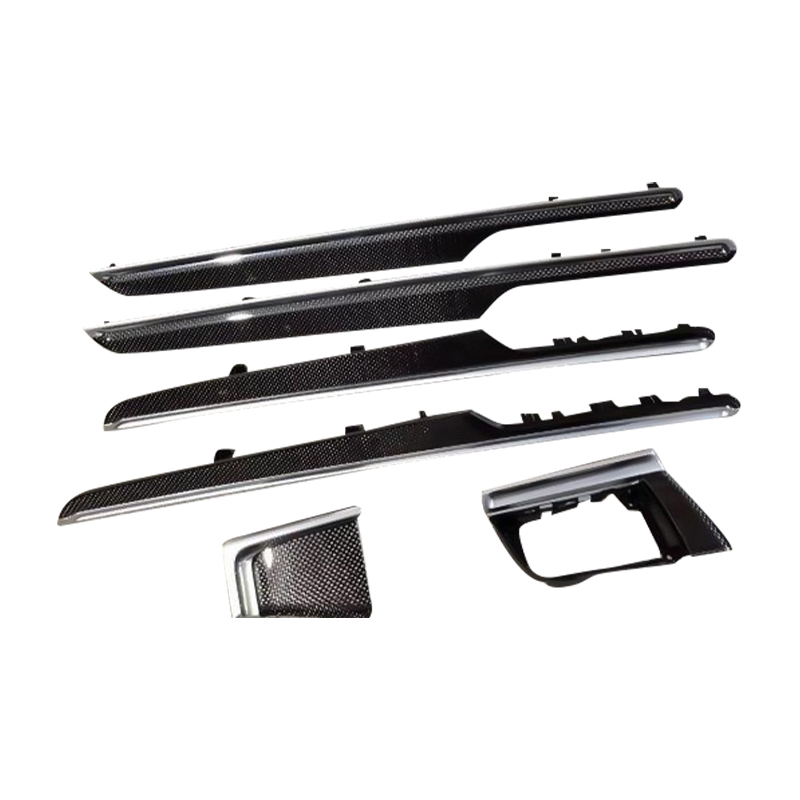
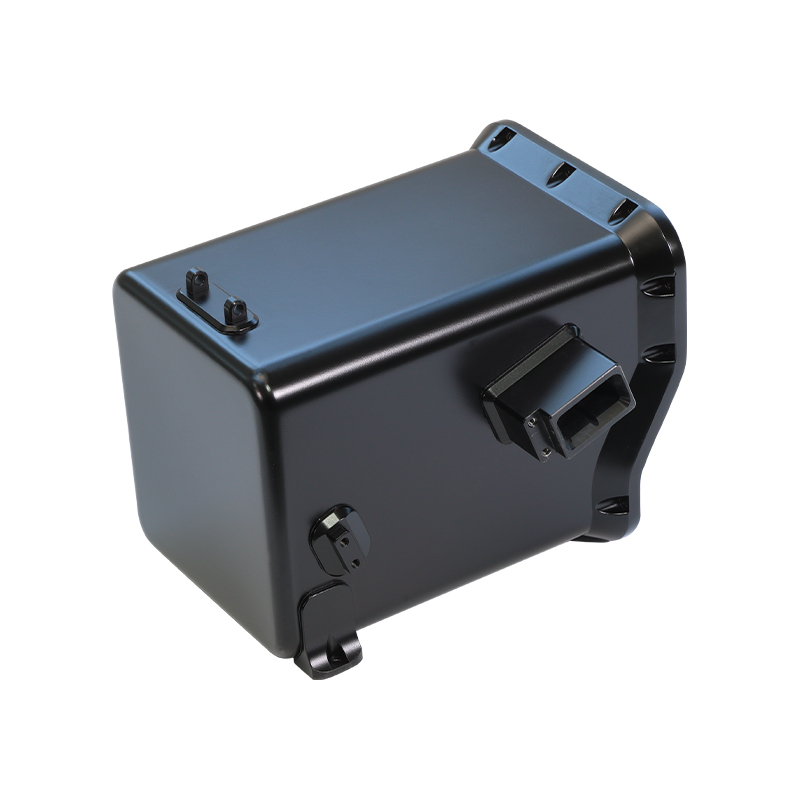
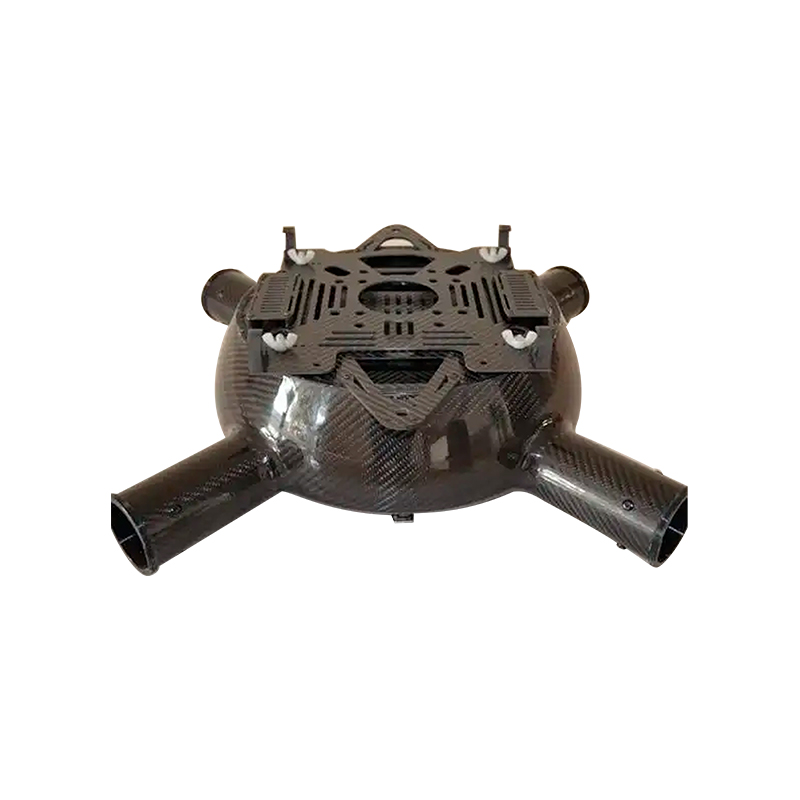
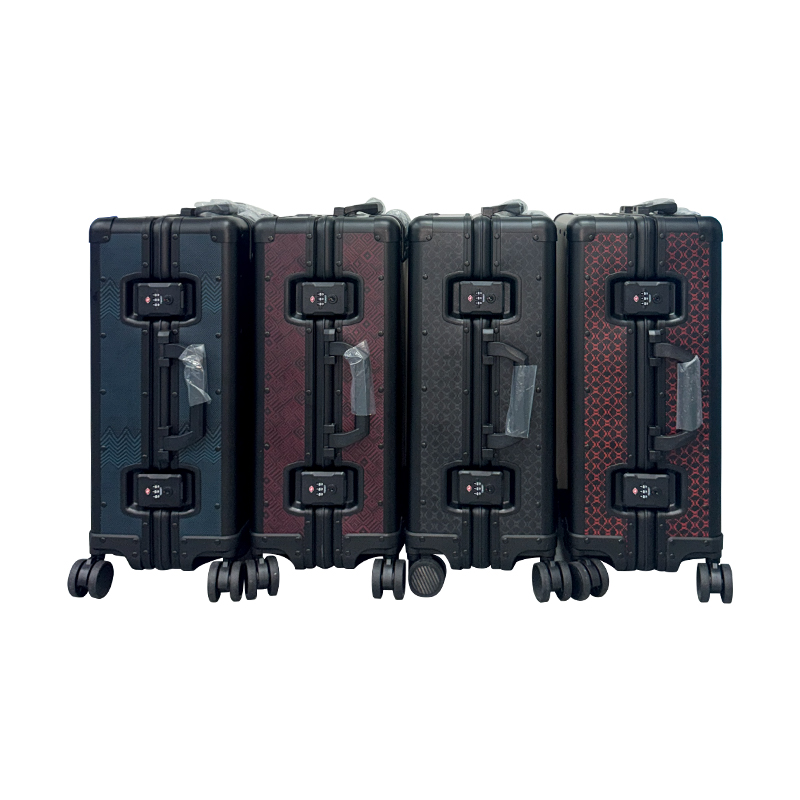
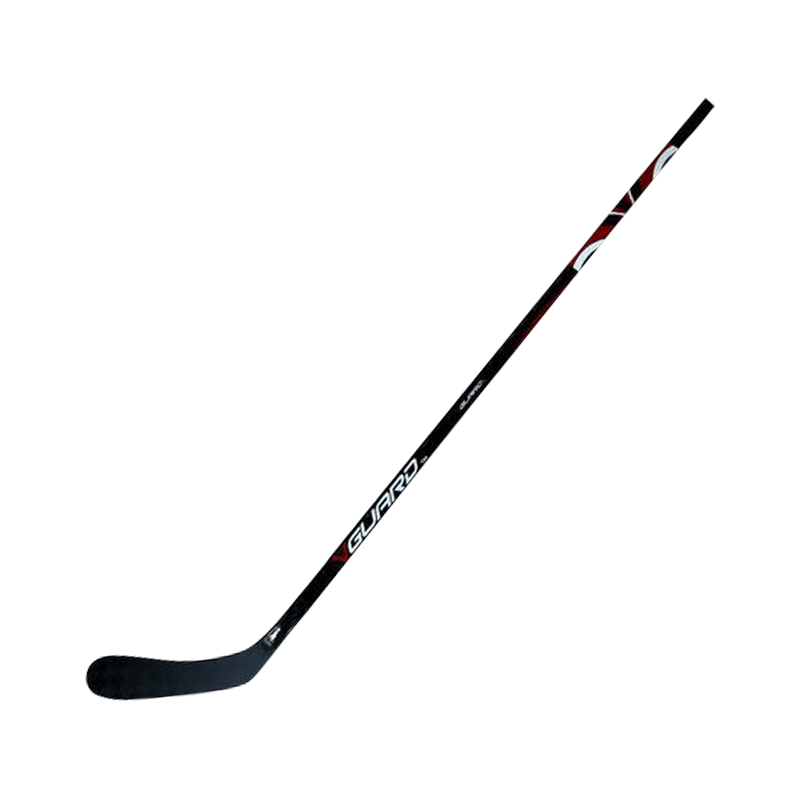
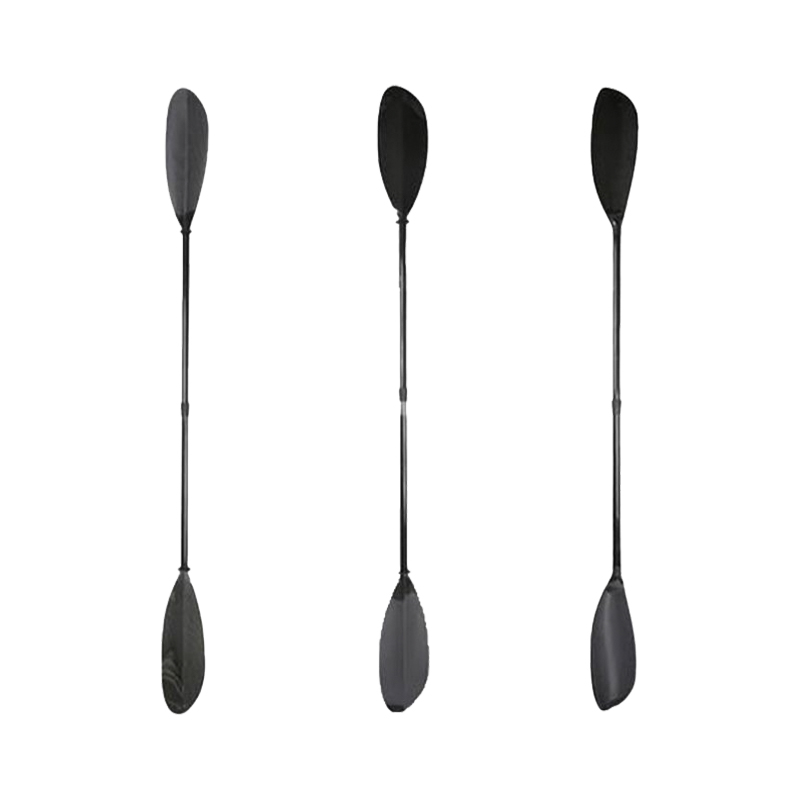
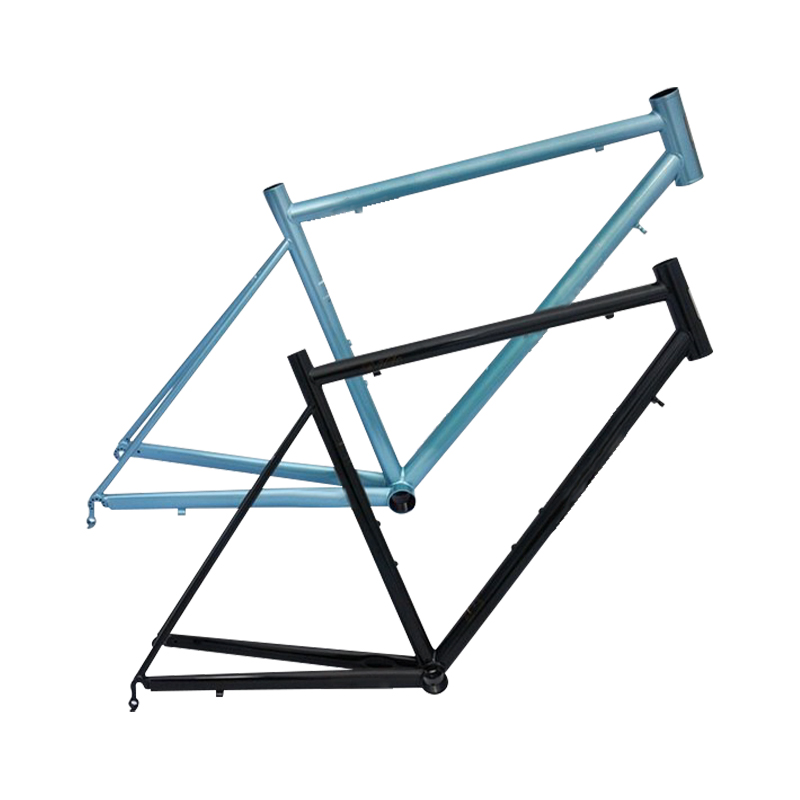
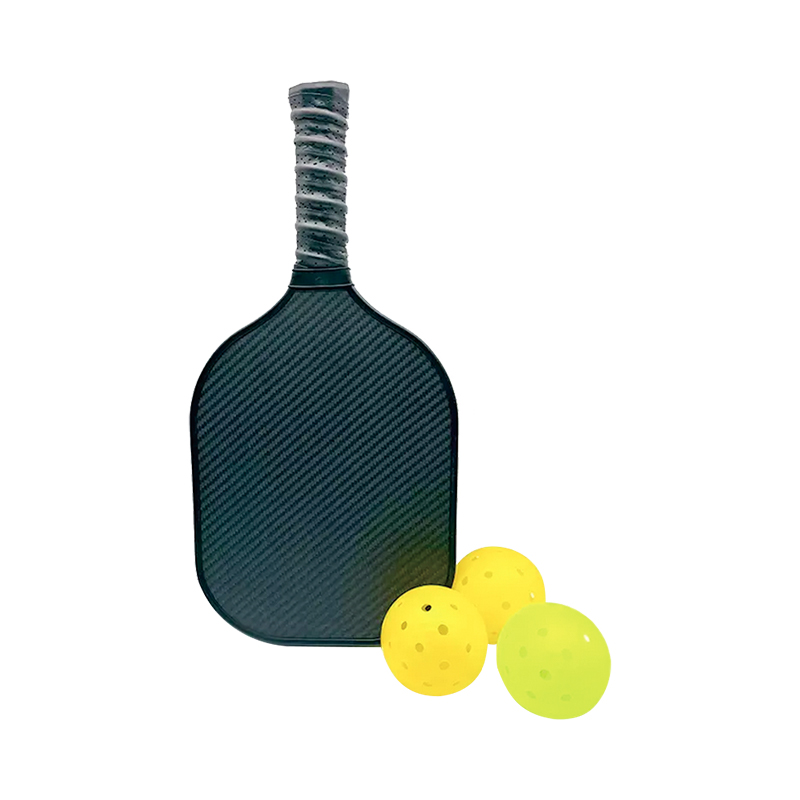
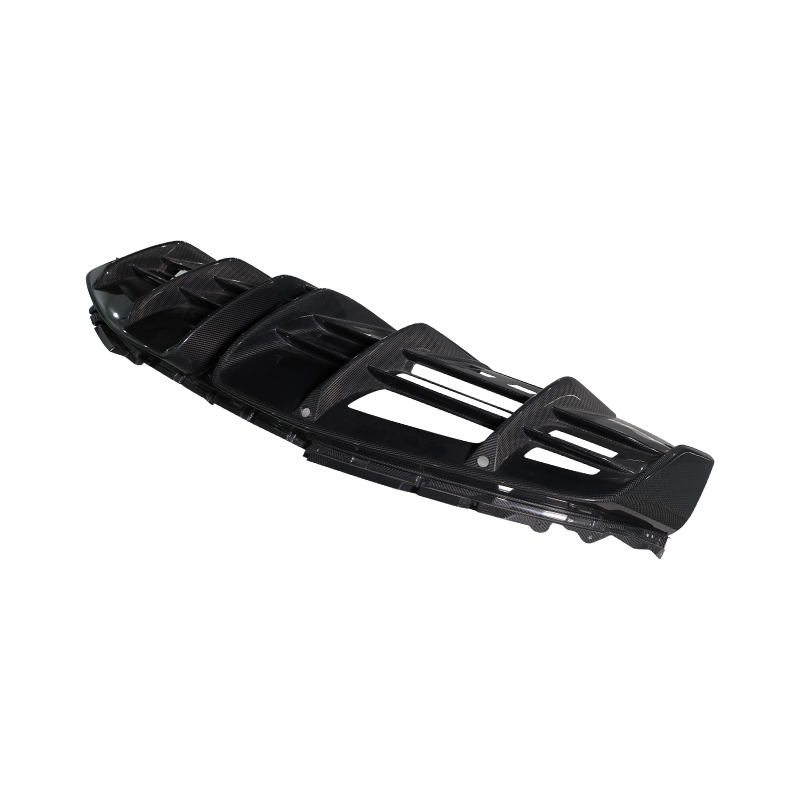
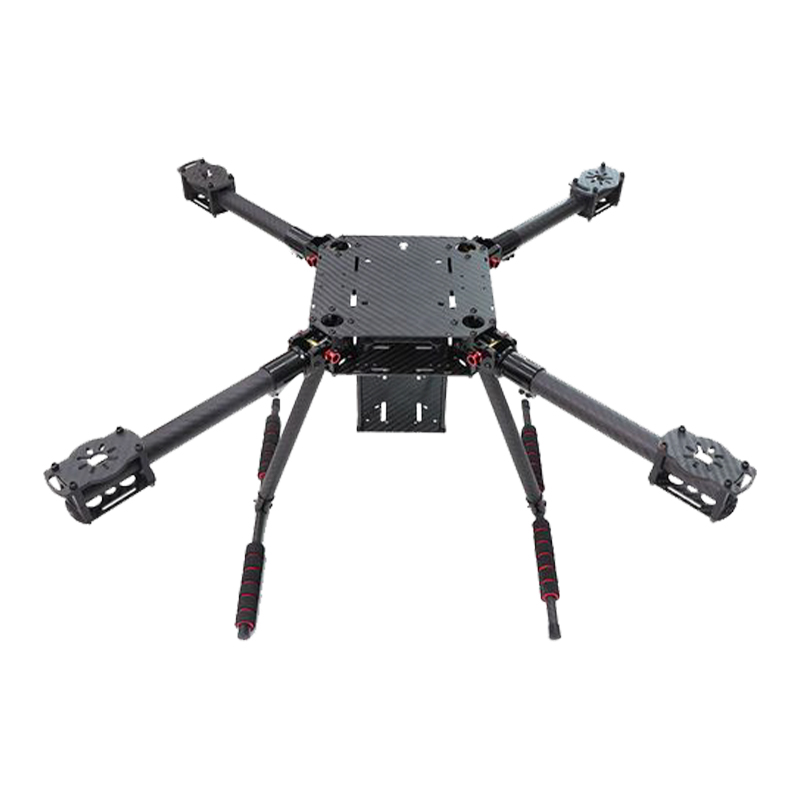
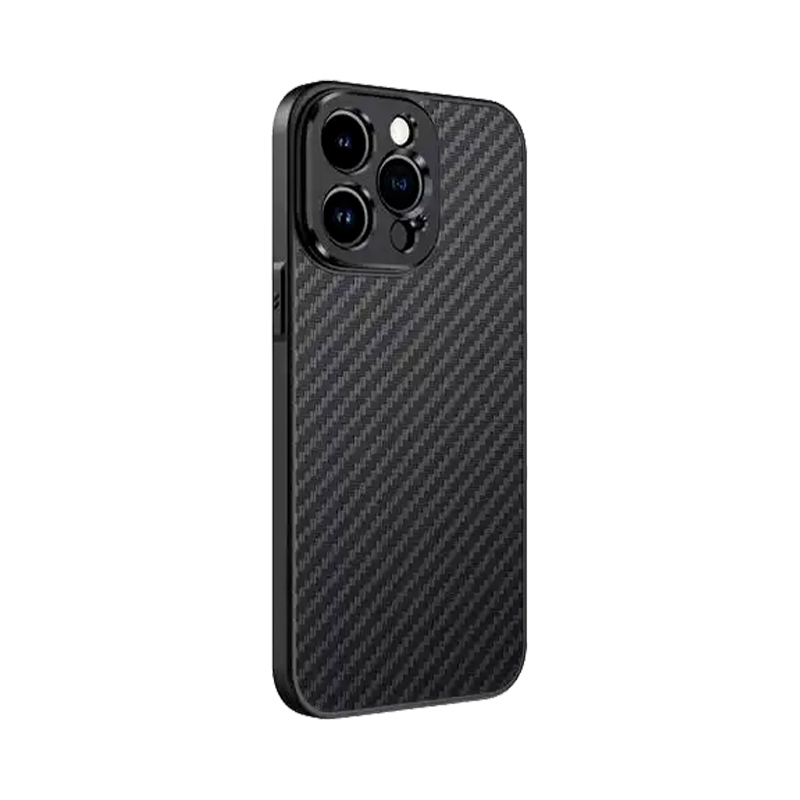
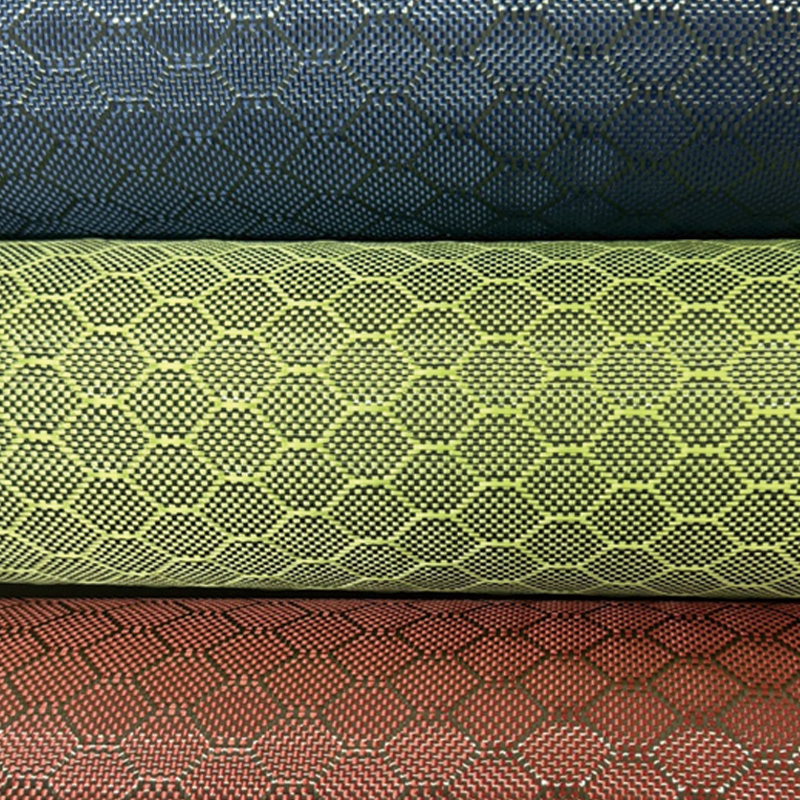
Automotive Carbon Fiber Cloth
Automotive Carbon Fiber Cloth is specifically designed for the high-performance automotive sector, delivering an optimal balance of lightweight construction, structural integrity, and visual appeal. The fabric is available in 3k and 6k tow sizes with plain, twill, and satin weaves, offering areal weights from 160 to 400 g/m². The 2×2 twill weave is particularly popular for cosmetic applications due to its distinctive diagonal pattern that enhances clear-coated finishes. The fabric is compatible with epoxy, vinyl ester, and polyester resin systems, and is suitable for hoods, roofs, interior trim, structural components, and aftermarket parts. Automotive-grade sizing ensures excellent resin compatibility and surface finish quality.
Automotive Applications
Technical Specifications
Automotive Features
- Excellent cosmetic finish — clear coat ready
- 2×2 twill pattern — the automotive signature weave
- Good drape for complex body contours
- Lightweight — reduces vehicle mass and improves fuel efficiency
- High strength-to-weight ratio for structural parts
- Compatible with automotive-grade resin systems
Cosmetic Finish Guide
Frequently Asked Questions
2×2 twill weave is the most popular choice for automotive cosmetic applications. The diagonal pattern is widely recognized as the "carbon fiber look" and provides excellent visual depth when finished with a clear coat. 4HS satin offers a smoother, more subtle pattern for interior applications.
Yes. 200gsm and 240gsm twill fabrics are commonly used for structural automotive components including drive shafts, suspension arms, and chassis reinforcements. For higher stiffness, use 4HS or 8HS satin weaves with multiple layers to achieve the required thickness.
High-quality epoxy resin systems are recommended for automotive applications due to their excellent mechanical properties, adhesion, and cosmetic finish. For cost-sensitive applications or exterior parts requiring UV resistance, use a UV-stable vinyl ester system.
To achieve a perfect clear coat finish, ensure the fabric is evenly compacted during layup, fill surface porosity with a compatible filler, sand the surface with progressively finer grits (400, 800, 1200, 2000), and apply multiple layers of UV-stable automotive clear coat with sanding between coats for optimal depth.
 +86-13961668677
 No. 61, Xingyuan Road, Jiefang Village, Gushan Town, Jiangyin City, Jiangsu Province, China.