 Get In Touch
 English
 中文简体
 عربى
 Tiếng Việt

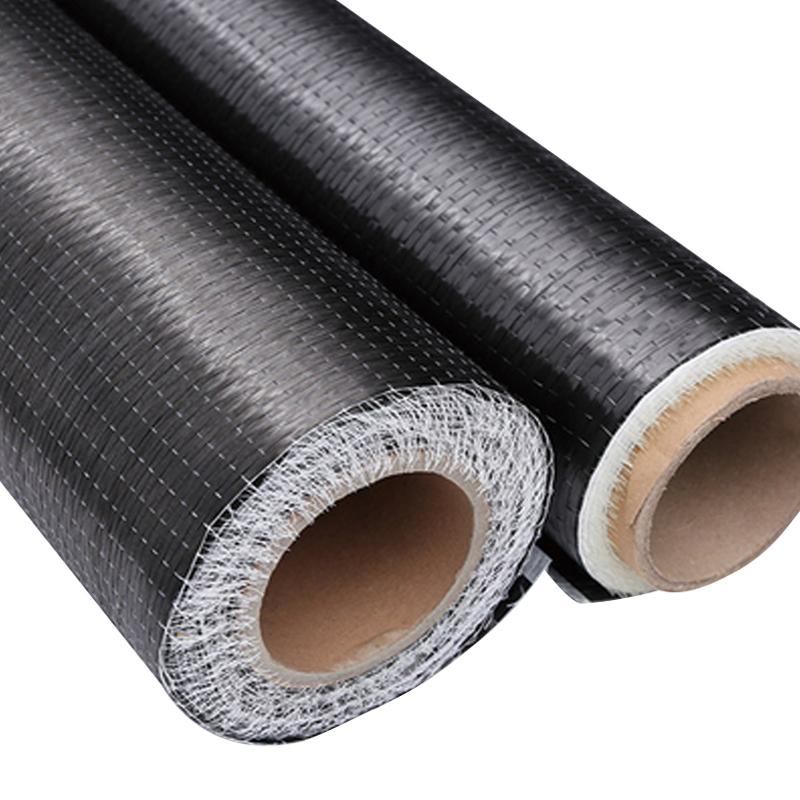
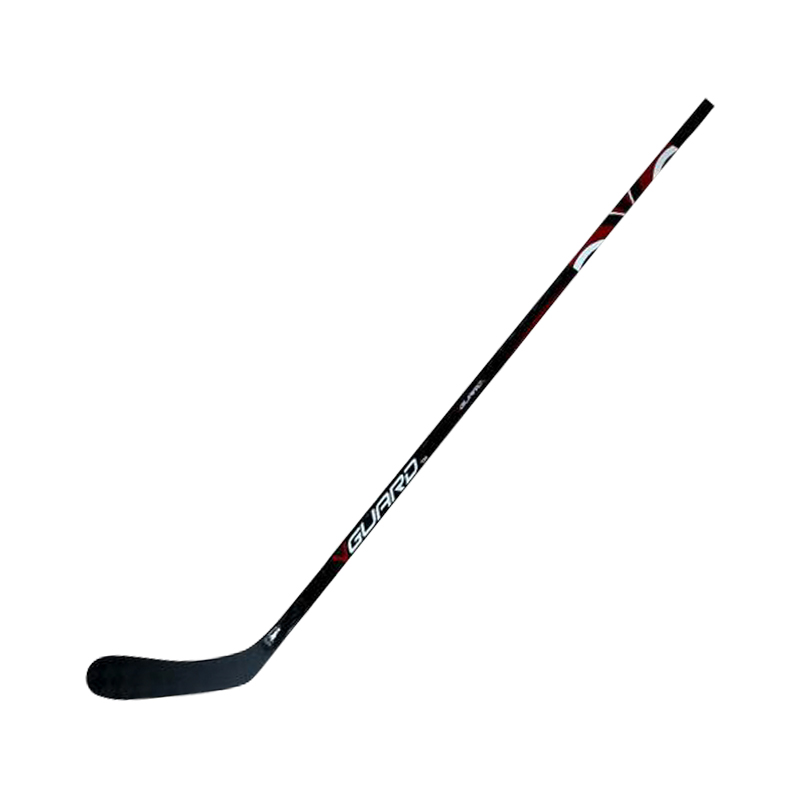
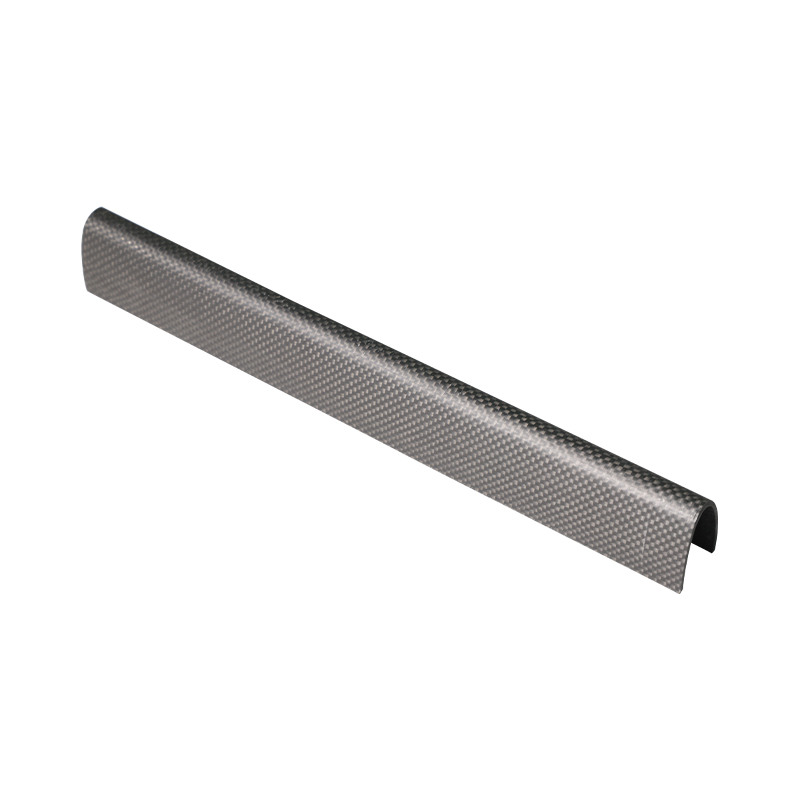
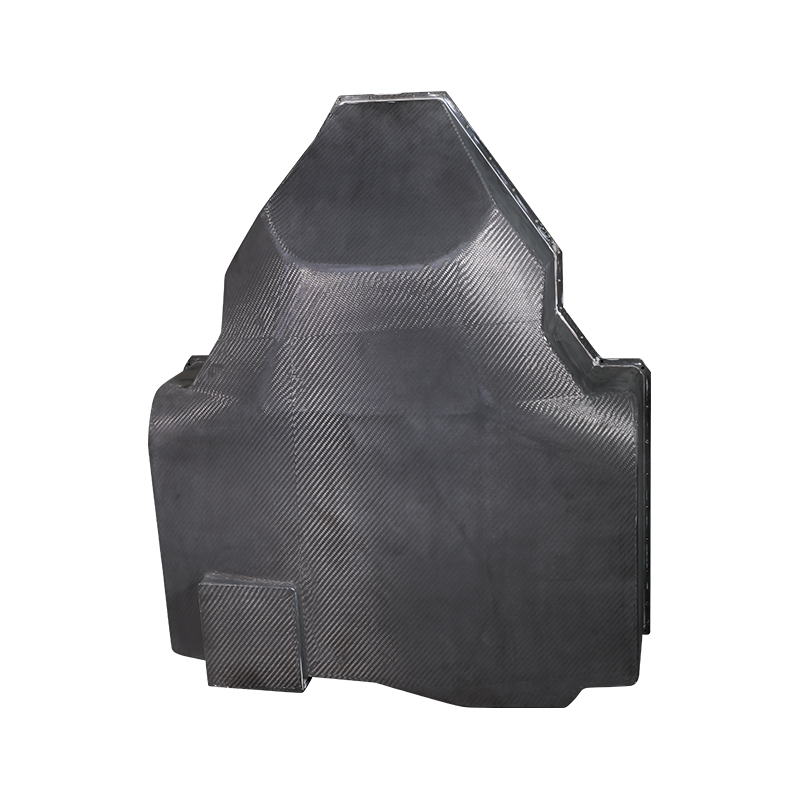
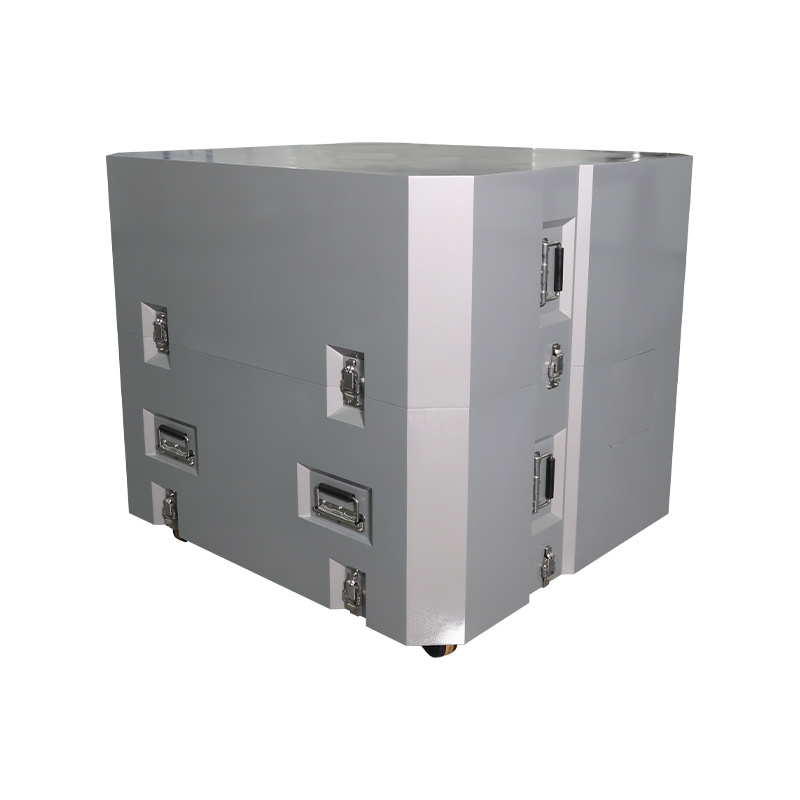
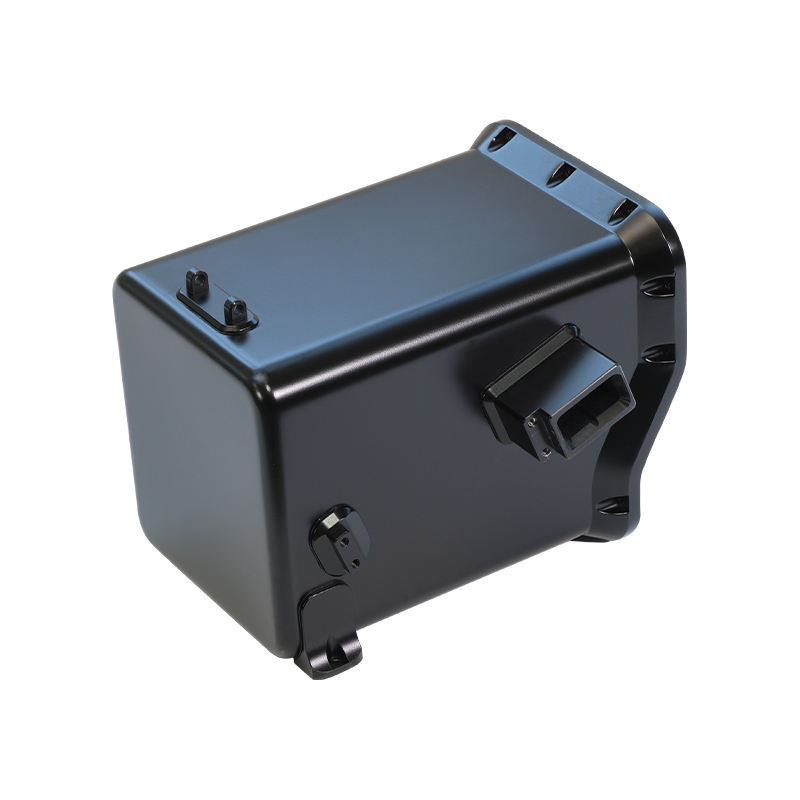
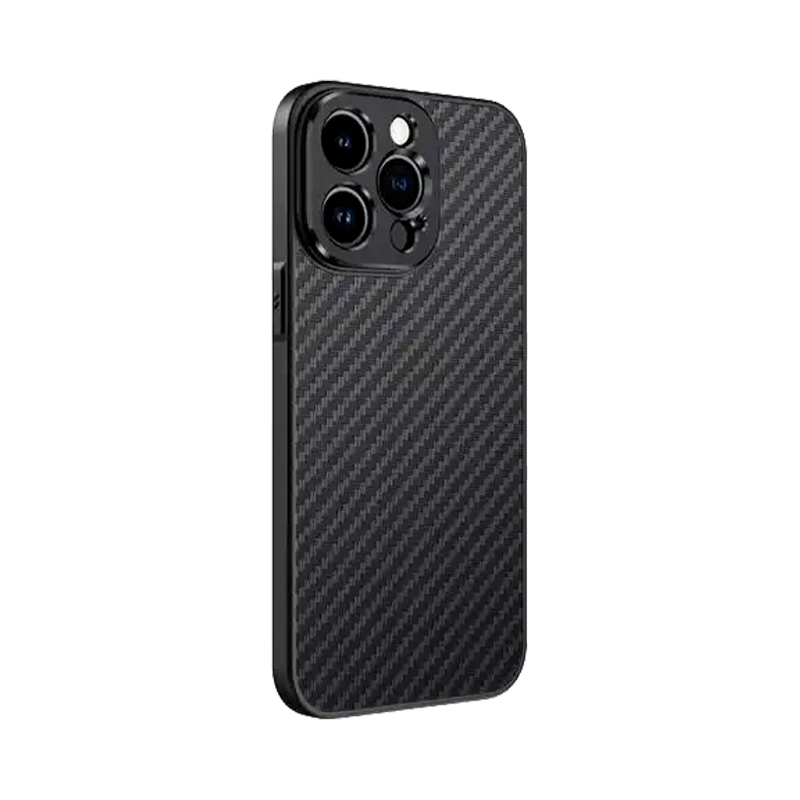
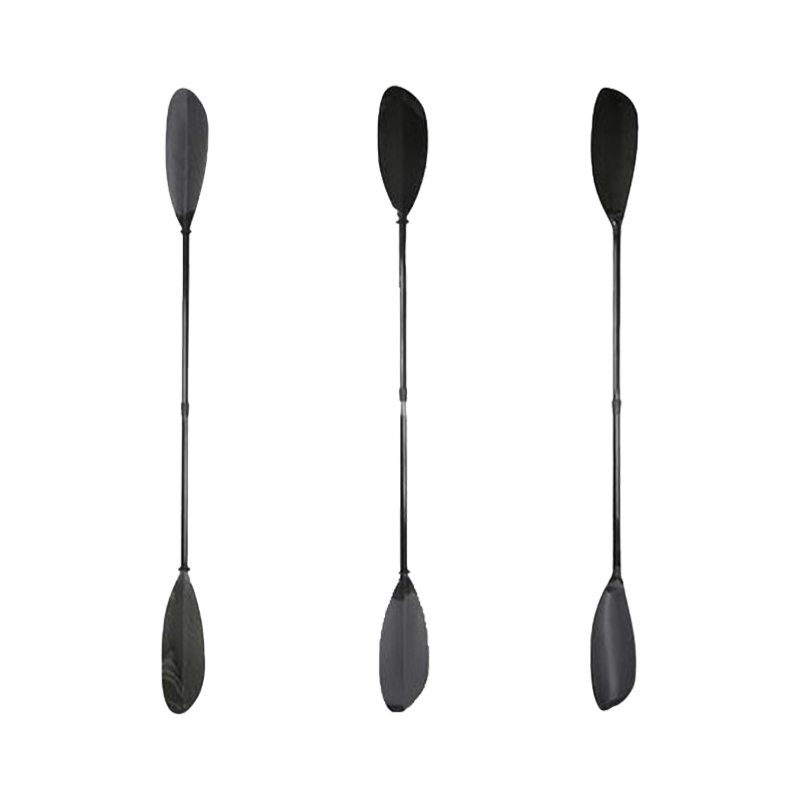
Carbon Fiber Fabric For Composite Reinforcement
Carbon Fiber Fabric For Composite Reinforcement is a textile-based reinforcement material designed to strengthen polymer composite structures. It consists of continuous carbon fiber filaments arranged into woven, unidirectional, or multidirectional configurations and combined with a suitable resin matrix during composite manufacturing.
In a carbon fiber reinforced polymer (CFRP) system, the carbon fibers primarily carry structural loads, while the resin matrix binds the reinforcement, transfers stress between fibers, and maintains the designed component geometry. The resulting mechanical properties depend on fiber grade, reinforcement architecture, fiber orientation, resin formulation, fiber volume fraction, and curing conditions.
Different fabric constructions are used for hand lay-up, vacuum infusion, resin transfer molding (RTM), and prepreg manufacturing. Manufacturers can select reinforcement according to component geometry, structural loading, surface requirements, and production processes. For composite component producers, specifying the correct fabric helps control material consumption, laminate design, manufacturing consistency, and finished-part performance.
How Carbon Fiber Fabric Reinforces Composite Structures
The interaction between reinforcement fibers and the resin matrix determines how loads are distributed throughout a finished composite component. Understanding these functions is important when selecting materials for structural manufacturing.
Load-Bearing Reinforcement
Continuous carbon filaments provide the primary tensile and stiffness contribution in the fiber direction. The number of reinforcement layers and their orientation are selected according to the component's structural loading requirements.
Stress Distribution
The resin matrix transfers stress between adjacent fibers and maintains the relationship between reinforcement layers. Proper fiber-to-resin compatibility is necessary to achieve the intended composite behavior.
Directional Mechanical Control
Reinforcement can be arranged at different angles to address longitudinal, transverse, shear, and torsional loading. The laminate stacking sequence allows engineers to adjust the structural response of a component.
Component Weight Management
Carbon fiber composites can provide structural stiffness and strength at relatively low component weight. This makes reinforcement selection relevant to applications where weight reduction is part of the engineering specification.
Fiber Direction Determines Structural Contribution
Carbon fiber reinforcement is anisotropic. Its mechanical contribution is strongly dependent on fiber alignment, rather than being identical in every direction.
Actual ply orientation and stacking sequence must be established through structural design and engineering validation.
Carbon Fiber Fabric Structures for Different Composite Designs
Fabric architecture influences handling, draping, fiber alignment, and laminate construction. The appropriate reinforcement format depends on the geometry of the component and the manufacturing method.
Woven Carbon Fiber Fabric
Woven reinforcement consists of interlaced warp and weft yarns. Plain, twill, and satin weaves are commonly used to create different fabric structures and handling characteristics.
Woven fabric is suitable for composite panels, molded covers, structural shells, and components requiring reinforcement in two principal fabric directions. Its draping characteristics vary according to the weave pattern and fabric weight.
Unidirectional Carbon Fiber Fabric
Unidirectional reinforcement arranges most continuous carbon fibers along one primary direction. It allows composite designers to concentrate reinforcement along selected structural load paths.
This configuration is commonly considered for beams, panels, stiffeners, and other components where directional stiffness and tensile load capacity are important.
Multiaxial Carbon Fiber Fabric
Multiaxial reinforcement combines fiber layers arranged in different directions, often held together through stitching or other textile processes. It allows multiple reinforcement orientations to be incorporated into a single material structure.
It is considered for large composite panels, marine structures, wind energy components, and industrial parts requiring multidirectional reinforcement and efficient lay-up.
Product Features and Technical Selection Factors
A carbon fiber fabric specification should define the material characteristics that affect composite manufacturing, laminate design, and final component requirements.
Fiber Grade and Filament Count
Carbon fiber grades determine the basic mechanical characteristics of the reinforcement. Tow sizes such as 1K, 3K, 6K, and 12K describe the number of filaments in a tow and influence yarn dimensions and fabric construction.
Fabric Areal Weight
Areal weight, expressed in g/m², indicates the mass of dry reinforcement per unit area. It affects material consumption, layer design, handling, and the calculation of composite laminate composition.
Weave and Fiber Architecture
The selected weave or reinforcement arrangement influences fabric stability, drape, yarn crimp, and fiber distribution. It should be matched with the mold geometry and required structural performance.
Resin Compatibility
Fiber sizing and surface treatment affect interaction with the resin matrix. Compatibility should be evaluated for the specified epoxy, polyester, vinyl ester, or other resin system.
Drapability and Handling
Fabric flexibility and conformability influence how reinforcement follows curved molds, corners, and complex component surfaces. The selected construction should minimize distortion during cutting and placement.
Fabric Width and Dimensional Stability
Roll width, yarn alignment, and dimensional consistency affect cutting layouts, material utilization, and production repeatability. Width requirements should be coordinated with component dimensions.
Processing Methods for Carbon Fiber Reinforcement
Dry carbon fiber fabric is generally integrated with a resin system during composite production. Different processing methods are selected according to part geometry, production volume, tooling, and quality requirements.
Hand Lay-Up
Fabric layers are cut and positioned manually in a mold, followed by resin application and consolidation. This method is commonly used for prototypes, repair work, and relatively low-volume composite production.
Vacuum Infusion
Dry reinforcement is arranged inside a sealed vacuum bag or mold system. Vacuum pressure draws resin through the fabric and helps consolidate the laminate during processing.
Resin Transfer Molding
Dry reinforcement is placed inside a closed mold, where resin is injected under controlled conditions. The method is used for composite parts requiring defined geometry and repeatable molding procedures.
Prepreg Processing
Prepreg consists of reinforcement that has already been impregnated with a controlled resin system. It is processed using specified storage, handling, consolidation, and curing procedures.
Dry carbon fiber fabric and carbon fiber prepreg are different material forms. Buyers should identify the required form clearly when requesting quotations to avoid specification and processing mismatches.
Applications Across Composite Manufacturing Industries
Carbon fiber reinforcement is selected for applications where component weight, structural performance, and design flexibility are important manufacturing considerations.
Automotive and Transportation
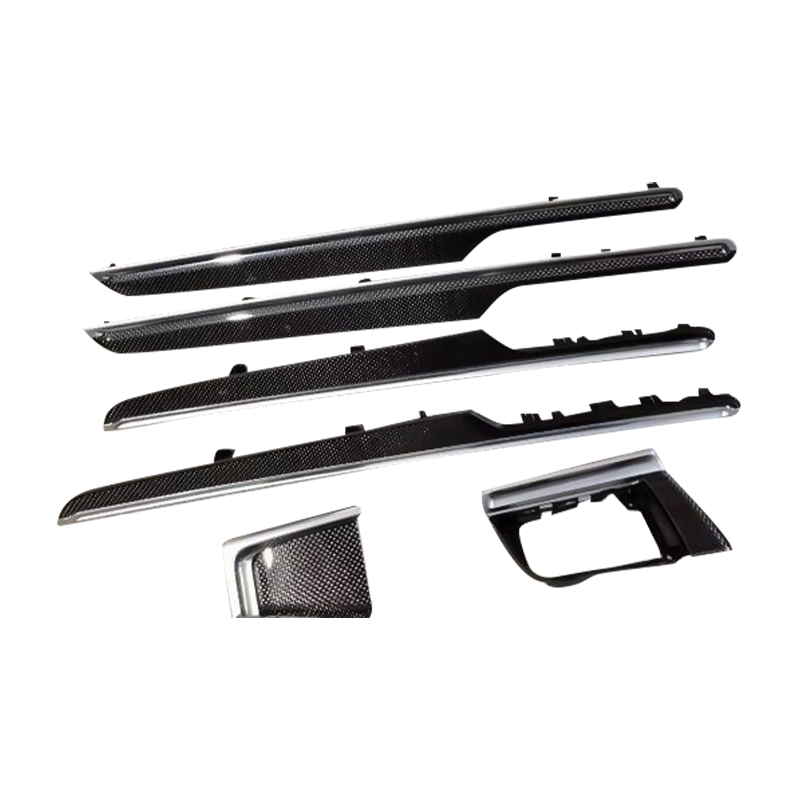
Used in selected body panels, aerodynamic components, interior structures, drive-related components, and lightweight equipment housings. Automotive manufacturers consider carbon fiber reinforcement when reducing component weight or meeting specific structural requirements.
Marine and Boat Manufacturing
Incorporated into selected hull structures, decks, reinforcement panels, masts, and marine equipment. Fabric architecture and resin systems must be matched with structural loads, moisture exposure, and manufacturing methods.
Wind Energy Equipment
Carbon fiber reinforcement can be used in selected wind turbine blade structures and other components where stiffness and weight management are important. Fiber orientation and laminate design are determined by the structural requirements.
Aerospace and UAV Manufacturing
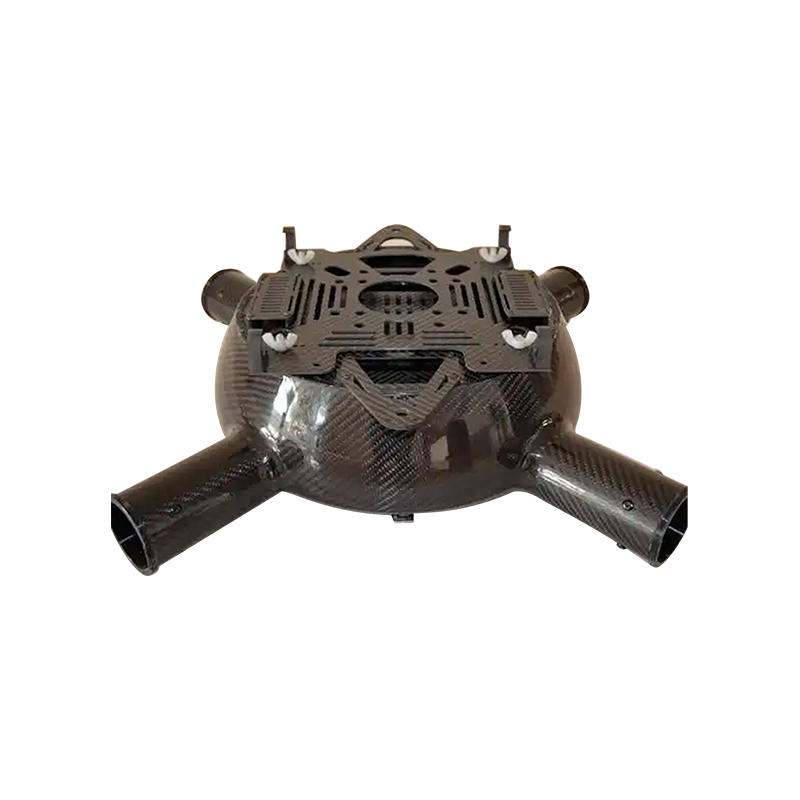
Used in selected aircraft structures, UAV frames, composite covers, and lightweight support components. Material selection must follow the relevant engineering, testing, and qualification requirements.
Sports and Recreational Equipment
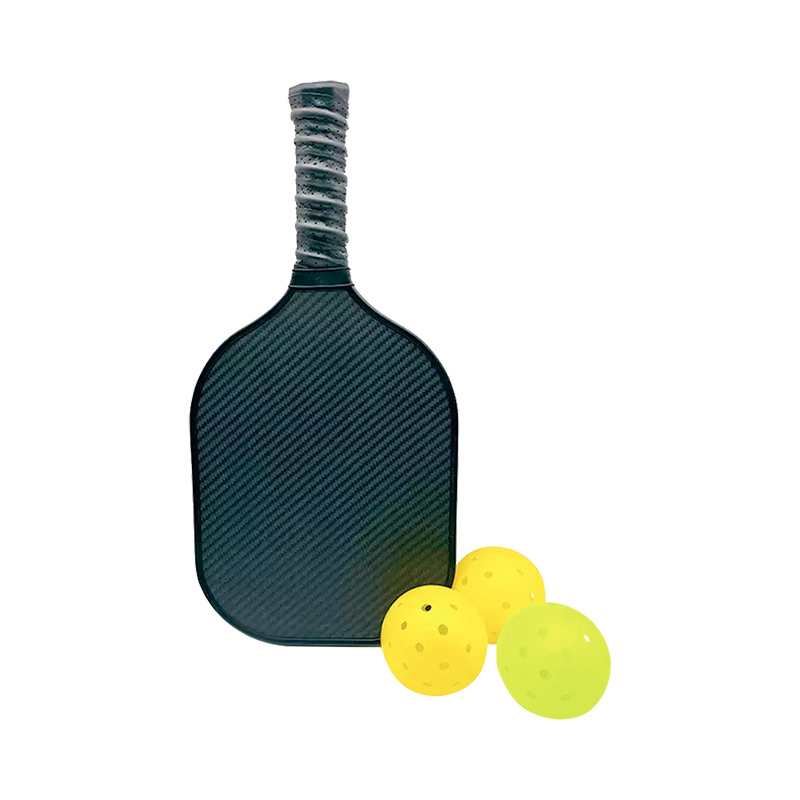
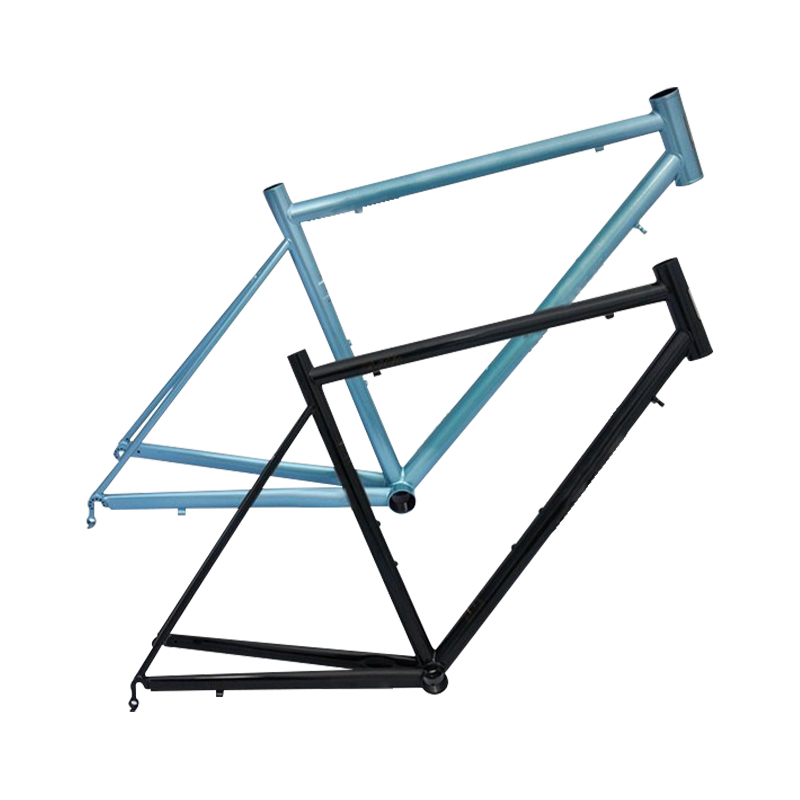
Applied in bicycle frames, sporting equipment, protective shells, and selected performance components. Manufacturers select fabric weight and reinforcement orientation according to product geometry and mechanical requirements.
Industrial and Engineering Composites
Used in machine covers, structural panels, equipment supports, and engineered composite products. Industrial buyers evaluate fabric compatibility with tooling, resin systems, production processes, and operational conditions.
Manufacturing and Supply Considerations for Composite Fabric Buyers
For industrial buyers, material procurement involves more than selecting a carbon fiber type. Production compatibility, specification control, batch consistency, and packaging requirements all affect the supply process.
Manufacturing Requirements
Verify the required fiber grade, filament count, yarn characteristics, and source identification.
Define weave architecture, fiber arrangement, areal weight, and dimensional requirements according to the product specification.
Establish inspection criteria for fabric dimensions, construction, visible defects, and batch identification.
Determine roll dimensions, labeling, protective packaging, and storage requirements for transportation and receiving.
Commercial Procurement Factors
Confirm fiber grade, fabric construction, areal weight, width, and resin compatibility before quotation.
Where available, samples can be used to assess handling, cutting, draping, resin wet-out, and process suitability.
MOQ, available quantity, production lead time, and repeat-order arrangements should be confirmed for each specification.
Confirm technical data sheets, batch records, inspection documents, packaging specifications, and export requirements.
Frequently Asked Questions About Carbon Fiber Composite Reinforcement
Technical answers to common material selection, manufacturing, and procurement questions.
1. What is carbon fiber fabric used for in composite reinforcement?
Carbon fiber fabric is used as the structural reinforcement in polymer composite components. When combined with a suitable resin matrix, it forms carbon fiber reinforced polymer (CFRP). The reinforcement contributes tensile strength and stiffness, while fiber orientation and laminate construction determine how the finished part responds to different loads.
2. How do I select the appropriate carbon fiber fabric weight for composite manufacturing?
Fabric weight should be selected according to the required laminate design, component dimensions, target fiber content, mold geometry, and manufacturing process. Lower areal weights may be easier to conform to complex surfaces, while heavier fabrics can reduce the number of reinforcement layers required for a given fiber mass per unit area. Final selection should be confirmed through engineering evaluation and process trials.
3. What is the difference between woven and unidirectional carbon fiber reinforcement?
Woven carbon fiber fabric has interlaced yarns in warp and weft directions, providing reinforcement along two principal fabric axes. Unidirectional reinforcement concentrates most fibers along one primary direction. Woven materials are useful for multidirectional fabric handling, while unidirectional materials are selected when reinforcement needs to follow specific structural load paths.
4. Which resin systems can be used with carbon fiber fabric?
Carbon fiber reinforcement can be combined with different resin systems, including epoxy, polyester, and vinyl ester, depending on fiber sizing, surface treatment, and application requirements. Not every fabric is compatible with every resin formulation. Buyers should confirm the supplier's compatibility information and conduct suitable testing before production.
5. Can carbon fiber fabric be used for vacuum infusion and RTM processes?
Yes, appropriately specified dry carbon fiber reinforcement can be used in vacuum infusion and resin transfer molding. Fabric permeability, architecture, layer arrangement, resin viscosity, and flow conditions influence resin distribution. The material should be evaluated under the intended process conditions to reduce the risk of incomplete impregnation and void formation.
6. Does a higher carbon fiber fabric weight always produce a stronger composite part?
No. A higher areal weight means more dry fiber mass per unit area, but it does not independently determine the mechanical performance of a finished composite. Fiber grade, orientation, resin content, fiber volume fraction, laminate stacking sequence, consolidation, and curing quality all influence final strength and stiffness.
7. What information should be provided when requesting a bulk carbon fiber fabric quotation?
Buyers should provide the required fiber grade, tow size, weave type, areal weight, roll width, quantity, and intended composite manufacturing process. Resin compatibility, surface requirements, packaging, technical documentation, inspection criteria, and delivery destination should also be included to help suppliers evaluate the complete requirement.
8. How can manufacturers maintain consistency between repeat orders?
Repeat-order consistency can be supported by maintaining an approved product specification, recording fiber and fabric batch information, controlling dimensional tolerances, and applying consistent inspection criteria. Buyers should also establish procedures for reviewing specification changes and approving alternative materials before production.
Specify Your Carbon Fiber Reinforcement Requirements
Share your required fiber grade, fabric architecture, areal weight, roll width, resin system, and application details. A clearly defined material specification helps evaluate manufacturing compatibility, sample requirements, production quantities, and supply arrangements for your composite project.
 +86-13961668677

 No. 61, Xingyuan Road, Jiefang Village, Gushan Town, Jiangyin City, Jiangsu Province, China.
