 Get In Touch
 English
 中文简体
 عربى
 Tiếng Việt

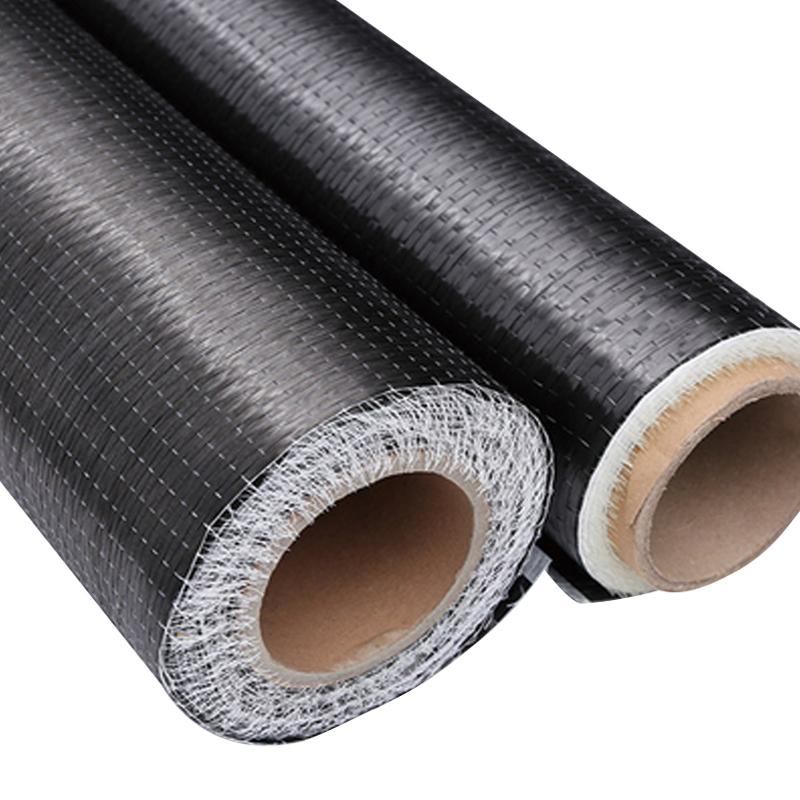
Carbon Fiber Fabric For Construction Reinforcement
Carbon Fiber Fabric For Construction Reinforcement is a fiber-based material used in composite strengthening systems for concrete and other engineered structures. Integrated with a suitable resin matrix, the fabric forms an external reinforcement layer that can help improve the load-bearing performance of existing structural members.
It is used in construction rehabilitation, structural upgrading, and repair projects where additional reinforcement is required without relying solely on conventional steel additions or substantial changes to the original member dimensions. Fabric selection and installation must follow the structural design, substrate condition, and project-specific requirements.
Additional reinforcement for members subject to revised loading requirements.
Composite strengthening during renovation and structural restoration projects.
Reinforcement solutions for selected concrete infrastructure components.
Supporting Structural Rehabilitation and Load Upgrading
Existing structures may require reinforcement because of changes in building use, increased service loads, design deficiencies, deterioration, or updated structural requirements. Carbon fiber fabric offers an external composite reinforcement option when the existing substrate and structural design are suitable.
Changes in Building Use
Renovated buildings may need structural evaluation when floor loading, equipment placement, or occupancy requirements change.
Structural Deficiencies
Some concrete members require additional reinforcement to address identified deficiencies in flexural, shear, or confinement performance.
Infrastructure Rehabilitation
Bridges, retaining structures, tunnels, and other infrastructure may require strengthening as part of an engineered maintenance program.
Where Construction Reinforcement Fabric Can Be Applied
Different structural members require different reinforcement arrangements. The fiber direction, bonded surface, wrapping configuration, and anchorage details should be determined by the project engineer.
Concrete Beams and Slabs
External carbon fiber reinforcement may be applied to selected beam and slab regions to address flexural or shear strengthening requirements. The reinforcement layout must correspond to the calculated tension zones and load paths.
Concrete Columns and Walls
Column wrapping can provide confinement when designed for the member geometry and required structural behavior. Wall reinforcement may also be considered for specific strengthening needs around openings or critical regions.
Bridge Components
Selected girders, deck elements, and supporting concrete members undergoing structural rehabilitation.
Tunnel and Underground Structures
Concrete sections requiring engineered reinforcement in response to structural assessment or service conditions.
Retaining Structures
Selected concrete retaining walls and related structural elements where external reinforcement is appropriate.
Industrial Buildings
Concrete floors, support members, and equipment-related structures subject to revised loading conditions.
How the Fabric Becomes Part of a Structural Strengthening System
In construction applications, carbon fiber fabric is generally combined with a structural resin system. The completed fiber-reinforced polymer layer transfers forces through the bond interface and contributes reinforcement according to its orientation and design.
Concrete surfaces are assessed, cleaned, and prepared. Unsound material, contaminants, and surface irregularities are addressed according to the installation specification.
The specified primer or bonding resin is applied to establish the required interface between the concrete substrate and composite reinforcement.
Carbon fiber fabric is cut, aligned, positioned, and impregnated or bonded in accordance with the approved reinforcement layout.
The installed layers are consolidated and allowed to cure under the conditions specified for the resin system and project environment.
The completed system is inspected for surface defects, bonding issues, layer continuity, and compliance with the approved installation and quality requirements.
Choosing a Suitable Fabric Architecture
Fabric construction affects reinforcement direction, handling, conformability, and installation. The correct option depends on the structural member and the required reinforcement arrangement.
Technical specifications should be reviewed before selecting a fabric for a construction project. A fabric's nominal weight or weave pattern alone cannot establish its suitability for a particular structural application.
Material Parameters for Construction Procurement
Procurement teams should compare fabric data against the engineering specification and the technical requirements of the complete reinforcement system.
Confirm the fiber designation, tensile strength, tensile modulus, and supporting technical documentation.
Specify the required weight per square meter and verify consistency with the approved product data.
Identify the required reinforcement direction and ensure that the supplied fabric matches the design drawings.
Check dimensions against the installation area, cutting plan, and expected material consumption.
Confirm whether the fabric is supplied dry or pre-impregnated and establish compatibility with the specified structural resin.
Define requirements for batch identification, inspection records, technical data sheets, and relevant test documentation.
Important Checks Before and After Fabric Installation
Consistent project results require coordination between material supply, structural design, site preparation, and installation supervision.
Before Installation
- Confirm the concrete member's structural condition.
- Review the approved strengthening drawings and layer schedule.
- Check fabric identity, dimensions, and batch documentation.
- Verify resin compatibility and environmental limitations.
- Inspect surface preparation and repair work.
During and After Installation
- Verify fiber direction and fabric placement.
- Check resin distribution and fabric impregnation.
- Monitor overlaps, edges, corners, and anchorage details.
- Follow the specified curing conditions.
- Document inspection results and installation records.
Carbon fiber fabric is not a universal solution for every damaged or deficient structure. Concrete deterioration, reinforcement corrosion, active cracking, bond failure, fire exposure, and other underlying issues require assessment and appropriate treatment. Material selection and strengthening design should be completed by qualified structural professionals.
Questions About Construction Reinforcement Fabric
Practical information for evaluating carbon fiber fabric in building rehabilitation and structural strengthening projects.
What is Carbon Fiber Fabric For Construction Reinforcement?
It is a carbon fiber textile used in composite reinforcement systems for structural applications. When combined with a suitable resin and installed on a prepared substrate, it can provide external reinforcement for selected concrete members and other engineered structures.
Can carbon fiber fabric be used in building renovation projects?
Yes. It may be specified for strengthening existing concrete beams, slabs, columns, and walls when structural assessment identifies a suitable application. The design must account for existing member conditions, load requirements, bond performance, and installation constraints.
Is carbon fiber fabric suitable for both beams and columns?
It can be used for different structural members, but the reinforcement arrangement is not the same. Beam strengthening may involve longitudinal or transverse fabric placement, while column confinement commonly uses wrapping configurations. Each application requires its own engineering design.
What is the difference between dry carbon fiber fabric and prepreg fabric?
Dry fabric is supplied without pre-applied resin and is impregnated during installation or composite processing. Prepreg fabric contains resin introduced before delivery and may have specific storage, handling, and curing requirements. The appropriate format depends on the selected construction system.
Does carbon fiber fabric need an adhesive for concrete bonding?
Yes. Externally bonded construction reinforcement systems generally require a compatible structural resin or adhesive system. Surface preparation, primer selection, resin application, and curing must follow the approved system instructions.
How do buyers select the appropriate fabric weight?
Fabric areal weight should be selected according to the structural calculations, required reinforcement area, fiber properties, and installation arrangement. It should not be chosen solely by comparing heavier and lighter fabric options.
Can carbon fiber fabric be used on damaged concrete?
It may be used after the cause and extent of damage have been assessed and the substrate has been repaired and prepared as required. Loose concrete, corrosion-related deterioration, moisture problems, and unstable cracks should not simply be covered with reinforcement fabric.
What technical documents should accompany the fabric?
Depending on project requirements, buyers may request product specifications, fiber tensile property data, areal weight information, fabric construction details, batch identification, inspection records, and compatibility information for the intended resin system.
 +86-13961668677

 No. 61, Xingyuan Road, Jiefang Village, Gushan Town, Jiangyin City, Jiangsu Province, China.
