 Get In Touch
 English
 中文简体
 عربى
 Tiếng Việt

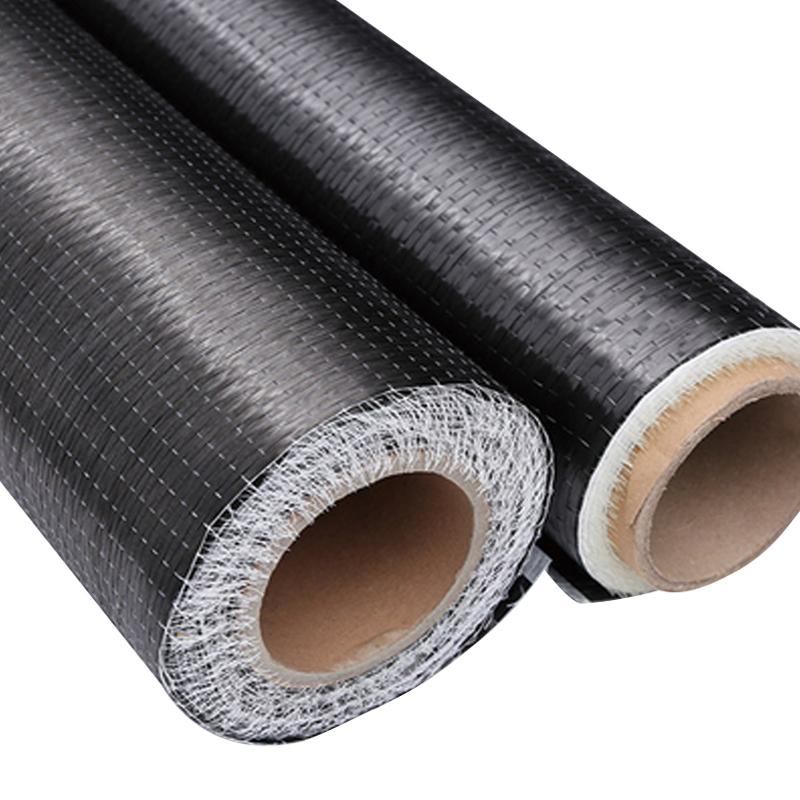
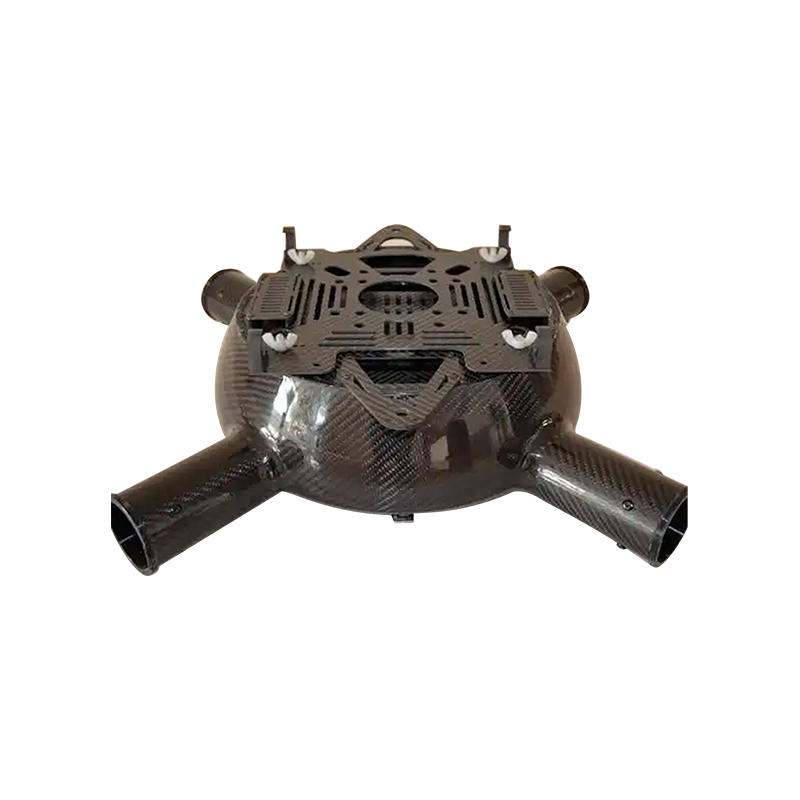
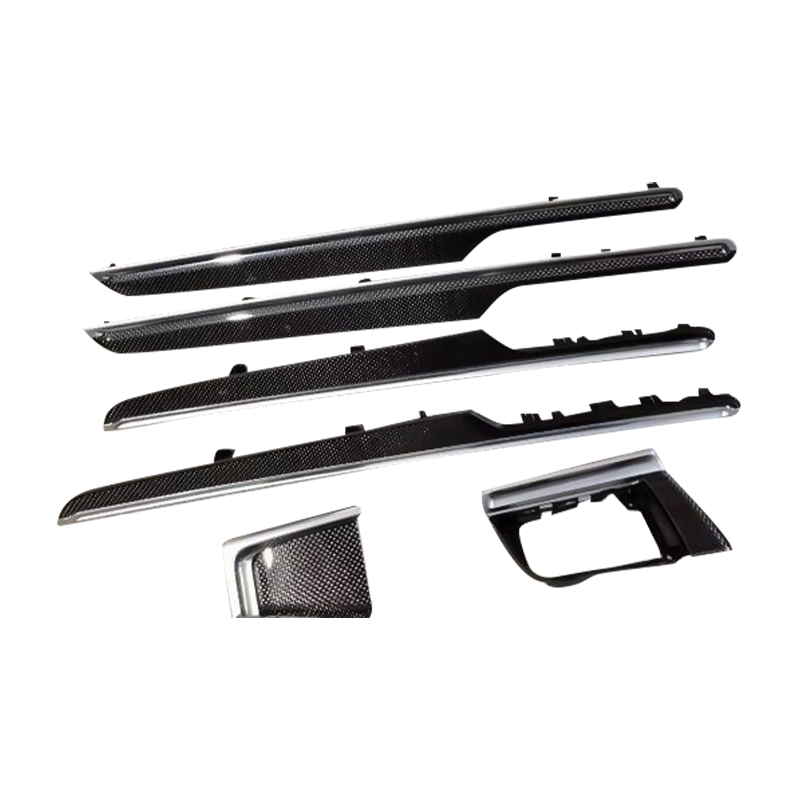
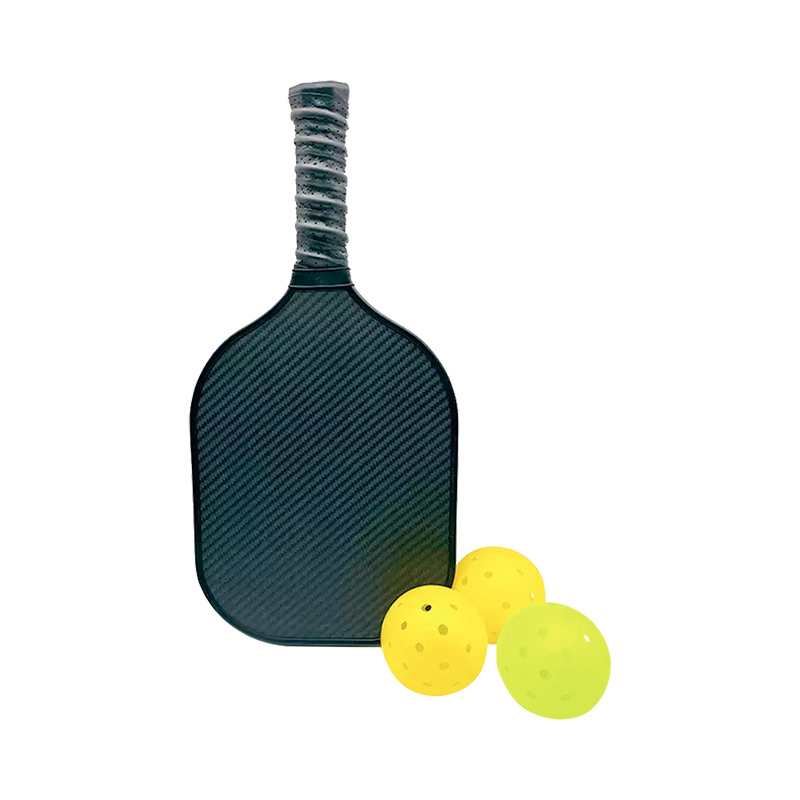
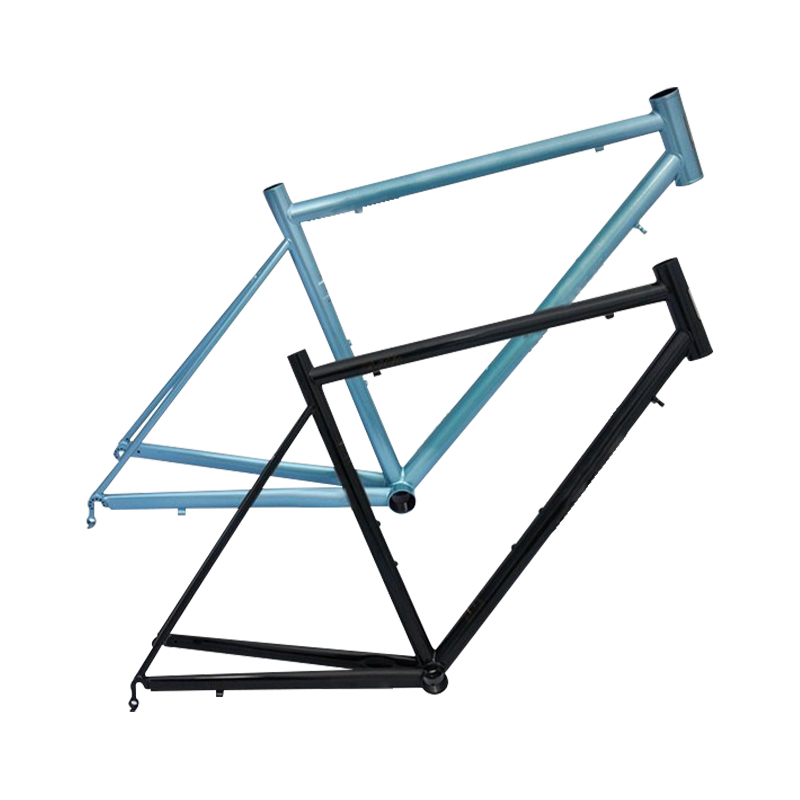
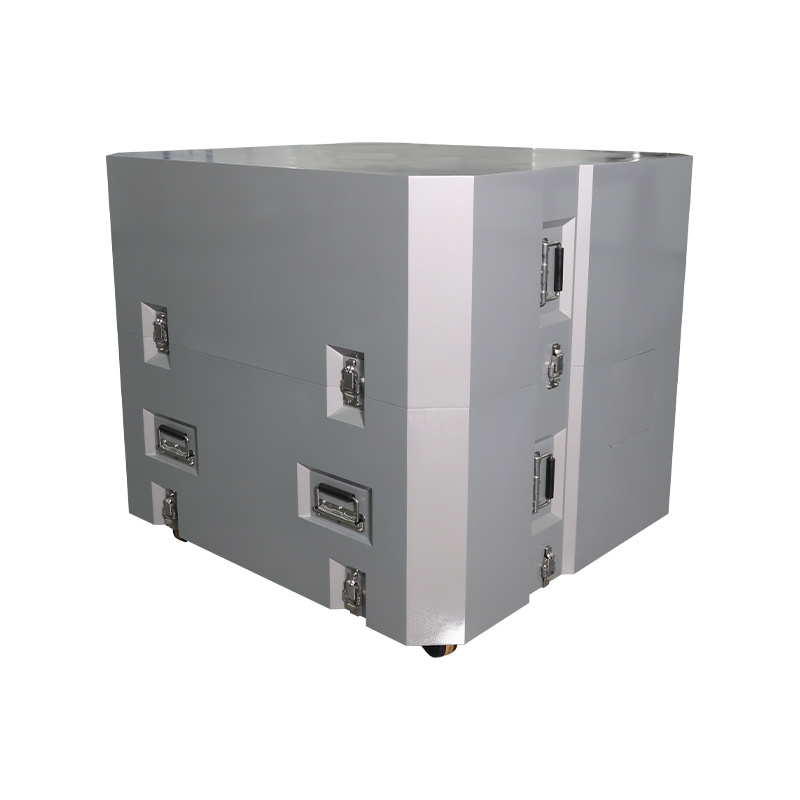
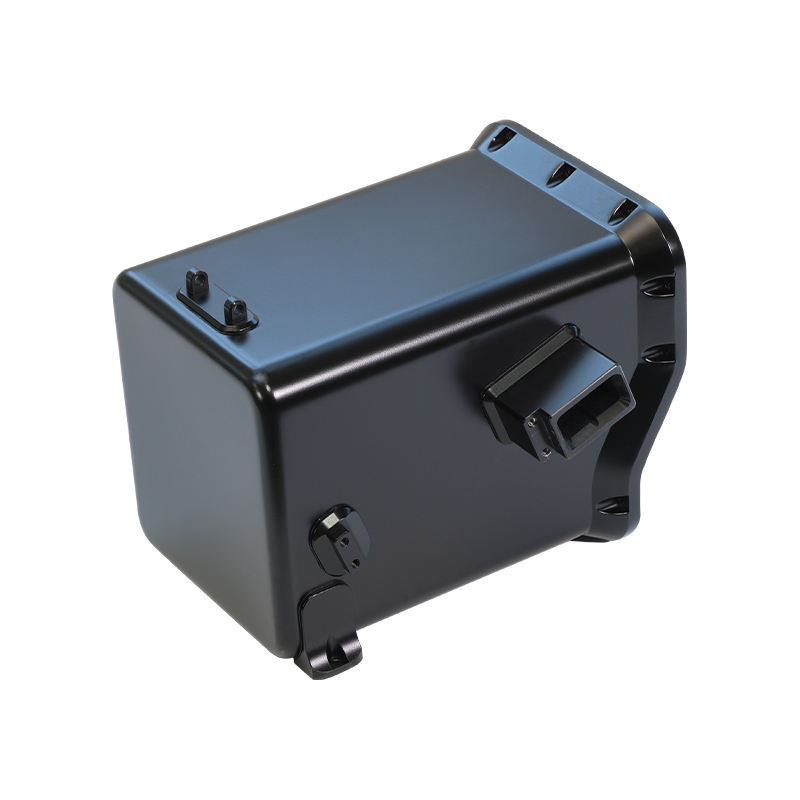
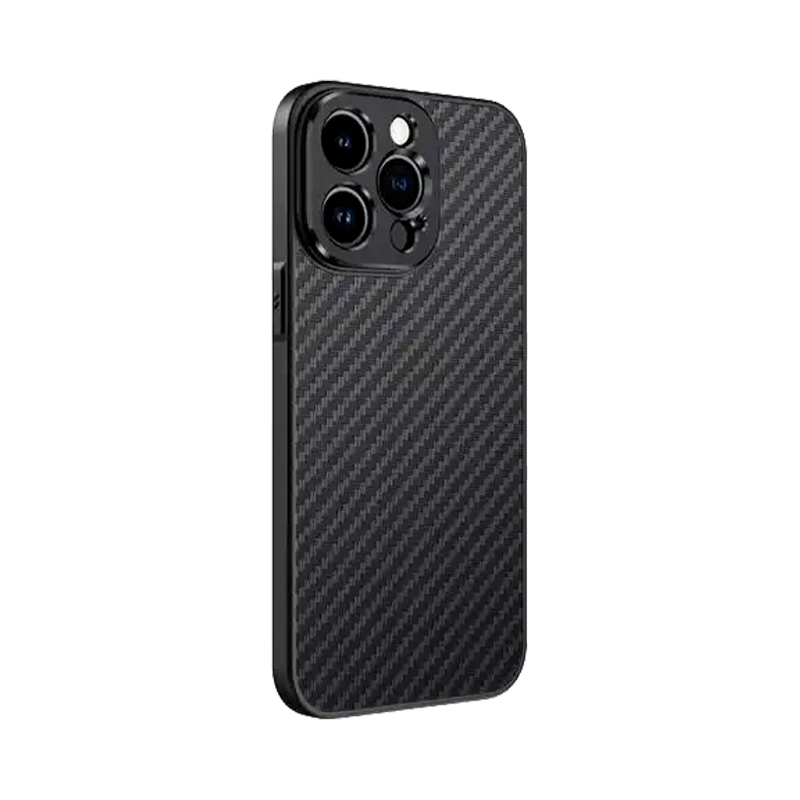
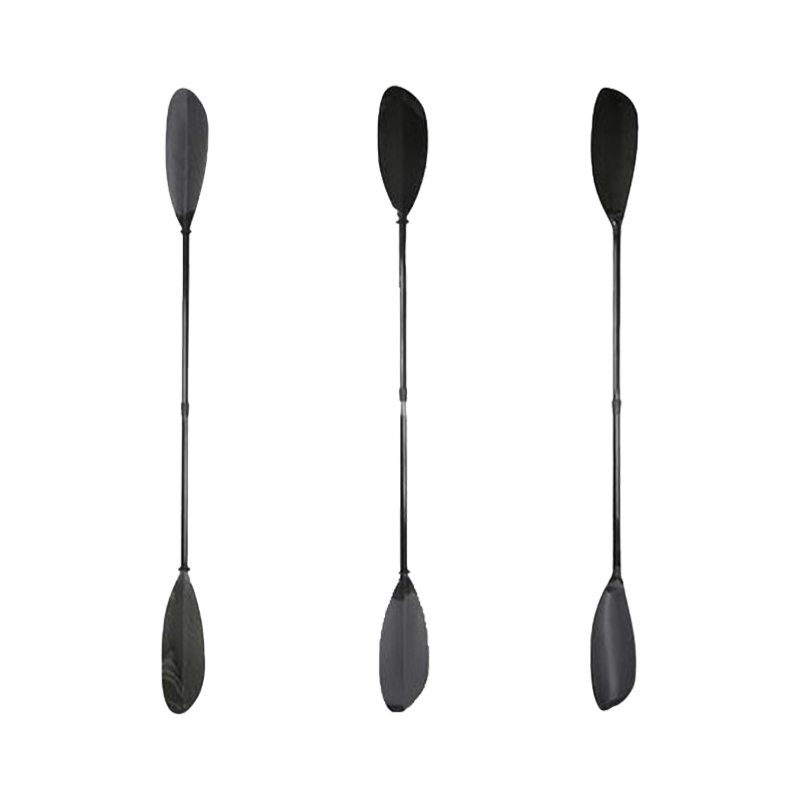
Reinforcement Carbon Fiber Fabric
Reinforcement Carbon Fiber Fabric is a textile-based composite reinforcement material designed to provide directional fiber strength within engineered structures. It is incorporated into resin-based composite systems to form laminates with defined reinforcement orientations and layer configurations.
For manufacturers and composite processors, fabric selection involves more than identifying carbon fiber as the reinforcement material. Fiber grade, fabric architecture, areal weight, layer arrangement, and resin compatibility all influence the characteristics of the finished composite. These factors should be evaluated against the component's design loads and manufacturing process.
Match fiber orientation to the intended reinforcement requirements.
Evaluate weave construction and dimensional stability during layup.
Confirm compatibility with the selected resin and consolidation method.
How Carbon Fiber Fabric Reinforces Composite Structures
Carbon fiber fabric contributes reinforcement through the arrangement of continuous fibers within a composite laminate. Its structural contribution depends on fiber direction, fiber properties, resin bonding, and the overall laminate design.
Directional Load Transfer
Carbon fibers carry loads primarily along their longitudinal direction. Orienting fabric layers according to the expected stress distribution helps engineers design composite structures for specific loading conditions.
Controls the directions in which reinforcement is introduced into the laminate.
Transfers loads between fibers and helps maintain the integrity of the composite structure.
Combines different fiber orientations to address multidirectional loading requirements.
Reinforcement Structures for Different Composite Designs
The required reinforcement architecture depends on part geometry, load direction, forming conditions, and the intended composite manufacturing method. The following constructions represent common options for carbon fiber fabric selection.
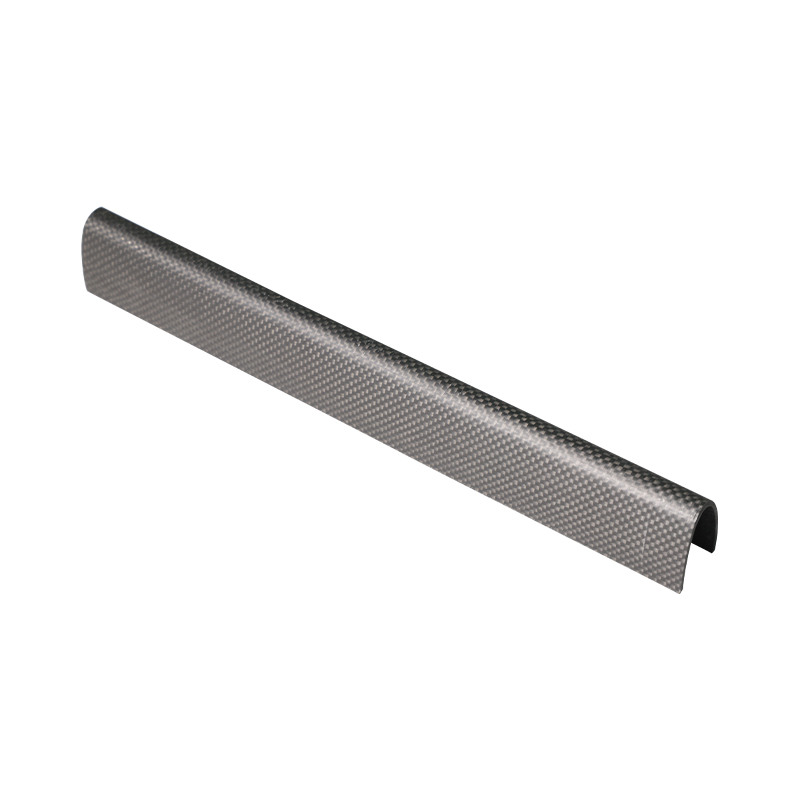
Warp and weft yarns cross in an alternating over-under pattern.
Useful where balanced fabric stability and regular yarn arrangement are required.
Yarns follow a staggered interlacing pattern that creates a diagonal surface appearance.
Consider when fabric handling and forming characteristics are important to the part design.
Most reinforcing fibers are aligned along one principal direction.
Suitable for designs requiring concentrated reinforcement along a specified load axis.
Reinforcement layers are arranged in multiple specified directions.
Consider for composite designs requiring more than one principal reinforcement direction.
Actual availability, fiber orientation, and fabric specifications should be confirmed against the supplier's product range and technical documentation.
Factors That Influence Reinforcement Performance
Carbon fiber fabric does not determine finished composite performance on its own. The reinforcement material must be evaluated together with the resin system, laminate design, processing conditions, and inspection requirements.
Fiber Grade and Yarn Characteristics
Fiber designation, tensile properties, yarn size, and filament configuration affect the reinforcement specification and its suitability for the intended component.
Areal Weight and Layer Count
Fabric weight and the number of reinforcement layers contribute to laminate thickness and material distribution. These values should follow the engineering design.
Resin Compatibility and Wet-Out
Resin viscosity, wetting behavior, cure conditions, and fiber-resin adhesion influence the quality of the resulting composite laminate.
Layup and Consolidation Control
Wrinkles, fiber displacement, trapped air, and uneven resin distribution can affect finished-part consistency. Process controls should address these risks.
Composite Manufacturing Applications
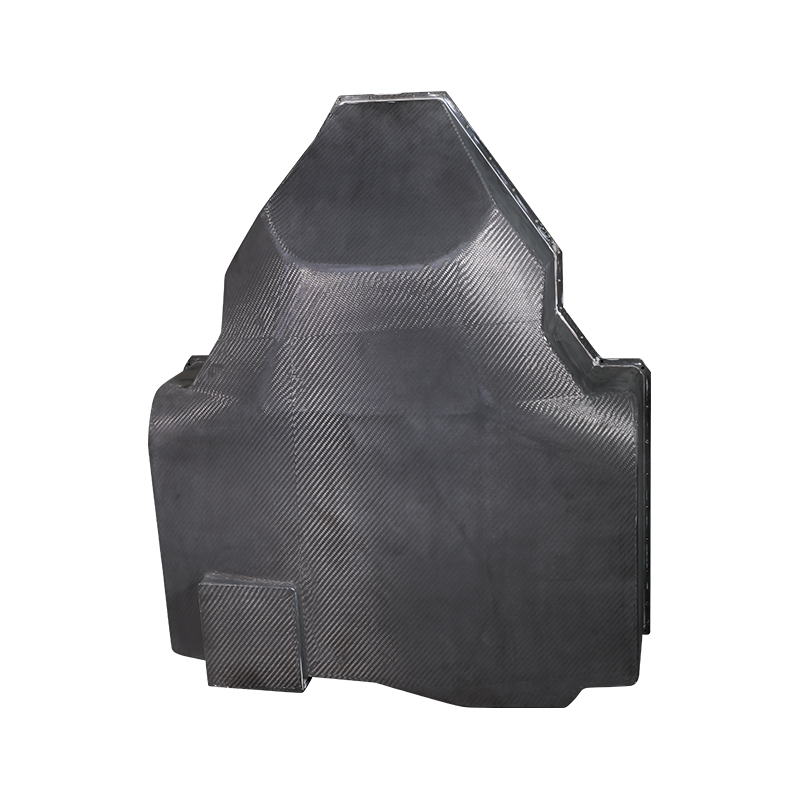
Reinforcement Carbon Fiber Fabric can be incorporated into engineered composite products where carbon fiber reinforcement is specified by the component design.
Automotive and Mobility Components
Composite body panels, structural parts, interior components, and selected lightweight assemblies.
Aerospace Composite Parts
Engineered composite structures and components produced under defined material qualification and process-control requirements.
Marine Composite Structures
Hull sections, deck components, reinforcement panels, and other composite structures designed for marine environments.
Industrial Equipment
Machine components, equipment enclosures, structural panels, and application-specific composite assemblies.
Sports and Performance Equipment
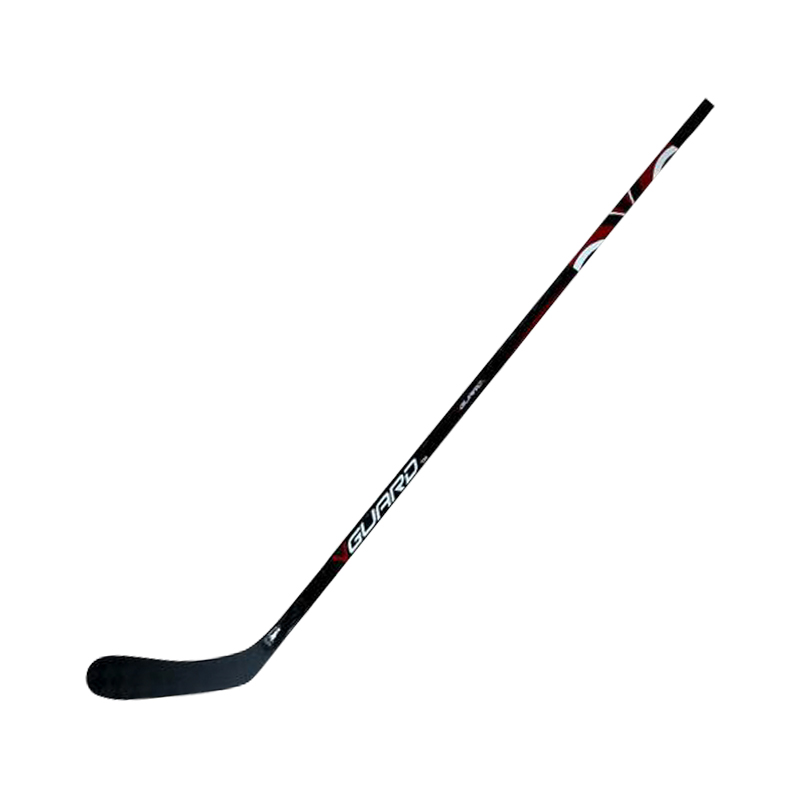
Selected bicycle parts, sporting goods, and performance equipment manufactured with carbon fiber composite laminates.
Composite Structural Reinforcement
Engineered reinforcement components and structures where fiber orientation and laminate design are defined by technical requirements.
What to Check When Evaluating Reinforcement Fabric
Material inspection should cover both the fabric's physical condition and its compliance with the agreed technical specification.
Check whether fiber bundles are arranged consistently and whether visible gaps, distortion, or irregular spacing are present.
Inspect for contamination, broken filaments, damaged yarns, creases, and other defects that may interfere with processing.
Verify fabric width, roll condition, and areal weight against the approved material specification.
Confirm that roll labels, batch references, and technical documents support material identification and production traceability.
Define the Material Specification Before Bulk Procurement
For B2B purchasing, a clear technical brief helps suppliers assess the required fabric construction and reduces the risk of receiving material that does not match the production process.
Technical Requirements
- Carbon fiber grade and yarn specification
- Fabric construction and fiber orientation
- Target areal weight and dimensional tolerance
- Required roll width and supply format
- Resin system and composite manufacturing method
- Finished laminate design and performance criteria
Order and Delivery Details
- Estimated order quantity and purchasing frequency
- Roll length and packaging preferences
- Material labeling and batch traceability requirements
- Inspection documentation and sample approval process
- Destination, shipping conditions, and delivery schedule
- Applicable industry or customer-specific requirements
Frequently Asked Questions
Technical and purchasing questions about carbon fiber fabric used as composite reinforcement.
What is Reinforcement Carbon Fiber Fabric used for?
It is used as a reinforcing material in resin-based composite structures. Manufacturers incorporate the fabric into laminates for automotive, aerospace, marine, industrial, and sports equipment applications where carbon fiber reinforcement is specified.
Does carbon fiber reinforcement fabric contain resin?
Not necessarily. Dry carbon fiber fabric is supplied without pre-applied resin, while prepreg materials contain resin introduced during a controlled impregnation process. Buyers should identify the required material format before placing an order.
How does fabric orientation affect composite performance?
Carbon fibers provide their principal reinforcement along their longitudinal direction. Changing the orientation of fabric layers changes how the laminate responds to loads from different directions. The layup schedule should therefore be based on engineering analysis rather than appearance alone.
Which carbon fiber fabric construction should manufacturers choose?
The choice depends on component geometry, load direction, forming requirements, and manufacturing process. Plain and twill woven fabrics offer different handling and surface characteristics, while unidirectional and multiaxial structures address specific reinforcement orientations.
Can reinforcement carbon fiber fabric be used with different resin systems?
Compatibility depends on the fabric's surface treatment or sizing, resin chemistry, and processing conditions. Epoxy, polyester, vinyl ester, and other resin systems should not be assumed interchangeable. Confirm compatibility with the supplier and validate the intended process.
What information should be provided when requesting a quotation?
Provide the required fiber grade, fabric architecture, areal weight, width, quantity, resin system, and intended application. If available, include drawings, laminate specifications, technical standards, and sample requirements to support a more accurate quotation.
 +86-13961668677

 No. 61, Xingyuan Road, Jiefang Village, Gushan Town, Jiangyin City, Jiangsu Province, China.
