 Get In Touch
 English
 中文简体
 عربى
 Tiếng Việt

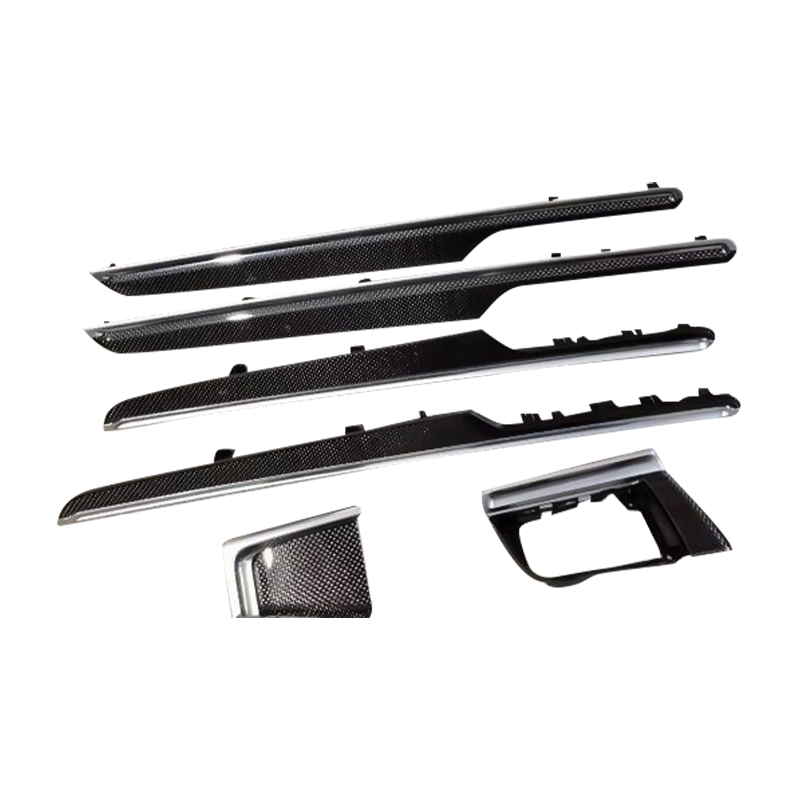
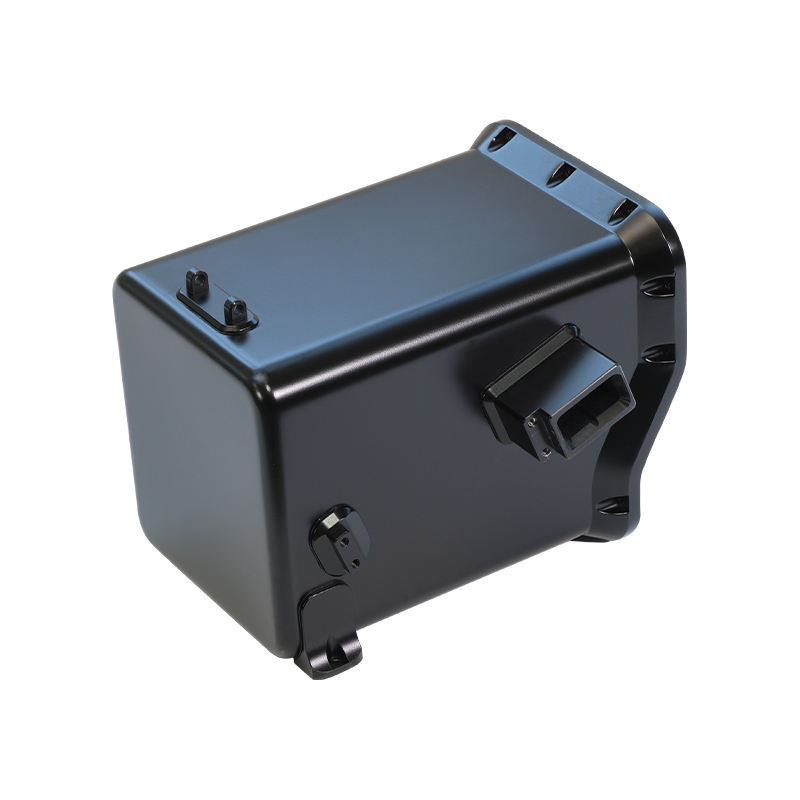
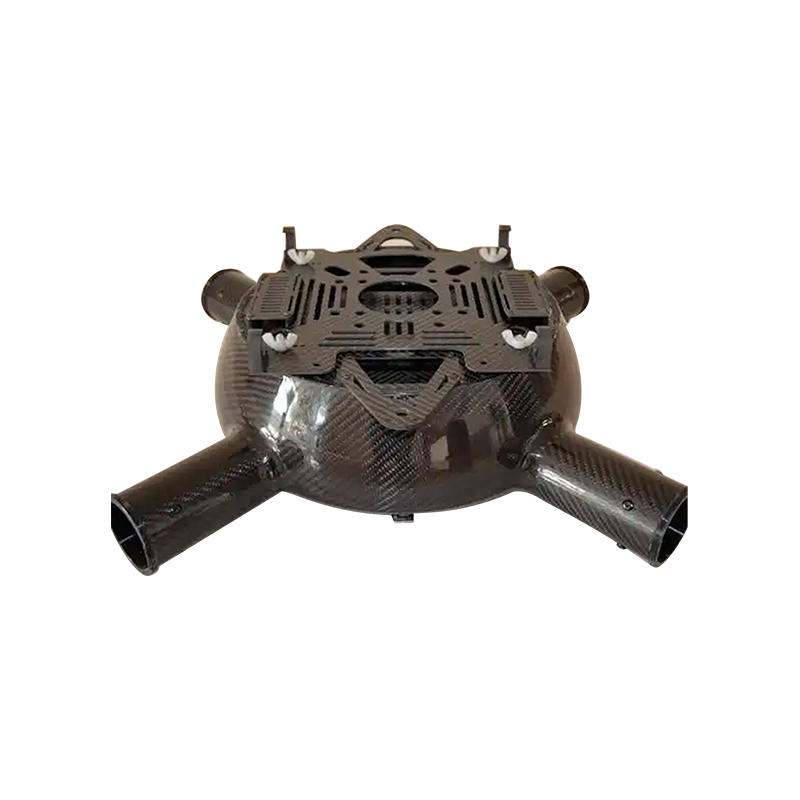
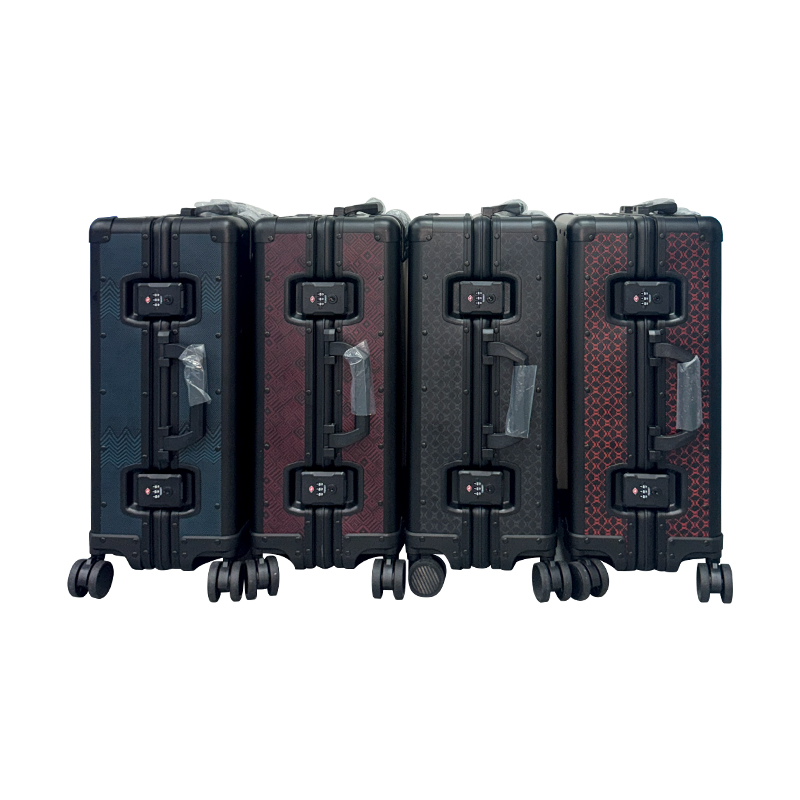
Automotive Carbon Fiber Cloth
Automotive Carbon Fiber Cloth is used as a reinforcement material in composite components designed for weight reduction, structural stiffness, surface quality, and component integration. Its performance depends on the carbon fiber grade, fabric construction, fiber orientation, resin system, and manufacturing process.
For automotive manufacturers and composite component suppliers, selecting a suitable fabric requires more than comparing fabric weight. Weaving pattern, drapability, resin compatibility, laminate design, and production repeatability all influence the finished component.
Where Carbon Fiber Fabric Fits in Automotive Production
Carbon fiber cloth forms the reinforcement layer in fiber-reinforced polymer composites. When combined with a compatible resin and processed under controlled conditions, the fabric becomes part of a laminate or molded composite component.
Weight Management
Composite structures can reduce component mass compared with selected conventional materials, subject to design, material selection, and performance requirements.
Directional Reinforcement
Fiber orientation and ply stacking can be designed to address different load directions within a component.
Part Integration
Composite manufacturing may consolidate multiple functions or geometries into a component, depending on tooling and structural design.
Choose a Weave That Matches the Component Geometry
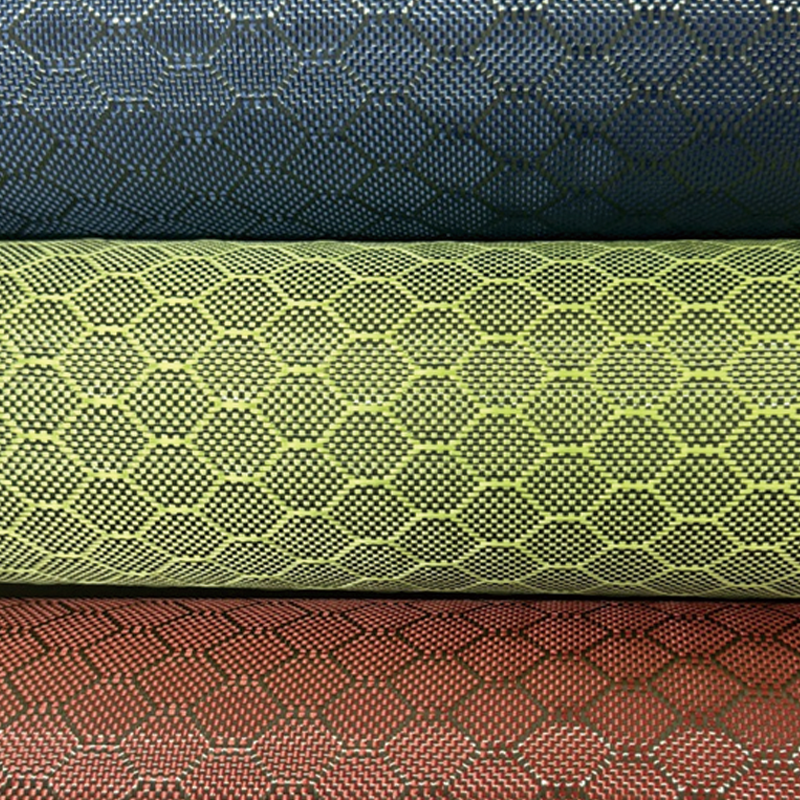
Fabric construction affects handling, draping, fiber stability, and the appearance of the finished composite surface. The appropriate option depends on the part shape and the intended manufacturing route.
Plain Weave
Features an alternating over-under interlacing pattern. Its balanced construction can provide good fabric stability during handling and layup.
Twill Weave
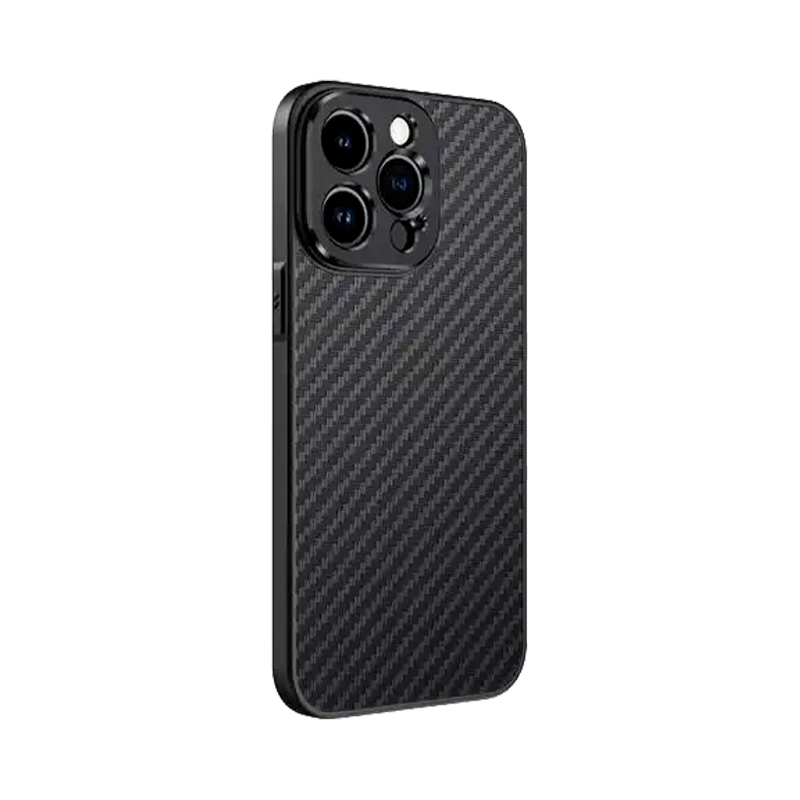
Uses a staggered interlacing pattern that creates a diagonal surface appearance. Depending on construction, it can offer greater drapability than some plain-weave fabrics.
Unidirectional Fabric
Concentrates most reinforcing fibers along one principal direction. It can be incorporated into laminate designs that require direction-specific reinforcement.
Actual drapability, dimensional stability, and mechanical behavior must be evaluated against the selected fabric specification and component design.
Parameters to Define Before Ordering
Automotive projects often require consistent material properties across prototype evaluation and production batches. The following information helps establish a clear fabric specification.
Match the Fabric to the Composite Manufacturing Route
The same fabric may behave differently under different forming and resin-processing conditions. Confirm process compatibility before finalizing material selection.
Wet Layup
Dry carbon fiber cloth is positioned in a mold or on a prepared surface, then impregnated with a compatible resin system. Resin distribution and consolidation require process control.
- Confirm resin viscosity and working time.
- Check wet-out and air removal requirements.
- Define resin mixing and curing procedures.
Vacuum-Assisted Infusion
Dry reinforcement is arranged in a sealed mold or bagging setup. Vacuum pressure draws resin through the fabric stack, subject to permeability and flow-path design.
- Evaluate fabric permeability and ply arrangement.
- Plan resin inlet and vacuum outlet positions.
- Verify the infusion process for the part geometry.
Prepreg Processing
Prepreg consists of reinforcement already impregnated with a controlled resin system. It requires specified storage, handling, and curing conditions.
- Confirm resin system and material shelf life.
- Check storage temperature requirements.
- Follow the specified curing cycle.
Dry carbon fiber cloth and prepreg are different supply formats. Do not assume that a dry fabric is automatically suitable for a prepreg-based production process or that all dry fabrics are compatible with every resin system.
Composite Components Across Vehicle Platforms
Automotive Carbon Fiber Cloth can be considered for a range of vehicle components where composite reinforcement, component mass, geometry, or surface requirements justify its use.
Exterior Body Components
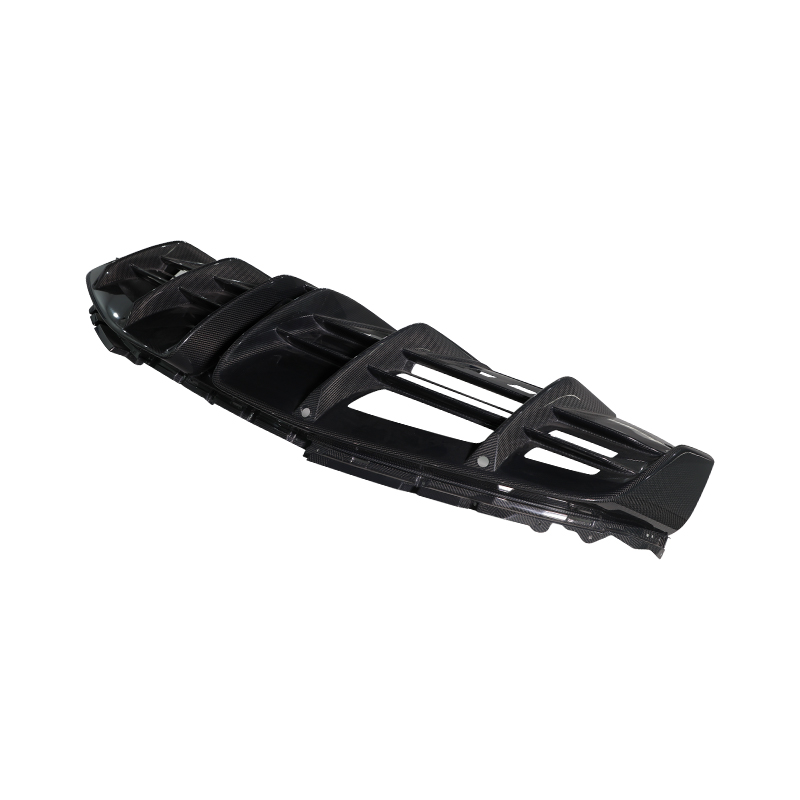
Hoods, roof panels, trunk lids, body panels, and selected aerodynamic parts.
Interior Components
Decorative trim, center console panels, dashboard elements, and interior composite covers.
Structural Components
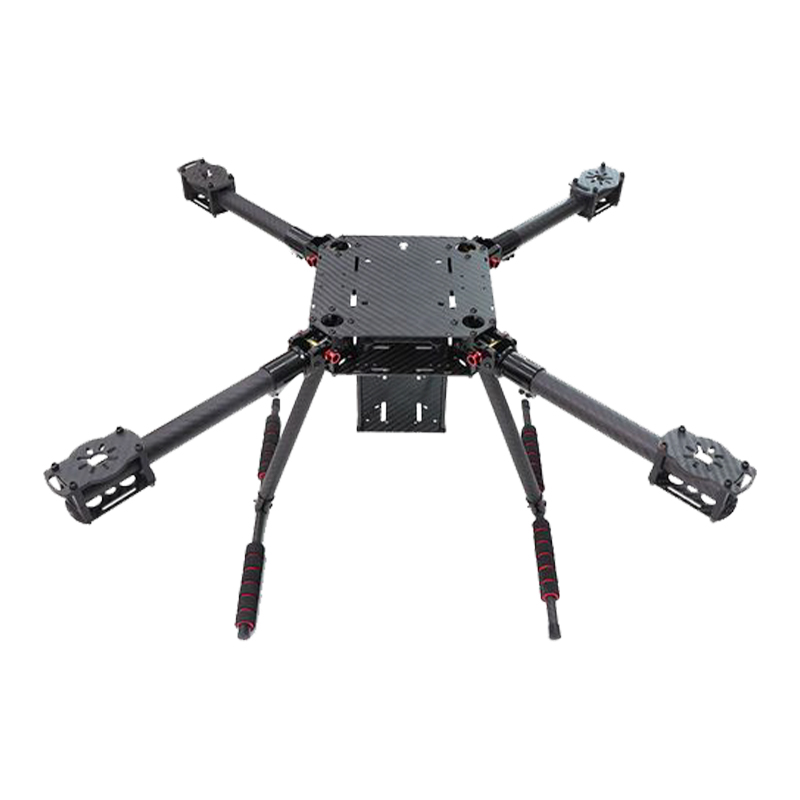
Selected support structures, reinforcement panels, brackets, and engineered composite parts.
Performance Vehicle Parts
Selected spoilers, diffusers, body kits, and other components designed for specific vehicle platforms.
Electric Vehicle Components
Application-specific composite covers, enclosures, and structural parts subject to electrical, thermal, and mechanical requirements.
Motorsport Components
Selected bodywork and composite assemblies developed for competition vehicle programs.
Application suitability depends on engineering validation. Components exposed to crash loads, heat, vibration, impact, or safety-critical conditions require appropriate design analysis and testing.
Frequently Asked Questions
Key considerations when evaluating carbon fiber cloth for automotive composite parts.
What is Automotive Carbon Fiber Cloth used for?
It is used as a reinforcement material in composite automotive components, including selected body panels, interior trim, structural parts, aerodynamic components, and motorsport parts. The specific application depends on the component design, material system, and engineering validation.
Which weave pattern is suitable for automotive carbon fiber parts?
Plain weave, twill weave, and unidirectional constructions serve different design and processing needs. Plain weave can provide fabric stability, twill may offer useful drapability for contoured surfaces, and unidirectional reinforcement supports direction-specific laminate designs. Selection should be based on geometry, loading, and production process.
Can carbon fiber cloth be used for electric vehicle components?
Yes, selected composite components in electric vehicles may use carbon fiber reinforcement. However, electrical conductivity, thermal exposure, impact behavior, insulation requirements, and component safety functions must be evaluated as part of the design.
What is the difference between dry carbon fiber cloth and carbon fiber prepreg?
Dry carbon fiber cloth is supplied without a fully impregnated resin matrix and generally requires resin introduction during composite manufacturing. Prepreg has already been impregnated with resin under controlled conditions and follows specific storage and curing requirements.
Does a higher fabric weight always provide better automotive component performance?
No. Fabric weight alone does not determine finished component performance. Fiber grade, orientation, laminate thickness, resin content, void level, curing quality, and component geometry all contribute to the final mechanical properties.
What technical documents should buyers request?
Depending on project requirements, buyers may request a technical data sheet, fabric construction details, areal weight and width tolerances, fiber specification, batch identification, and relevant test reports. Test methods and sample conditions should be stated when comparing mechanical performance data.
Can automotive carbon fiber fabric be used in safety-critical components?
Potentially, but material selection alone does not establish safety suitability. Safety-critical applications require component-level engineering analysis, process qualification, appropriate testing, and compliance with applicable automotive requirements.
 +86-13961668677

 No. 61, Xingyuan Road, Jiefang Village, Gushan Town, Jiangyin City, Jiangsu Province, China.
