 Get In Touch
 English
 中文简体
 عربى
 Tiếng Việt

Carbon Fiber Reinforcement Cloth
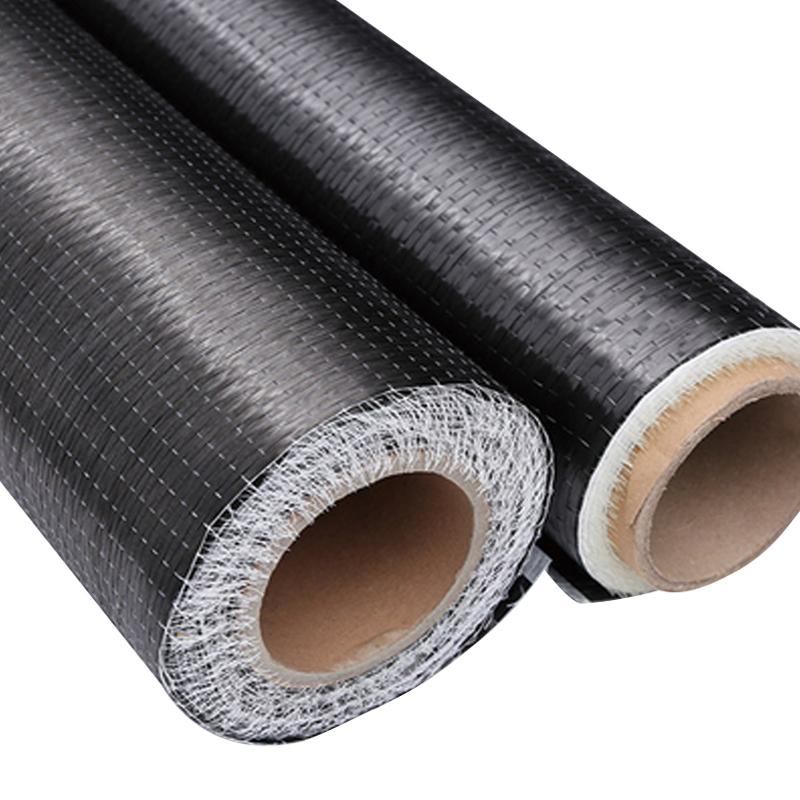
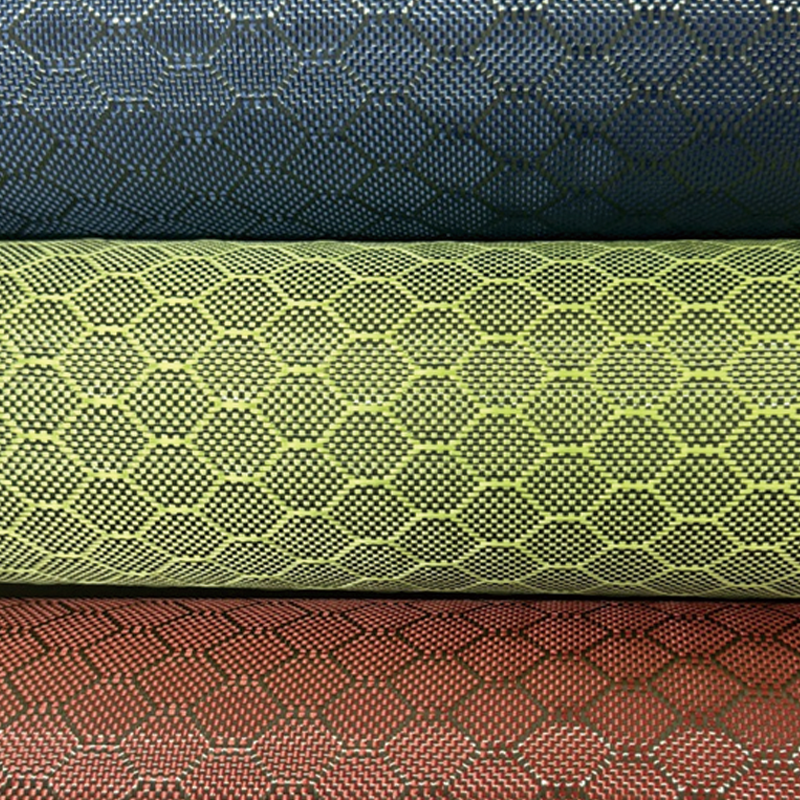
Carbon Fiber Reinforcement Cloth is a woven or directionally arranged carbon fiber material used to strengthen composite structures. When combined with a compatible resin system, it forms a fiber-reinforced layer that contributes to the mechanical properties of the finished laminate.
It is selected for applications requiring controlled fiber orientation, reinforcement distribution, and structural design flexibility. Material selection should consider fiber grade, fabric architecture, areal weight, resin compatibility, and the loading conditions of the finished component.
How Carbon Fiber Cloth Contributes to Composite Strength
Carbon fiber reinforcement works as part of a fiber-resin system rather than as an independent finished structural material. The fibers carry loads along their orientations, while the cured resin matrix binds the reinforcement and transfers stresses between fiber bundles.
Fiber Load Transfer
Carbon fibers provide reinforcement primarily along their own directions. Their contribution depends on fiber alignment and the quality of the cured composite.
Resin Bonding
The matrix holds the fibers in position and transfers stress between reinforcement elements. Resin selection and processing influence the interface performance.
Laminate Configuration
Combining plies at different angles allows engineers to tailor the composite response to multiple loading directions.
Reinforcement Cloth Structures for Different Design Requirements
The fabric architecture determines how fibers are distributed and held together. Different constructions provide different levels of dimensional stability, drapability, and directional reinforcement.
Plain Weave Carbon Fiber Cloth
Warp and weft yarns alternate over and under each other. This balanced interlacing creates a stable fabric structure that can be useful for relatively simple reinforcement layouts.
Structural considerationFabric stability and handling during cutting and placement.
Twill Weave Carbon Fiber Cloth
Yarns pass over and under multiple yarns in a staggered sequence, forming a diagonal surface pattern. Depending on the construction, twill fabrics may conform more readily to curved surfaces.
Structural considerationDrapability and placement around shaped components.
Unidirectional Carbon Fiber Reinforcement
Most reinforcing fibers are aligned along one principal direction. This arrangement supports laminate designs in which reinforcement is concentrated along defined load paths.
Structural considerationDirectional reinforcement and controlled ply orientation.
Multiaxial Reinforcement Fabric
Multiple fiber layers are arranged at specified angles and held together by stitching or another joining method. It can reduce the need to position each directional layer separately.
Structural considerationMulti-directional reinforcement and laminate assembly efficiency.
The available constructions, fiber orientations, and fabric specifications should be confirmed against the actual product range.
Fiber Orientation Determines the Reinforcement Strategy
Choosing a fabric is only one part of composite design. The orientation and sequence of reinforcement layers determine how the laminate responds to tension, bending, shear, and other service loads.
Longitudinal Direction
Fibers aligned with the principal load direction can provide reinforcement along that axis.
Transverse Direction
Perpendicular reinforcement contributes to laminate behavior across the primary fiber direction.
Off-Axis Direction
Angled plies can be incorporated to address in-plane shear and combined loading conditions.
This sequence is an illustration of ply orientation, not a universal laminate specification. Actual stacking sequences must be established through structural analysis and validated for the intended application.
Factors That Influence Reinforcement Performance
Finished composite properties cannot be determined from fabric weight or fiber type alone. The complete reinforcement and resin system must be evaluated.
Carbon Fiber Grade
Fiber tensile properties, modulus, elongation, and surface characteristics vary by fiber grade and supplier specification.
Areal Weight and Yarn Count
Fabric weight and yarn arrangement influence reinforcement content, thickness, resin demand, and laminate design.
Fiber-Resin Interface
Sizing and surface treatment should be compatible with the selected resin chemistry to support effective bonding.
Resin Content and Consolidation
Resin distribution, void content, compaction, and curing conditions affect the consistency of the finished laminate.
Test Method and Specimen Design
Mechanical data should identify whether results refer to fibers, yarns, dry fabric, or cured composite specimens, together with the applicable test method.
Processing Options for Carbon Fiber Reinforcement Cloth
Dry reinforcement cloth can be used with different composite manufacturing methods when the fabric construction, resin system, and process conditions are compatible.
Hand Layup
Fabric layers are placed in a mold or on a prepared substrate, followed by resin application and consolidation. It is commonly considered for prototypes, repairs, and lower-volume composite production.
Vacuum Bagging
A vacuum bag applies pressure to the layup during processing. Depending on the material system, this can support consolidation and help control excess air and resin.
Resin Infusion
Resin is drawn through a dry reinforcement stack under vacuum. Fabric permeability, ply arrangement, and resin flow paths influence the infusion result.
Prepreg Lamination
Prepreg uses reinforcement that has already been impregnated with resin. It is processed according to its specified storage, handling, and curing requirements.
Carbon Fiber Reinforcement Cloth supplied in dry form is not the same as prepreg. Confirm the supplied format and processing compatibility before placing an order.
Industries Using Carbon Fiber Reinforcement Cloth
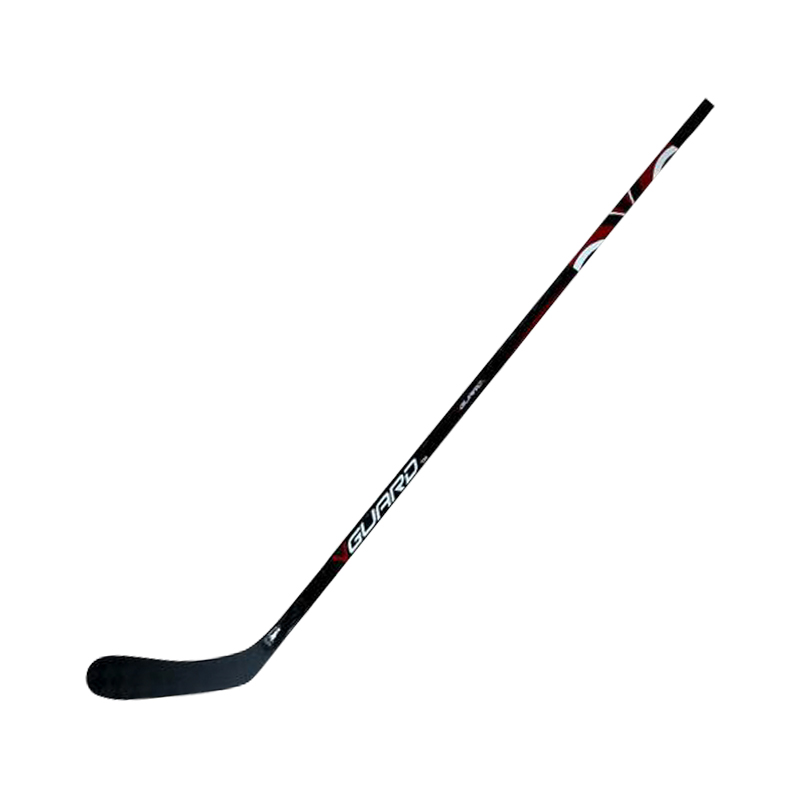
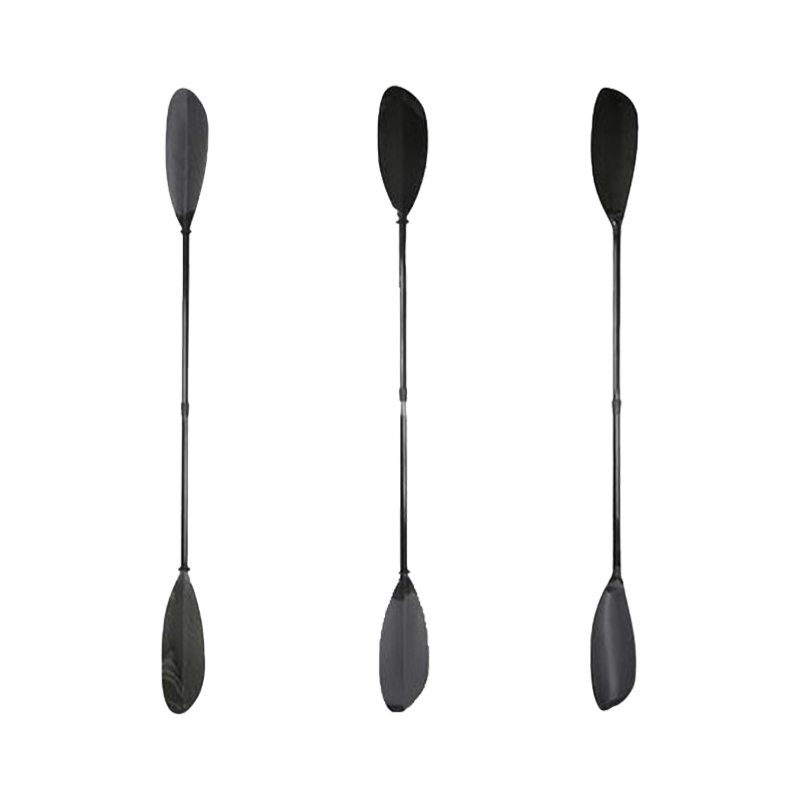
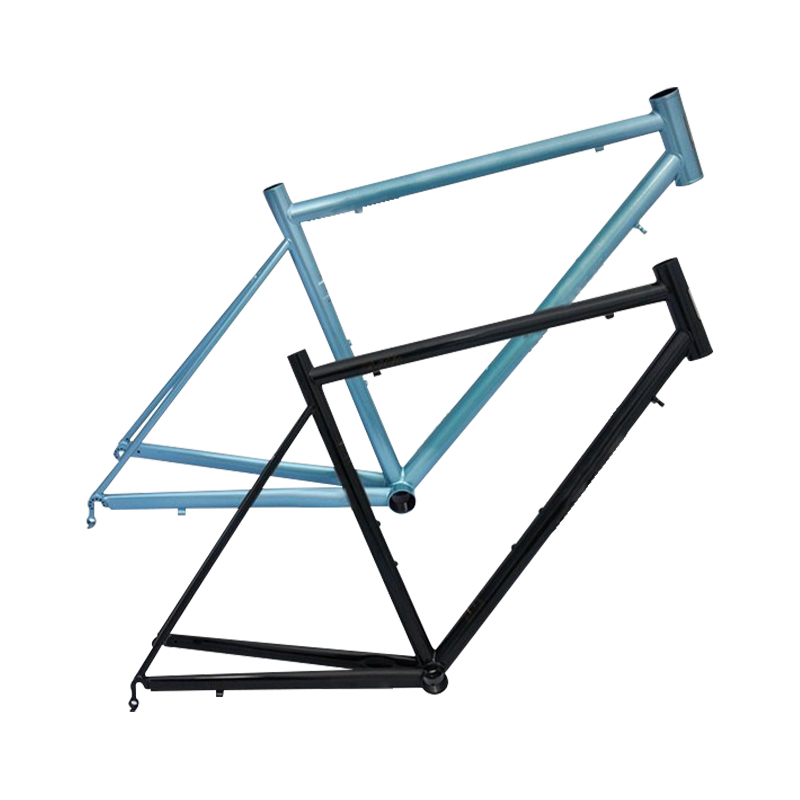
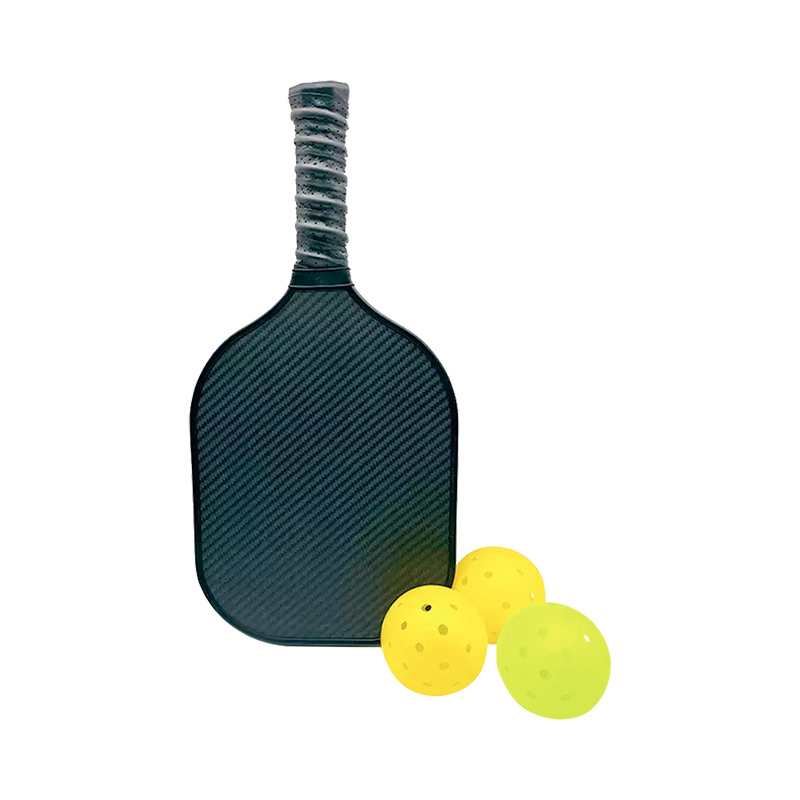
Carbon fiber reinforcement is used in engineered composite structures where directional mechanical properties, weight control, or complex component geometry are important.
Reinforcement for Load-Bearing and Functional Components
Fabric architecture and laminate configuration can be selected according to the component's geometry, expected loads, and manufacturing process.
Material Checks for Consistent Composite Production
Incoming material inspection helps identify differences that may affect cutting, layup, resin processing, and finished laminate consistency.
Fabric Appearance
Check for visible yarn damage, contamination, wrinkles, and irregular fabric construction.
Dimensional Consistency
Verify fabric width, roll length, areal weight, and agreed dimensional tolerances.
Construction Verification
Confirm weave type, fiber direction, yarn arrangement, and material identification.
Documentation Review
Compare technical data, batch identification, and test records with the purchase specification.
Prepare a Clear Carbon Fiber Cloth Inquiry
Providing application and technical requirements helps suppliers identify a suitable reinforcement construction and assess whether the material matches the intended production process.
Material Requirements
- Carbon fiber grade or required fiber properties
- Fabric type and weave construction
- Target areal weight and fabric width
- Fiber orientation or directional arrangement
- Roll length and packaging requirements
Project Requirements
- Intended composite component or application
- Resin type and processing method
- Prototype or production purchasing volume
- Required technical documents and test data
- Applicable inspection and acceptance criteria
Frequently Asked Questions
What is Carbon Fiber Reinforcement Cloth?
It is a carbon fiber textile used as reinforcement in fiber-reinforced polymer composites. The cloth is combined with a suitable resin system to form a laminate or composite component with engineered mechanical properties.
Is carbon fiber reinforcement cloth supplied with resin?
It depends on the product format. Dry carbon fiber cloth is supplied without a fully impregnated resin matrix, while prepreg contains resin introduced during material preparation. Buyers should confirm the supply format before ordering.
Which fabric construction should I select for structural reinforcement?
Plain weave, twill weave, unidirectional, and multiaxial constructions have different handling and reinforcement characteristics. The selection should be based on component geometry, load direction, laminate design, and manufacturing method.
Can carbon fiber reinforcement cloth be used with epoxy resin?
Many carbon fiber fabrics are used with epoxy resin systems, but compatibility should not be assumed for every fabric. Confirm the sizing or surface treatment, resin formulation, processing conditions, and intended curing cycle.
Does heavier carbon fiber cloth provide greater structural strength?
Not necessarily. Areal weight indicates the mass of fabric per unit area, but structural performance also depends on fiber grade, fiber orientation, resin content, laminate thickness, consolidation quality, and component design.
How should carbon fiber cloth be stored?
Storage requirements depend on the material format and supplier instructions. Dry fabrics should generally be protected from moisture, contamination, and physical damage. Prepreg requires additional control of storage temperature and usable life according to its technical documentation.
What information is needed to request a quotation?
Provide the required fiber grade, weave type, areal weight, fabric width, material format, intended application, resin system, manufacturing method, and estimated quantity. Any required testing or documentation should also be identified.
 +86-13961668677

 No. 61, Xingyuan Road, Jiefang Village, Gushan Town, Jiangyin City, Jiangsu Province, China.
